March sits outside peak travel periods, so beaches, resorts, and dive sites are often less busy, giving a more secluded, laid-back experience.
Beyond just being green, landscapes are at their most active. Rivers are flowing, waterfalls are more impressive, and forests are dense. In places like Madagascar, this can make wildlife areas feel especially rich, even if access can sometimes be slower due to conditions.
With fewer international visitors, islands like Mauritius, Seychelles, and Madagascar feel less tourist-driven. Beaches, small towns, and attractions tend to be calmer, and you’re more likely to experience day-to-day island life at a natural pace.
With tourism quieter, markets, fishing activity, and local events take on more prominence. Coastal communities continue their routines largely unaffected by peak-season crowds. Accommodation and flights are often more affordable and easier to secure compared to peak months, giving more flexibility in where and how you stay.
While visibility can vary, March is still a period when marine ecosystems are productive, meaning a good chance of encountering a variety of fish and reef life when conditions are calm. Activities often adapt around passing showers. Mornings are typically clearer, while afternoons may bring rain, so days naturally become more spontaneous—mixing beach time, short excursions, and relaxed indoor breaks.
Being close to the equator, it’s less exposed to cyclones than Mauritius. You can expect warm seas, relatively light winds and a good mix of sunshine and showers.
Expect warm temperatures (around 28–30°C) with occasional short showers that pass quickly, keeping everything fresh and beautifully uncrowded.
Easy to combine with next-door Ngorongoro Crater & Tarangire but also Masai Mara. Hop on a flight to Seychelles for a ‘beach & bush’ combo.
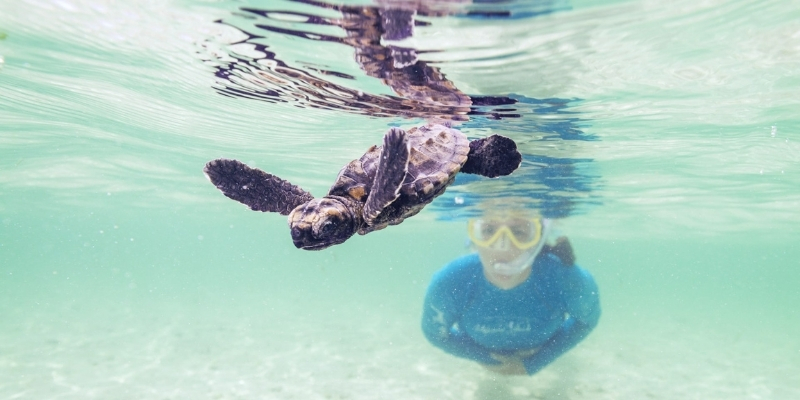
The Seychelles is one of the world’s most important turtle nesting destinations, particularly for the hawksbill turtle and, to a lesser extent, the green turtle. These islands offer warm, sandy beaches and protected marine environments that make them ideal for nesting. The main nesting season runs from October to March, with peak activity between November and January. During this time, female turtles return to the beaches where they were born to lay their eggs, a behaviour known as natal homing. They come ashore at night, dig a nest in the sand, and lay around 100–200 eggs before covering the nest and returning to the ocean.
The eggs incubate beneath the sand for about 60 days, warmed by the tropical climate, before hatching, usually at night to avoid predators and heat. When they emerge, the hatchlings instinctively move toward the brightest horizon, which leads them to the ocean, though many do not survive due to natural predators such as birds and crabs.
Despite this, Seychelles remains a vital stronghold for these species, with conservation efforts in place to protect them. Some of the best places to witness nesting and hatching include islands where strict protection measures are in place. Ask our beach specialists about which islands these are.
Always keep a respectful distance, avoid using flash photography, and never touch or disturb the turtles. This ensures you get an authentic experience while protecting these incredible animals.
A perfect blend of white-sand beaches, warm turquoise waters, and rich Swahili culture, Zanzibar offers more than just a beach escape. Think spice tours, dhow sunsets, and the historic charm of Stone Town.
With hot temperatures (around 28–32°C), plenty of sunshine, and low humidity. The ocean is warm and calm, ideal for swimming, snorkelling, and diving, with only occasional short tropical showers.
The Ngorongoro Crater & Tarangire NP guarantee plenty of wildlife. Add on a beach holiday to Zanzibar & you have the perfect ‘beach & bush’ combination.
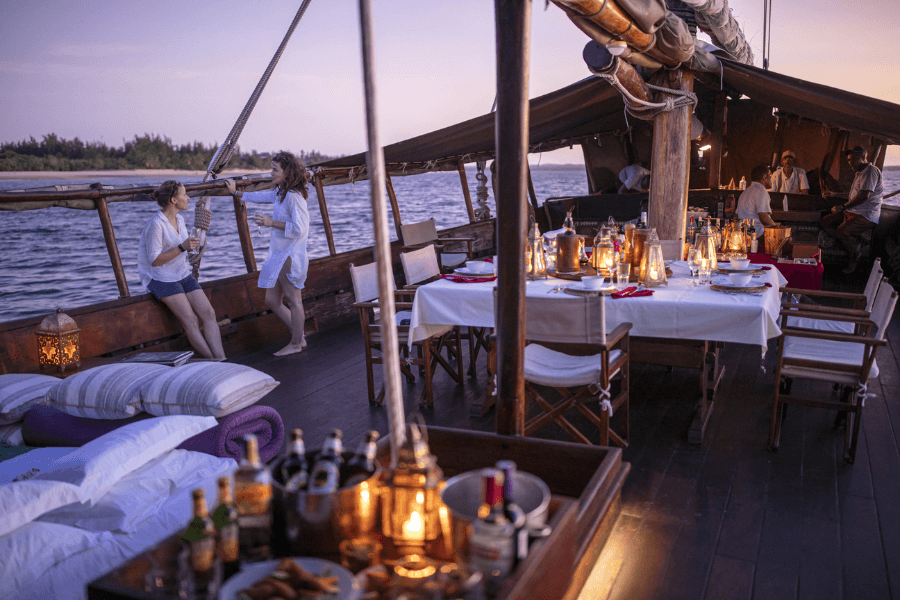
March in Zanzibar is all about heat, colour, and coastal rhythm. The short rains have passed, leaving behind lush, tropical scenery and long, sun-filled days. The island feels vibrant yet relaxed—perfect for beach time, cultural exploration in Stone Town, and sailing traditional dhows along the coastline. The warm Indian Ocean is incredibly inviting, with excellent conditions for snorkelling and diving thanks to good visibility and generally calm seas.
Temperatures are typically hot and summery (around 28–32°C), with relatively low humidity compared to later months. Rain is minimal and usually limited to short, passing showers if at all. February is especially appealing as one of the best months for underwater visibility, making it ideal for marine adventures. It’s a time when Zanzibar delivers that classic Indian Ocean island feel—sun-drenched days, balmy evenings, and a laid-back pace that pairs beautifully with a safari on the mainland.
Other great months for Zanzibar: June through to October.
The tidal patterns in Zanzibar can completely transform your beach experience. Some stretches are perfect for swimming all day, while others reveal vast sandbanks at low tide. Choosing the right side of the island (and even the right time of day) makes all the difference… it’s one of those small details that can elevate your entire stay.
March is a fantastic time to experience the Indian Ocean islands’ warm waters, tropical beauty, and laid-back island lifestyle. From sun-soaked beaches and vibrant marine life to lesser-known seasonal sweet spots, our travel experts know exactly where to send you to make the most of this time of year.
