Humidity drops, rainfall decreases, and trade winds begin to pick up slightly. The perfect time to explore the rich vegetation, culture and history of the islands in the cooler temperatures.
May brings a shift toward drier, cooler conditions in many Indian Ocean destinations. The intense summer heat begins to ease, and the atmosphere becomes more comfortable, making it an excellent time for both relaxation and adventure. A beach holiday is not only about sunblock, sand and salty water; the islands have so many beautiful aspects to explore.
Beyond the reef, the ocean invites exploration in more relaxed ways. Kayaking and stand-up paddleboarding allow you to glide across calm lagoons, while sailing and island-hopping excursions reveal hidden beaches and remote islands that are otherwise inaccessible.
On land, the islands offer equally rewarding adventures. Hiking trails wind through lush forests and along dramatic coastlines providing both scenic beauty and a sense of discovery. Slower-paced exploration, such as cycling through coastal villages offers a more intimate way to connect with local life and landscapes.
Cultural experiences also form an important part of island exploration. Wandering through the narrow streets of Stone Town reveals a rich blend of African, Arab, and European influences, while local markets, spice tours, and traditional cuisine across the islands provide a deeper connection to each destination.
An ideal mix of sunshine, low wind (especially on inner islands), and calm seas. Excellent for island hopping, beaches, hiking, and snorkelling.
emperatures are warm and stable, typically ranging between 26°C and 30°C, with noticeably lower humidity than earlier months. Rainfall drops significantly, and when it does occur, it’s usually brief and refreshing rather than disruptive.
May is one of the best months to pair islands with mainland Africa. Try Serengeti National Park or Kruger National Park. You get excellent safari conditions and near-perfect island weather.
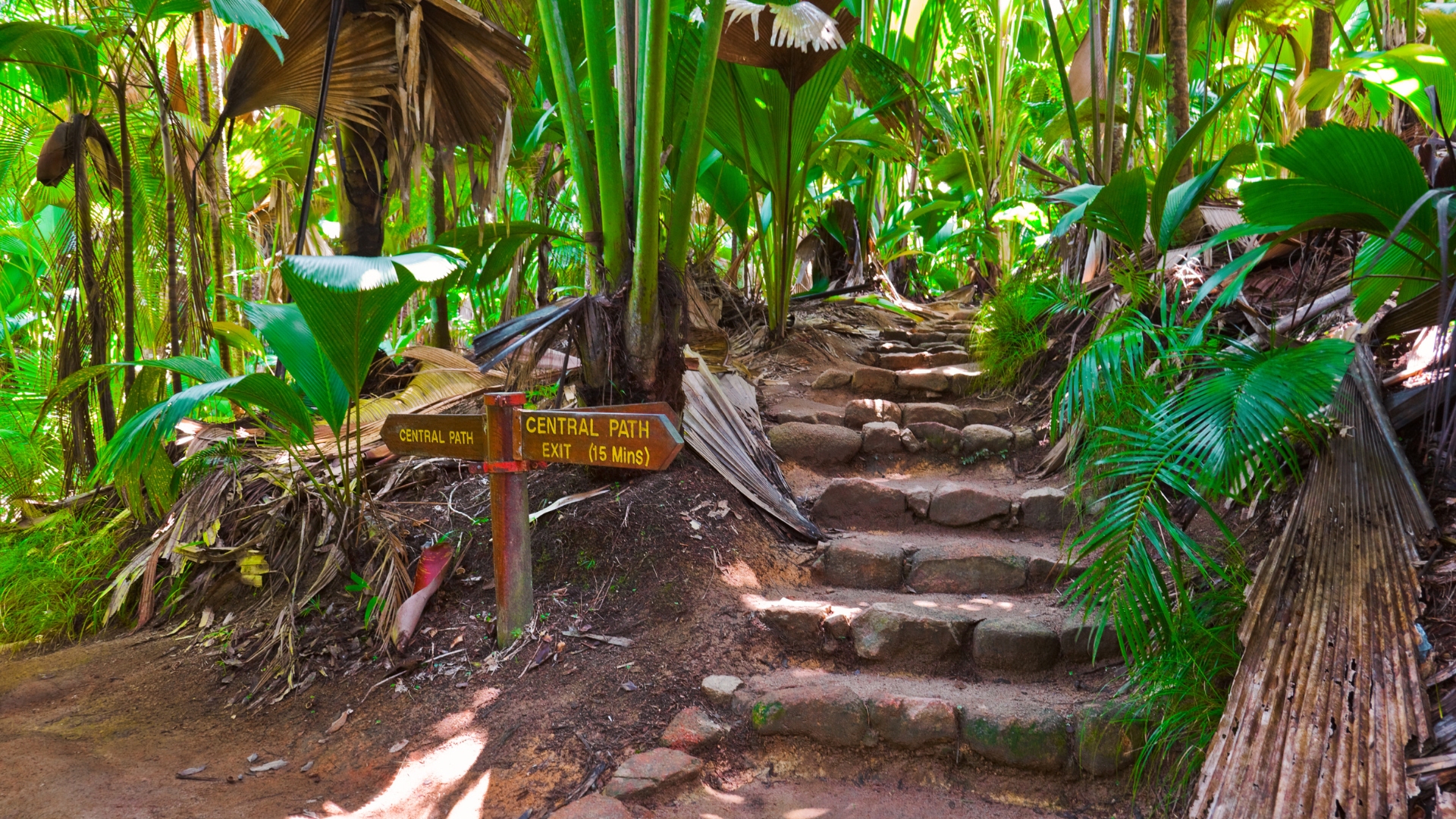
Hiking in Vallée de Mai in May is a truly immersive experience, made even more enjoyable by the cooler, less humid conditions that follow the rainy season. Temperatures are comfortably warm, and the forest is at its most lush and vibrant, with dense greenery, filtered sunlight, and a rich chorus of birdlife accompanying you along the trails.
The reserve offers a network of well-marked walking paths that wind through this UNESCO World Heritage Site, allowing visitors to explore at a relaxed pace. Trails vary from short, easy strolls to slightly longer routes that take you deeper into the forest, where you’ll encounter the iconic coco de mer palms, home to the largest seed in the plant kingdom, as well as rare endemic species like the Seychelles black parrot.
May is particularly ideal for hiking here because the ground is generally dry enough for comfortable walking, yet the landscape still retains the freshness and vitality brought by earlier rains. The canopy provides plenty of shade, making it a great option even during the warmer parts of the day.
If you're heading to the Seychelles or Mauritius, choose your coast carefully in May. As the southeast trade winds begin to pick up.
The beginning of the cooler, drier winter season, perfect for combining beach, culture & adventure. A more affordable, all-round destination with reliable weather.
Temperatures range from 24°C to 28°C, with cooler evenings and much lower humidity. Rainfall is minimal, and you can expect plenty of sunshine. Light southeast trade winds may begin.
May is one of the best months to pair islands with mainland Africa. Try Serengeti National Park or Kruger National Park. You get excellent safari conditions and near-perfect island weather.
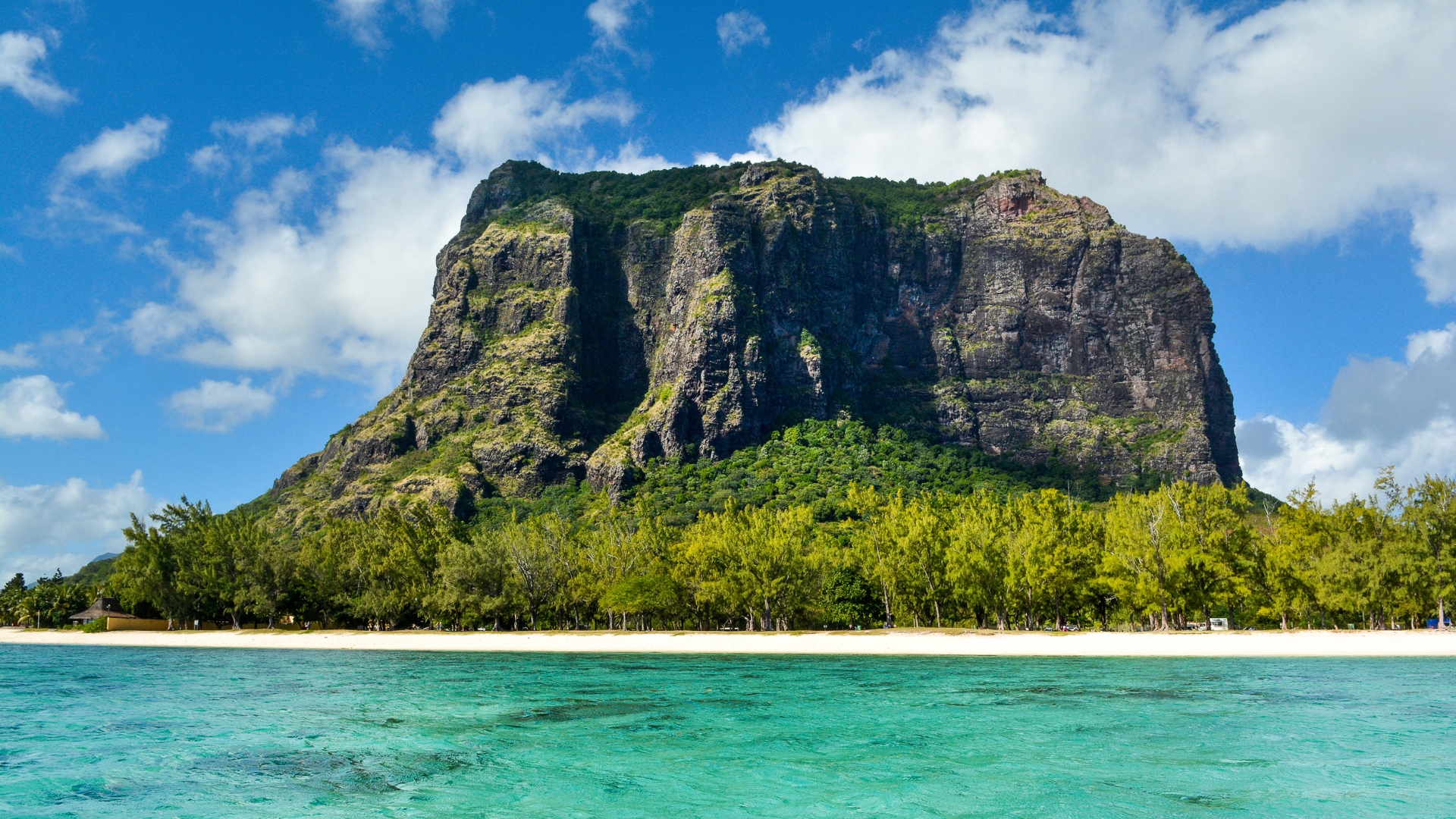
May is one of the best times to hike Le Morne Brabant, thanks to cooler temperatures and lower humidity as Mauritius transitions into its dry winter season. Conditions are far more comfortable than the hot, humid summer months, making the climb more enjoyable and less physically demanding.
The weather is typically stable, with clear skies and minimal rainfall, which means better visibility from the summit, one of the main rewards of the hike. From the top, you can take in panoramic views of the UNESCO-listed peninsula, the surrounding reefs, and the striking contrast between deep ocean blues and shallow lagoon turquoise.
Another advantage of hiking in May is the reduced wind on the west coast, where Le Morne is located. This creates safer and more pleasant conditions, especially for the final, steeper section of the climb which often requires some light scrambling.
Overall, May offers the ideal balance: comfortable hiking weather, clearer views, and a quieter, more peaceful experience on one of Mauritius’ most iconic natural landmarks.
While you're there, spend the time at the Charmarel Seven coloured Earths and ask us about seeing the underwater waterfall.
The start of the best weather period of the year with lower humidity, clear skies, and excellent beach conditions.
May falls at the tail end of Zanzibar’s long rainy season, so it’s a transitional month. Temperatures remain warm, averaging 25°C to 30°C, with high humidity, some heavy showers and rough seas.
May is one of the best months to pair islands with mainland Africa. Try Serengeti National Park or Kruger National Park. You get excellent safari conditions and near-perfect island weather.
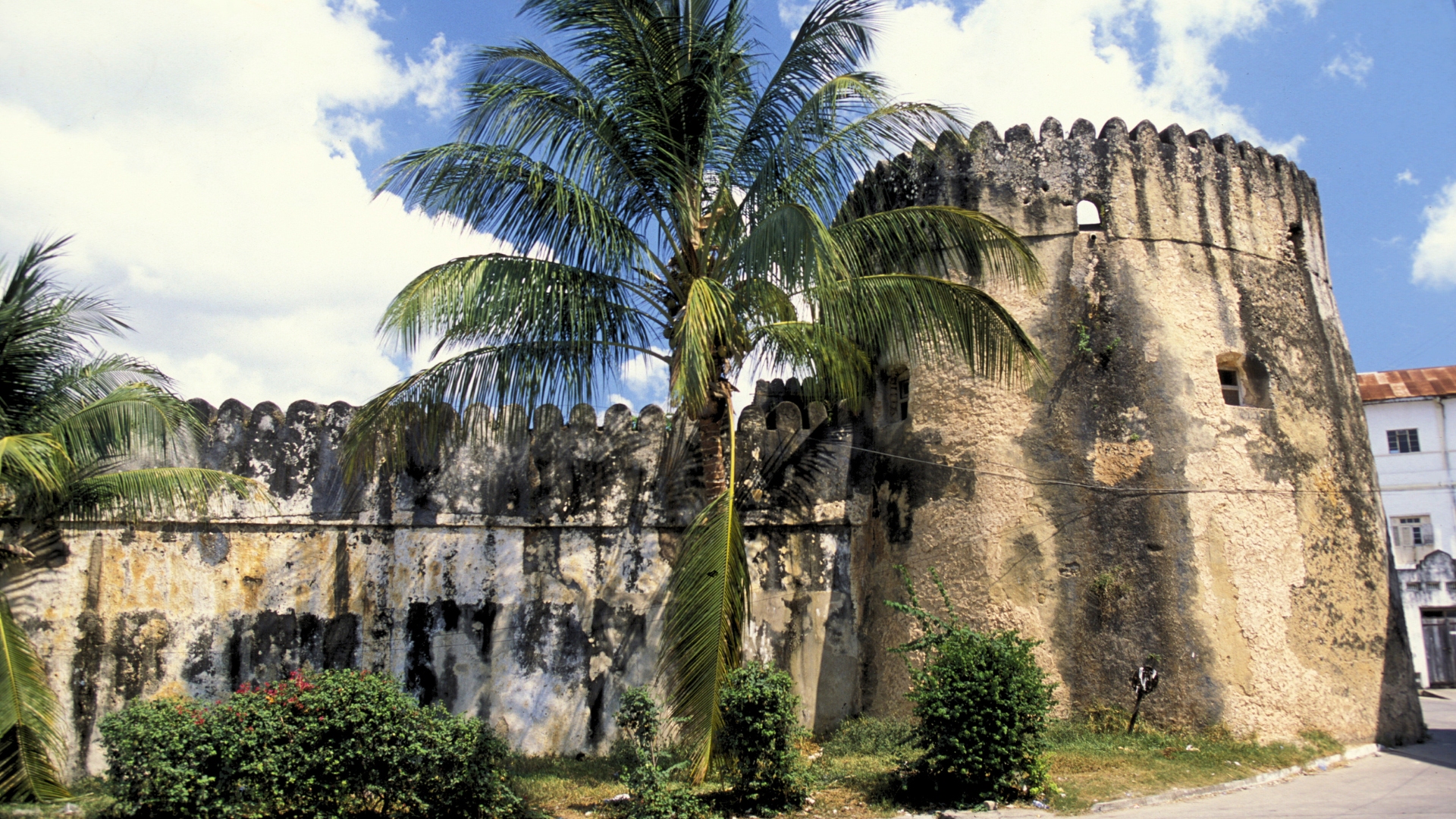
May offers a quieter, more atmospheric time to explore Stone Town, as it falls at the tail end of the rainy season. While occasional showers can still occur, they are often short-lived and bring a freshness to the air, making walking through the narrow streets more comfortable than in the hotter, peak-season months.
With fewer tourists around, you can experience Stone Town in a more authentic and unhurried way. This is the perfect time to wander its maze-like alleys, visit historic buildings, and interact with local traders in the markets without the usual crowds.
The softer light and occasional dramatic skies also make May a beautiful time for photography, adding depth and mood to the town’s unique architecture. Between exploring, you can pause in shaded courtyards or seafront cafés, soaking in the blend of African, Arab, and European influences that define this UNESCO World Heritage Site.
In May, showers often come in short, heavy bursts, use this to your advantage by exploring Stone Town or doing spice tours in the morning, then keeping your afternoons flexible for relaxed beach time, spa treatments, or long lunches overlooking the ocean.
May is a quiet powerhouse month in the Indian Ocean. It doesn’t have the hype of peak season, but that’s exactly its advantage. You’ll find warm, stable weather, thriving marine life, and a more relaxed, authentic island atmosphere.
