Planning a first-time safari can leave you feeling overwhelmed; there are just so many questions! East Africa or Southern Africa – what’s the difference? How much should I be spending? How long should I go for? And when?
Start with this: Dream Big, but Plan Realistically. Your dates, budget and desired comfort level will shape your safari more than your wish list. Now let’s answer all those questions you might have.

Both East Africa and Southern Africa offer excellent safaris but the two regions are seldom combined – it’s usually one or the other.
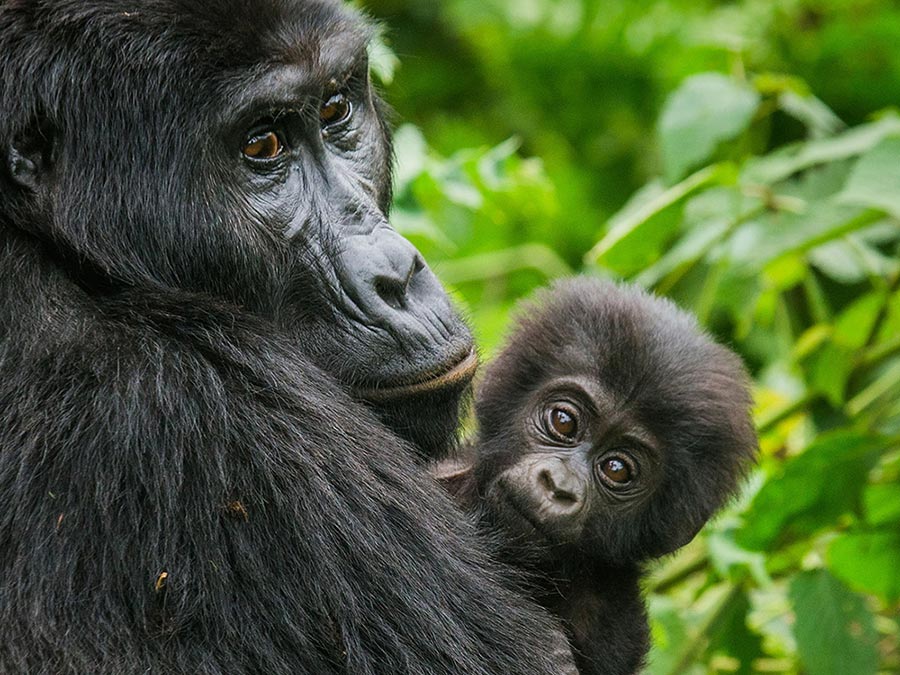
Comprises the classic safari destinations Tanzania and Kenya, famous for the wildebeest migration and Big Five safaris as well as Uganda and Rwanda for gorilla trekking. Add on Zanzibar.
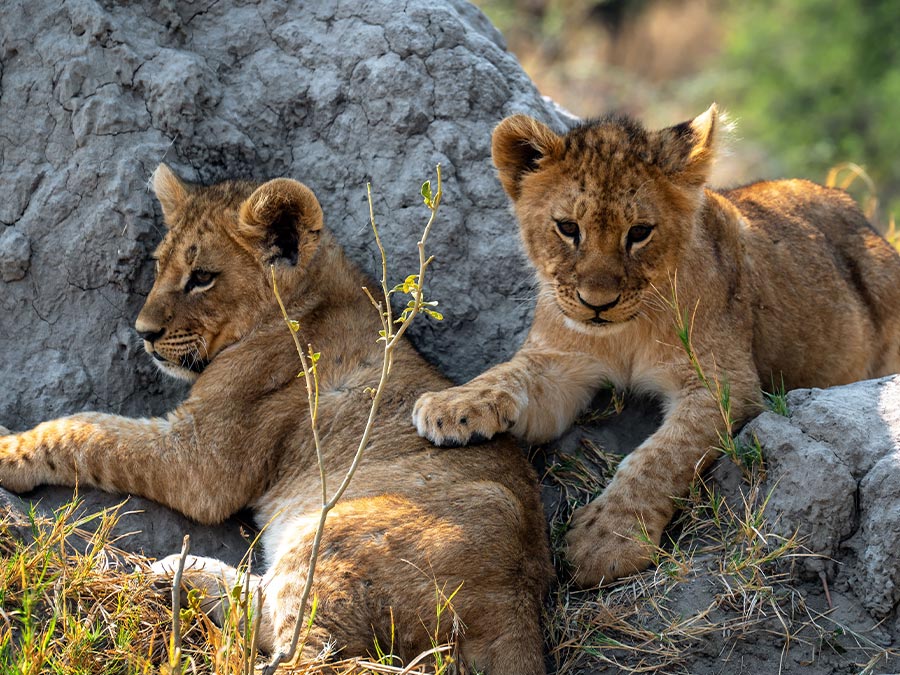
Botswana and South Africa, known for their abundant wildlife and Big Five plus Namibia, Victoria Falls, and South Africa’s malaria-free Eastern Cape. Add on Cape Town.
Open a conversation with a safari expert. There are many parameters at play here – your budget, your expectations, how many people and how many days you have available – it’s best to ask an expert. Contact our experts at Safari Online.
Wildlife events (migrations, birding, breeding) are seasonally dictated as are your comfort levels (tolerance for heat/cold/rain) and the price of safari accommodation options.

First-choice for a first-time visitor, a Dry Season safari delivers the best and easiest wildlife watching in the most comfortable conditions. East Africa has two dry seasons, Southern Africa has one, half of which is cool and dry, the other hot and dry. Most of the Dry Season is also Peak Season – expect the highest prices and most other visitors.
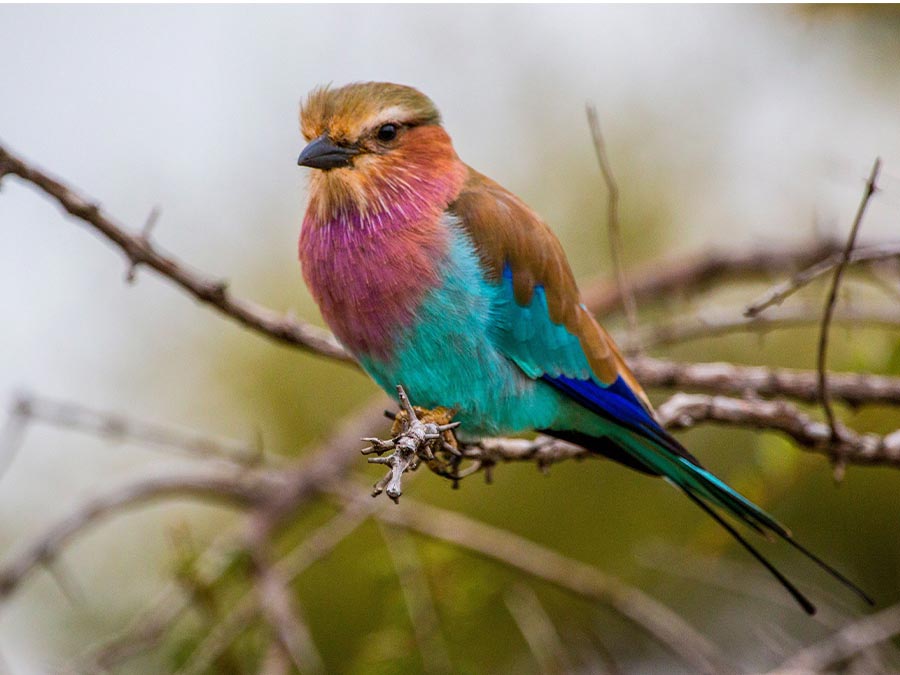
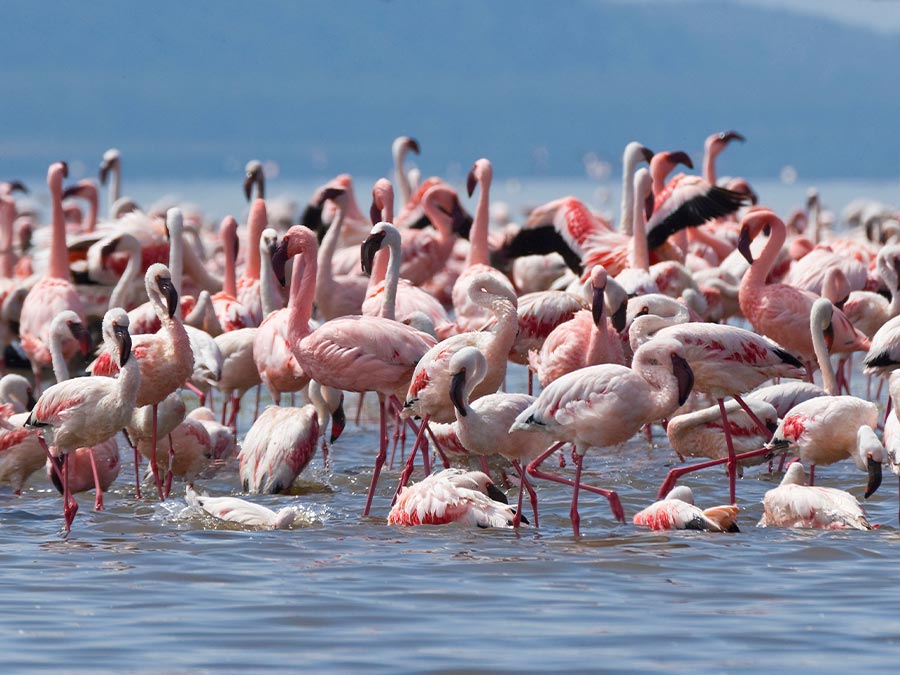
Synonymous with rain, the Wet or Green Season is made more affordable with pay-stay deals (pay for 3 nights, stay for 4) and reduced nightly rates; there’ll be fewer other visitors plus better light for photography, but generally poorer wildlife viewing as animals are dispersed and vegetation is dense. Wet Season safaris are best for birding.
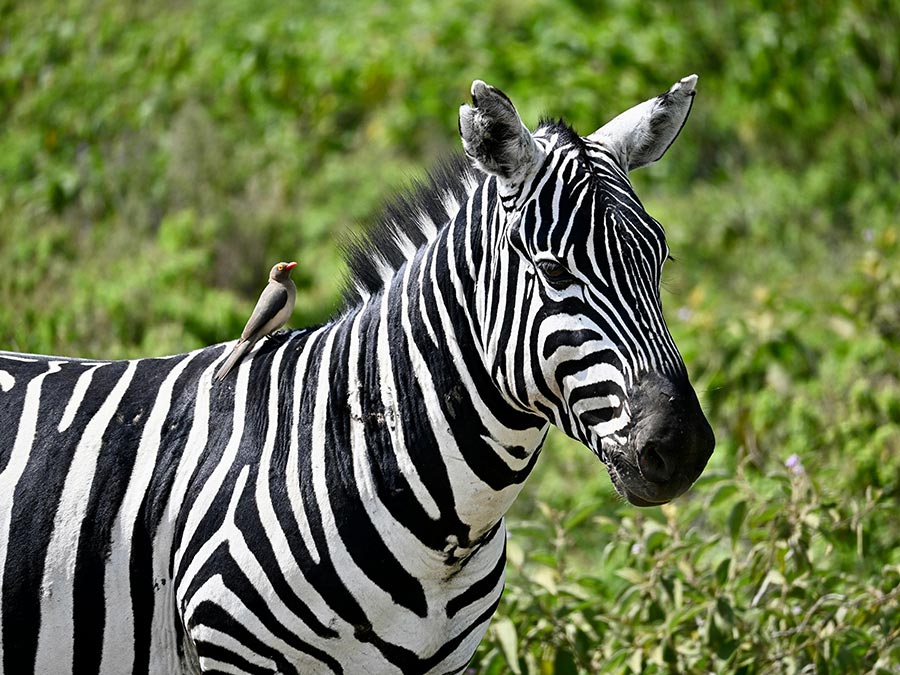
Now you have the option of a safari between wet and dry seasons, a time of the year without the more extreme climatic conditions (temperature or rain) and with several opportunities for reduced accommodation rates; it’s also a dramatic time for animals as they pass from one season to another.
Start planning for peak season safaris, major wildlife events and top private reserves. This lead time gives you the best chance of securing your preferred accommodation and travel dates, particularly for families or groups of more than four. Research appropriate destinations, establish a realistic budget, and start conversations with safari specialists.
The serious itinerary planning and decision-making begins. This is the time to secure first-choice lodges and preferred room types, especially for dry/peak season bookings. Shoulder-season travel can also book up quickly, often faster than expected – get it done now.
If you are flexible on dates or lodge selection, then it’s often still possible to design a great safari — though availability will be limited and alternatives may be required. Don’t leave it this long for peak season wildebeest migration or gorilla trekking.
Now your options become increasingly restricted, particularly in high-demand destinations. While space can sometimes be found, flexibility is key and you may have to adjust your expectations of where you can go. Get in touch as soon as possible so we can explore what’s still available.
Considered last-minute for safari travel. Options are extremely limited and dependent on cancellations or unexpected availability. While it’s possible to put something together, you’ll need flexibility on destination, precise dates and accommodation. But it can be done – contact us!
We divide our safaris into three types based on price: mid-range, luxury and deluxe. It’s not so much reflective on wildlife experience (all three types may be located in the same area) but more the standard of comfort, cuisine and service at the accommodation.
Comfortable tented camps & safari lodges, full board with activities
(Luxurious fly-in accommodation, fine food, private guides, prime locations
Premium fly-in lodges, private guides, excellent cuisine, exclusive locations
East Africa and Botswana are generally more expensive with fewer mid-range accommodations; Namibia and South Africa offer more budget-friendly options, including self-drive safaris as well as many luxury and deluxe accommodations.
Peak/Dry Season is obviously the most expensive time of year; Low or Green seasons (synonymous with rain) offers considerable discounts while Shoulder Seasons also give you some flexibility on costs.
odges inside national parks cost more than those outside but the wildlife experience can be better: there is usually an ‘in-house’ waterhole for easy animal viewing. Accommodation located outside the parks may be cheaper but you could have a longer drive to start your activities, and you will still pay entry fees.
Most packages cover accommodation, food and safari activities but national park fees (ranging from $60 – $200 per day) and charter flights might be separate. Double-check your activities too: game drives and boat trips will be included but helicopter flights or safari sleepouts won’t.
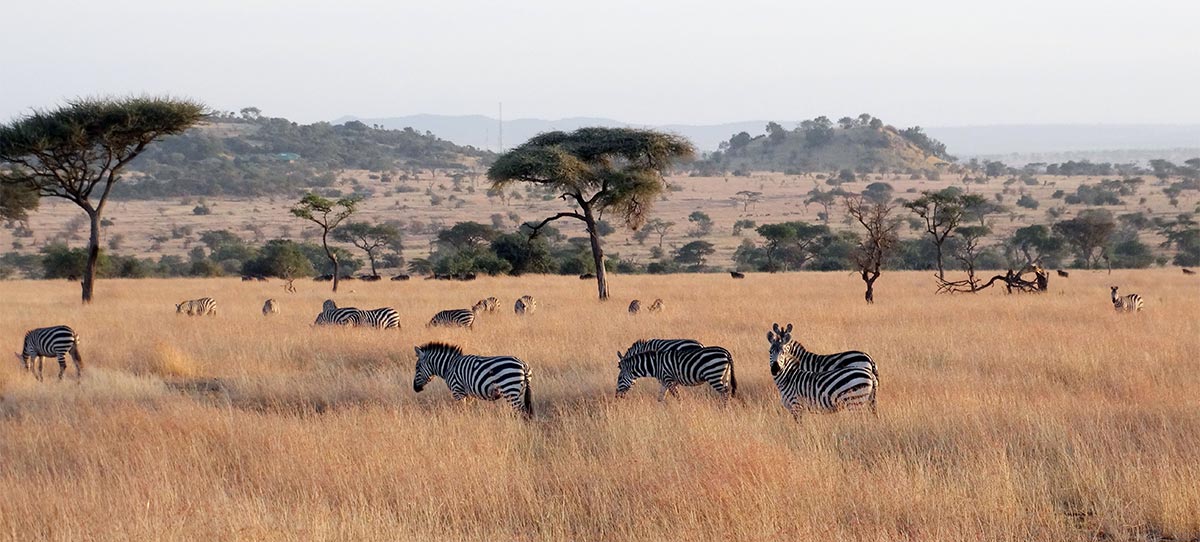
Factor in the days you will need before and after your safari for international travel; if you arrive in a travel hub like Johannesburg, Arusha or Nairobi after lunchtime, you may have to spend a night in the city before a morning flight/transfer to your safari destination.
How many nights per lodge work best for you? There’s price to think of but – while it’s often personality dependant – we’ve found that travellers under 40 often enjoy 2-night stays where the over 40’s prefer the more settled 3-night approach.
Shorter stays – one or two nights – give you more time at other places but being on safari also means pre-dawn wake-ups and bumpy roads. It’s worth slowing down and taking your time over an area – perhaps get some downtime: book the spa treatment, have a lie-in – it’s about getting the balance right.
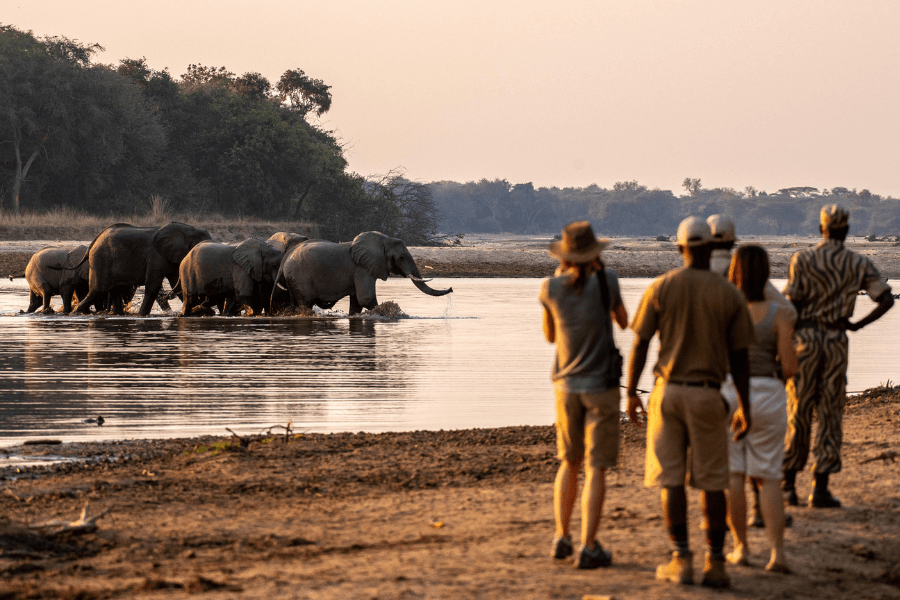
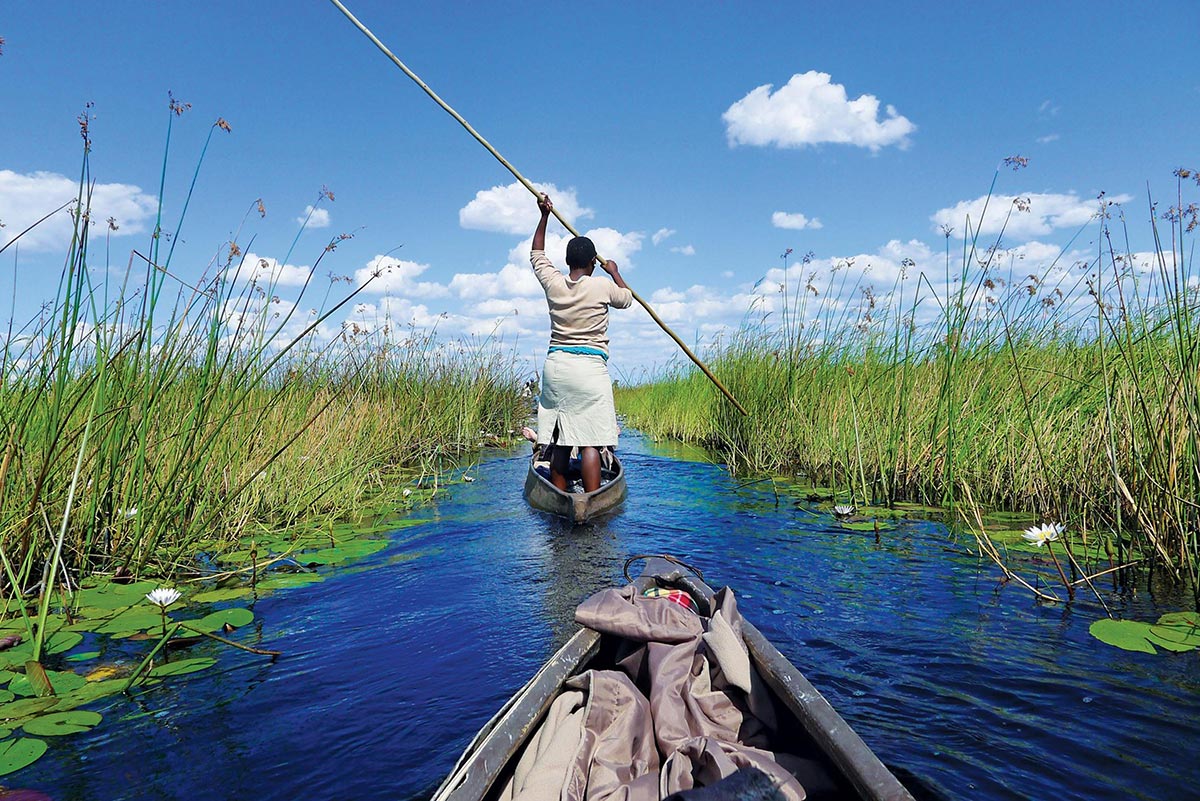
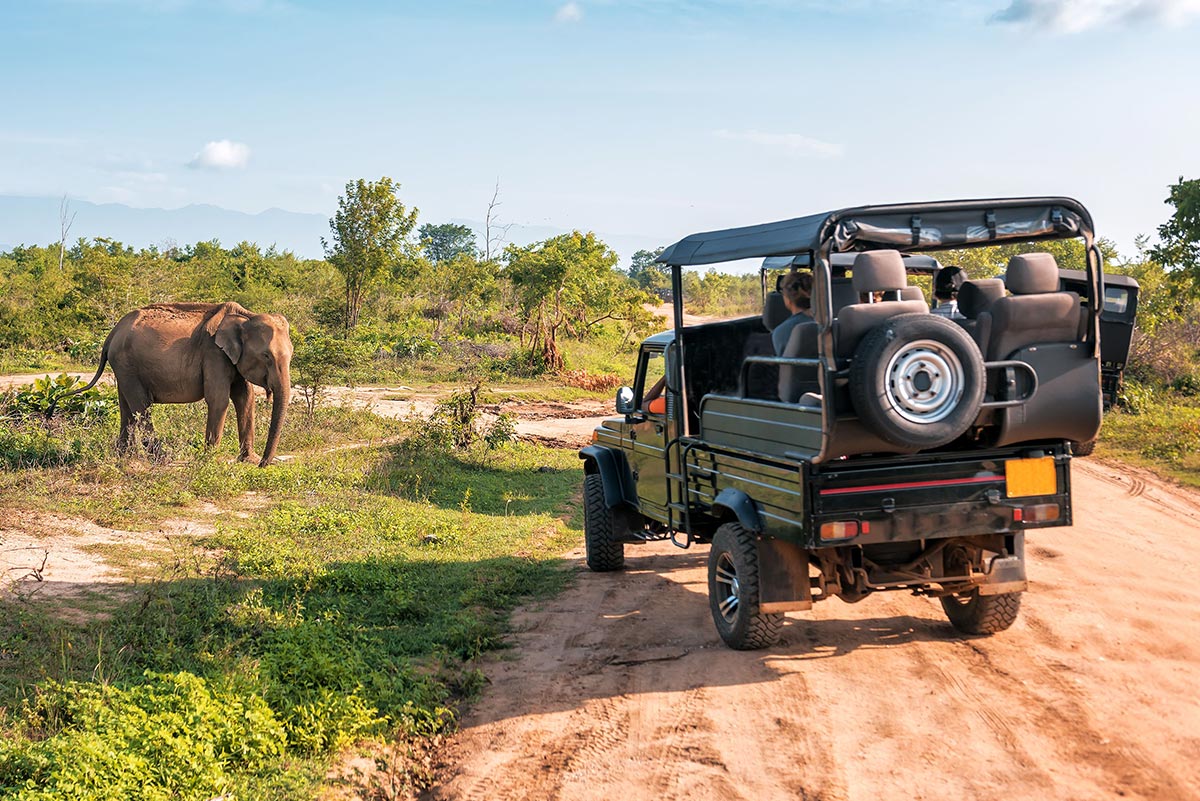
Nearly all safari camps and lodges offer morning and afternoon guided drives as the two main daily activities – built into the price of your stay. The exceptions would be camps in water-based locations with wildlife viewing by motor boat, canoe and on foot.
Guided walks, boat/canoe excursions, night-drives, fishing, hot-air balloon and horseback safaris may also be offered, some of which you can fit in between morning and afternoon drives, while others would replace the drive. Check if they are included in the accommodation rate or not.
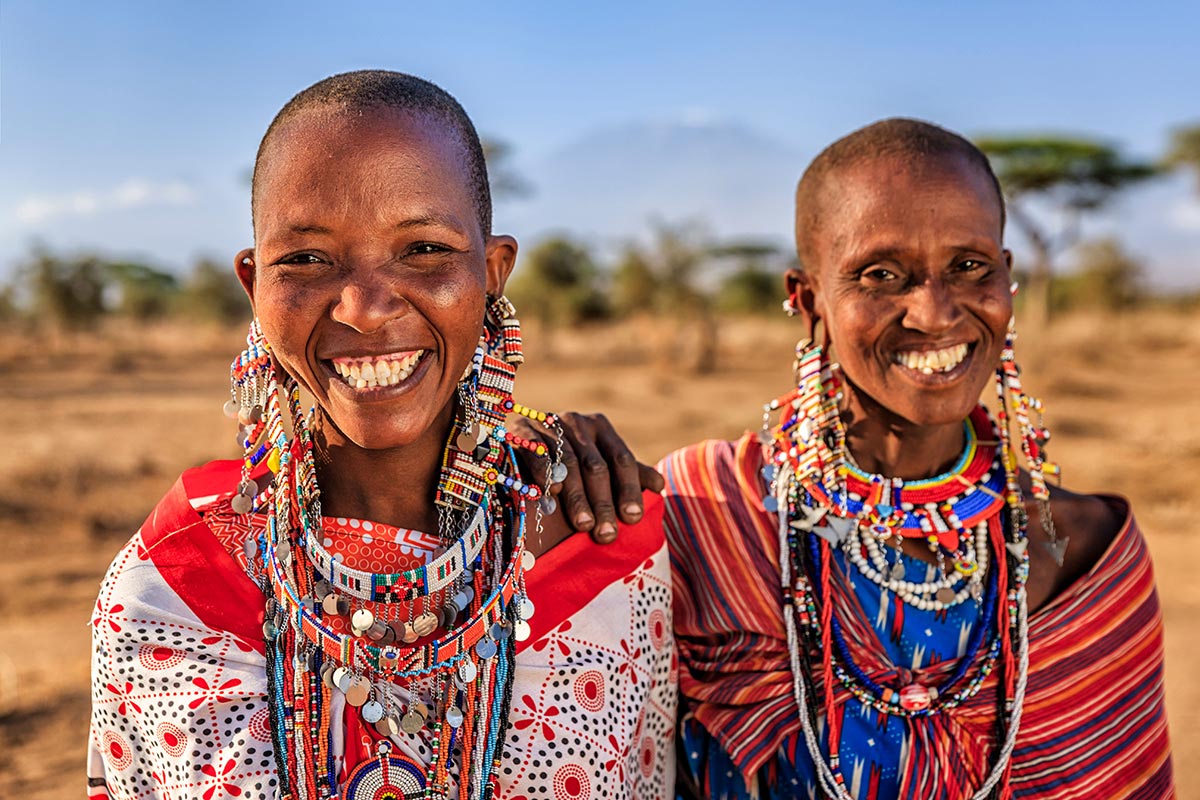
Visiting local communities or conservation projects is often part of an African safari; it is always optional but making time for local culture offers a new dimension to your experience and helps solidify the bond between indigenous communities and the landscape they live in.
Lodges in Botswana, South Africa and Kenya are particularly good for families travelling with children and teenagers – many have double-room accommodation and age-appropriate facilities plus kids’ menus, activity clubs and even baby-sitters.
Vehicle-based and fully guided, this is the classic safari that allows access to more remote wilderness areas and delivers a true, immersive experience. You sleep under canvas in a serviced camp that travels with you, complete with kitchen, dining facilities, hot water showers and a flush toilet. Very much vehicle-based and recommended for dry season only.
Staying at a brick-and-mortar lodge or a permanent tented camp raises the price but offers dependable comfort and excellent guiding from a well-appointed base. You’ll be driven to some of these lodges, or perhaps transfer there by boat or light plane, and will enjoy a range of different land and water safari activities.
Cut out the road transfers and travel between camps by light aircraft to maximise time on safari. It’s a more expensive option but rewards you with spectacular aerial views and much-reduced travelling time between lodges. With a wide range of accommodation available, fly-in safaris have a number of different price points.
In practical terms applicable only to Namibia and South Africa, a rental car allows you to explore national parks and reserves at your own pace. It is an ideal choice for experienced travellers who prefer independence and flexibility but still want to visit the classic destinations and enjoy appropriate accommodation.
Designed for multi-generational travel, family safaris deliver child-friendly activities, flexible schedules, and guides trained to engage younger guests. Accommodation may be in double rooms or a private cottage and you can even book out an entire camp with staff and private guides – families are more than welcome in Africa.
Tailored for photographers whether amateur or professional, these safaris feature specialised vehicles, expert photographic guides and extended time at sightings for the perfect shot. Back at camp you have media facilities to help you go through the day’s images as well as power points to recharge batteries and devices.
Most camps and lodges are set in wonderful locations and have a honeymoon suite available with all the romantic touches you’d expect – and more. Newly-weds qualify for 50% discount at some accommodation – add on a beach holiday afterwards for the complete experience.
Refers to tented accommodation, ranging from mobile operations (rustic comfort at a non-permanent camp) to palatial tented suites with air conditioning and a private pool. Tented suites at permanent safari camps come with their own bathroom and are often shaded with thatching.
Typically timber or stone-built comprising individual cottages or suites and one or more communal buildings such as reception, lounge and dining room. Lodges are more likely to have a wooden viewing deck over a waterhole, a swimming pool and boutique shop. Popular destinations like Masai Mara or South Africa have the option of hotel-style accommodation – a good choice for a large group or family with children.
All accommodation provides you with a bedroom and appropriate amenities including hot water showers and a flush toilet; there’s always good food and guiding. But lodges tend to be more expensive than camps and the higher the price tag, the more luxurious your suite and in-house facilities – right up to professional spas, tennis courts and air-conditioned suites.
Luxury and deluxe lodges must justify their price tag and so are set in wildlife-rich areas of great beauty. But these areas are not the prerogative of top-end lodges: many mid-range tented camps are located in the best places within national parks and even private reserves and concessions, recommended for their exclusivity and wildlife.
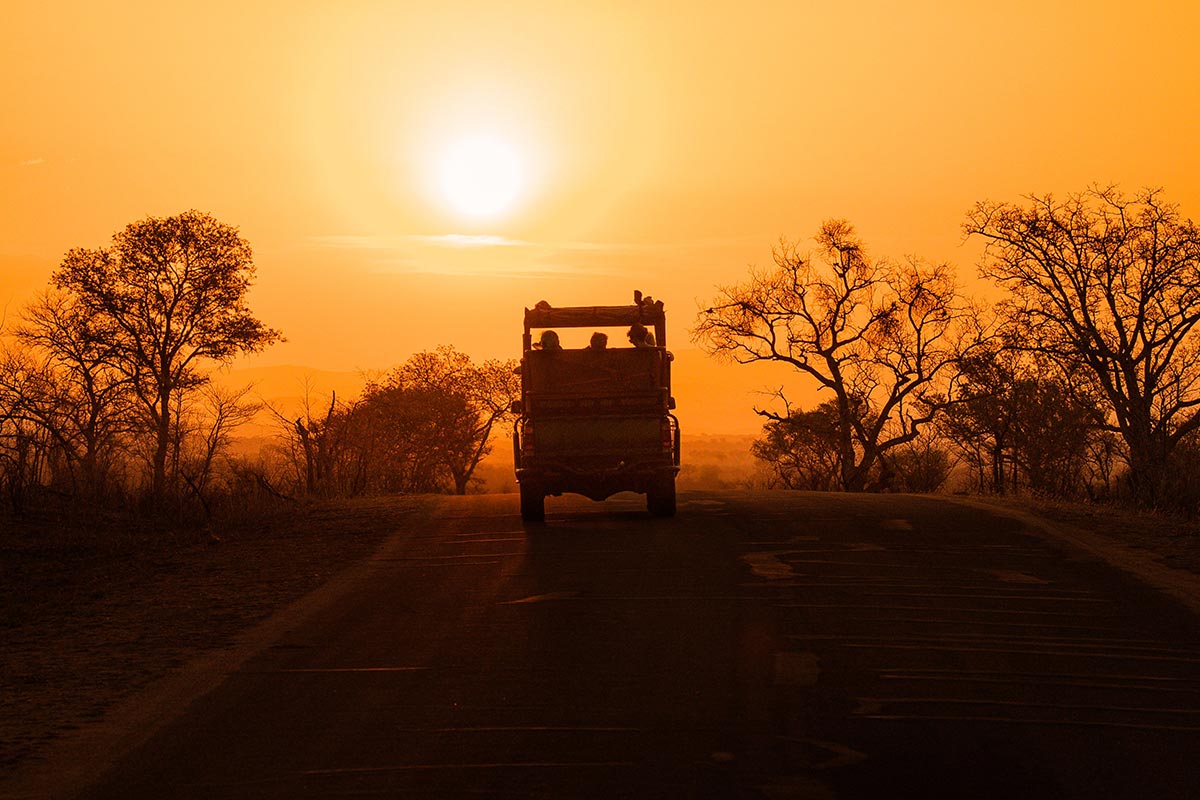
Expect a pre-dawn wake-up call; there will be hot water to wash in, tea, coffee and biscuits to get you going and then you are on a vehicle moving quietly into an awakening African wilderness. Early morning is one of the best times to catch animals on the move – especially predators – and by mid-morning when you stop for a breakfast break, you’ll have forgotten about the early start.
You’ll arrive back at camp after your morning activity for a big cooked breakfast or early lunch, and then you have a few hours to yourself. Now you have a few choices depending on your accommodation: take a siesta, lie by the pool, enjoy a spa treatment or continue the wildlife watching: stake out a photographic hide, go for a guided walk, take a boat out for a bit of fishing.
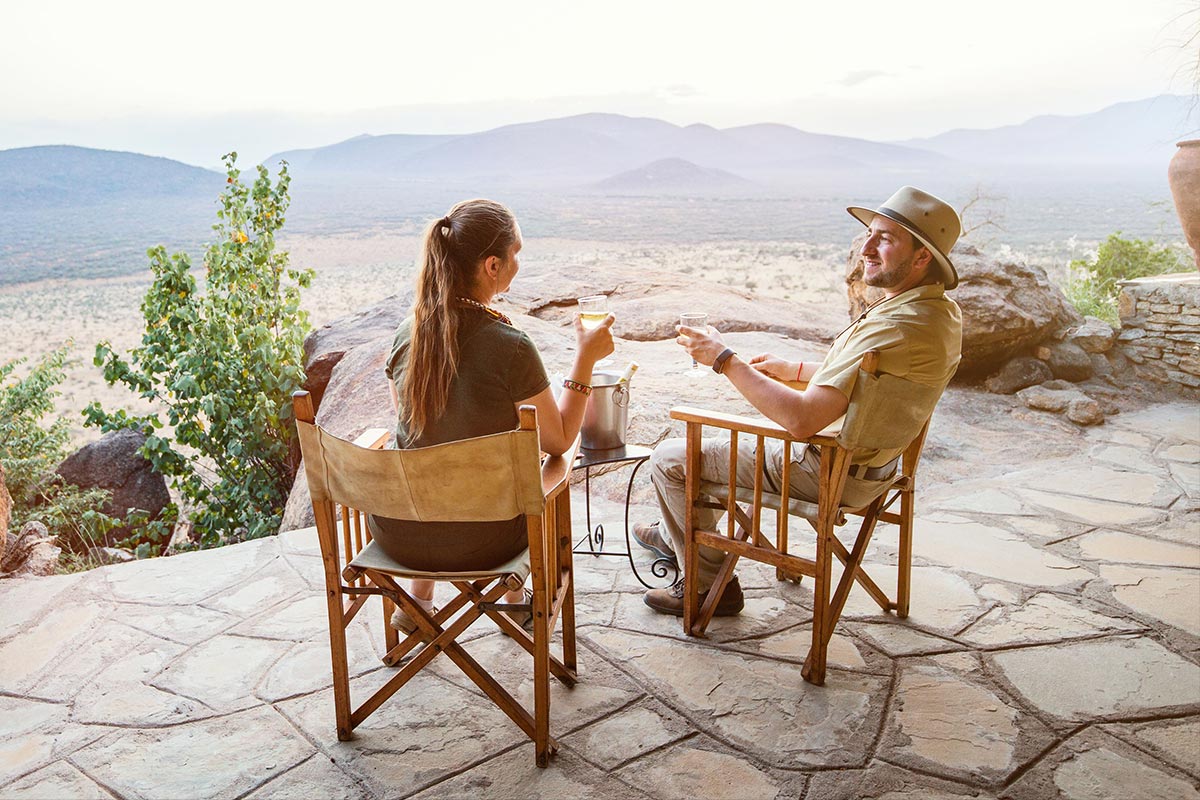
Time for your 2nd activity of the day: head out after high tea for more wildlife watching – sometimes on a different mode of transport than the morning. Guides ensure sunset at a scenic spot where you’ll enjoy sundowners (cold drinks) and snacks before the journey back to camp in the dusk, often with a spot light.
The day finishes with the grandest meal of the day – usually under the stars if weather permits – and the dinner conversation continues around the campfire. Lodges may offer longer night drives as part of their activities and those with especially good night skies will often have a ‘star show’ with a guide mapping out the cosmos for you.
Most destinations have a low risk which you can reduce further by taking appropriate prophylaxis and visiting in the cold dry season when the risk is very minimal. All safari accommodation will have a mosquito net to sleep under and most provide repellent in your room. Wear long sleeves and long pants both early morning and late afternoon.
Most destinations have a low risk which you can reduce further by taking appropriate prophylaxis and visiting in the cold dry season when the risk is very minimal. All safari accommodation will have a mosquito net to sleep under and most provide repellent in your room. Wear long sleeves and long pants both early morning and late afternoon.
Most destinations have a low risk which you can reduce further by taking appropriate prophylaxis and visiting in the cold dry season when the risk is very minimal. All safari accommodation will have a mosquito net to sleep under and most provide repellent in your room. Wear long sleeves and long pants both early morning and late afternoon.
Most destinations have a low risk which you can reduce further by taking appropriate prophylaxis and visiting in the cold dry season when the risk is very minimal. All safari accommodation will have a mosquito net to sleep under and most provide repellent in your room. Wear long sleeves and long pants both early morning and late afternoon.
Many safari accommodations do not have a fence around them and wildlife does wander through the grounds – usually at night. You’ll be escorted to and from your tent if required, and it should be pointed out that these camps are not ideal for families with young children.
The key to clothing on safari is layers: choose neutral, earthy colours (greens, khaki, browns) and avoid white which attracts insects. Most travellers prefer long pants/trousers to shorts, and a strong pair of shoes or boots. Pack a sunhat, sunglasses and comfortable shoes; bring a warm jacket and woollen hat in June or July – it’ll be colder than you think.
A pair of binoculars is still the first thing to pack, followed by your camera/phone. Bring charging cables as your safari accommodation will have battery charging stations, either in your room or at the main camp. Some accommodation will have Wi-Fi connectivity; others not; most lodges will provide a hair dryer.
You’ll have most of what you need in your suite – bath towels, insect repellent, soap and shampoo - but bring your personal requirements and medications. Nearly all safari lodges and camps will offer a laundry service (often same-day) but many will not wash underwear due to cultural sensitivities – pack an extra pair!
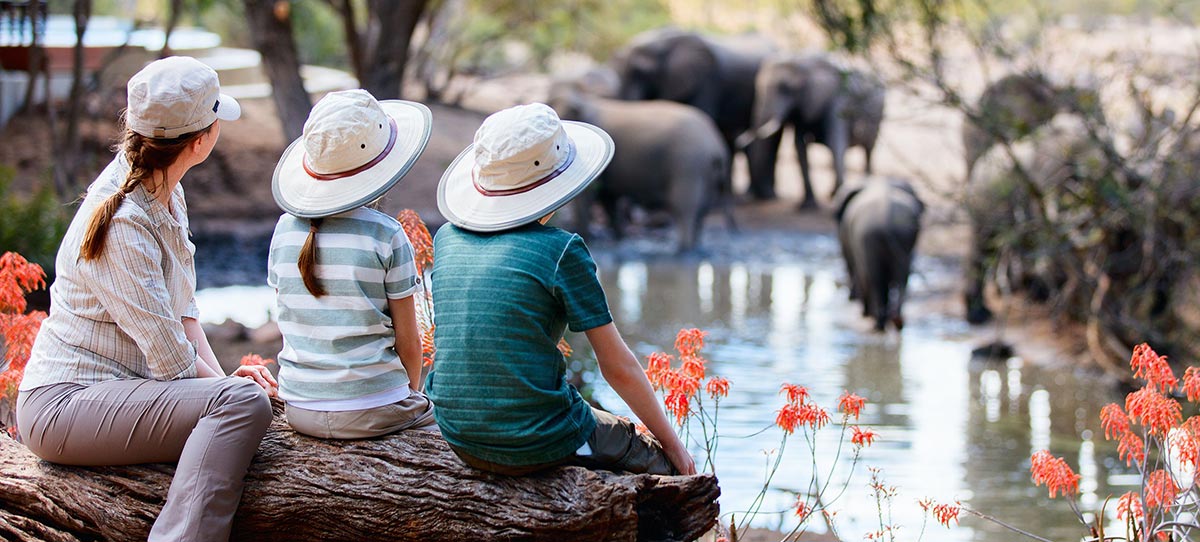
Delivering wildlife viewing, authentic accommodation and great guiding from start to finish, our packages come complete with accommodation and local transfers and span both East and Southern Africa – you can even add on Cape Town or an Indian Ocean beach.
Ready to plan your first safari? Whether you’re looking for a classic African safari or a unique, off-the-beaten-path experience, these popular picks from Safari Online offer something for every traveler. Find your inspiration and get in touch to plan a safari that is uniquely yours.
We are a 20-year established online safari company run by locals in South Africa. We live here, grew up here and travel the continent throughout the year, going on tours, meeting operators and checking accommodations to ensure we have the best experiences on offer.
Based in Africa, we have our finger on its pulse and we operate on the same time zone as our African partners. We are available not just during the booking process but during your safari in Africa too – if you need us, we are one call away.
We make every effort to be as competitive as possible and negotiate discounted rates from our safari operators – you really will get the best price possible with us. Let’s Plan Your First Safari.
We are a family of passionate individuals who love Africa – its people, wildlife and natural landscapes – and are based in Cape Town which makes planning an African Safari Holiday easy for us. We have local, up-to-date knowledge, the right contacts and same-time replies.

Tanja is an avid trail runner, adventurer, and travel expert with almost two decades of experience in the industry. She has explored destinations across the globe, yet her heart always returns to Africa. Its beauty, wildness, and wonder remain her first love.

As divers, Tash and her family travelled to many sand & salt destinations. With over a decade of working experience in the travel industry spanning retail, wholesale; reservations, and management, Tash has a forever growing love for travel.

Lindsey developed a curiosity for travel working in the travel industry. Her passion is to create memorable experiences for travellers to Southern Africa, and for them to love it as much as she does.

African Safari Specialist Ilona graduated in Travel and Tourism in 1995 and credits her love of travel to her dad who made sure they travelled the length and breadth of South Africa as a family when she was growing up.

After having completed her studies in hotel management, followed by a career in aviation, African Travel Specialist Vaneshree stepped into the tourism industry and joined Safari Online.

African Travel Specialist Kim started her career in the tourism industry in 1998 & has worked in many different sectors of the business; she’s also travelled to many of Africa’s prime destinations.

African Travel Specialist Sabrina graduated in tourism in her native Italy & hasn’t stopped exploring Africa’s top destinations since! Her favourite? Zambia’s South Luangwa National Park.

After enjoying an extensive career as a Southern Africa safari guide, Walter combined his lifelong love of nature with a Business Administration degree to establish Safari Online in 2005.

Handling the company’s admin & accounting, German-born Melanie has lived in Africa since the early 2000s & has travelled extensively throughout Southern Africa.

African Safari Specialist Karina has been in tourism since she graduated in the subject & has a deep love for African wildlife – no wonder she lists Botswana as her favourite destination.