Africa in July is mild and dry with a very low malaria risk: it’s perfect for a safari filled with excellent game viewing and other safari experiences – find out where to go with Safari Online’s July Africa travel recommendations.
July and it’s mid-winter in Africa but this is a season of sunny blue skies and mild, dry weather – a great month for the classic safari destinations in both Southern and East Africa. And since it is an African ‘winter’, the weather is still warm and sunny on the tropical Indian Ocean coast: this is a great time for a ‘beach and bush’ holiday.
You won’t be the only one on safari of course; Juy is a popular time of year to travel to Africa, especially for families with children. Besides the agreeable climate, you’ll also enjoy the lowest malaria risk of the year and greatly improved wildlife viewing as animals gather in increasingly larger numbers at water. Indeed, several safari destinations are at their best in July: Botswana’s Okavango Delta is now fully flooded, for example, while in the Serengeti the wildebeest migration is at its dramatic ‘river-crossing’ phase.
What’s also important to realise is that although July is peak season across much of Africa, there’s still plenty of competition among tour operators and hotel groups for business; turn this to your advantage by using ‘pay-stay’ deals and long-stay packages, available throughout the month.
It’s the first high-season month: dry, sunny weather & excellent wildlife viewing without the hot temperatures of coming months.
You’ll be provided with a thick blanket on your morning drive – it’s properly cold at night – but warm enough during the day to read a book in the sun.
Discover Bangweulu wetlands, home to herds of antelope and an astonishing array of birds including the highly sought-after Shoebill Stork.
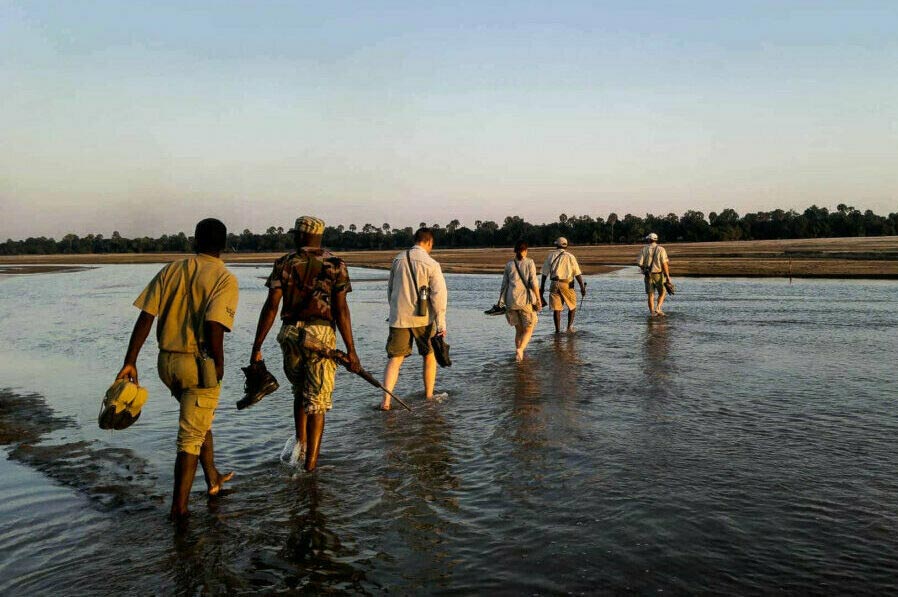
Two of Zambia’s best reserves, the Lower Zambezi and South Luangwa are both built around a river system making them excellent destinations for wildlife watching as the dry season grinds on.
The Lower Zambezi offers a diverse safari experience with 4X4 drives, walks and water activities available; the emphasis at Luangwa is on walking safaris, accompanied by some of the best guides in Africa. Both reserves are stacked with the heavyweights at this time of year – big herds of elephants, buffalo, giraffe and antelope with their predators too: big cats and hyenas. The rivers are drying up and revealing pods of snorting hippo and watchful crocodiles, and the landscapes are full of the smaller details – monkeys, warthogs, giant monitor lizards and an amazing range of birds.
Other Great months for the Lower Zambezi & South Luangwa: December & January for the Green Season; May, June & August for the mildest weather; September & October for the most wildlife at water.
Going on safari in high season can be expensive – ask us about special safari packages with low season rates.
There is still plenty of water going over Victoria Falls as Livingstone Island opens up again & the white-water rafting season begins.
Cool & dry weather: you’ll still get great views of water thundering over Victoria Falls. Best time for rafting & safaris. Low malaria risk.
Great time to visit Kafue, Zambia’s largest reserve & home to large populations of big animals; make sure you spend time in the Busanga wetlands.
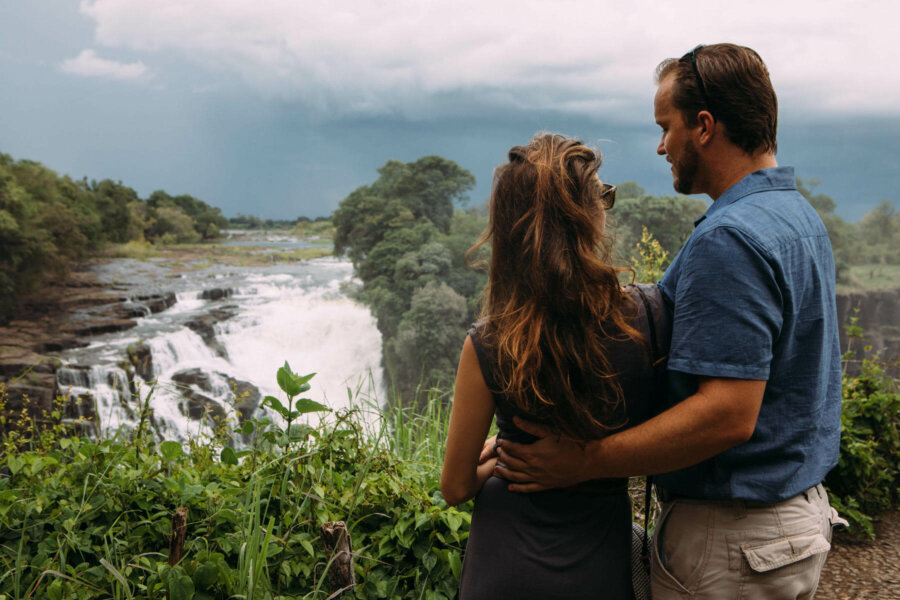
Victoria Falls in July and the level of the Zambezi River is dropping by the day, marking the start of peak season in Africa’s Adventure Capital. The views of Victoria Falls are still magnificent (and of course much easier to see now that the huge clouds of spray have disappeared) but the falling water level means it is safe to start accessing the river again, whether downstream on a white-water raft or upstream on a motorboat heading for Livingstone Island with a champagne picnic.
Victoria Falls is ‘shared’ between Zimbabwe and Zambia and you’ll need to choose which country to base yourself in although border crossings are generally quick and easy for visitors. There is a wide range of accommodation in both countries as well as activities that span the entire adrenalin range from bungee jumping and zip-lining to elephant-back safaris and rhino tracking.
Other Great months for Victoria Falls: March through June for Victoria Falls in full flow; August through October for dry weather, white-water rafting, Devil’s Pool & wildlife safaris.
Ask us about a special accommodation package featuring a ‘star bed’ & also take note that although Livingstone Island’s Angel’s Pool opens in July, the more infamous Devil’s Pool only opens in August.
Water levels are the highest of the year. Great time to explore this World Heritage Site – an unspoilt wonderland of wetlands – by canoe & motor boat.
Bring an extra layer of clothing and woollen hat – it is cold in the early morning but temperatures reach an average of 26°C/79°F during the day.
Take advantage of dry & mild weather for a Kalahari experience: the winter grasslands are home to predators – big cats, hyenas & wild dogs.
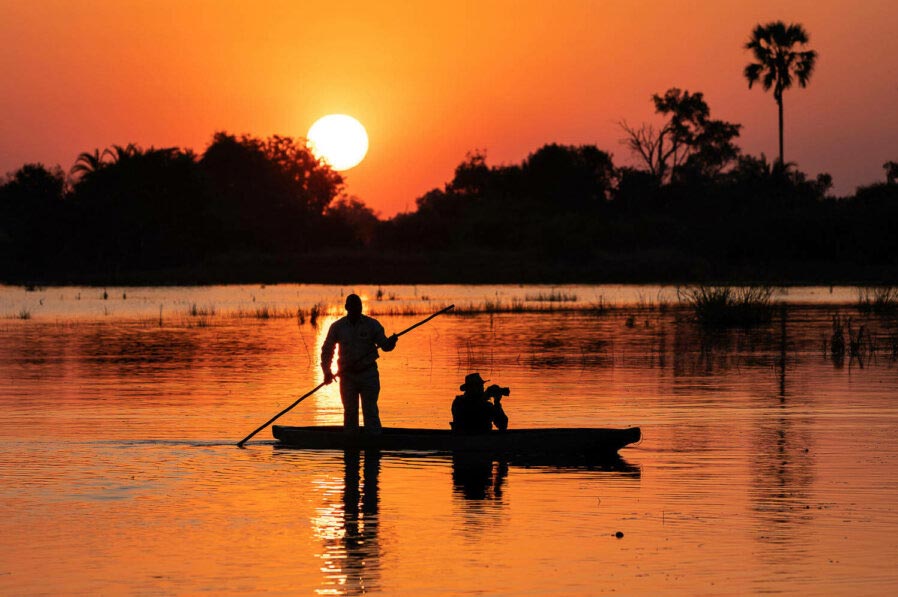
Fly over the Okavango Delta in July and you’ll soon see why it is such an important refuge for wildlife: sheets of shimmering water stretch to the horizon in every direction, studded with islands and flanked by green grasslands and forest. The world’s largest freshwater inland delta supports tens of thousands of animals and birds, and it is in July that they begin to need it the most. The rest of Botswana is drying up fast and herds of thirsty animals are trekking to the Okavango Delta to join the prolific resident wildlife in a big show of diversity. Such concentrations of animals naturally attract predators and this is a good time to look for big cats as well as African wild dogs in action.
We recommend a blend of activities from both a ‘deep delta’ water camp and a land-based lodge for the most rewarding wildlife watching.
Other Great months for the Okavango Delta & Moremi Reserve: May, June & August for mild, dry weather & the highest water levels; September & October are hot but very good for game viewing.
Botswana is among the more expensive safari destinations in Africa but there are still special packages available in July – ask us for the current deals.
The wildebeest herds start crossing crocodile-infested rivers as they return to the Masai Mara: it’s some of the most primal wildlife watching you’ll ever see.
Warm & sunny July, it’s the mildest & driest month of the year: cold at night & warm during the day with almost no chance of rain.
Great time for Zanzibar: there’s a long list of sports, activities and tours to enjoy and it’s one of the best months for diving.
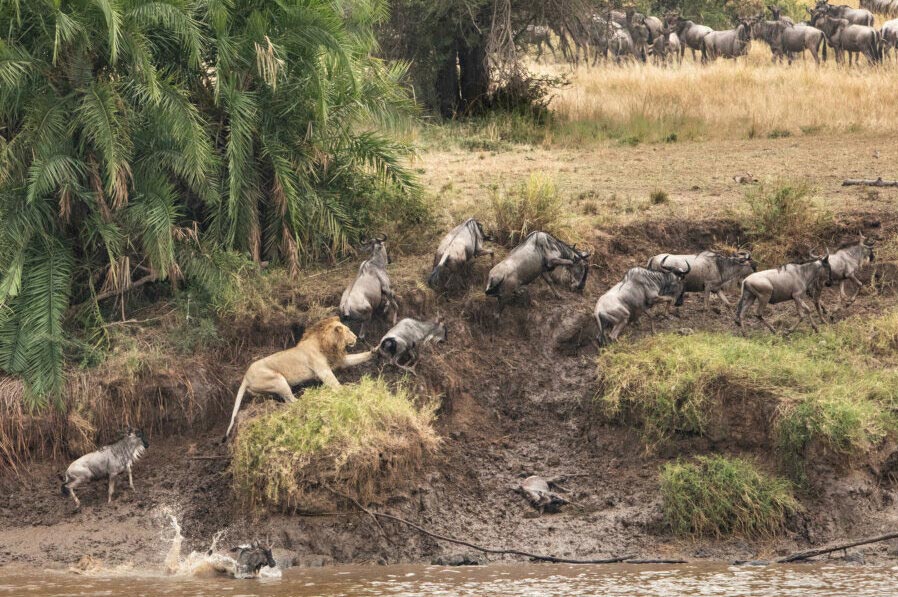
There’s a reason why the migrating wildebeest herds have paused at the muddy waters of the Serengeti’s Grumeti River in July. It is the first of a series of rivers that stand between them and the fresh grasslands of Masai Mara and – like the other rivers – the Grumeti is full of large Nile crocodiles that have been patiently waiting all year for this moment. When the wildebeest eventually start crossing the river the result is extremely dramatic wildlife watching, not least because Africa’s other big predators – lions, spotted hyenas and cheetahs – are also waiting to pick off the survivors.
You’ll see plenty of other animals too as well as iconic red-robed Maasai tribesmen and their communities; choose between hotel-type lodges, family camps and honeymoon hideaways – it’s all here.
Other Great months for Serengeti & Masai Mara: Both offer year-round game viewing; the wildebeest are mostly in the Serengeti from November to August but in the Masai Mara over September & October.
You’ll get good value with a long-stay rate & ‘bush-beach’ combo package – ask us about the current top deals.
Dry July is a great time to explore East Africa: put the Ngorongoro Crater on your itinerary for a Big 5 safari & enjoy some of the best views in Africa.
Peak game viewing month. Temperatures are mild and there is virtually no rain so much of the wildlife is concentrated near permanent water.
Serengeti but take advantage of the year’s driest conditions to explore the rest of Tanzania on chimpanzee trekking & big game safaris.
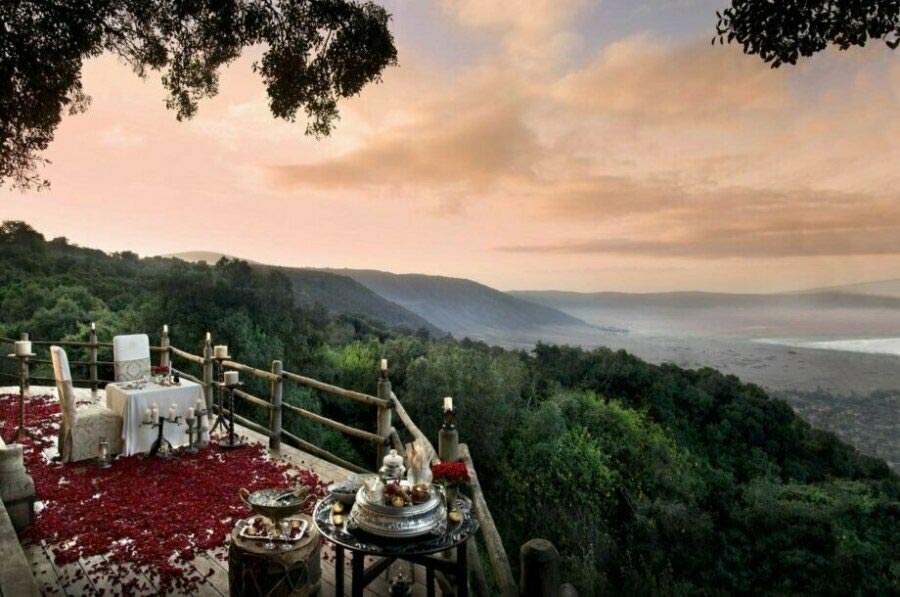
Safe within the steep walls of a sunken volcanic caldera, a microcosm of Africa’s savannah life thrives on the grasslands of the Ngorongoro Crater. It’s one of the easiest places to see the Big 5 (lion, elephant, buffalo, leopard and rhino) and there are other classic creatures there too from hippos and hyenas to warthogs and wildebeest.
It’s busy with other visitors in July – the weather is too good to miss – so we’d recommend staying at a lodge set on the rim of the crater; that way you will not only enjoy sensational views but you’ll be one of the first out on game drives and among the last to return, ensuring you get the most out of your visit.
Other Great months for Ngorongoro Crater: A year-round destination, Ngorongoro is driest & mildest – as well as busiest – in June, August & September; the December to February calving season is a good time for predators.
Most visitors just spend a night here but there’s good value with long-stay rates at Ngorongoro’s various accommodations.
Gorilla trekking is usually a wet and muddy experience so it’s no surprise that July’s dry weather makes this a popular time to visit.
It’s cold at night – the minimum average temperature is 11°C/52°F – but mild during the day at an average of 23°C/73°F; good walking weather.
Make the most of the dry weather & visit also Uganda or Rwanda; combine a big game safari with chimpanzee trekking for the most diverse experience.
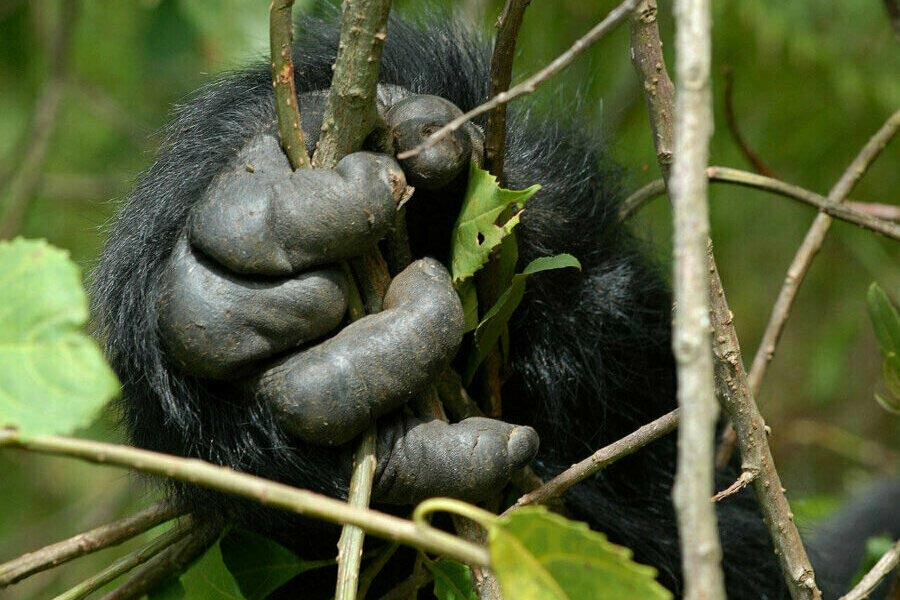
You’ll need to choose between trekking for gorillas in Rwanda or in Uganda; both offer the same experience and have the same daily success rate at finding gorillas (around 95%) but it is an experience that is generally easier and more comfortable (and more expensive) to do in Rwanda.
It is in Uganda that you will find more entry-level accommodation and a cheaper trekking permit as well as upmarket lodges. Other activities in the rainforest experience include nature walks, birding and cultural interactions with the local communities.
Other Great months for Gorilla Trekking: There are two distinct dry seasons: December, January & February as well as July, August & early September.
Gorilla trekking can be expensive; take advantage of June’s accommodation offers & ask us about value-for-money packages.
One of the best diving months of the year, warm & dry July is a great time to visit Zanzibar whether on honeymoon or with the family.
Mild at night & warm to hot during the day with a small chance of rain. Temperature of the ocean is a balmy 26°C/79°F – same as the air.
You’ll enjoy peak game viewing at Tarangire & the Ngorongoro Crater plus the Serengeti wildebeest migration at its dramatic river-crossing stage.
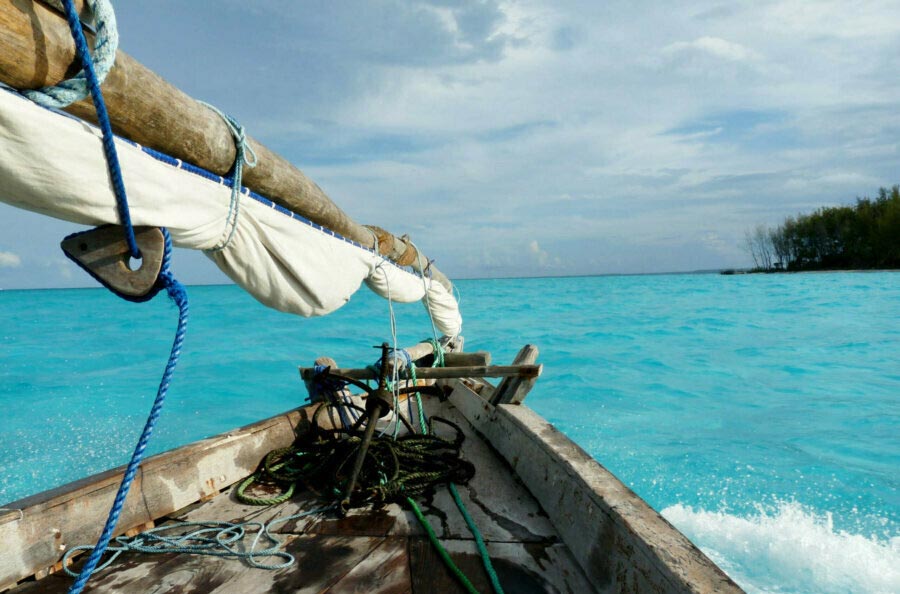
This is one of the best months for the ‘Spice Island’ if you plan to spend it mostly underwater; the diving is very good in July – visibility is up to 60 metres (180 feet) and humpback whales are passing by the island – but you can also laze around on white-sand beaches, take local tours or explore yourself by bicycle or motor scooter. Make sure you visit Stone Town, the historic capital of the island and a destination that will remind you of the different cultures that have melted together on the island – African, Asian and Middle-eastern.
Steeped in romance, this is an obvious choice for a honeymoon or special holiday but thanks to its welcoming atmosphere and gorgeous beaches, Zanzibar is equally good for families with children too.
Other Great months for Zanzibar: June through September for warm & dry weather; December through February for hotter weather with more chance of rain.
You’ll enjoy a long-stay rate plus discount at Matemwe Lodge, a classic Zanzibar hideaway on the quiet north-eastern coast – great for couples & scuba divers.
July is a great time to experience Africa’s diverse landscapes, abundant wildlife, and unforgettable adventures. From iconic game drives to hidden seasonal gems, our travel experts know how to build a safari that makes the most of this special time of year.
