Discover Akagera National Park, Rwanda’s only savannah sanctuary. Rolling grasslands, acacia woodlands, and sparkling lakes set the stage for Big Five safaris, boat trips on Lake Ihema, and rare birdwatching. A remarkable conservation success, Akagera blends thriving wildlife with community impact, offering eco-friendly lodges and unforgettable game drives. Experience Rwanda’s wild heart just a few hours from Kigali.
Located in eastern Rwanda along the border with Tanzania, Akagera National Park is the country’s only protected savannah ecosystem and one of Africa’s most inspiring conservation success stories. Covering more than 1,200 square kilometres, Akagera combines rolling grasslands, acacia woodlands, and sparkling lakes, offering a classic safari experience just a few hours’ drive from Kigali.
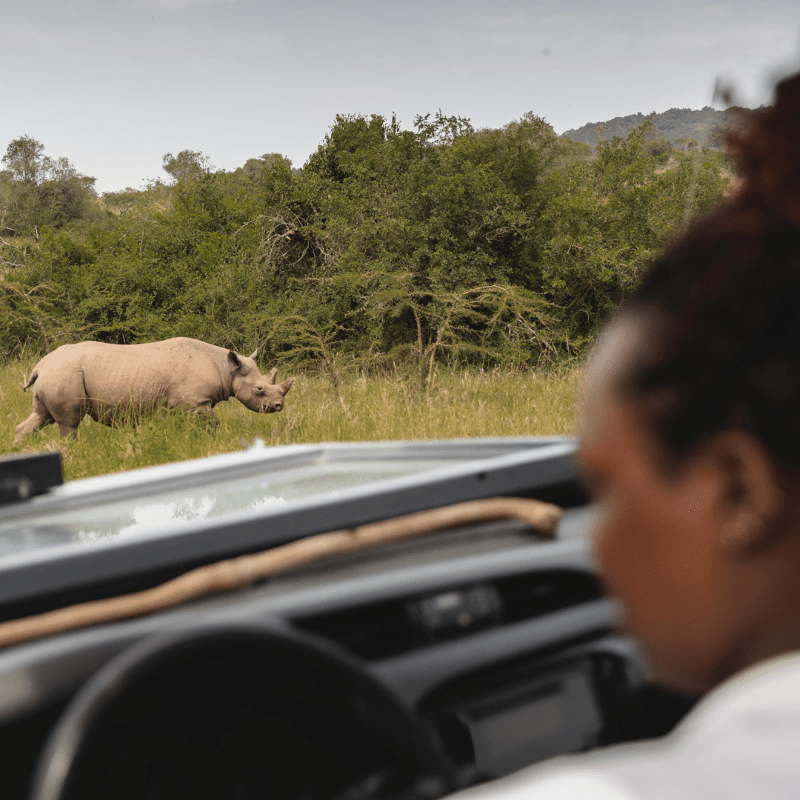
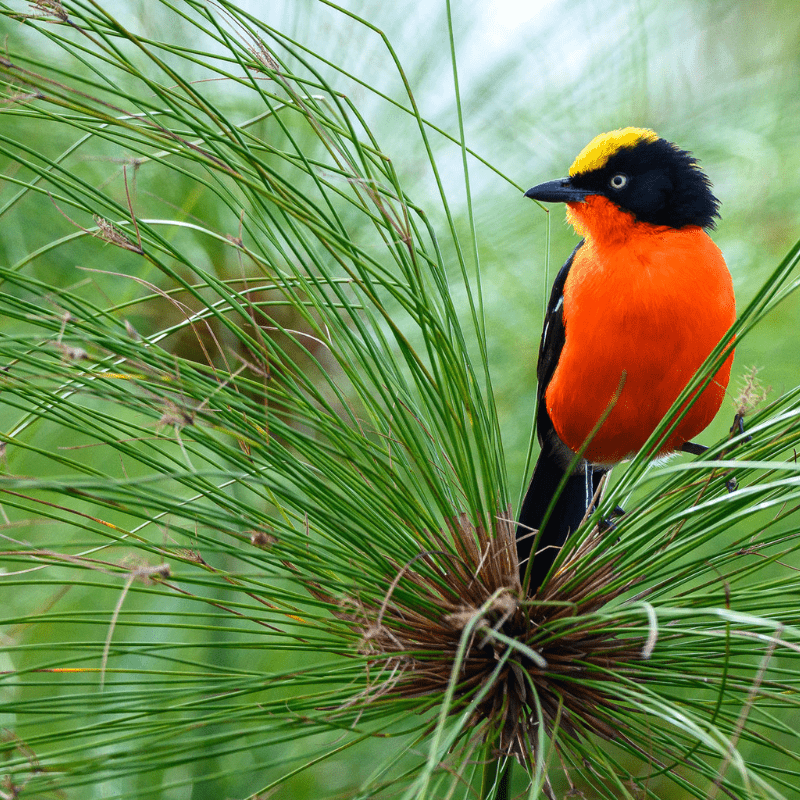
Once nearly lost to poaching and settlement, Akagera has been fully restored through a partnership between African Parks and the Rwanda Development Board. Today, it is home to thriving populations of the Big Five; lion, leopard, elephant, buffalo, and rhino, as well as giraffe, zebra, hippo, crocodile, and over 500 bird species, including the sought-after shoebill stork.
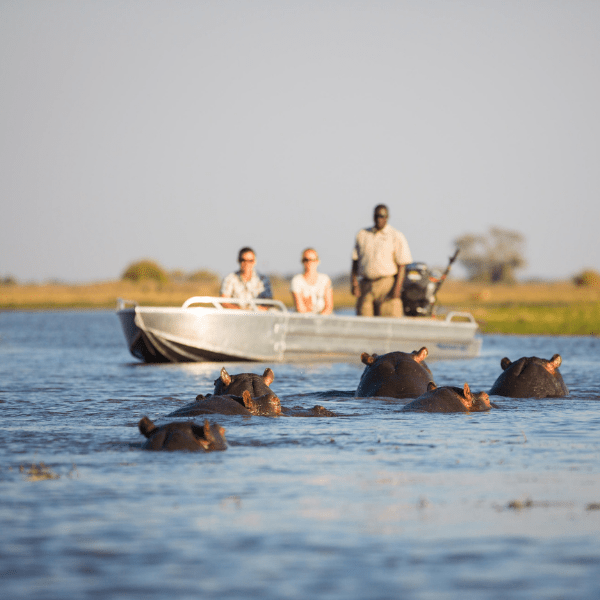
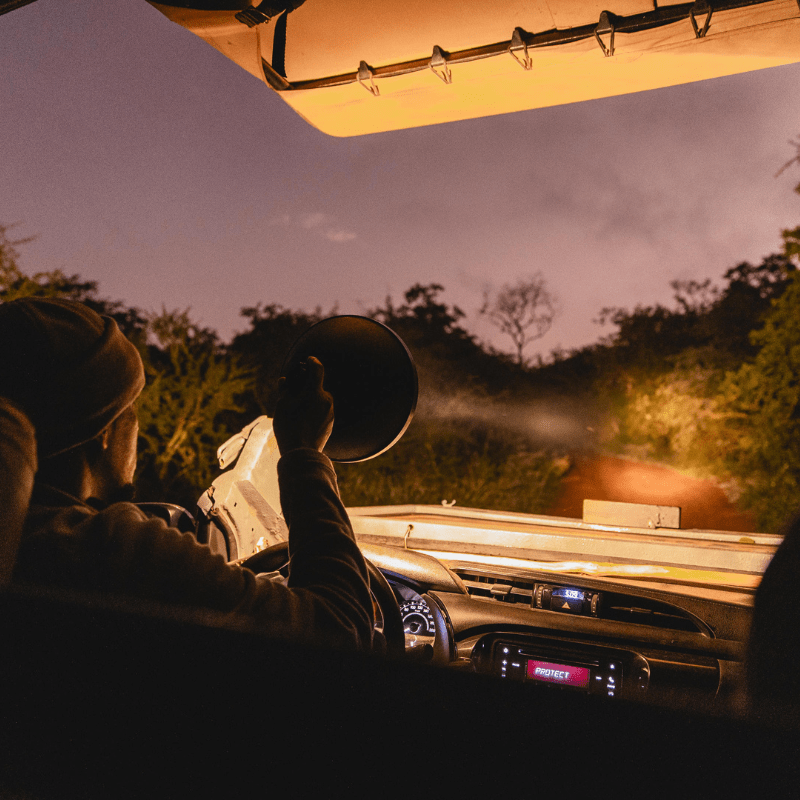
Visitors can enjoy guided game drives, boat safaris on Lake Ihema, and night drives in search of nocturnal predators. The park’s network of scenic roads and lakes makes it ideal for both first-time safari-goers and seasoned wildlife enthusiasts.
Akagera also plays a vital role in community-based conservation, with tourism revenue supporting local development and education initiatives. Lodges within and around the park offer eco-friendly stays, combining comfort with breathtaking views of the Rwandan wilderness.
Whether you’re looking to complete Rwanda’s “Big Three” safari circuit; Akagera’s savannah, Nyungwe’s rainforest, and Volcanoes’ gorilla habitat; or simply want to experience the wild heart of East Africa, Akagera National Park delivers an unforgettable adventure.
For most visitors, the question of when to go to Rwanda is usually better phrased as when to go for gorilla trekking. And that’s easy: the best time to go to Rwanda for gorilla trekking is during its two dry seasons: the first from mid-December to early February and the second from early June to late September. You’ll enjoy the easiest hiking conditions, the best gorilla sightings and the lowest malaria risk.
And if you are planning when to go to Rwanda for a gorilla trek that also includes other great experiences in Africa, then Rwanda’s two dry seasons combine well with some of the continent’s best holiday destination sat their peak.
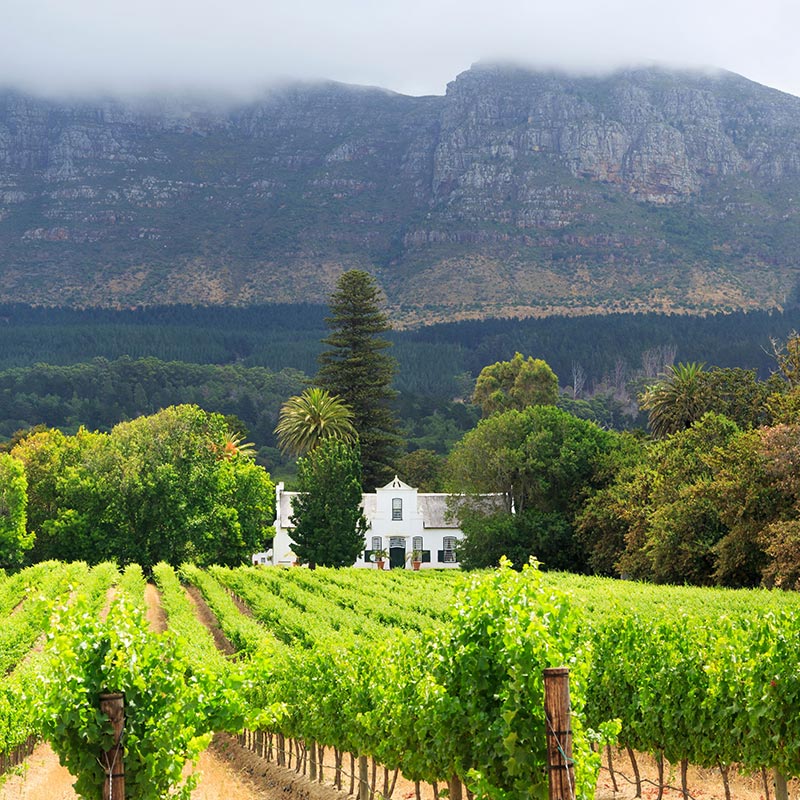
The December to February trekking season coincides with the Serengeti wildebeest migration and its all-action birthing season as well as Africa’s favourite city, Cape Town, sitting under sunny summer skies.
Meanwhile, the June to September trekking season is when the wildebeest migration crosses crocodile-filled rivers between the Serengeti and the Masai Mara and also sees southern African destinations – the Kruger Park, Botswana, Victoria Falls and Namibia – at their best for safaris: it’s the driest time, the coolest weather, the easiest game viewing and the lowest malaria risk.
Rwanda has a warm and humid climate as you’d expect in an equatorial setting but thanks to high elevations, temperatures in the rainforest might be lower than you think. There’s not much difference in daily temperatures throughout the year – monthly averages are in the mid to late 20s Celsius (late 70s to early 80s Fahrenheit) – and it’s best to be forewarned that gorilla trekking destinations are often cold and wet.
Travellers to Rwanda can expect rain at any time of year but there are two distinct rainy seasons: the ‘long’, heavy rains of March, April and May and the ‘short’ rains of October and November. Gorilla trekking in Rwanda is not particularly recommended at these times as the rains can be heavy and the gorillas harder to find. Travel to Rwanda during its wettest months – April and November – can present challenges; trekking through the jungle is extremely difficult and there may be weather-induced delays in flights or road transfers.
Note that although the most comfortable time to go chimpanzee trekking in Nyungwe Forest is during Rwanda’s dry seasons, food is often scarce at these times and the chimpanzees forage deeper in the forest. The chimp families are generally easier to find during the wetter months when food is more abundant. Bird watchers will find birding in Rwanda excellent all year round but especially in the October to April summer months when migrant species are present.
The Akagera region offers a range of accommodations that perfectly complement the park’s wild savannah landscapes. From luxury lodges with panoramic views of the lakes and plains to eco-friendly tented camps nestled among acacias, every option is designed to immerse guests in nature while providing comfort and style.
Many lodges and camps emphasize sustainability, using solar power, water-saving measures, and locally sourced materials. This focus not only enhances the natural experience but also supports the region’s thriving conservation and community initiatives.
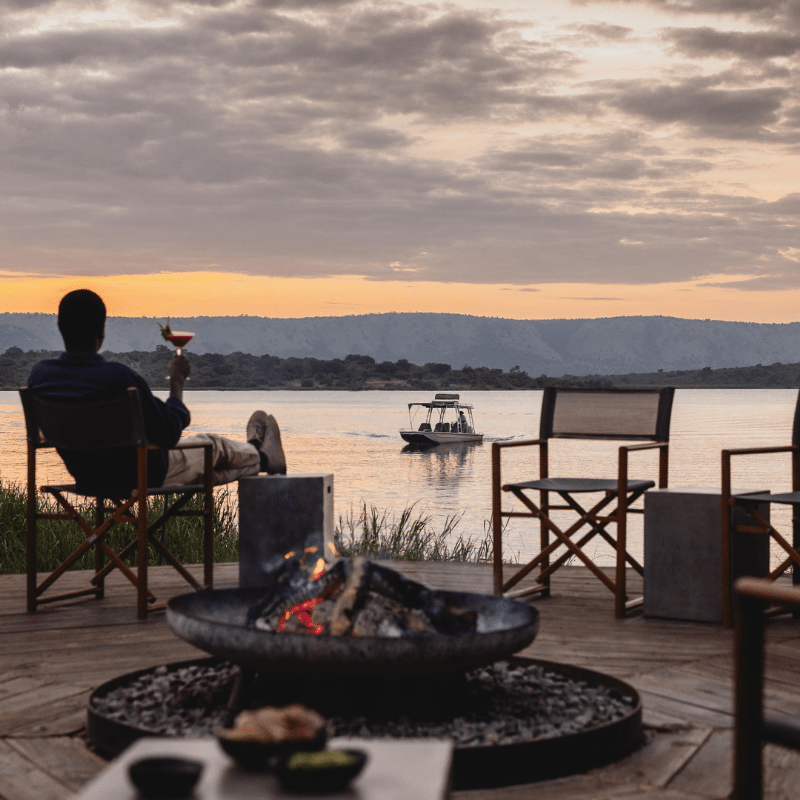
Guests can choose from elegant lodges with private decks overlooking Lake Ihema or Lake Rwanyakazinga, where uninterrupted vistas meet modern comfort, or more intimate bush camps for a closer connection to wildlife. Each property provides easy access to game drives, boat safaris, birdwatching, and guided walks, allowing visitors to explore the park at leisure.
Whether you’re seeking luxury, adventure, or eco-conscious stays, Akagera’s accommodation options offer a perfect base for exploring Rwanda’s only savannah park, ensuring a memorable and immersive wildlife experience.
Ruzizi is an eco-lodge on the banks of Lake Ihema, its nine tents set back from the serene shores and hidden among swaying palms and fig trees. They flank a thatched reception and dining area, wooden walkways leading to a stunning deck raised over the lake.
Named for the area where the camp was first established, Karenge means ‘small footprint’ in Kinyarwanda. The word also expresses Karenge Bush Camp’s simple charm and commitment to leaving a light ecological footprint and allowing guests to be immersed in nature.
Magashi Camp is situated in the productive and phenomenally diverse north-eastern corner of Akagera National Park, overlooking scenic Lake Rwanyakazinga. Magashi’s main area comprises a luxurious lounge and dining area, bar and pool, as well as an expansive viewing deck with convivial fire pit.
Akagera National Park offers flexible safari experiences that cater to every traveler, from half-day excursions to multi-day wildlife adventures. Whether you’re seeking a sunrise game drive, a boat safari on Lake Ihema, or a combination of game drives, birdwatching, and cultural visits, Akagera’s itineraries deliver a perfect balance of wildlife, scenery, and relaxation.
Half-day and full-day safaris are ideal for visitors short on time, offering encounters with elephants, buffalo, giraffe, and a variety of birdlife. For those with more time, multi-day itineraries include overnight stays at lodges or camps within the park, allowing guests to explore remote areas, enjoy night drives, and fully immerse themselves in the savannah’s rhythm.
Many itineraries can be customized to combine Akagera with other Rwandan highlights, such as Volcanoes National Park for gorilla trekking or Nyungwe Forest for chimpanzee tracking, giving travelers a comprehensive wildlife experience in Rwanda.
Whether you’re a first-time safari-goer or a seasoned wildlife enthusiast, Akagera’s carefully curated itineraries ensure unforgettable encounters with Africa’s Big Five, rare birds, and serene lakeside landscapes.
Our team of destination experts will design a holiday to meet your budget and interests. Let’s start planning your tailor-made African safari today!
You can travel to Rwanda for gorilla trekking as a single experience but this is a country usually experienced in combination with other destinations in Africa. Thanks to a smooth-running network of air connections, Rwanda’s gorilla trekking combines with big game safaris in Kenya and Tanzania or head south for Botswana, the Kruger Park, Victoria Falls and Cape Town. Tick off the Big 5, marvel at the great wildebeest migration and toast the setting sun from the top of Table Mountain – all possible combinations with your gorilla trek.
We have a wide range of tours that combine Rwanda with Africa’s best destinations and appeal to all types of traveller from honeymooners to families. Browse our most popular destination combinations below and visit our Itinerary Ideas page for inspiration or simply contact us with the destinations of your choice and we will tailor-make an itinerary for you.