
Everything seems a bit bigger on South Africa’s Whale Coast. Towering mountains provide the backdrop to the ocean vastness under an arching blue sky. And there, breaking the water, a giant whale’s tail slaps the surface, the noise of impact rolling over you like canon fire.
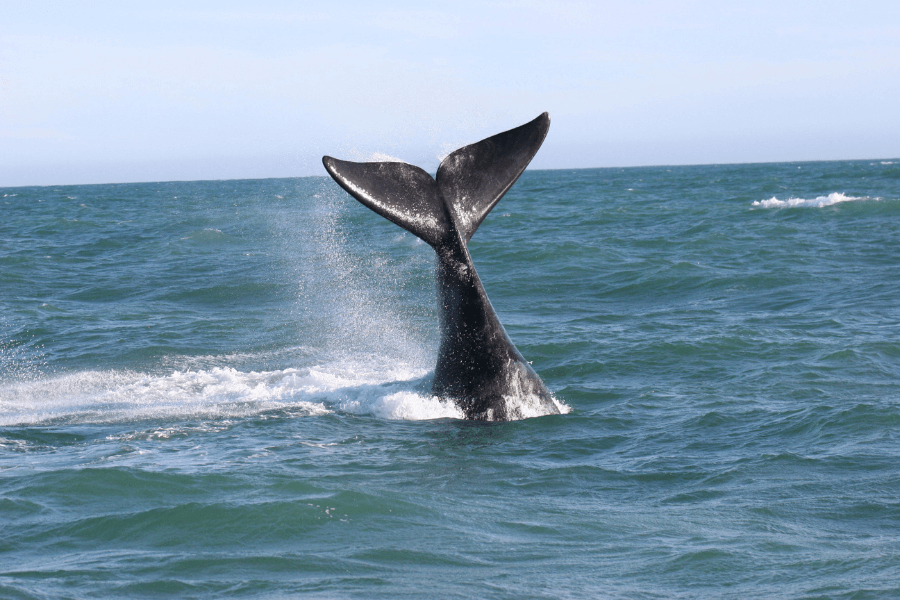
It’s Whale Season in South Africa’s Western Cape province, and such is the proliferation of migrating whales to the Cape’s southern shores that the region is known as the Whale Coast. It’s a stretch of beautiful coastline studded with small towns and nature reserves from which you watch whales from boat trips or, even easier, from the comfort of a park bench or your hotel room.
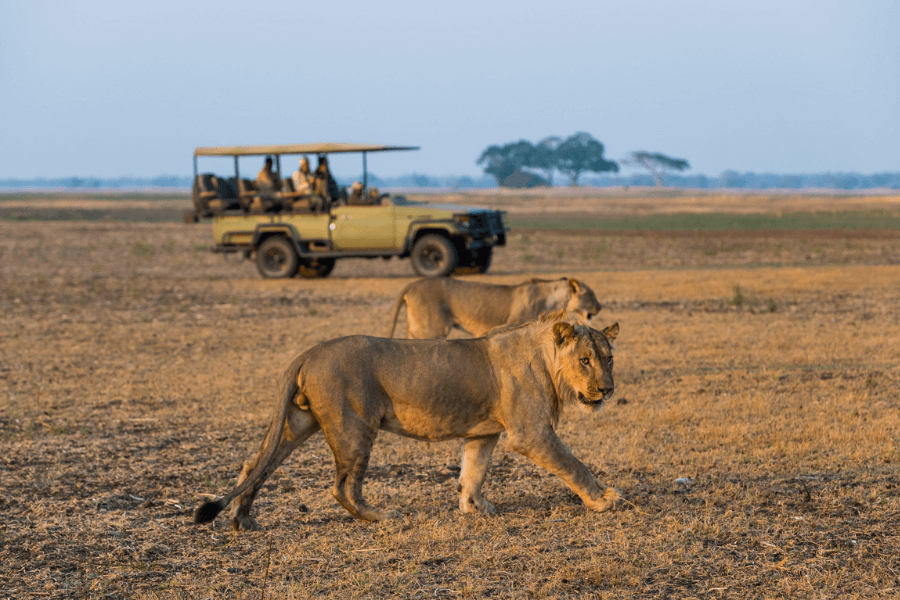
You’ll need to get your timing right for whale season of course. Migrating southern right whales – some 40% of the world’s population – arrive on the Whale Coast in late July, reach peak numbers in September and are largely gone by the end of October: this coincides perfectly with flower season in the Cape as well as a dry-season safari in Zambia, Botswana or Kruger when wildlife watching is at its easiest and arguably most dramatic.
Can’t make those months? The Whale Coast is not just about whales and whale watching. This is a destination for all aspects of nature – hiking, flowers, marine tours, shark-cage diving – as well as great wines and fine food. All year-round? Yes, but unlike the safari destinations of southern Africa, the Whale Coast is mostly warm and dry between November and April, and wettest and coldest in June, July and August. But don’t be put off by the Cape’s rainy season: it is a soft, green time of year when birds are breeding and aloes and proteas bloom in the winter sunshine; inside, log fires are crackling and soups are bubbling.
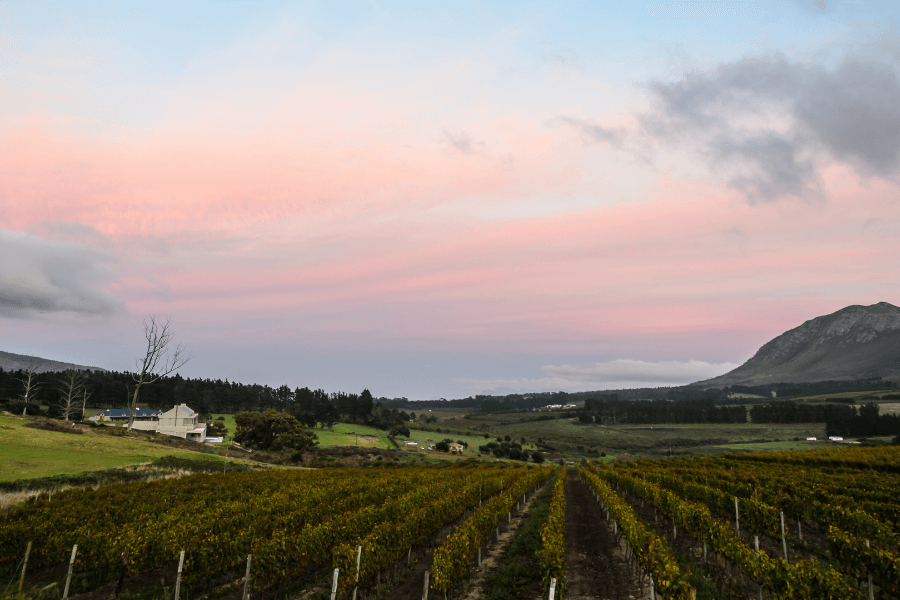
So how do you experience the Whale Coast? If you are based in Cape Town then you can book day trips with a driver/guide; whale-watching tours of course, but also perhaps a wine tour to the Hemel en Aarde Valley (great Pinoy Noir and Chardonnay) or shark-cage diving in Gaansbaai. The Whale Coast town of Betty’s Bay is also a great place for birders and nature photographers: who would have thought you can visit a penguin colony and a botanical garden in the same morning?
But if you are looking to stay a couple of nights on the Whale Coast, then three destinations, each with superb accommodation, really stand out.
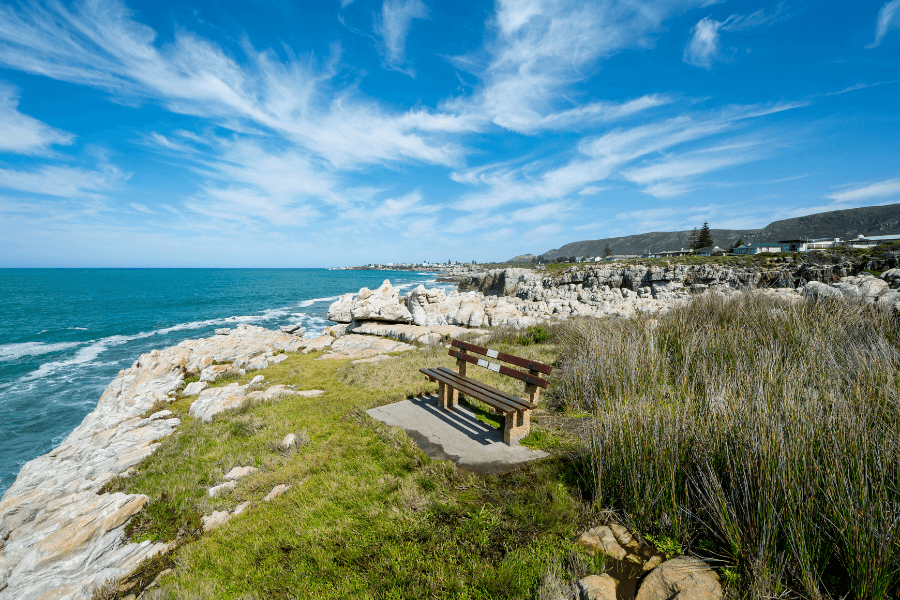
HERMANUS
Everyone’s favourite whale-watching town is just an hour and a half’s drive from Cape Town and it’s during Whale Season that Hermanus earns its reputation as having the best land-based whale watching on earth. That means you can sit in the sun and watch whales without getting your feet wet; just stroll down to the town’s popular cliff-top path and there they are below you. Choose your accommodation from a range of hotels and boutique guesthouses, indulge at local wineries, shop at markets and walk it all off with a flower-filled hike in a local nature reserve.
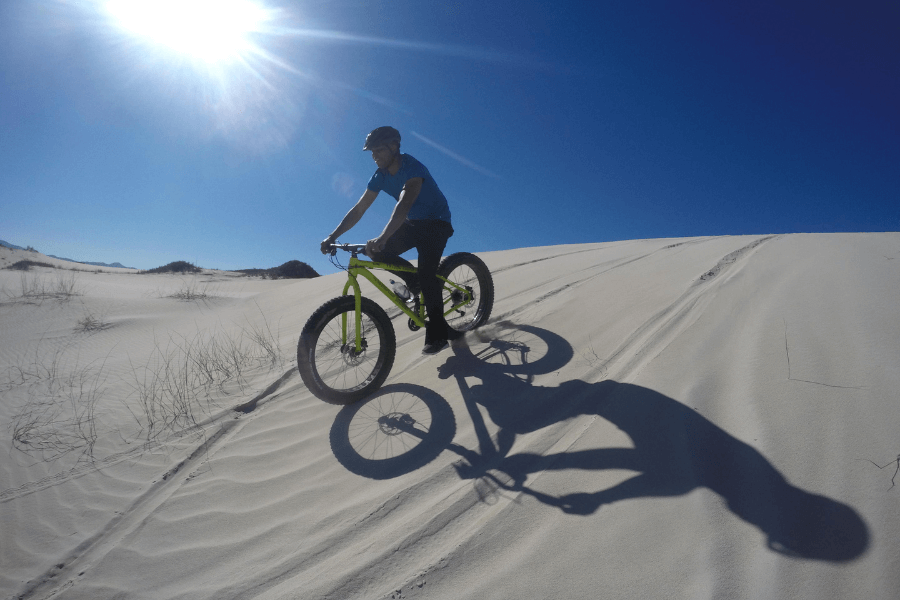
DE HOOP NATURE RESERVE
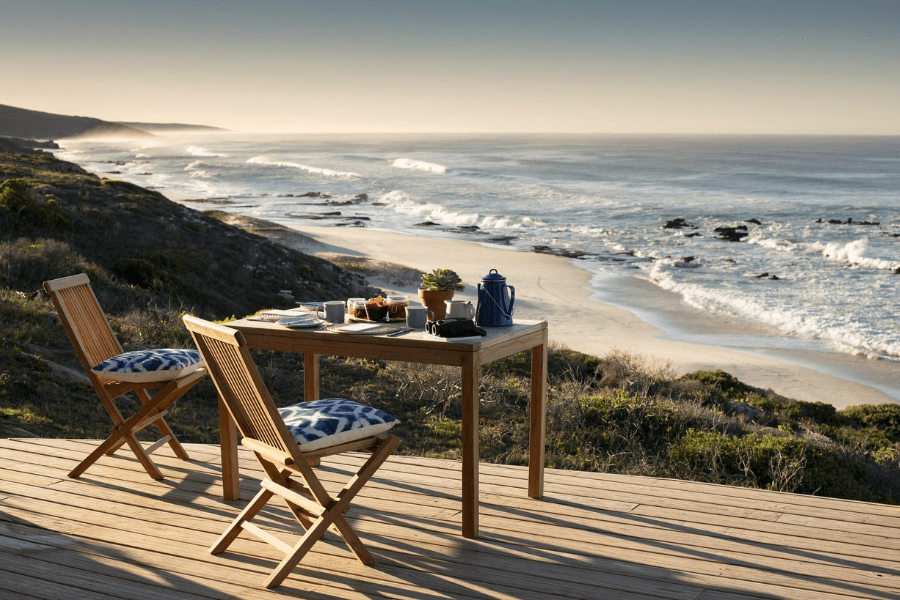
Tucked away out of sight on the southern Cape coast, the De Hoop Nature Reserve delivers a reminder of what this country looked like before the modern age: baboons, zebra, ostrich and herds of antelope meander through an unspoilt landscape that gives way to an ocean of such intense aquamarine that you’ll be rubbing your eyes in disbelief. And that’s before the whale sightings. De Hoop generally records the greatest number of whales in season and you have a choice of stunning lodges and hide-away cottages to choose from: spend a couple of nights there and go on guided nature walks, rock-pool adventures and mountain-bike trips.
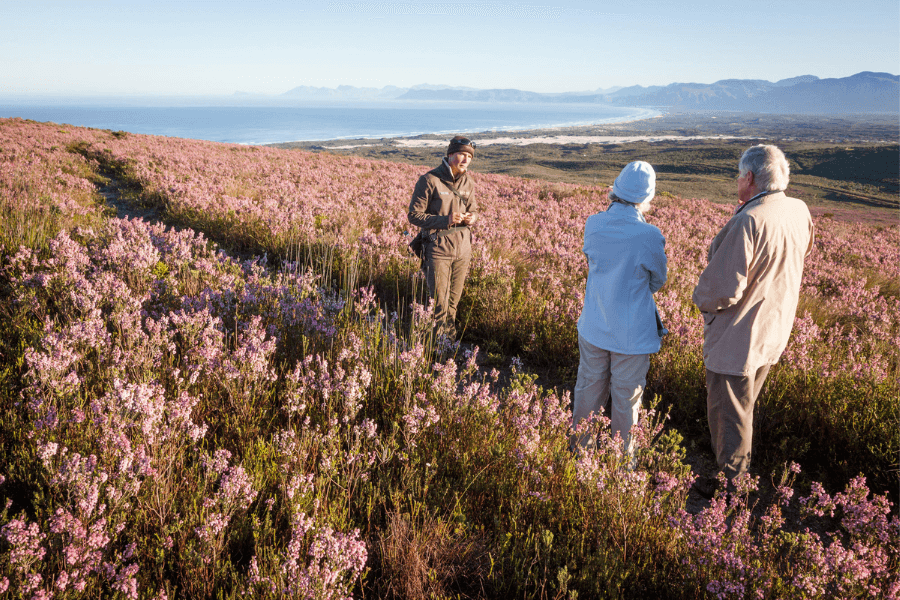
GROOTBOS NATURE RESERVE
Sandwiched between whale-watching Hermanus and shark-cage diving Gansbaai is a private nature reserve that has transformed the fate of the mountains it sits on. Dedicated to conservation, Grootbos walks its guests through an ancient milkwood forest and introduces them to the Cape’s famous fynbos vegetation, hailed for its effortless floral beauty. The reserve has several accommodation options – luxury lodges with an emphasis on fine food and wine – and you’ll sit down to panoramic ocean views from just about every seat they have. Want a closer look? Swing the lodge’s spotting scope over the ocean and now you can see the whales.