July is the heart of the dry winter season across the Indian Ocean islands. Expect sunny days, low humidity, and very little rain.
July is peak dry season across the Indian Ocean islands, offering sunny days, low humidity, and ideal conditions for beach, diving, and safari combinations with incredible marine life encounters.
July is one of the best months to visit the Indian Ocean islands, with dry, sunny weather and cooler temperatures creating perfect travel conditions. It’s a prime time for combining beach escapes with African safaris, while the ocean comes alive with migrating whales and excellent visibility for snorkelling and diving.
Though it’s a popular month, the overall experience is rewarding, with consistent weather and diverse activities across the region. It’s one of the most popular months to travel, offering excellent conditions for beach time, marine activities, and combining with safari. Trade winds can pick up in some regions, but overall it’s a reliable, high-quality travel month.
Ideal for travellers wanting a mix of beaches, adventure, and culture. The south and west coasts are particularly sheltered, offering great beach conditions despite the winter trade winds.
You’ll enjoy 22–25°C daytime temperatures, cooler evenings and moderate winds on the East coast. Bring a thin, long sleeve for dinners that can be fresh.
Pair with Kruger National Park for exceptional Big Five sightings in peak dry season. Expect pleasant, warm days, cold nights, minimal rain, and lower malaria risk.
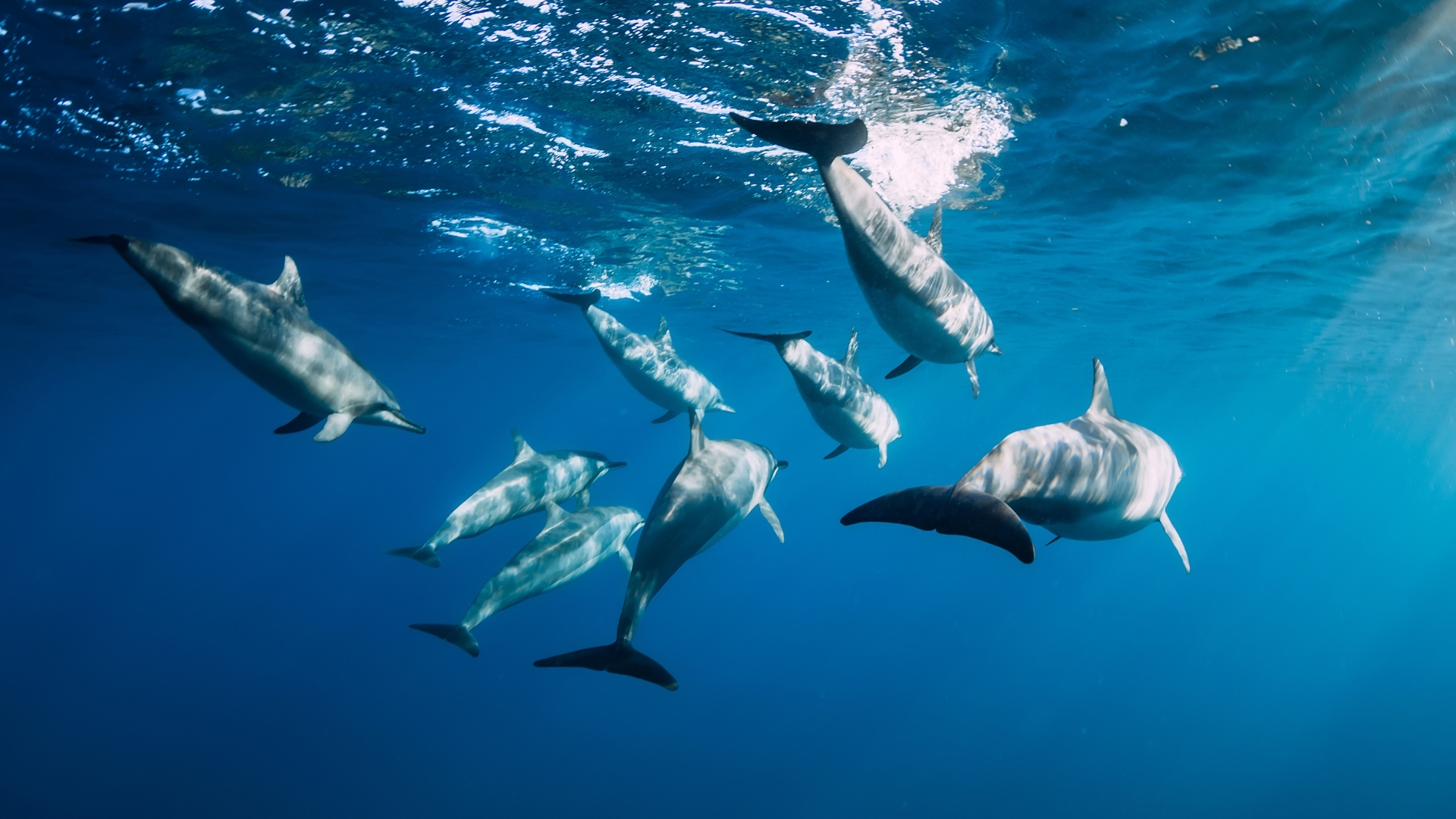
Most excursions begin at sunrise, when the sea is calm and dolphin activity is at its peak. Boats head out just after 7am to locate pods of dolphins, typically Spinner dolphins and Bottlenose dolphins, which frequent the area daily. These dolphins often travel in groups and are known for their playful behaviour, frequently swimming alongside boats and leaping through the waves.
Once a pod is located, guests can either observe from the boat or enter the water with snorkelling gear for a more immersive experience. Swimming with dolphins is carefully managed, with guides briefing guests on how to enter the water safely and respectfully, always keeping a distance and never touching the animals.
Always choose a responsible operator that enforces a strict no-touch policy and limits time in the water. Go with the mindset of observing, not chasing, and you’ll have a far more meaningful experience.
Humpback whales migrate through the Indian Ocean, offering incredible sightings, particularly in Mozambique.
This month brings temperatures of 24–27°C with calm seas and ideal ocean conditions.
Great time to visit Kafue, Zambia’s largest reserve & home to large populations of big animals; make sure you spend time in the Busanga wetlands.
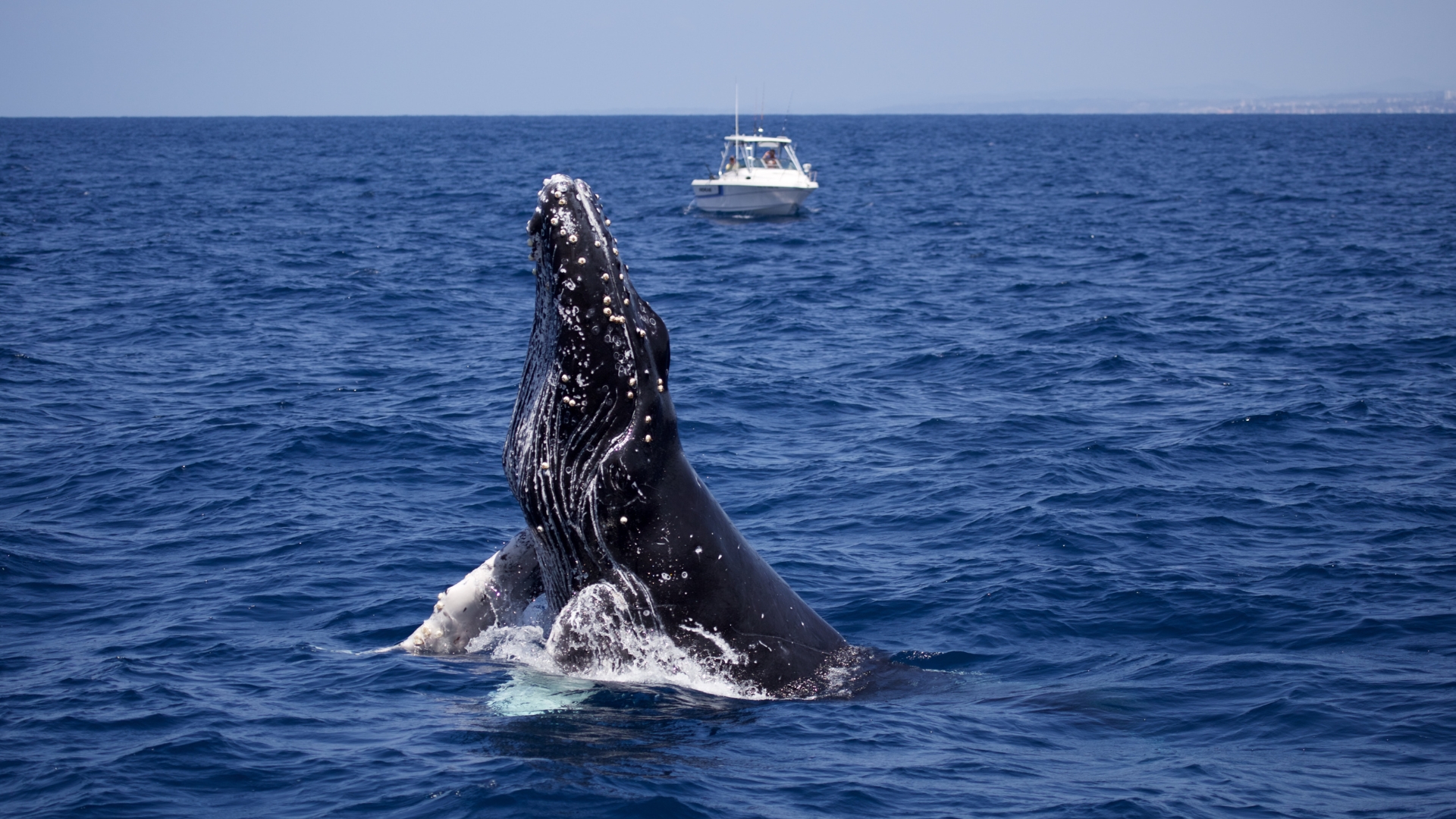
Each year, large numbers of Humpback whales migrate along the coastline, bringing life and movement to the warm tropical waters. These whales travel from Antarctica to breed and calve, often passing close to shore, which makes sightings both frequent and incredibly rewarding.
The whale season typically runs from June through to October, with July to September considered the peak months.
These powerful animals are known for their acrobatic displays, including breaching, tail slapping, and fin movements. It’s also possible to see mothers swimming with their calves in calmer waters, offering a more gentle and intimate wildlife experience.
One of the best areas for whale sightings includes the Bazaruto Archipelago, where whales are often seen during boat trips and island excursions.
As with all wildlife experiences, whale sightings can never be guaranteed, but during the migration season your chances are high. Calm mornings and clear conditions tend to offer the best opportunities, and approaching the experience with patience and respect makes it all the more meaningful.
July is defined by wildlife and ocean encounters, humpback whale watching (peak season), kite surfing in windier regions and barefoot luxury with cooler, comfortable weather.
