
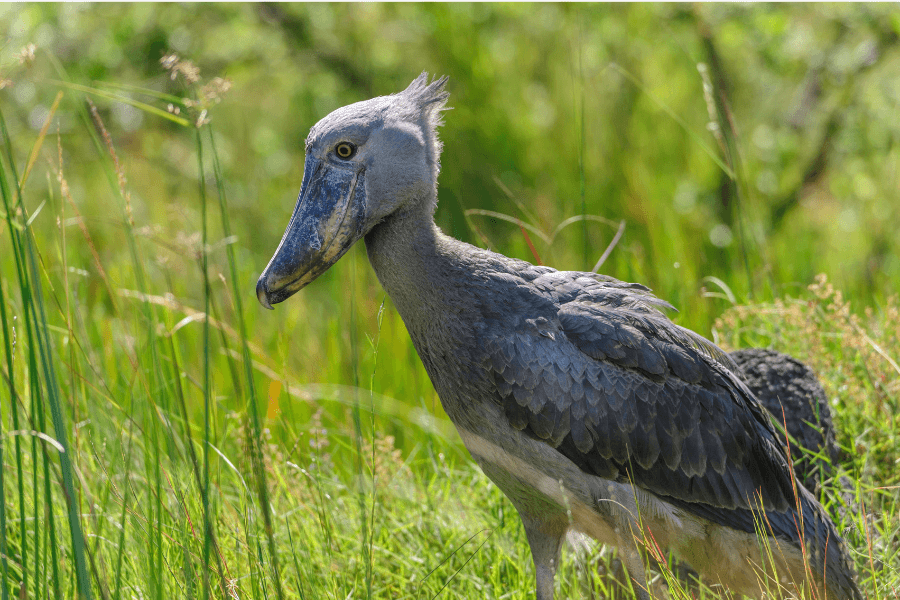
Travel to the most remote corner of Southern Africa and you’ll be rewarded with its little secret: the Bangweulu Wetlands. Set where the woodlands of Zambia begin to merge into the grasslands of East Africa, this extraordinary oasis of water and wildlife has become not just the place to find the legendary Shoebill Stork but also somewhere to appreciate the natural bounty created by seasonal water. If you have ever wondered what happens when it rains in Africa, this is a good place to find out.
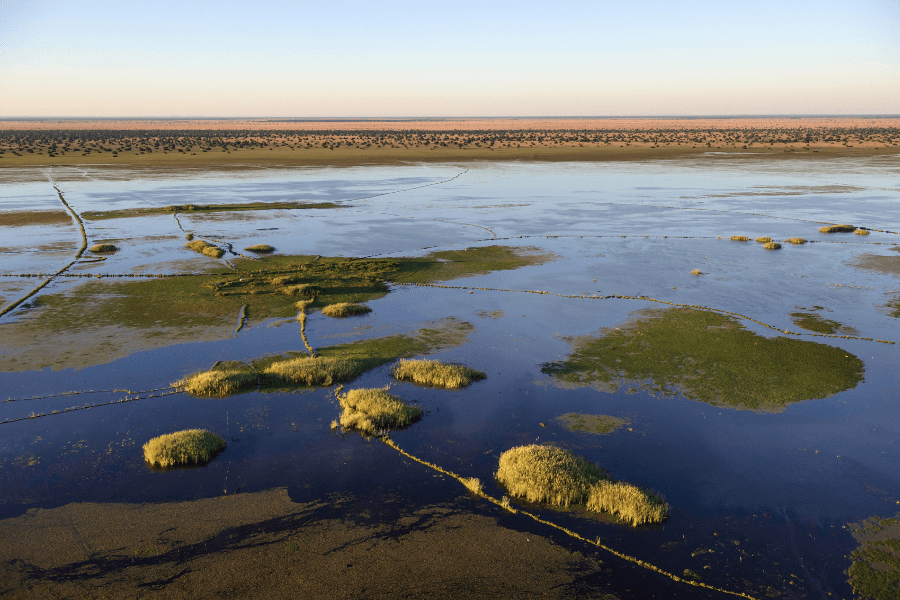
The Bangweulu Wetlands lie next to its eponymous lake and are at the mercy of the rising and falling of the lake’s waters. During the rainy season (November to April) Lake Bangweulu floods and the sprawling grasslands are covered in water – and birds. Some 400 species of bird have been recorded here and although the Shoebill is usually at the top of everyone’s must-see list, this is a habitat that supports large numbers of other waterbirds as well as savannah and woodland birds with a strong cast of raptors.
The drawback is, of course, that it is peak rainy season. It’s hot, most of the area is flooded and many camps close down until the end of the rains. The dry season begins in May, and then Bangweulu gets really interesting.
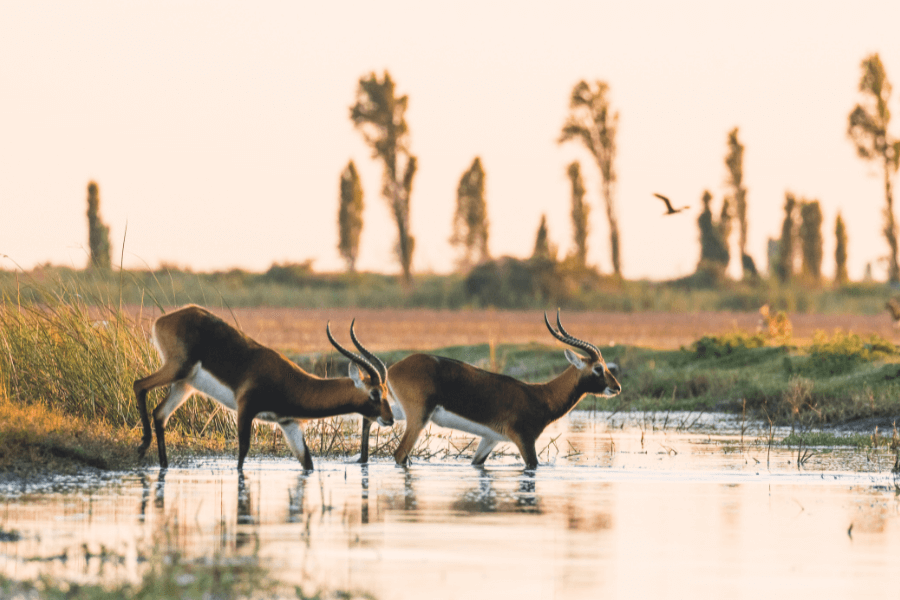
Drier weather and rapid evaporation mean the wetlands recede fast over the months of May, June and July. Cooler temperatures make it more comfortable to visit, and this is a great time to start seeing large herds of antelope – the endemic black lechwe in particular – on the floodplains. Birdlife is still prolific and canoe trips into the backwaters give you a chance to spot the strange, semi-aquatic sitatunga antelope and the Shoebill Stork, prowling the shallows for frogs and fish.
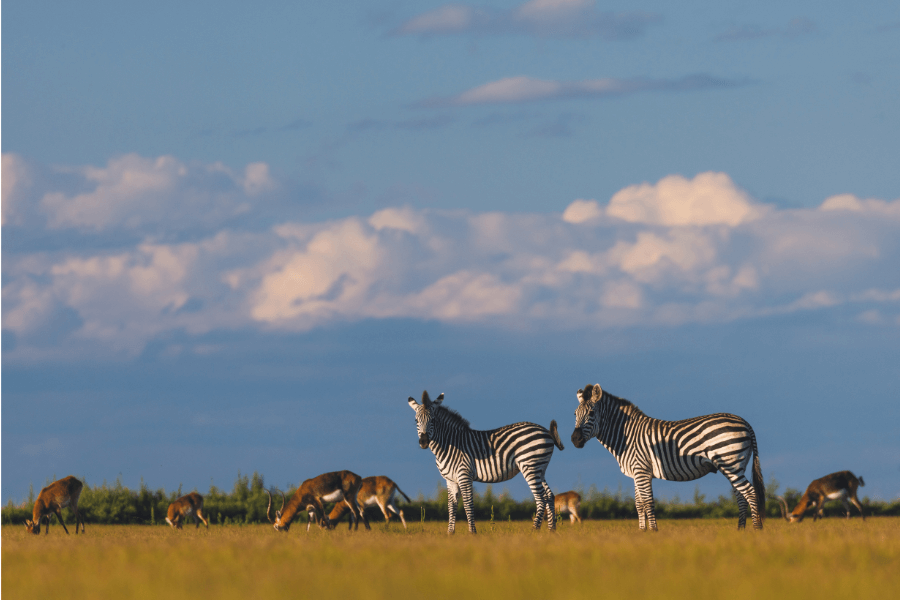
The season turns to August, September and by October it’s almost the end of the dry season. The temperature climbs and water levels drop further. Dry conditions mean that vehicles can be used with confidence for the first time in the year, enabling visitors to range further from camp in search of Bangweulu’s bigger animals that have come to the remaining water: herds of buffalo, hippo, zebra, elephants and – taking the place of apex predator – the spotted hyena. Cheetah have also recently been reintroduced to Bangweulu, adding a possible big cat sighting to the mix.
Seemingly marooned in the middle of nowhere, Bangweulu is actually quite accessible via charter flight from the South Luangwa National Park; even if you go by way of the capital Lusaka, the journey by air is no more than three hours. There are landing strips in the area as well as a handful of upmarket safari camps either on the shores of Lake Bangweulu or overlooking the wetlands themselves.
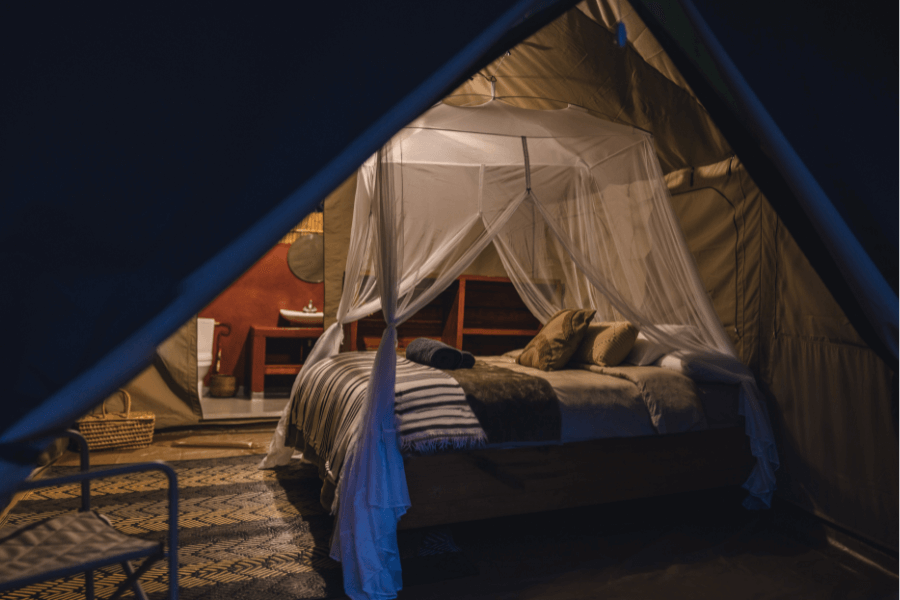
Activities depend on the time of year but are usually a blend of walks, canoe trips and safari drives; camps are comfortable without being overly ostentatious, and the guiding is – as always in Zambia – very good.
A final word: Bangweulu is not a national park but a Game Management Area; this means that its resources – fish and grazing for example – serve the local communities in partnership with conservation and tourism. It’s a delicate balance but seems to be working: antelope numbers have increased dramatically in recent years, local fishermen guard Shoebill nests in acknowledgment of their value, and a ban on fishing during spawning season allows fish stocks to recover. Could this be a win-win outcome for both nature and humanity? Why not travel to Bangweulu and decide for yourself.