Famous for its images of dusty elephants crowded around water, Botswana in peak season certainly delivers a classic, wildlife-filled safari under cloudless sunny skies. But there’s another side to this heavyweight safari destination. If you’ve done the peak season, or you are a nature photographer, or a birder or if you just want to see something that will surprise you, then Go Low.
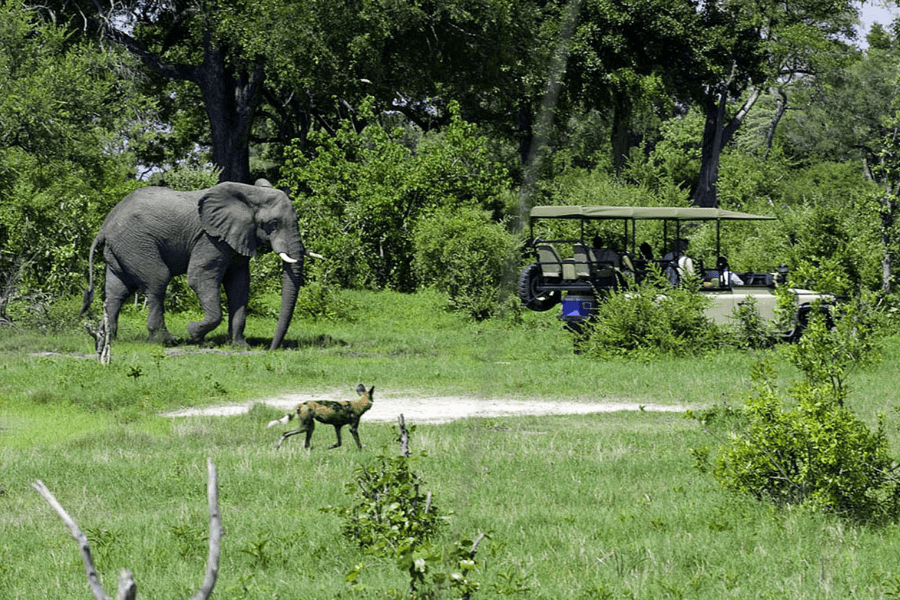
Botswana’s Low Season is basically the southern hemisphere summer – December to April – and it’s when nearly all of the year’s rain falls. Sounds like a time to avoid? In the Africa’s tropical rainforests perhaps, but Botswana’s summer rains usually arrive in the form of brief afternoon downpours instead of long drizzly days; otherwise, the weather in summer is warm and sunny.
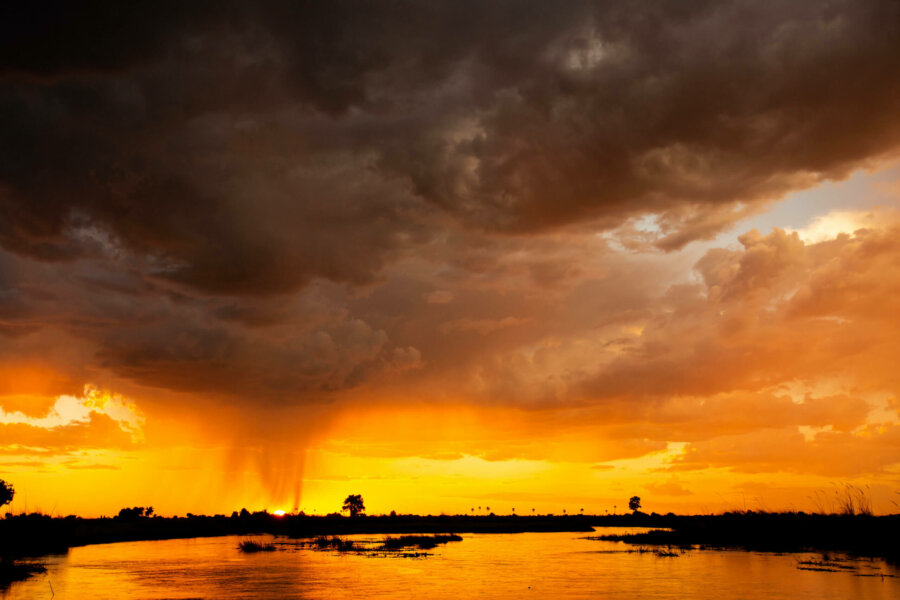
And the result of the rain? Well, there’s a reason why Botswana’s currency is called Pula – it means rain, and both deliver riches.
Let’s take a closer look at the advantages of a Low Season safari in Botswana.
1. THE GREEN TRANSFORMATION
Some people prefer to call the Low Season the Green Season and it’s easy to see why: the rains trigger luxuriant growth from the dry-season brown and for a few short months the greenery glows with health. Bare thorn trees and giant baobabs are now bejewelled in fresh green while summer flowers poke through lush grasslands. Low Season Botswana is not the country you thought you knew from peak season.
2. SHHH! IT’S SECRET SAFARI SEASON
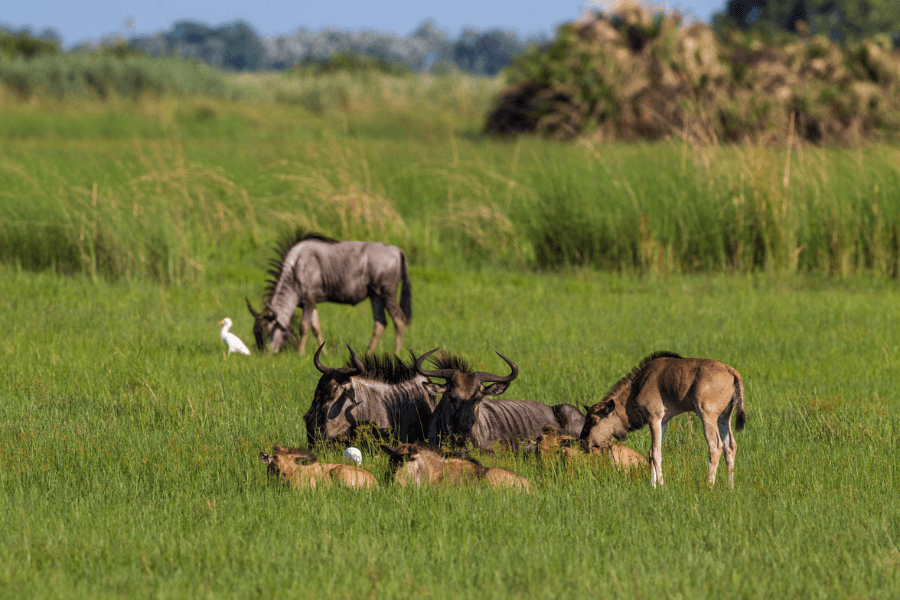
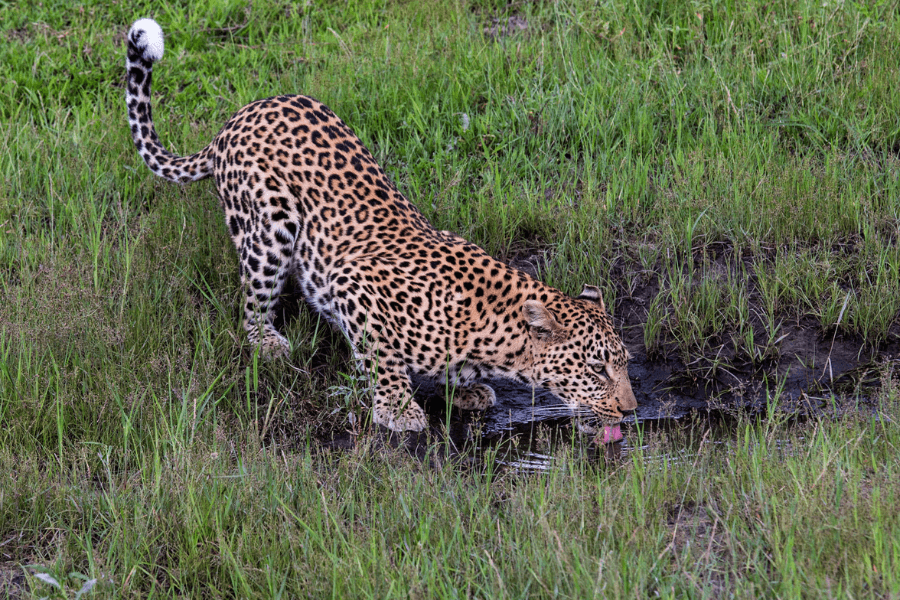
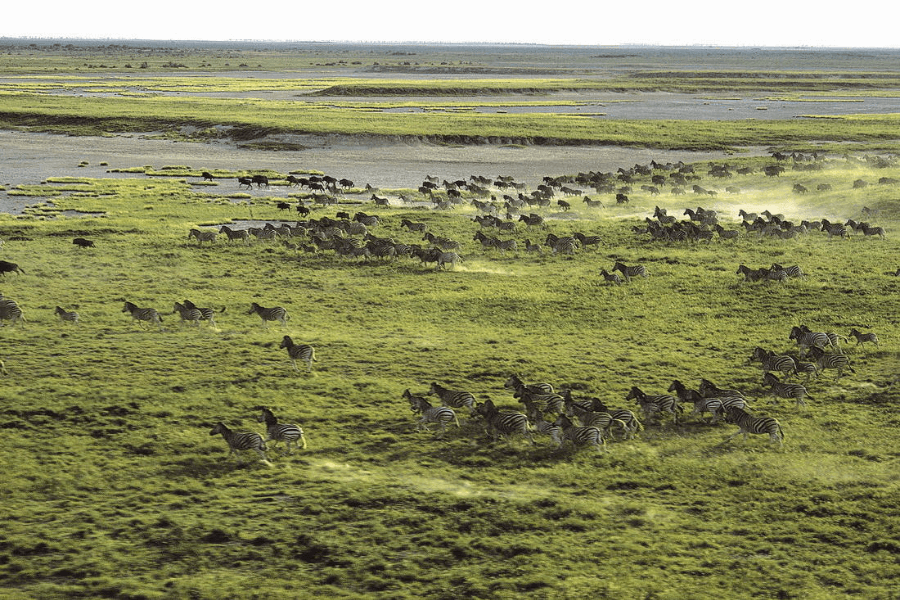
Dry-season Botswana delivers great safaris but you’ll need to travel in the Low Season to discover the country’s best safari secrets. Summer is when Botswana’s zebra migration occurs, when elephants and buffalo move into the Kalahari Desert, and when antelope give birth. It’s now that the big predators – lions, wild dog, cheetah, hyena and leopard – enjoy the richest pickings of the year. It’s perfectly set for photographers looking for wildlife interaction and drama.
3. MORE CHOICE, MORE TIME
It’s not surprising to learn that Botswana’s Low Season has the lowest occupancy rate at safari lodges but this of course gives the advantage to travellers. There’s usually no problem with availability in summer – even at relatively short notice or for rooms at the top lodges – and if you are travelling as a larger family or group then it’s usually during Low Season that you’ll have the greatest choice of the accommodation you will need.
4. SAVE IN THE LOW SEASON
There’s a financial incentive to Botswana’s Low Season too. Many lodges are keen to get business through their doors during low-season summer and so offer the year’s lowest room rates – but not over the Christmas period which a sort of ‘mini-high season’ in the low season! Summer is the time of year with good ‘pay-stay’ deals – you stay for three nights at a lodge but only pay for two for example – and if you are a single traveller, then several lodges waive the single supplement fee over the Low Season – a considerable saving compared to peak dry-season prices.
5. FAR FROM THE CROWDS
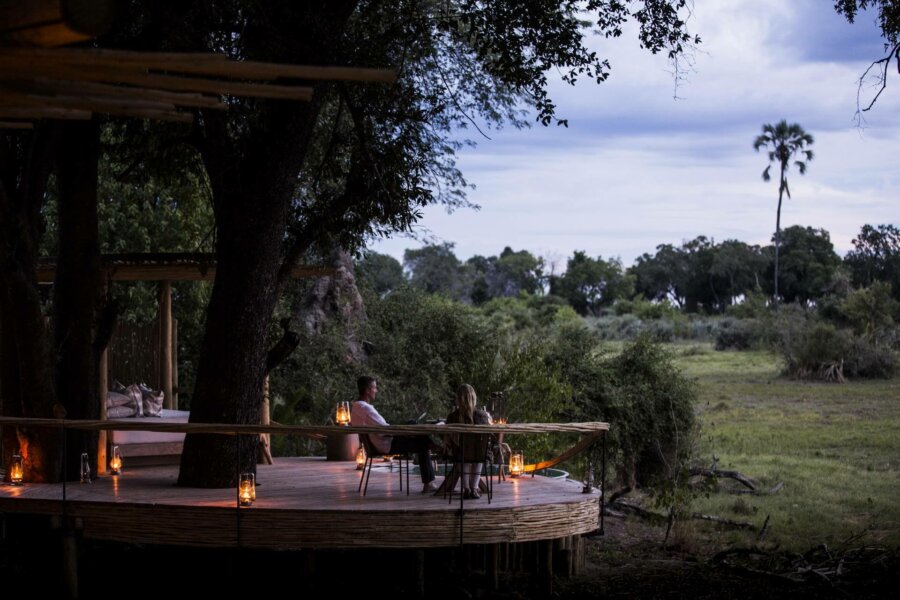
Thousands of people go on safari during Botswana’s dry season but visitor numbers plunge as the rain begins in October. Sit back on a Low Season game drive or boat cruise and you may well be the only people out there, alone with great wildlife sightings. If you prefer to have your game viewing on the more private side, then go in the green.
6. NO BLANKET REQUIRED
And if you like things on the warmer side, then a Low Season safari is for you. Botswana’s dry season is popular because – as the name implies – it’s dry! But in June, July and August it’s cold too – really cold. You’ll need woollen hats and thick jackets for the early morning drive and wrap up in blankets at night. In summer you’ll enjoy long hours of daylight filled with mostly warm and sunny weather.
7. USE THE POOL
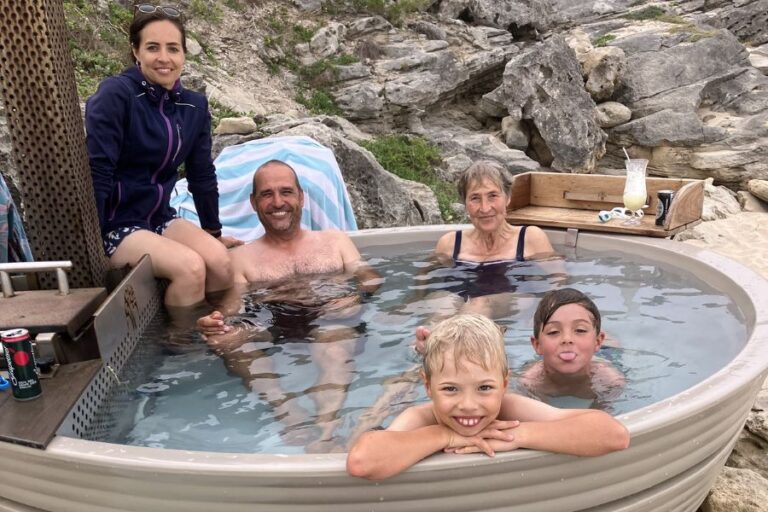
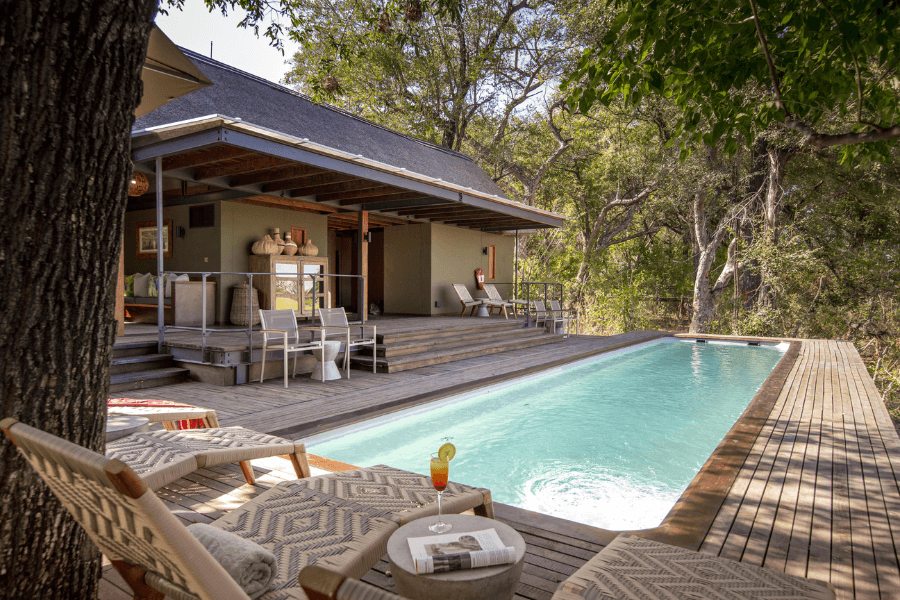
Because most people travel to Botswana in the cooler dry winter months they never get round to using many of the facilities at their accommodation – including the pool. And since many lodges offer a private plunge pool at your suite rather than a larger common-use pool, summer is the best time to chill out at your private pool – you did pay for it after all! Oh, and did someone mention room service?
8. BOTSWANA’S BEST BIRDING
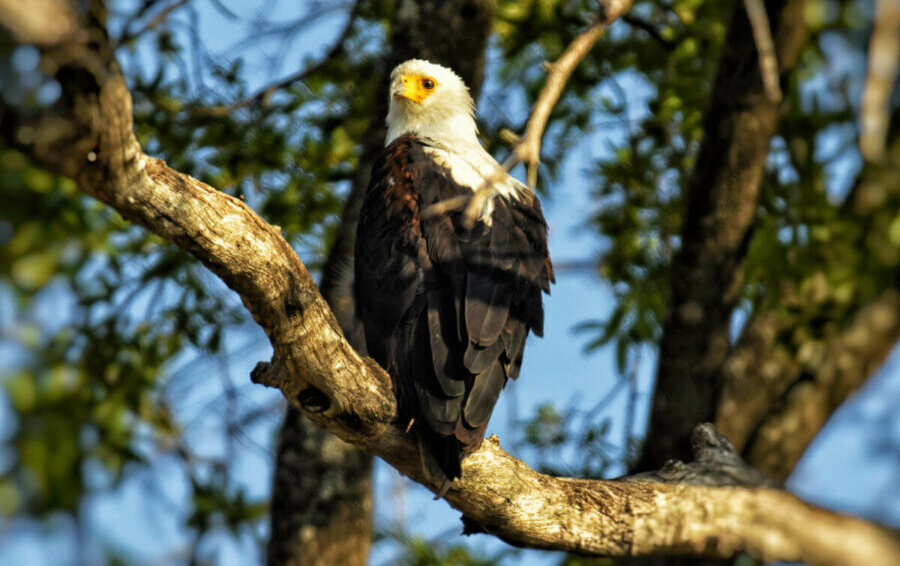
Whether you’re a beginner birder or a professional bird photographer, Low Season is Birding Season. With food and water now plentiful across Botswana’s, migrant bird species arrive from Eurasia and other parts of Africa to swell the already impressive bird list. Some major bird events take place in summer – flamingos breeding on the Makgadikgadi salt pans for instance – and summer brings Carmine Bee-eaters to Botswana’s grasslands, sometimes flying next to your moving vehicle to snap up insects in a blur of pink, red and blue.
9. GREAT CONDITIONS FOR PHOTOGRAPHY
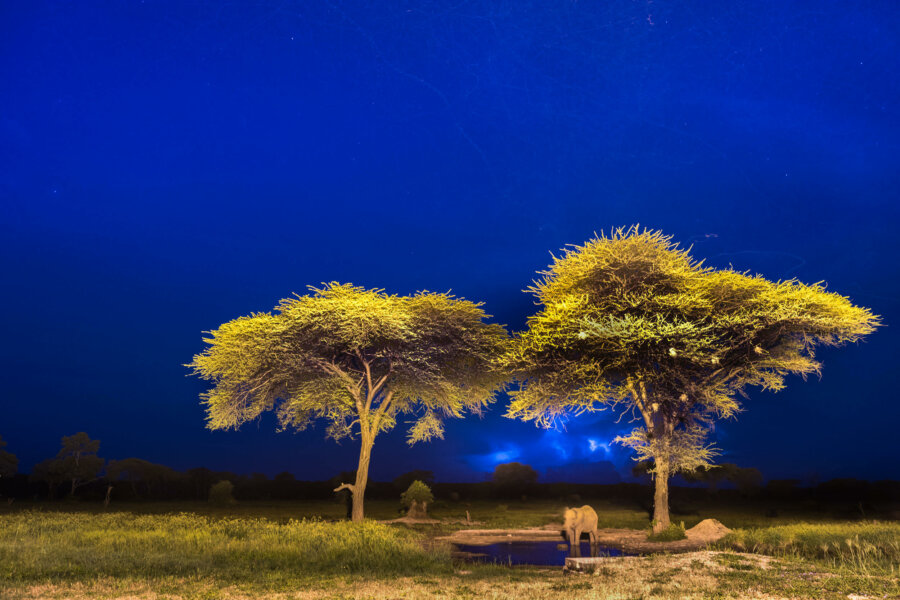
The Low Season delivers what many photographers think is the best conditions for professional nature photography, despite the risk of rain. The dry-season dust clouds and blinding white sun give way in summer to a softer, deeper layered landscape. Colours are more pronounced, backgrounds richer, the air clearer and summer clouds make Botswana’s strong sunlight easier to work with.
10. CALVING SEASON
Botswana in early summer and the air rings with the bleating and whinnying of thousands of young antelope and zebra as the herds give birth to take advantage of the sudden availability of water and fresh grazing. It’s great for photography and also means an easy kill for Botswana’s big predators – big cats, wild dogs and spotted hyenas – as well as food for the smaller ones: jackals, eagles and vultures. If you’d like to watch the drama of the hunt – the chase, the kill and the scavenging aftermath – then the Low Season gives you better chances than most.