Mahé is the cultural and geographic heart of the Seychelles, shaped by ancient granite mountains rising straight from the sea. Unlike the quieter outer islands, it blends real island life with wild rainforest, hidden beaches, and Creole culture. Home to Victoria and Morne Seychellois National Park, Mahé offers rare contrast; busy local rhythm on the coast, misty wilderness in the interior, all within minutes of each other.
Mahé is the beating heart of the Seychelles, and it feels noticeably different from the outer islands in both energy and experience. It’s the largest island and home to the capital, Victoria, which gives it a lived-in, local rhythm you don’t find elsewhere. You’ll hear Creole spoken everywhere, see schoolchildren, markets, traffic, and daily island life unfolding alongside beaches and rainforest.
What truly sets Mahé apart is its dramatic scale and diversity. The island is mountainous and wild in its interior, with misty rainforests, hiking trails, and viewpoints in Morne Seychellois National Park, while the coastline shifts constantly between long sandy beaches, hidden coves, granite boulders, and coral reefs. In a single day, you can hike through cloud forest, swim at multiple beaches, and have dinner in town—something that’s not possible on the flatter, slower outer islands.
By contrast, islands like Praslin and La Digue feel more intimate and purposefully unhurried. Life there revolves around a handful of beaches, short distances, bicycles, and a gentle, almost timeless pace. The private outer islands take this even further, offering complete seclusion where the resort is the island and interaction with local life is minimal.
In short, Mahé is ideal if you want variety, culture, and adventure layered onto beach time, while the other islands are better suited to travelers seeking simplicity, stillness, and postcard-perfect calm.
The best time to visit Mahé is during the shoulder seasons: April–May and September–October. These months offer the most balanced conditions of calm seas, warm temperatures (around 27–30°C), lower humidity, and fewer crowds. It’s an ideal time for swimming, snorkelling, diving, hiking in Morne Seychellois National Park, and simply enjoying the beaches without strong winds or heavy rain. These periods are often considered the “sweet spot” for Mahé.
The dry season, from June to August, is also a popular time to go, especially for travellers who prefer slightly cooler weather and less humidity. This period is influenced by the southeast trade winds, which make the west coast calmer and great for beach time, while the east coast can be windier and better suited to surfing and sailing. It’s an excellent time for hiking and active travel, but seas can be rougher for snorkelling in some areas.
The northwest monsoon season, from December to March, is the hottest and most humid time of year. January and February see the highest rainfall, with short but intense tropical showers. While Mahé remains lush and beautiful, this period is less ideal for hiking and visibility for diving can be reduced. It’s also peak festive season around December, meaning higher prices and busier resorts.
Mahé offers the widest and most diverse range of accommodation in the Seychelles, making it ideal for travellers who want flexibility, variety, and a sense of local life alongside island luxury. As the main island and home to the international airport, Mahé caters to every travel style; from relaxed beachfront escapes to immersive, lived-in stays.
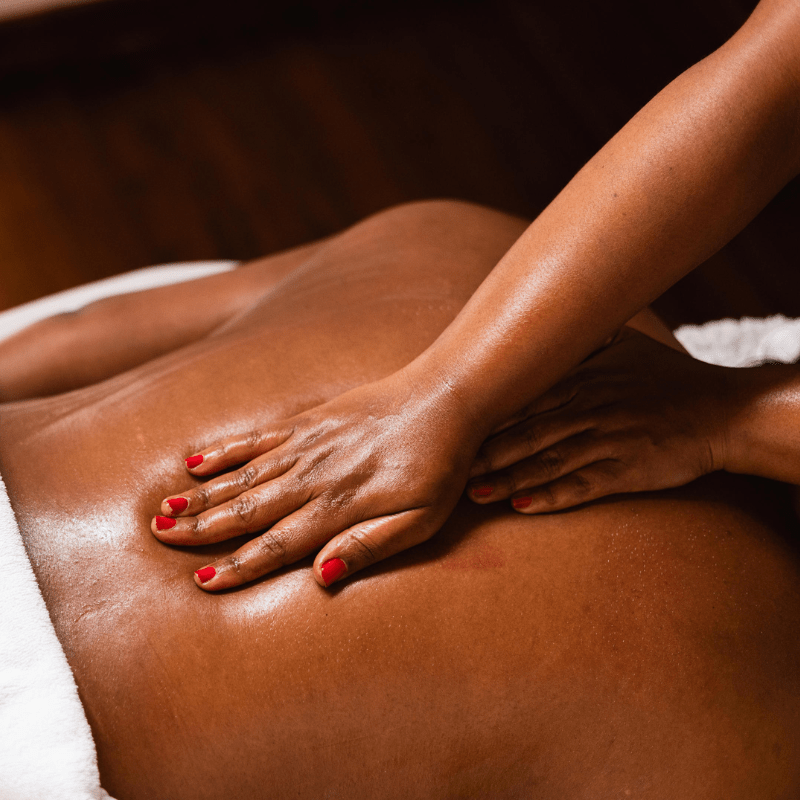
Along the coast, you’ll find luxury resorts and boutique hotels set on some of the island’s most beautiful beaches, including Beau Vallon, Anse Intendance, and Petite Anse. These properties often feature direct beach access, spa facilities, and ocean-facing villas, appealing to honeymooners and travellers seeking indulgence without isolation. Many are thoughtfully designed to blend into the granite landscape and tropical vegetation.
For travellers who enjoy nature and adventure, small lodges and hillside retreats tucked into the island’s lush interior provide cooler temperatures, sweeping views, and easy access to hiking trails in Morne Seychellois National Park. These stays feel secluded while remaining a short drive from beaches and towns.
What makes accommodation on Mahé especially appealing is choice. Whether you want the ease of a full-service resort, the independence of a private villa, or the warmth of a locally run guesthouse, Mahé allows you to shape your stay around your pace and priorities; making it one of the most versatile bases in the Seychelles.
Embrace restorative luxury in private villas edging porcelain sands framed by thirty acres of forest. Exotic tropical delights of Seychelles resorts are in abundance here where blends seamlessly with the landscape.
Mango House Seychelles is nestled deep in the South of Mahe, Seychelles. This oceanfront property offers direct access to Anse Aux Poules Bleues, Jardin Du Roi Spice Garden and Takamaka Bay Rum Distillery.
An adults-focused (13+) cliffside retreat located approximately seven kilometers from Victoria, overlooking the Indian Ocean and Beau Vallon Bay. The resort offers exclusively villa accommodation, each designed to provide privacy and uninterrupted ocean views, with selected villas featuring private infinity pools.
Mahé is the most flexible island in the Seychelles for building well-balanced itineraries, thanks to its size, infrastructure, and diversity of experiences. Whether you have a short stay or a full week, Mahé allows you to combine beach time, nature, culture, and island hopping without feeling rushed.
Short itineraries often focus on coastal exploration, pairing a handful of the island’s standout beaches with relaxed evenings in Beau Vallon or the capital, Victoria. Day trips can easily include a visit to the Sir Selwyn Selwyn-Clarke Market, a scenic coastal drive, and sunset swims on the west coast, making Mahé ideal for a 3–4 night introduction to the Seychelles.
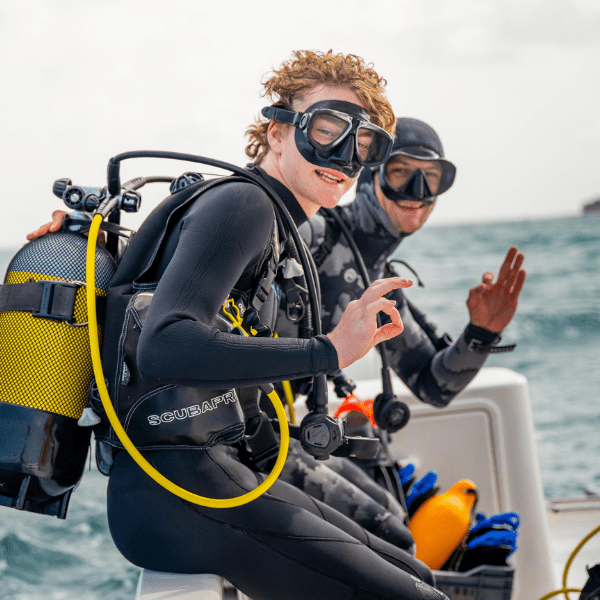
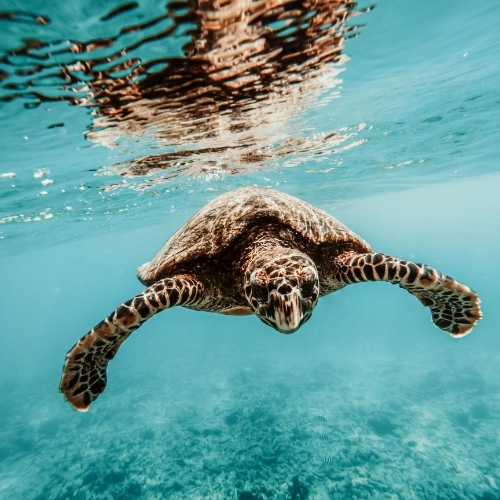
Longer stays open the door to slow travel and discovery. You can divide your days between hiking in Morne Seychellois National Park, exploring quieter southern beaches, and joining guided marine excursions such as snorkelling, diving, or sunset cruises. Mahé also works beautifully as a base for island hopping, with easy connections to Praslin, La Digue, and private islands by ferry or short flight.
Our team of destination experts will design a holiday to meet your budget and interests. Let’s start planning your tailor-made African safari today!
For travellers looking to slow the pace, pairing safari with a beach escape is a classic and rewarding next step. Indian Ocean islands such as Seychelles, Mauritius, or Mozambique’s Bazaruto Archipelago offer soft landings after early mornings and dusty tracks—think barefoot days, warm water, and restorative spa time. These combinations work especially well after intense wildlife regions like the Serengeti, Okavango Delta, or Kruger.
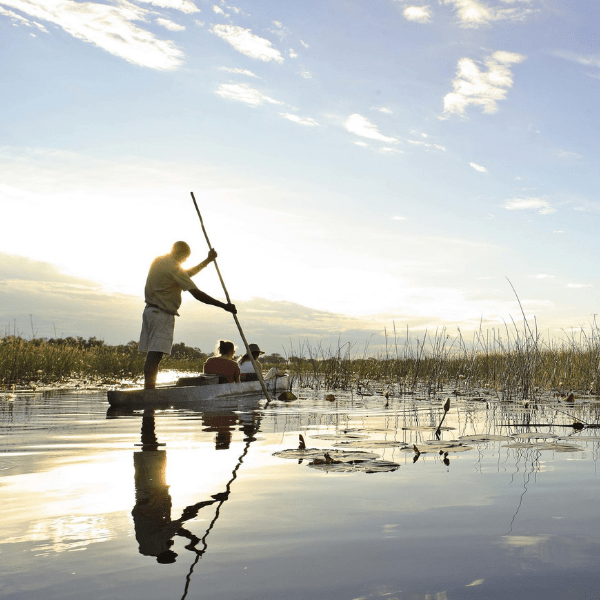
If you’d prefer to stay immersed in nature, consider extending your journey with a contrast safari. Move from classic savanna to something different: the waterways of the Okavango Delta, the desert-adapted wildlife of Namibia, or the wetlands of Zambia’s Lower Zambezi. Each ecosystem shifts the experience while keeping wildlife at the heart of the journey.
For a more cultural transition, iconic African cities make compelling additions. Cape Town brings food, wine, coastline, and design; Marrakech adds colour, history, and markets; Victoria Falls introduces dramatic scenery and adventure. These destinations add texture and story between wild spaces.