Our senses come alive when we visit Africa. After all, our sight and hearing were once survival skills, honed in nature. Our sense of smell once tested the air for the smell of smoke, ripe fruit and clean water. Our sense of taste rewarded us with edible food and our sense of touch was born from the feel of animal bones, ostrich eggs and leather hides.
So drop the smells and sounds of the modern world – traffic, phones, takeaway pizza – and prepare your five senses for a revitalization. Time for a safari; time for a festival of the senses.
SIGHT
Humans have better sight than an elephant and see more colours than lions or leopards; you might not think it, but when it comes to being able to see well and in colour, then we score highly over many of our fellow mammals.

And that’s why African landscapes blow us away. We can see the scale of the sand dunes at Sossusvlei, we can appreciate the depth and desolation of the desert in which they lie. Our eyes pick up the subtle changes of colour as sunrise illuminates the dunes, turning them from cold purple to glowing orange. Africa is a chance to lift your eyes from the tyranny of the small screen and let them wander over horizons and into the cosmos. Let your eyes scan the tall grass, looking for the tell-tale signs of hiding lions: black-tipped ears and yellow eyes, let them drift among the stars of the Milky Way on a dark night, picking out constellations and planets.
Use your eyesight for what is was intended for: watching, learning, following nature.
SMELL
Buffaloes do it. So do lions and impala – and elephants even hold up their trunks to do it. In Africa, you can do the same. Smell the air, bring the scents of Africa into your nose and mouth, across your olfactory nerves and share their world.
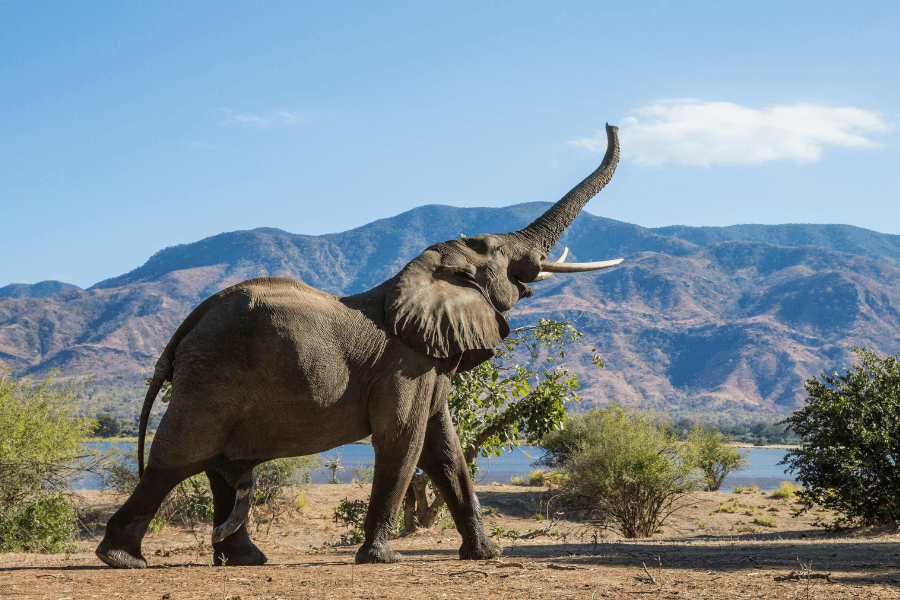
By detecting predators, approaching rain or fire, wild animals smell the air to survive. You can’t be expected to sniff out a lurking lion but you can take the time to revel in what you can smell: wild sage, elephant dung, a warm breeze during the day; wood smoke and fine food cooked outdoors at night. Our sense of smell may not have the power of a dog’s but we can smell things as well as most other mammals and certainly better than birds – recent studies suggest we may be able to smell up to a trillion different odours. In Africa, you’ll have plenty to appreciate.
HEARING
I used to work in the Kalahari Desert. Most nights were utterly silent – like a great blanket of quietness lying over everything. Then, suddenly, the warbling contralto of a black-backed jackal would slash the silence like a stiletto, and every hair on my arms would stand up. And then the booming roar of a male lion begins, coming closer as he makes his way past camp, his calling so loud and penetrating that you think you can see the wing mirror on the car vibrating.
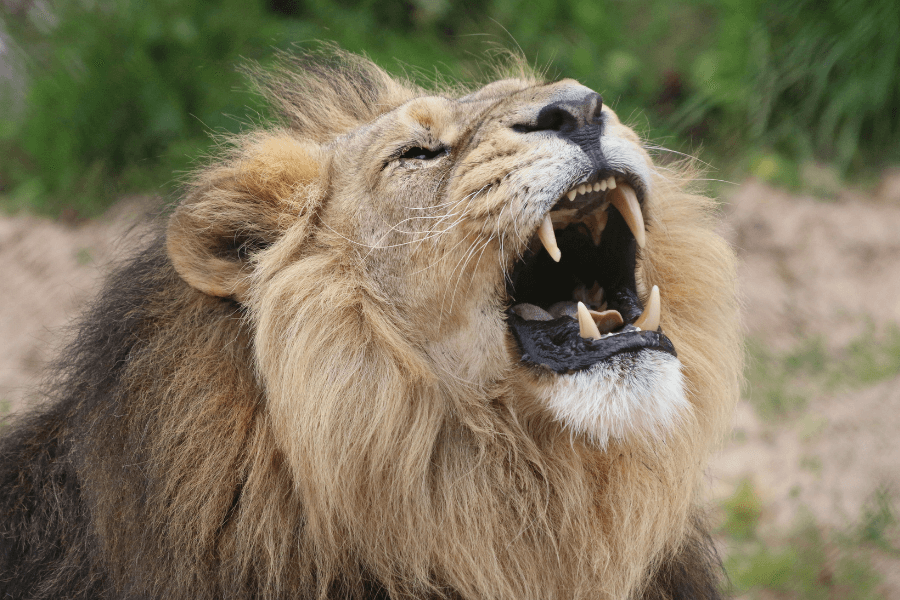
No wonder we had to develop our sense of hearing but today, it’s only when you strip out the constant fuzz of everyday noise that individual sounds can be heard. On safari, there is no constant fuzz of modern life: the background noise may be birdsong or silence; it may be the bellowing of a hundred thousand wildebeest on the move, it may be the urgent bark of an impala that has just spotted a big cat. Treat your ears to the sounds that your ancestors listened to; you’ll also hear them echoed in the songs at dinner time, performed by local troupes.
TASTE
On safari, you can expect great food and wine – that we know – but this is also an opportunity to take your taste buds on a sensory adventure.
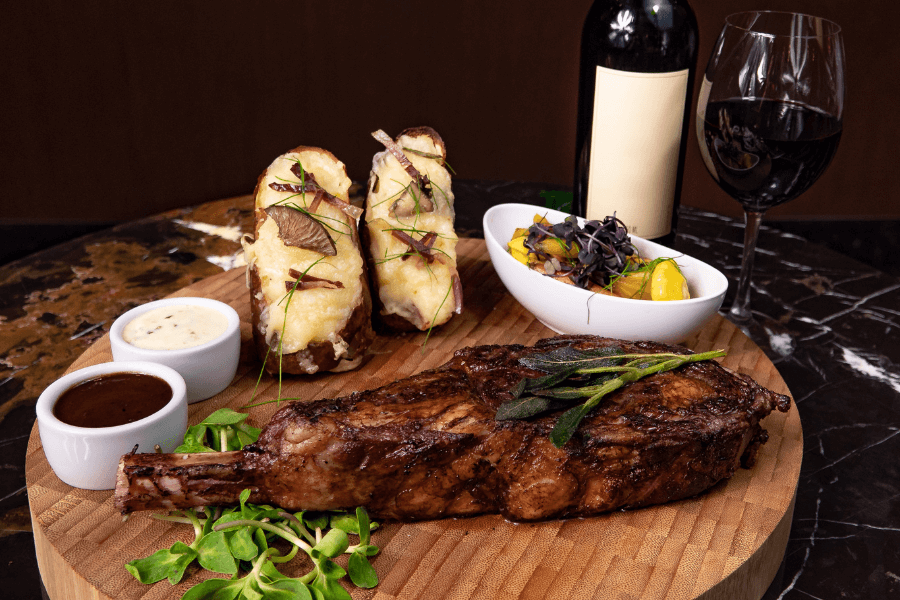
Meat-eater? Why not start dinner with springbok carpaccio and have an ostrich steak (spoiler alert: it doesn’t taste anything like chicken). Branch out a little: try a Mopane worm in Botswana (it’s a dried caterpillar but tastes better than it sounds). What about a cup of Rooibos tea with fresh buchu herbs in Cape Town? Ever eaten a gem squash? I like them with garlic and butter. And you have to try some of the Cape Malay cuisine – it tastes as good as it sounds: milk tart, bobotie and sosaties.
Vegetarian? Vegan? Africa’s safari lodges can cater for you all and if you know your kids are not going to go for the dried caterpillar, then family-friendly lodges have children’s menus too. And if you really want to treat your sense of taste, then book a couple of nights in the Cape Winelands: the friendly town of Franschhoek is home to some of the best food and wine in South Africa.
TOUCH
Take a moment when you are in Africa to bend down and pick up a handful of soil, or sand. Let it run through your fingers, roll the grains between your fingertips. You are touching the earth that our elders once walked on, that they laughed and cried and died on. Great herds of antelope once walked on this soil, taking three or four days to pass their incredulous observers.
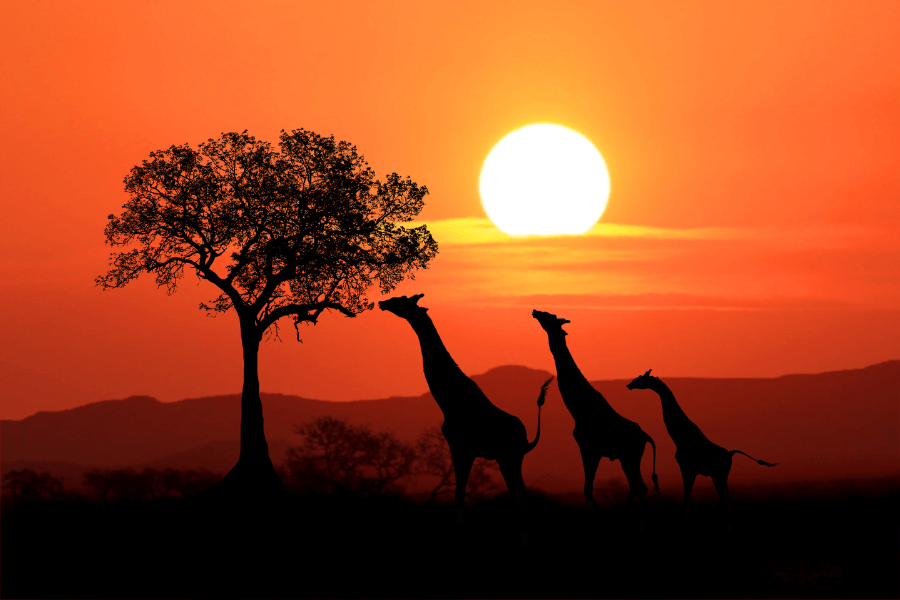
Let your hands run over the bark of a fruiting tree in the Kruger Park – a marula, a wild plum – and feel the texture that you would feel if you were to climb into its branches to harvest its bounty. Crush the leaf of a Wild Pelargonium on Table Mountain – its scent once adorned your body – and rub your hands in Confetti Bush – the pungent, oily discharge acts as a cleaner and sanitizer.
How many more smells and textures await? What more sights and sounds to marvel at? What exotic tastes are sizzling on the open fire?