Much of Africa is dry and mild in the month of June – it’s a great time for a safari so be sure to grab the last accommodation deals before peak season begins! Keep reading to find the best safari destinations for a June holiday.
June in Africa and things are getting interesting. The dry season has set in across Southern Africa, bringing with it much improved wildlife viewing, mild weather and a dramatic drop in the malaria risk. And in East Africa the heavy ‘long rains’ are ending which is good news for travellers planning a gorilla trek or big game safari as well as a beach holiday on the Indian Ocean coast.
It’s still early in the dry season though and peak visitor numbers are a month or two away; this means there are usually good accommodation deals around, especially in places that will soon see high visitor numbers such as Botswana and Tanzania. This makes June a smart month to experience Africa’s top safari destinations not only at a dry time of year but also at a reduced price and with fewer other people.
You’ll also find several iconic African destinations at their peak around June: Victoria Falls is looking amazing, the Serengeti wildebeest are on the move & Botswana’s Okavango Delta is growing bigger and deeper by the day.
Floodwaters continue to rise, attracting many animals and making it one of the best months for water-based safari activities.
The high water season coincides with Botswana’s dry winter – best time of year for water activities, the mildest weather and the lowest malaria risk.
Botswana’s Chobe River: it’s a short flight from the Okavango Delta and make a stop at Savuti on the way for dramatic wildlife watching.
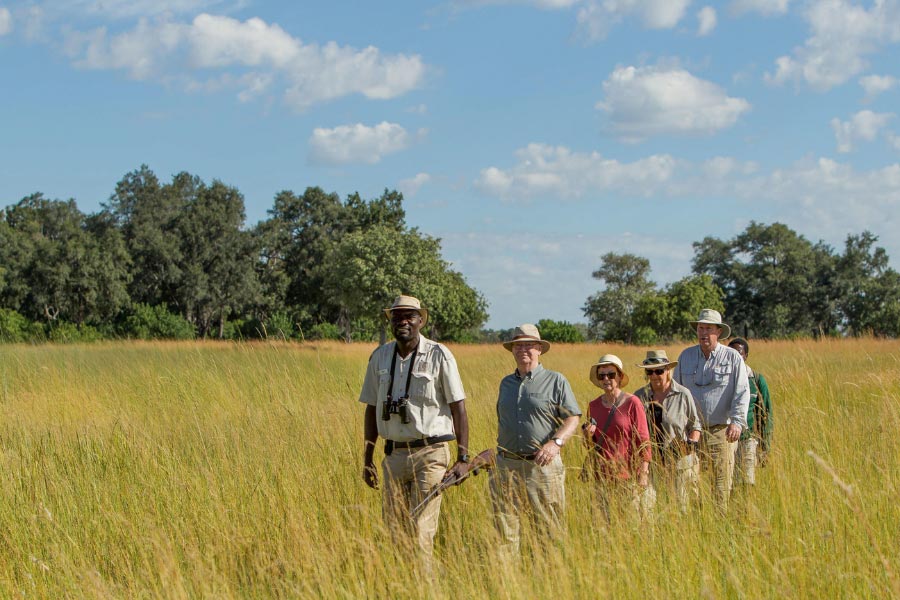
June in the Okavango Delta and it’s filling up quickly. Crystal-clear water is arriving from distant highlands, pushing into dry river beds and winter-parched grasslands; the result is a spectacular explosion of life as animals migrate into the area for fresh grazing and water. It’s the perfect time to explore the world’s largest freshwater inland delta by non-motorised means: on foot and by canoe – the traditional way, and ideal for those who appreciate the smaller, slower details of a natural environment.
Augment the water-based experience with exciting 4X4 game drives from a land-based lodge in the Moremi Reserve and you have the perfect combination of wildlife experiences. The malaria risk is minimal at this time of year, making it a good choice for honeymooners and families with children.
Other Great months for Okavango Delta & Moremi Reserve: May, July & August for dry mild weather & the highest water levels; September & October (hot & dry) for game viewing, especially in Moremi.
Shoulder-season June offers reduced accommodation rates & excellent game viewing; it’s naturally a popular time to travel & you’ll need to book a year in advance to get the itinerary you want.
The weather is mild & dry as winter sets in; big herds of elephant & buffalo are moving to water & wildlife viewing is extremely good.
Most comfortable time for a safari in this area: no rain, daytime temperatures are a pleasant 25°C to 29°C (77°F – 84°F) and cold nights.
Fly to the Okavango Delta; it’s the best time for water activities and there’s excellent game viewing in the Moremi Game Reserve.

Marking the northern boundary of the Chobe National Park, the Chobe River is quite literally the lifeline for Africa’s largest population of elephants. In June, the dry season is beginning to bite and tens of thousands of elephants are gathering along the riverbanks, joined by herds of buffalo, giraffe and antelope. Such conditions naturally attract predators and the Chobe River is a good place to see lions and hyenas as well as leopard and the occasional roving pack of wild dogs. It’s instantly rewarding game viewing – great for families! – and the river is also one of the best bird watching spots in Africa.
Choose from a range of lodges set by or close to the river or take advantage of a luxurious private houseboat and enjoy wildlife watching from a different angle.
Other Great months for Chobe River & Savuti: December & January for the Green Season; May, July & August for dry & mild weather; September & October for the biggest wildlife concentrations.
Book as early as you can: June offers the financial benefits of shoulder season with very good wildlife viewing.
The views of Mosi-oa-Tunya – the Smoke that Thunders – in the local language are magnificent. Grand finale to a big game safari.
You’ll enjoy the best weather (mild and dry). It’s the best time for game viewing across the region and presents the lowest malaria risk.
Hwange lies a morning’s drive away: it is heavyweight safari country, home to elephant, giraffe as well as lion, leopard & wild dog.
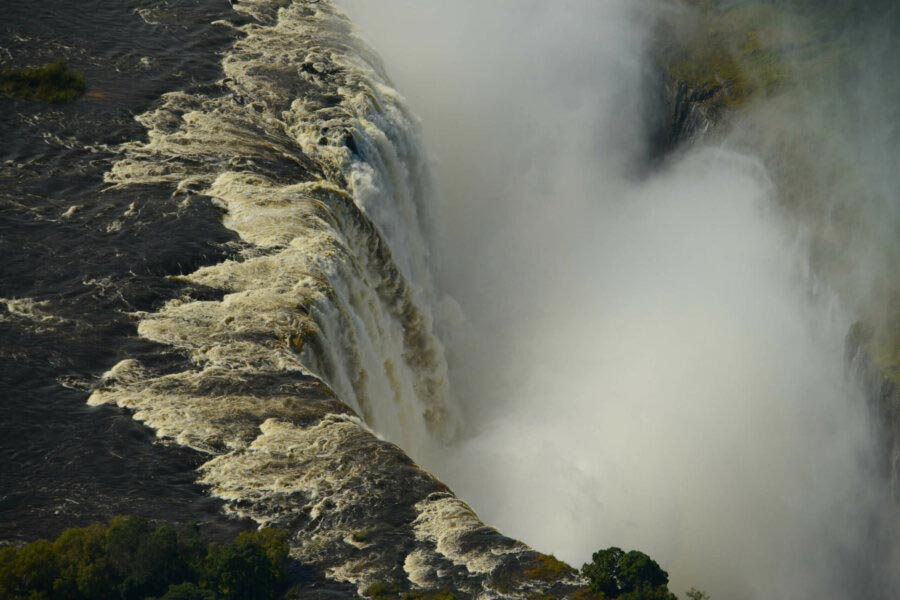
Water levels are dropping but for Victoria Falls that’s a good thing. There’s still almost a mile of water thundering over but the soaking clouds of mist and obscuring spray of the last few months have gone and Victoria Falls can be marvelled at in its full glory.
And with the rest of the country drying up rapidly under a warm sun, June is a good time to be outdoors and exploring. There are many safari and adventure activities in the Victoria Falls area and it’s easy to make a day trip across the border to Botswana’s Chobe River. You’ll need to choose between staying on the Zimbabwe or Zambia side of Victoria Falls – there is plenty of accommodation in each – and crossing the border between the two countries is usually easy if you need to.
Other Great months for Victoria Falls: March, April & May for Victoria Falls in full flow; July through October for dry weather, white-water rafting & Devil’s Pool as well as safaris in the region.
The busiest months at Victoria Falls are yet to come & there are special packages for accommodation in June – ask us about the best deals.
The wildebeest herds are moving in large numbers; it’s also a great time for Big 5 viewing in the Ngorongoro. The last shoulder-season rates.
The long rains are ending and it’s cold at night – the average low is 14°C/57°F – but it warms up to 24°C/75°F by early afternoon.
Zanzibar is the classic combination and the sunny weather is ideal for water sports, scuba diving, cultural tours & simply lazing around on the beach.
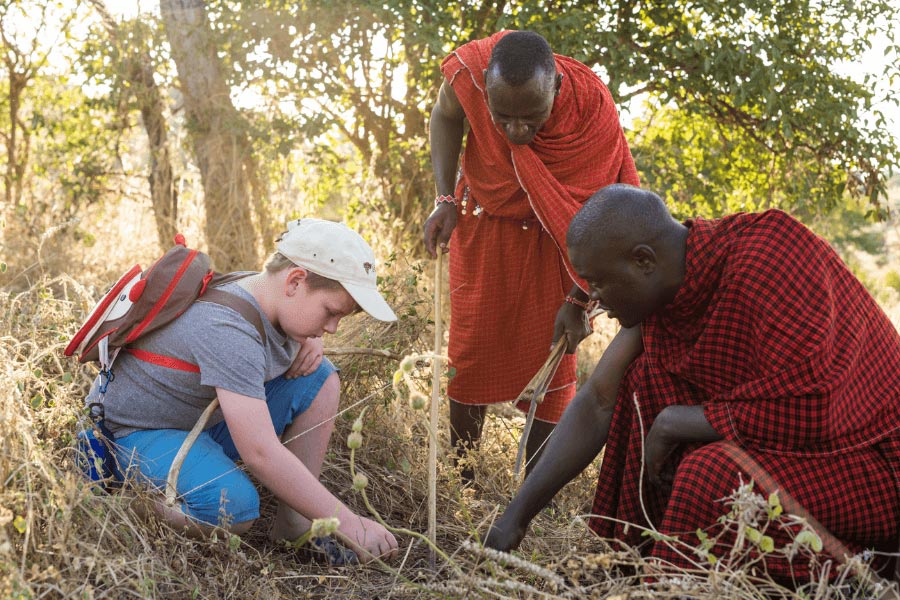
With the birthing season behind them, the wildebeest have migrated across the Serengeti National Parkand by June are peering nervously at the brown waters of the Grumeti River, on the lookout for the crocodiles that lie in wait for them.
The herds attract many other predators such as big cats and hyenas and the result is dramatic wildlife viewing, especially when combined with a safari at the Ngorongoro Crater. Home to the Big 5 (lion, leopard, buffalo, elephant and rhino), the crater delivers some of the easiest game viewing in Africa in one of its most extraordinary locations – an extinct volcanic caldera. For the ultimate scenic backdrop, stay at a lodge perched on the rim of the crater itself. It’s cold at night at Ngorongoro – the average low is 14°C/57°F – but it warms up to 24°C/75°F by early afternoon.
Other Great months for Serengeti & Ngorongoro: The Ngorongoro Crater is a year-round safari destination but go to the Serengeti between October & August for the wildebeest migration
Ask us about ‘Pay 5 Nights, Stay 7’ packages & divide your time between different lodges for a more diverse experience.
The heavy rains have finished and although there are a few showers around the sun is out and it’s one of the best months to visit.
This dry-season sees warm daytime temperatures with the water being at a balmy 27°C/81°F, you won’t necessarily need a wetsuit.
Tanzania’s northern safari destinations: Tarangire & the Ngorongoro as well as the Serengeti: the wildebeest migration is at a dramatic phases.
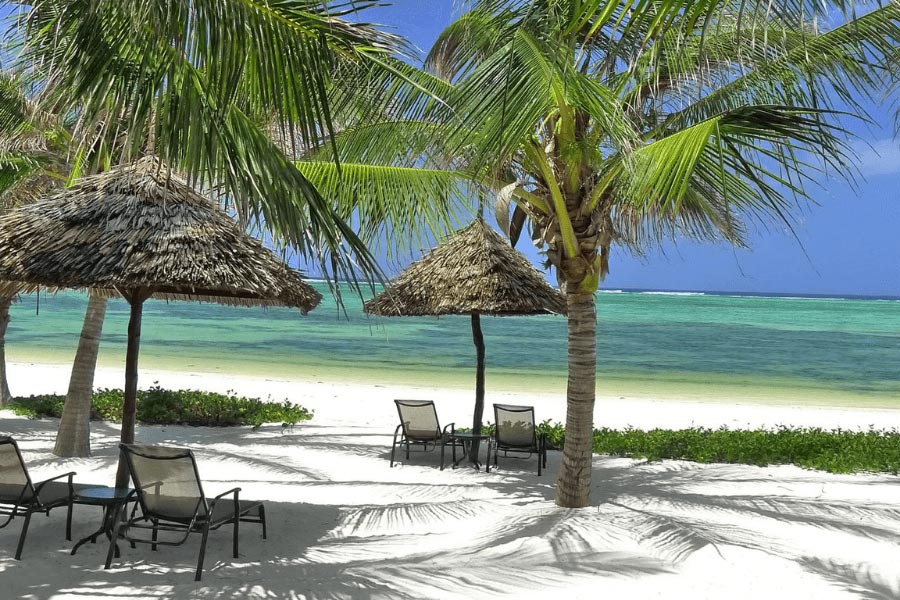
A strategic location at the crossroads of many cultures, the island of Zanzibar reflects its multiple heritages in its architecture, food and people. This is a destination of diversity and that includes a holiday here too: you can go the traditional route with lazy beaches, water sports and snorkelling, explore further afield on spice tours and architectural walkabouts, or take the plunge on a scuba dive.
Scenic and serene, Zanzibar is a natural choice for a honeymoon and there are many luxurious boutique lodges and romantic hideaways but this is also a great choice for a family with children looking for a post-safari treat – ask us about the best resorts for families.
Other Great months for Zanzibar: July through September for mild & dry weather; December through February for hot weather with occasional rain.
There are good accommodation deals for honeymooners as well as reduced rates for long stays – good value if you intend to do a lot on the island.
June marks the start of dry-season gorilla trekking and is a shoulder-season month with good-value deals around in Uganda & Rwanda.
Cold nights and not much warmer during the day, but one of the driest months in the mountain rainforests which means easier gorilla trekking.
Stay local & explore more of Uganda or Rwanda: trek for chimpanzees in forests, big game on the savannah & aquatic life from a river boat.
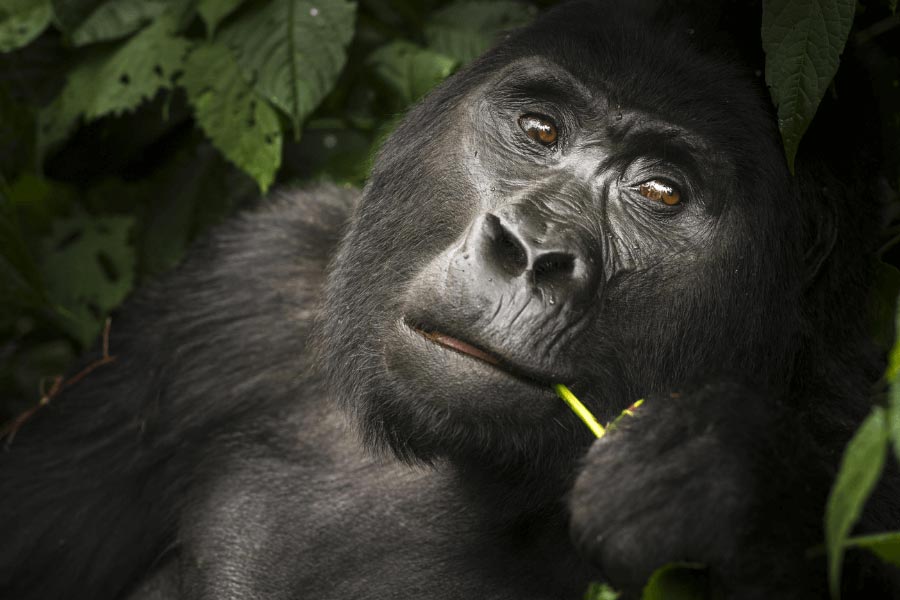
You’ll need to choose between trekking in Rwanda or Uganda; the experience is pretty much the same in either country and so is the success rate at finding gorillas (about 95%).
The main differences between the two destinations are cost and ease of logistics: Uganda offers a cheaper trekking permit plus more entry level accommodation and is the better destination for an add-on wildlife safari; Rwanda tends to have more upmarket lodges and offers an easier set of travel arrangements to reach the rainforests with more exclusive services such as private transfers.
Other Great months for Gorilla Trekking: There are two distinct dry seasons: December, January & February as well as July, August & early September.
Gorilla trekking can be expensive; take advantage of June’s accommodation offers & ask us about value-for-money packages.
There’s no rain, the sun shines all day and the landscape is still looking beautiful; it’s a great time for game viewing & you are ahead of the peak-season crowds.
The best time for game viewing, the risk of malaria is at its lowest, nights are cold and clear, and afternoon temperatures are often warm enough to lie by the pool.
South Africa’s extraordinary Tswalu Reserve in the red-sand Kalahari before flying to Mozambique & a palm-shaded beach chalet.
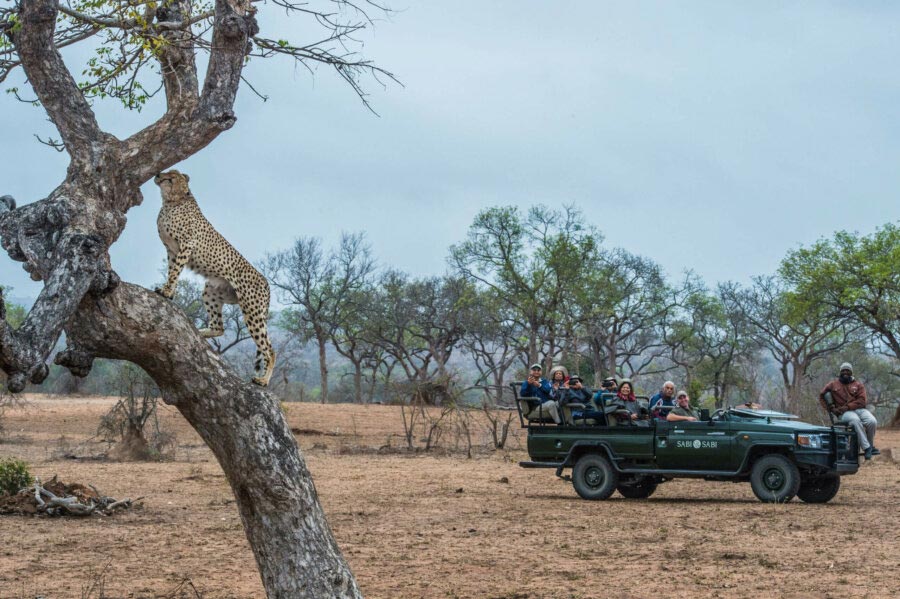
June in the Kruger National Park and conditions are great for a safari: the malaria risk has virtually disappeared along with the rain and animals are beginning to gather at waterholes in the afternoons.
The Kruger is South Africa’s flagship national park and can be toured on a self-drive holiday but we’d also recommend the private reserves that lie on the Kruger’s western boundary. Featuring iconic safari brands such as Sabi Sands, Mala Mala and Thornybush, these reserves offer some of the best Big 5 game viewing in Africa and have a surprisingly wide range of accommodations. The guiding is top-notch and you’ll also experience activities not generally permitted in the Kruger Park such as spot-lit night drives, walking safaris and off-road driving for exceptional sightings.
Other Great months for Kruger Park & Sabi Sands: July through October for dry weather & the easiest wildlife viewing; November to early January for the Green Season.
Take advantage of your location: there are good travel connections straight from the Kruger Park & you’ll get good value taking a packaged itinerary that combines it with other destinations.
June is a great time to experience Africa’s diverse landscapes, abundant wildlife, and unforgettable adventures. From iconic game drives to hidden seasonal gems, our travel experts know how to build a safari that makes the most of this special time of year.
