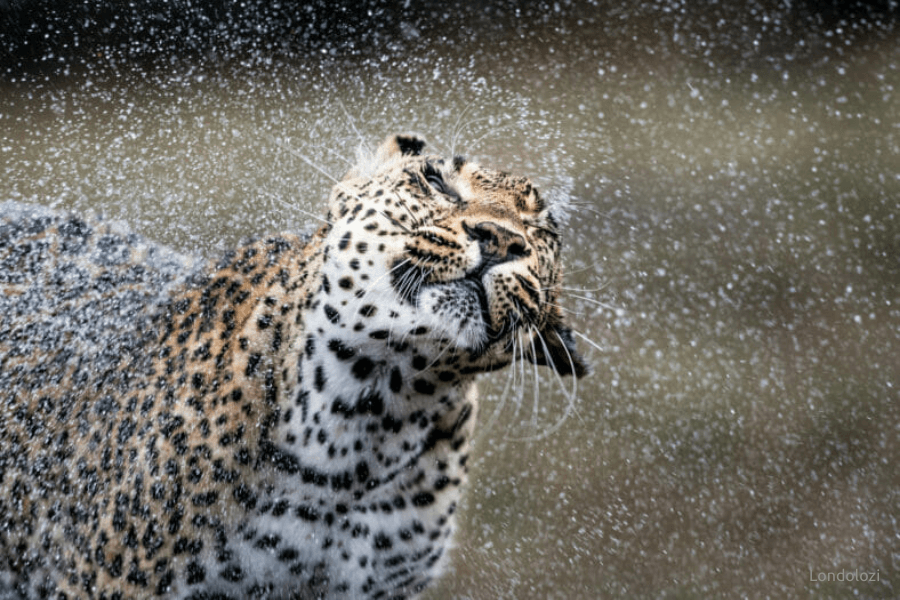
They say everyone is a photographer these days, thanks to hi-tech digital cameras and online editing tools. But that doesn’t mean it is cheap: good cameras and the lenses suitable for wildlife photography can be ferociously expensive. If you already have the gear, there’s also the question of whether you actually want to take it on a bumpy dusty safari.
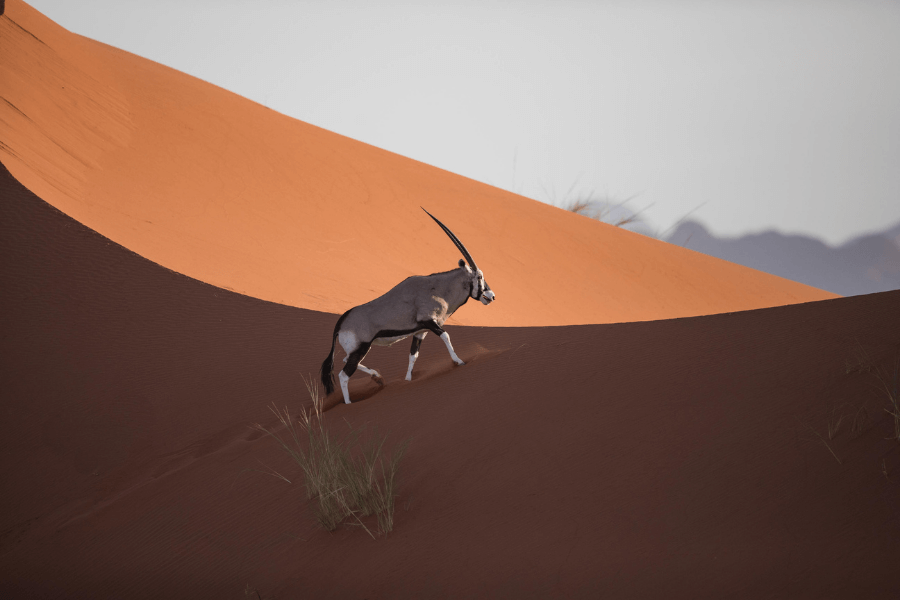
Moreover, hi-tech doesn’t mean that photography is easy: there are the mechanics of photography – understanding the role of light, how to frame the perfect shot and so on. And of course you need to get to the animals themselves – whether wallowing hippos or lions on the hunt – and take pictures while confined in a vehicle or bobbing about on a boat.
Make it easy on yourself with one of Africa’s photographic safaris. Led by an experienced photographic guide, there are two types, each suitable for photographers whether beginners or professionals.
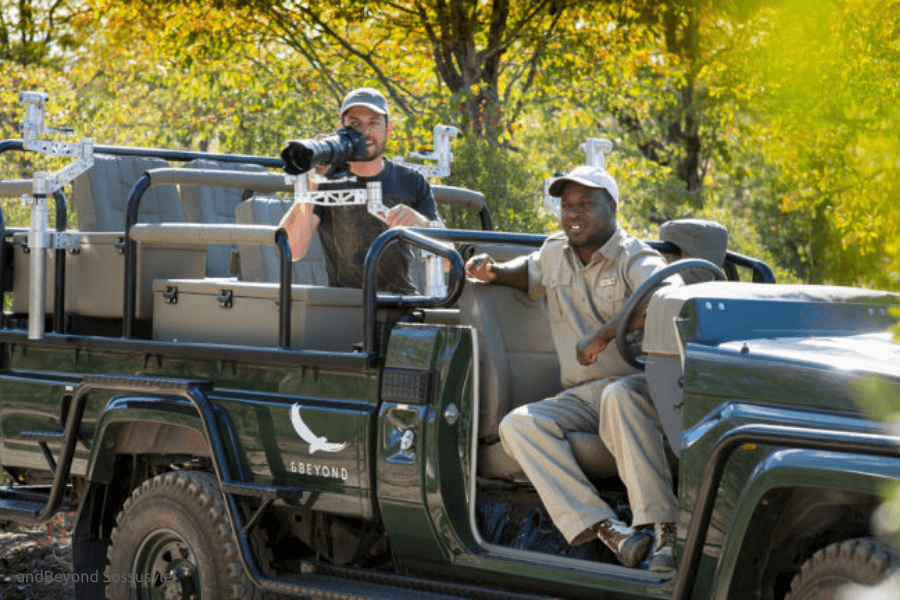
The first is a safari created for travellers bringing their own cameras and photographic equipment. Specially-designed vehicles are equipped with swivel seats and stabilising camera mounts; some have hatches and cut-away sections for you to lie flat on the floor of the vehicle and there are great details like bean bags (ideal for resting your camera on), battery charging points and storage areas for kit. Boats come with 360° swivel-chairs and gimbals – a stabilising arm – to keep cameras steady while photographing subjects from water.
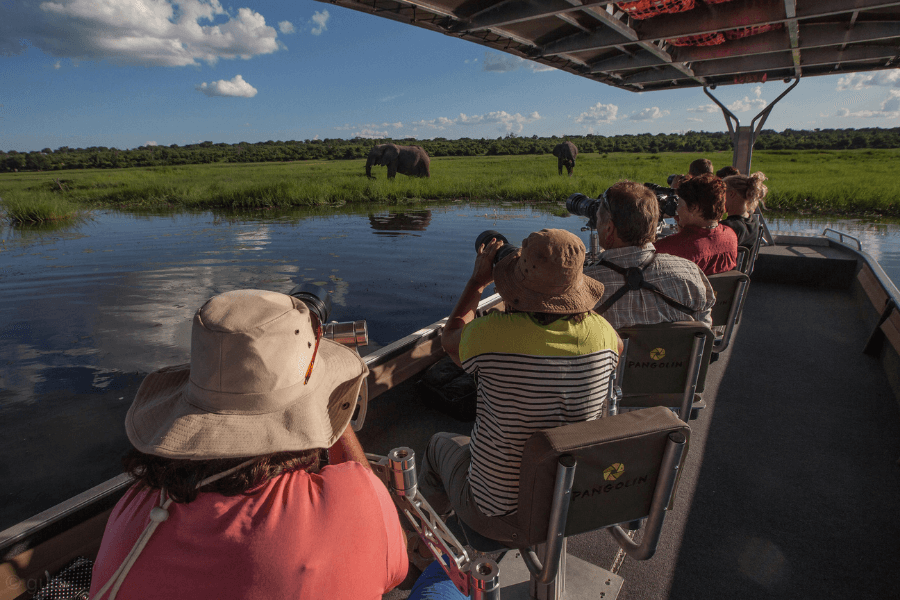
The second type of photographic safari involves all of the above as well as the camera rental itself. In other words, the lodge supplies everything. You’ll have the use of a professional SLR camera with the appropriate lenses for wildlife photography, and – if you’d like it – all the tutorage you need from your photographic guide.
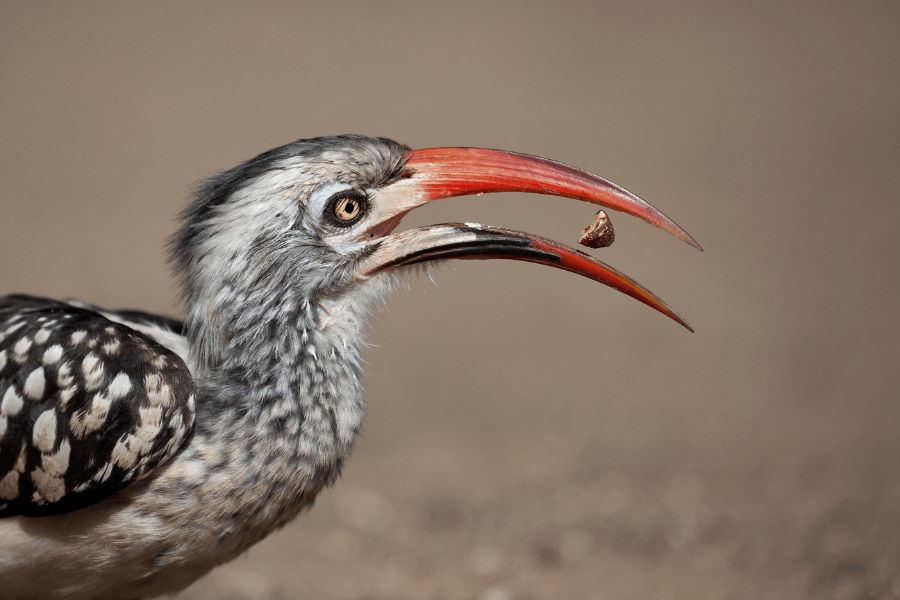
The advantage of having a specialist guide is further strengthened in the search for your wildlife subjects and their landscapes. These guides know the local area and its animals, they know how best to manoeuvre a vehicle or boat into place for the right shot. Guide-led activities range from drives and boat safaris to walks and simply waiting at a hide over water.
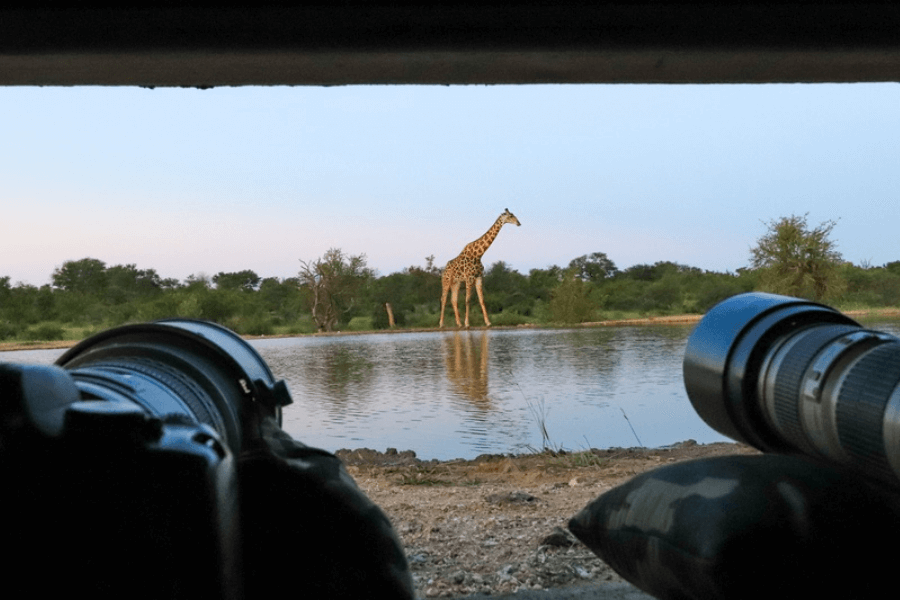
And the service extends beyond the game drive; some lodges have in-house photography studios with free-to-use equipment for post-processing and editing.
There’s a price to pay of course; or at least an additional one. Photographic safari vehicles are more exclusive – some only have three seats – and need to be booked well in advance. And the camera rental too – though it should be said that some photographic safaris have state-of-the-art cameras on offer. It’s certainly cheaper than buying them!
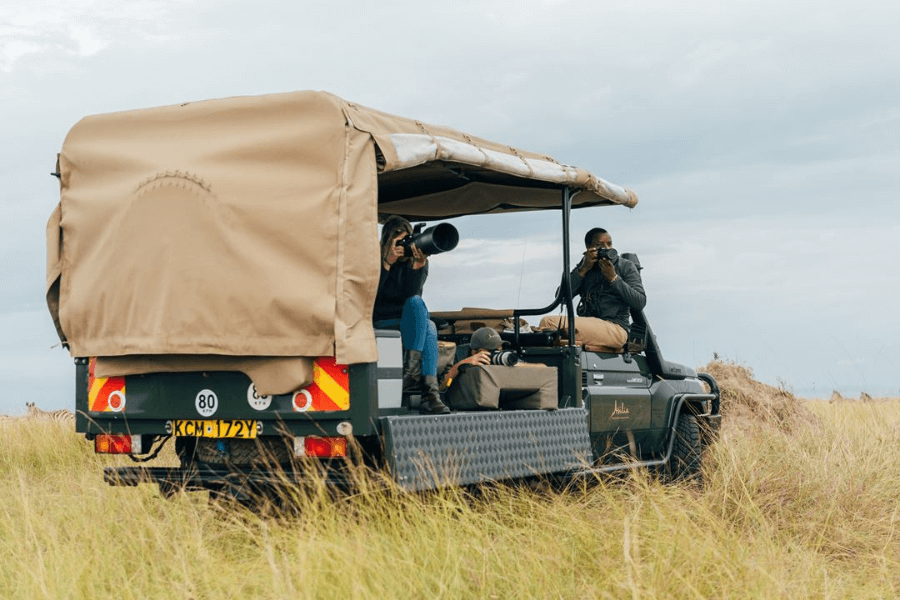
Photographic safaris can be enjoyed all over Africa: if you’ve ever wanted to photograph East Africa’s famous wildebeest migration but weren’t sure how, then there are photographic safari operators in both Kenya and Tanzania. As for Southern Africa, you can book photographic safaris to Botswana for incomparable elephant images, record the night skies in Namibia’s deserts or head to South Africa to find the Big Five – lion, leopard, rhino, buffalo and elephant. You can even choose a malaria-free reserve in which to do it.