Tanzania’s Tarangire National Park is one of those destinations that you have heard of but perhaps remain unsure about whether you should visit or not. How does it compare to the famous Serengeti or Ngorongoro Crater, for example? Is it really worth adding a few days onto your safari? And, since we are on the subject – where is it?
Tarangire lies in northern Tanzania and is very much part of what is called ‘the northern circuit’, a collection of iconic safari destinations that are – if not contiguous – located close to each other: the Serengeti, the Ngorongoro Crater and Lake Manyara. In fact, the Tarangire National Park is closer to Urusha airport – the entry/exit point for the northern circuit – than any of the other destinations.
So, the Tarangire makes a great start or finish to a classic northern safari circuit but what is it all about? Why go to Tarangire? The answer is diversity – of both nature and your own experience.
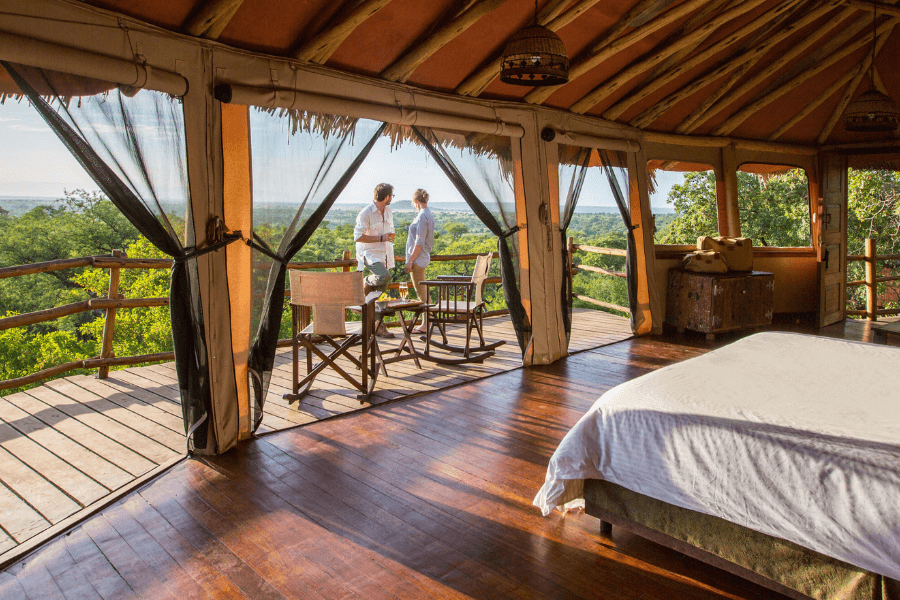
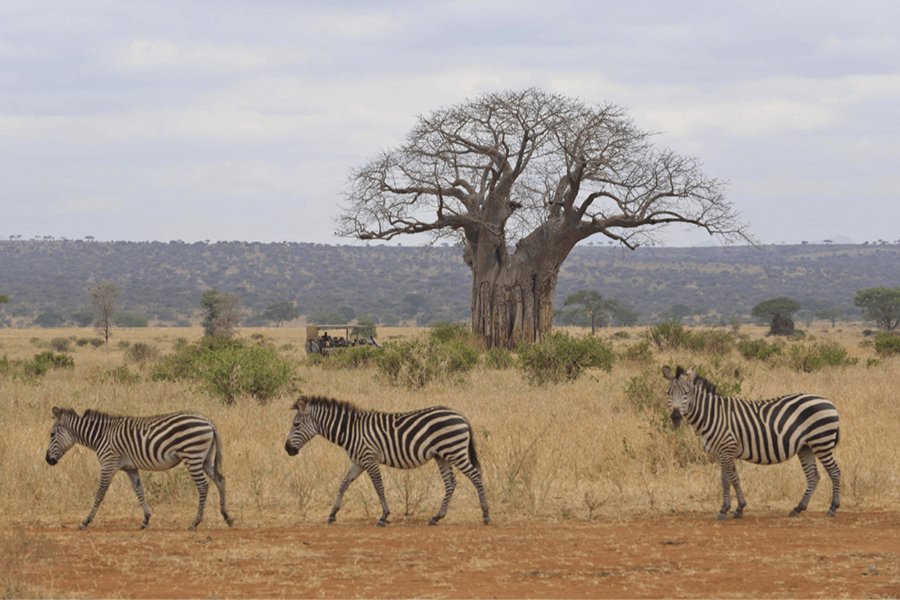
The first thing you’ll notice about Tarangire is that it is more forested than the Serengeti or Ngorongoro Crater where open grasslands dominate. These Tarangire woodlands support different animals to the grasslands – the long-necked gerenuk antelope is an example – and more familiar animals have adapted to the landscape: Tarangire’s lions are famous for their tree-climbing behaviour. You’ll also see the hulking figures of baobabs: odd, soft-timbered ‘succulent trees’ whose branches spill out, root-like, from a huge, thick central column.
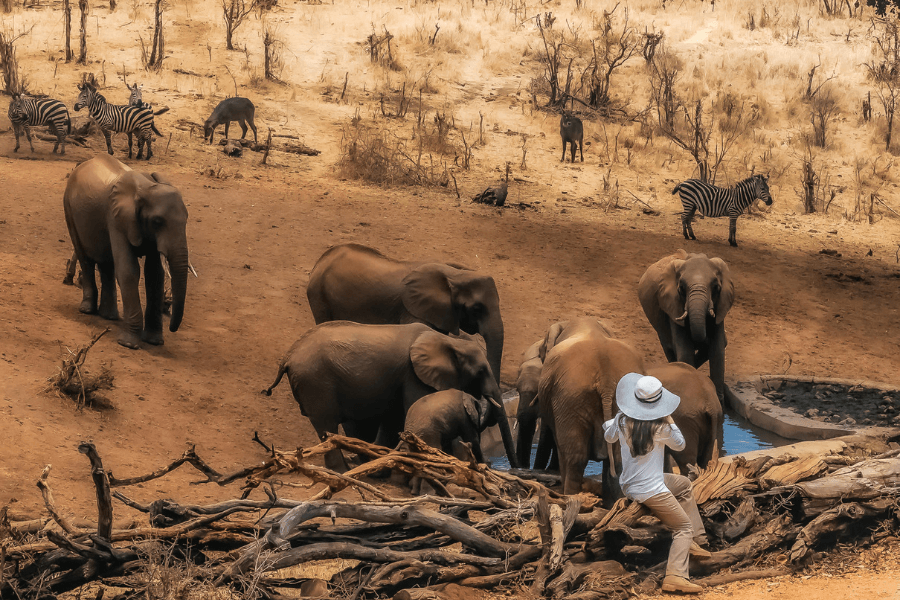
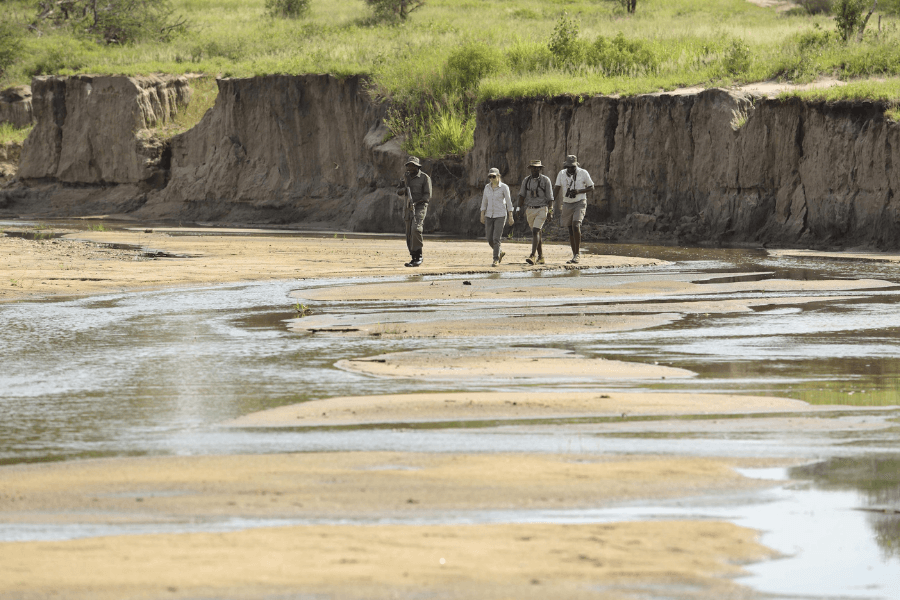
But it’s in the dry season that Tarangire shows why it’s worth the extra couple of days. The Tarangire River from June to October becomes a magnet for thirsty animals: red dust hangs in the air as herds of elephant, buffalo and antelope move to the river’s remaining loops of water where they find big cats and hyenas waiting for them – and if you are lucky – African wild dogs too.
Such diversity is reflected in the safari activities offered at Tarangire: there are morning and afternoon game drives of course, but also walking options ranging from a guided nature ramble around camp to multi-day adventures where you camp out in the wilderness. If fly camping is your thing, then Tarangire is your place. More? With a reputation as the area with the world’s most breeding bird species, the bird watching is exceptional at Tarangire – the park has recorded over 550 species (twice the number regularly listed in the British Isles) and several lodges will have a birding specialist guide.
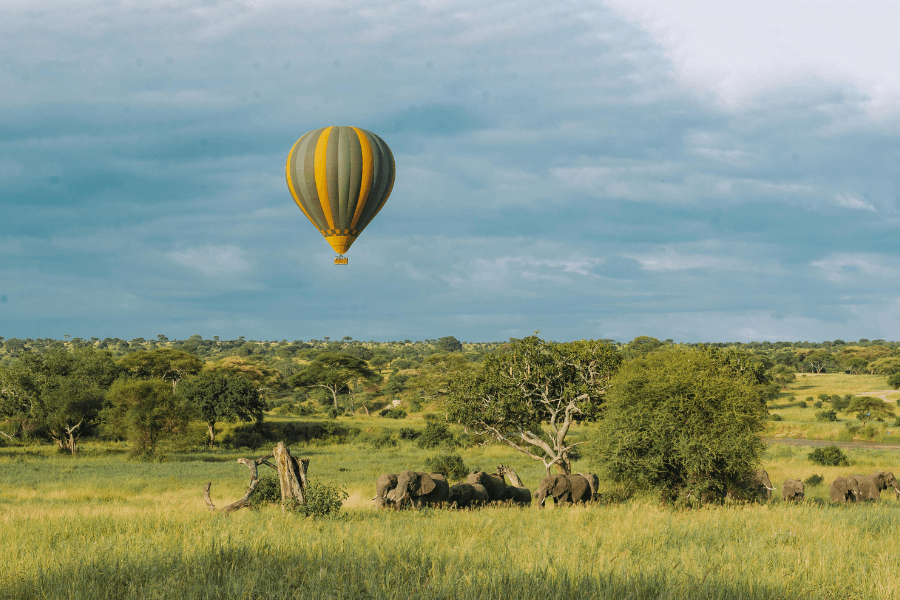
But it is from the air that you’ll really appreciate the Tarangire add-on, and several lodges offer hot-air balloon safaris in Tarangire. Ballooning means waking up early – but that’s normal on safari – as you need to get airborne before sunrise; then the reason for the pre-dawn start becomes clear: golden light spills over the horizon and illuminates the red earth of Tarangire, making it glow like a ripe fruit – the cherry on the top indeed.