
South Africa’s Winelands lie in the valleys of the Western Cape’s magnificent mountains and are as diverse in character as the wines they offer. Climate, altitude and proximity to the ocean all play a part in producing not just fine wines but excellent food too: olives, cheese, chocolate and the Michelin-starred chefs to make it.
It all starts in Cape Town, home of South Africa’s first wine farms and travel hub for the Western Cape and beyond. Here you’ll find the Constantia Winelands, conveniently located just 30 or 40 minutes from the centre of Cape Town. And it doesn’t take much longer by car to reach the classic Cape Winelands where you’ll find Stellenbosch and Franschhoek, historic wine towns with postcard scenery, lots to do and even more to eat.
But other wine regions – some long-established, others quite new – extend further into the Western Cape countryside and offer ‘wine & dine’ destinations that are relatively off-the-beaten track but just as delicious as the more famous wine regions. Like the Cape Winelands, these other regions can be incorporated into a day tour from Cape Town but are much, much better if enjoyed at a slower pace, with at least one overnight.
Enough talking: the clinking of wine glasses approaches – time for tasting.
CAPE TOWN’S CONSTANTIA WINELANDS
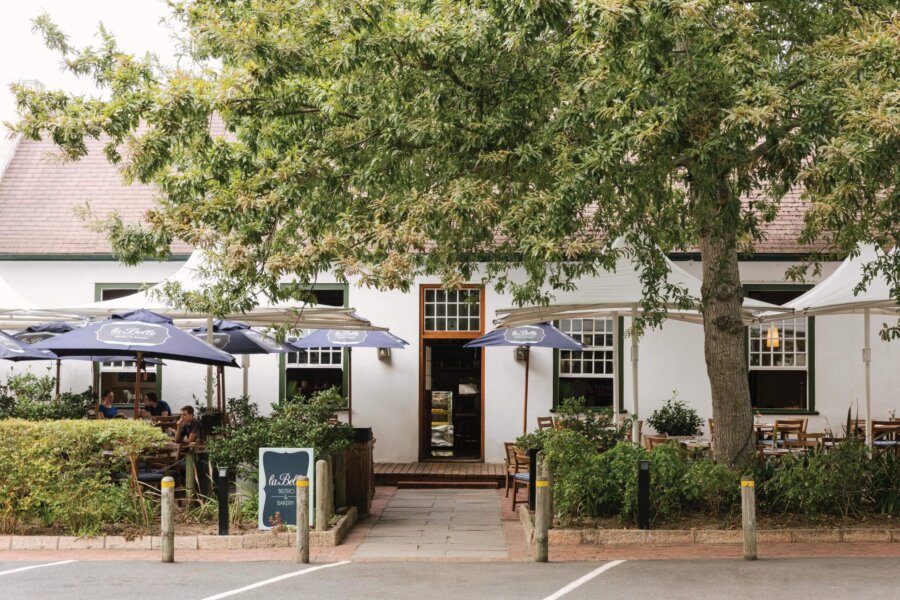
Tucked away at the back of Table Mountain lie South Africa’s original vineyards. Known for its Sauvignon Blanc, Sauvignon Blanc Semillon blends and Bordeaux-style reds, the Constantia area is especially famous for its sweet dessert wines. It’s a green and leafy landscape with some of the best examples of Cape Dutch architecture and also home to some of the best restaurants in Cape Town.
Constantia Winelands: Where to Stay
Constantia is so close to Cape Town that you can stay wherever you like – the V&A Waterfront or Camps Bay for example – and still have plenty of time for the winelands. But if you’d like to live the Constantia experience, then there’s no shortage of excellent accommodation in the area, including boutique guesthouses and hideaway honeymoon suites. Kirstenbosch Botanical Gardens, great restaurants and shopping are all close by.
Constantia Winelands: What to Do
It’s so easy to experience the Constantia Winelands that you can do it yourself. And if everyone is tasting wine, then catch a bus. Cape Town’s unmistakable red Hop-on-Hop-off bus is a popular way to sightsee the peninsula and its ‘blue route’ takes you to the Constantia Winelands; transfer here for the local ‘wine bus’ and you have up to three wine farms to visit plus a scenic drive back to town.
But if you’d like to learn a little more, then book a guided tour through the vineyards where you’ll gain insights into the landscape and local history. Dig a little deeper and combine the Constantia Winelands with a morning hiking, birding or nature tour, taking in destinations such as Boulders Beach penguin colony, Table Mountain or Cape Point.
THE CLASSIC CAPE WINELANDS
When people talk of the winelands, they usually mean the Cape Winelands, an area of outstanding natural beauty just an hour’s drive from Cape Town. You’ll know the names of the towns – Stellenbosch, Franschhoek and Paarl – and, no doubt, their reputation for fine food but it’s the wine that has made this region famous. It’s warmer here than Cape Town and red wines dominate: Cabernet Sauvignon, Shiraz, and South Africa’s unique contribution to wine – Pinotage. Try also the champagne-like Cap Classique and, on the white side, Chardonnay and Chenin Blanc.
Cape Winelands: Where to Stay
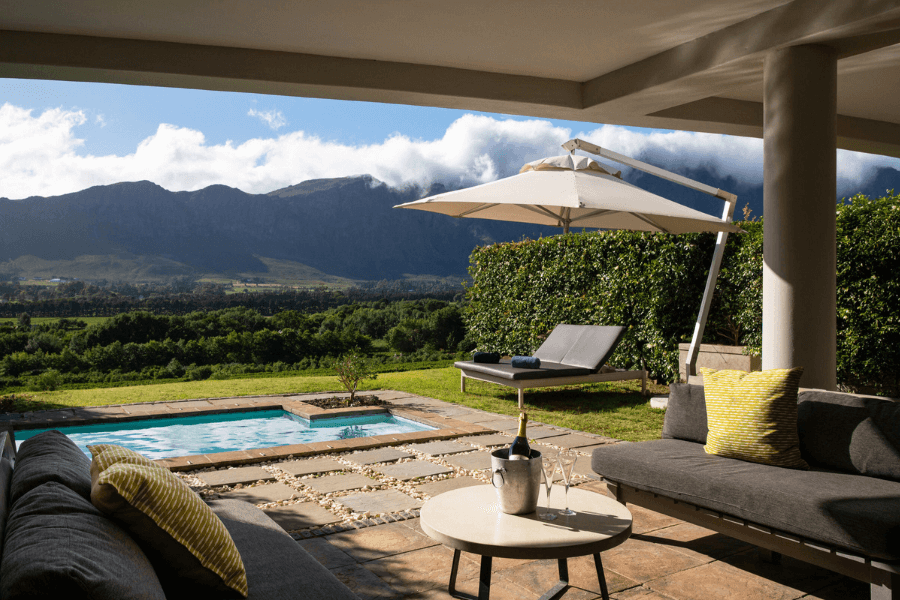
Stellenbosch and Franschhoek are the two best places to stay in the Cape Winelands from the perspective of the visitor; both have a wide range of accommodation in a safe and user-friendly environment. Franschhoek is especially easy to experience; lodges, hotels and guest houses are often within walking distance of the centre of town where you’ll find restaurants, museums and artisanal coffee shops. Honeymooners may prefer the privacy of luxury accommodation on wine farms.
Cape Winelands: What to Do
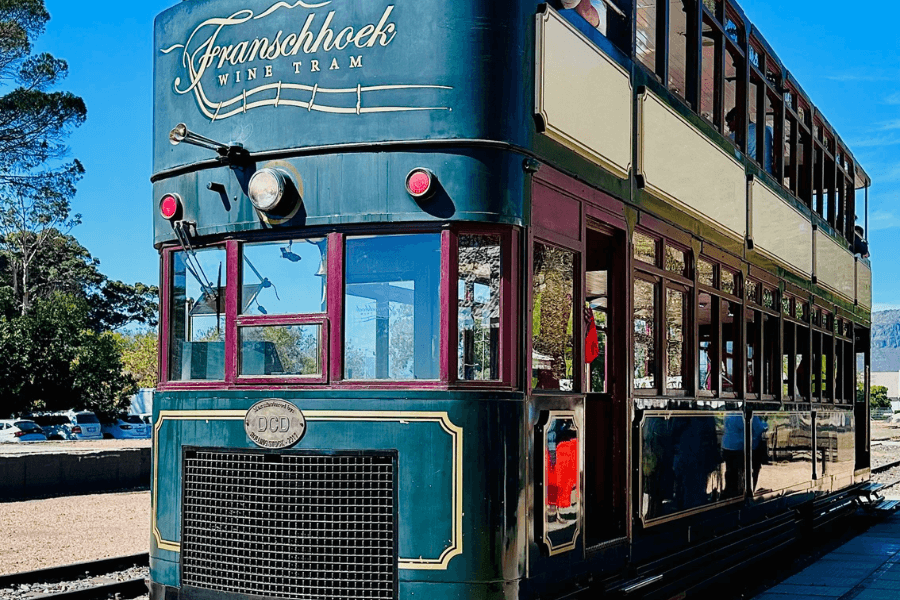
It’s a popular self-drive destination which gives you the independence to explore yourself but if you are wine tasting, then various wine tours are available – indeed, if you want to balance the extra calories with some exercise, then there are even mountain bike wine tours. The easiest way to do it however is to just sit back on Franschhoek’s famous wine tram as it gently makes its way around the town’s vineyards.
Apart from the wine, the Cape Winelands lie at the heart of hiking country (Franschhoek is especially good for hiking) and is just an hour’s drive away from the Whale Coast where you’ll find penguins, a gorgeous botanical garden, walking trails and whale watching in season.
HEMEL-EN-AARDE WINELANDS – NEW & EXCITING
Named after the craggy mountains that reach up into the sky – the Hemel-en-Aarde (Heaven and Earth) Valley only saw its first vineyards in the 1970s but its cool maritime climate has proved heavenly for the country’s best Pinot Noir and some great Chardonnays. Taking home the most trophies, gold medals and top ratings per case of wine in South Africa, the Hemel-en-Aarde Winelands have made up for their late start. It’s an hour and a half’s drive from Cape Town but only 20 minutes from the town of Hermanus, gateway to the Whale Coast.
Hemel-en-Aarde: Where to Stay & What to do:
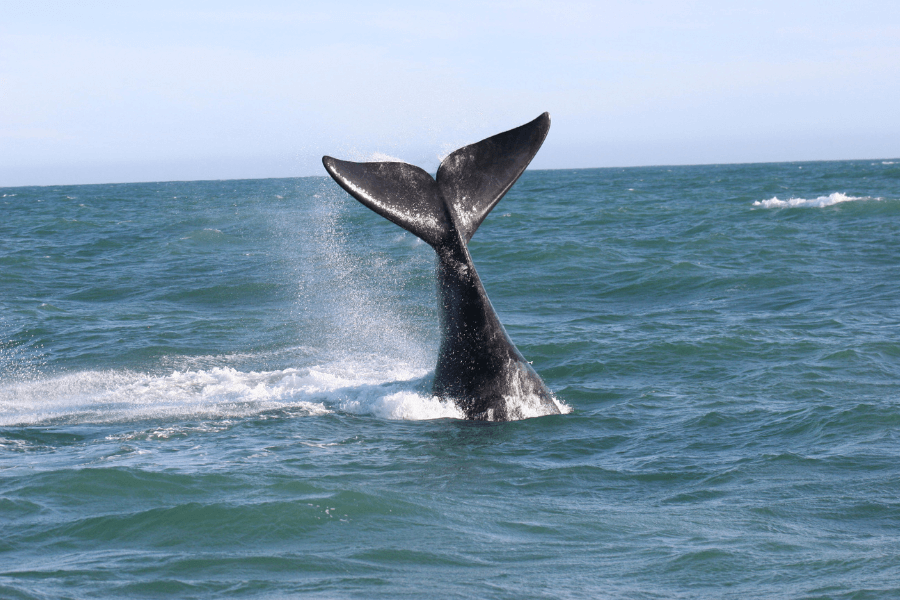
Get the best of best worlds and stay in Hermanus. Set on the coast, Hermanus is the epicentre of whale watching in season (July through October) and has a wide range of accommodation to suit all travellers. Guided tours to the Hemel-en-Aarde winelands leave from Hermanus and are recommended as they take the guesswork out of where to go and how to do it. Apart from wine and whales, Hermanus is an area of exceptional natural beauty: go on guided hikes, nature walks and tick off endemic birds ranging from endearing penguins to bejewelled sunbirds.
RIEBEEK-KASTEEL WINELANDS – WINES & OLIVES
Travel north from Cape Town for a couple of hours and you’ll notice the temperature climbing; the town of Riebeek-Kasteel lies in a predominately warm and dry part of the Western Cape – the Swartland – and its wines reflect this: Shiraz and Pinotage are the best known, as well as the region’s Chenin Blanc.
Riebeek-Kasteel Winelands: Where to Stay & What to Do
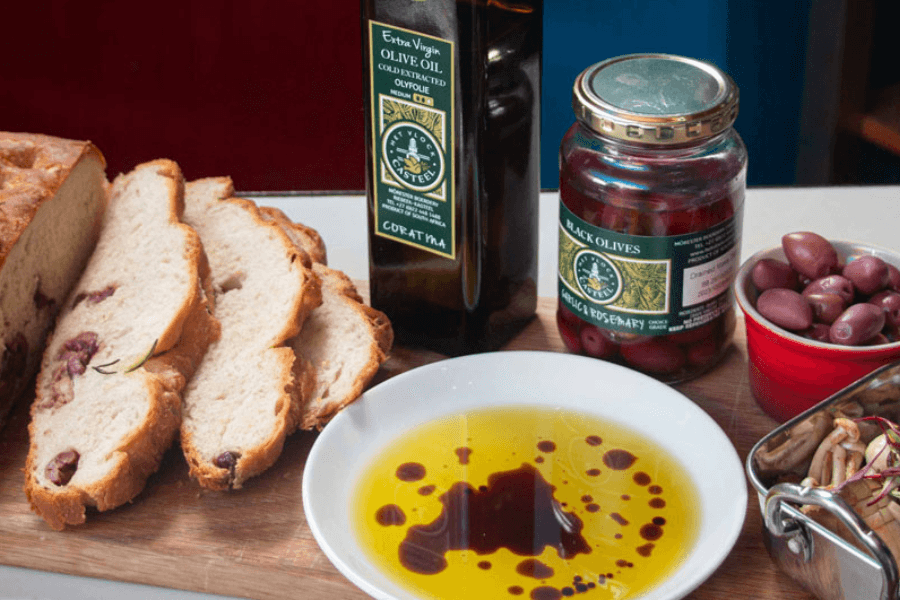
You can visit Riebeek-Kasteel on a day trip from Cape Town, and if you do visit, come hungry: Riebeek-Kasteel lies in a rich agricultural region with a reputation for the best olives in South Africa. Ideally, you’d plan your stay to coincide with the annual Riebeek Valley Olive Festival (September) when the wines, olives and culture of the Swartland are celebrated over a weekend of fun and food.
OLIFANTS RIVER WINELANDS – MOUNTAIN COUNTRY
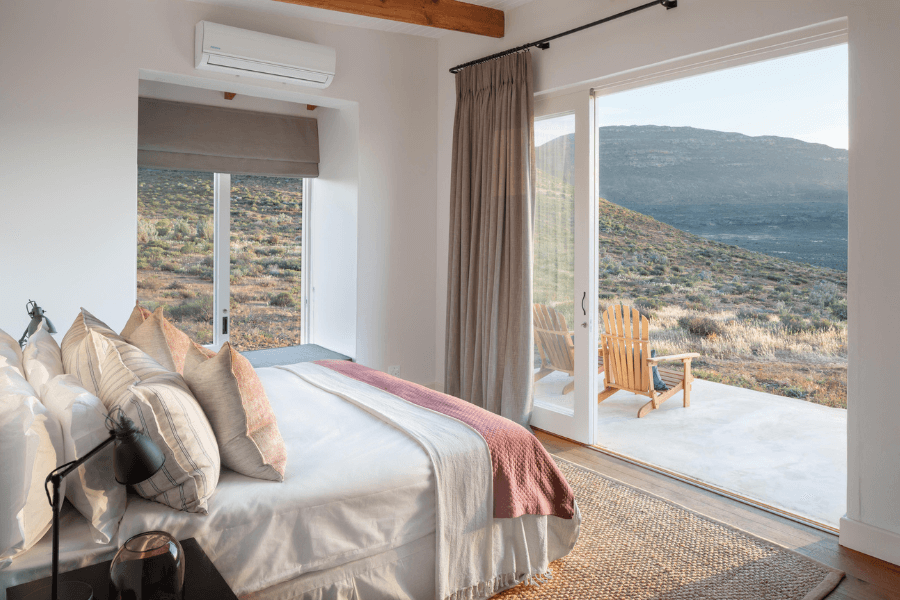
North of the Swartland the landscape suddenly rears up into a big mountain range – the Cederberg – where wine has been grown since the 1700s, nurtured by the water from the Olifants River. Hot and dry, the region delivers robust reds – Shiraz, Cabernet Sauvignon and Pinotage – with its cooler coastal areas producing very good Chenin Blanc and Sauvignon Blanc.
Olifants River Winelands: Where to Stay & What to Do
It’s half a day’s drive to the Olifants River from Cape Town so it’s worth booking accommodation out there if you want to do justice to the area. As well as wine, this is also South Africa’s citrus region as well as the only place you’ll find the famous local tea ‘rooibos’ growing. There are guesthouses and lodges in the small towns of the Cederberg but we’d recommend a couple of nights at a mountain lodge where you can go on walks and drives to learn about the unique flora and fauna, visit rock art sites and gaze at night skies so dazzling you may need to put your sunglasses back on.