
Ever wondered about the Caprivi Strip? It’s that peculiar part of Namibia that sticks out, like a finger, between Angola and Botswana and touches the Zambezi River. Named after the 19th century German diplomat who brokered the deal, this corridor was connived by colonial powers, granting access to the Zambezi River and, it was hoped, beyond.
As a strategic conduit to the Zambezi River, the Caprivi Strip proved a failure but in one of history’s great ironies, this colonial leftover has delivered to Namibia one of its greatest assets both in terms of natural bio-diversity and safari tourism.
The Caprivi Strip offers a completely different environment to the rest of the country. Think “Namibia” and you’ll have in mind the sand dunes of Sossusvlei and dry grasslands of Etosha. But the Caprivi Strip is a landscape of rivers, wetlands and backwaters; it’s where Namibia takes on the lush, verdant appearance of the Okavango Delta – indeed, the Okavango River flows through the Caprivi!
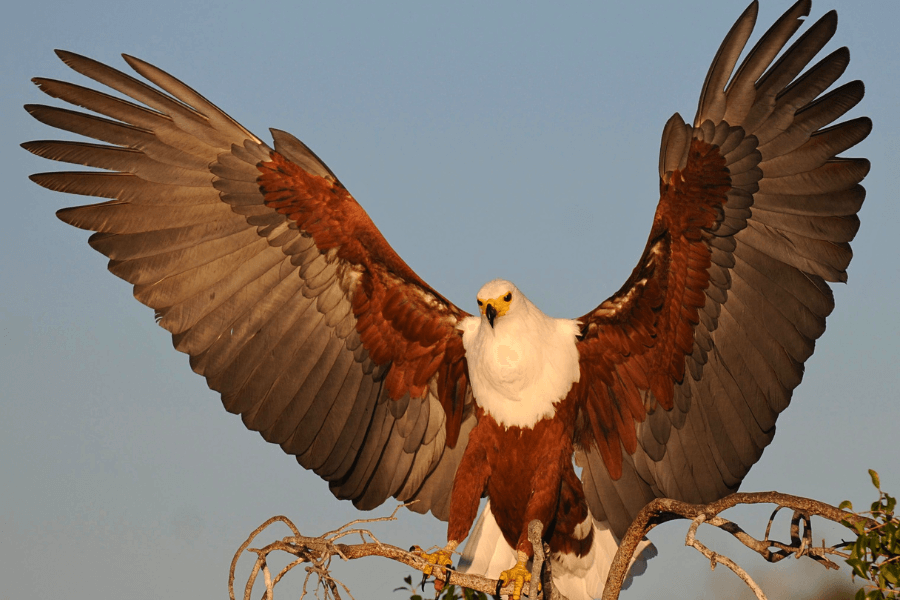
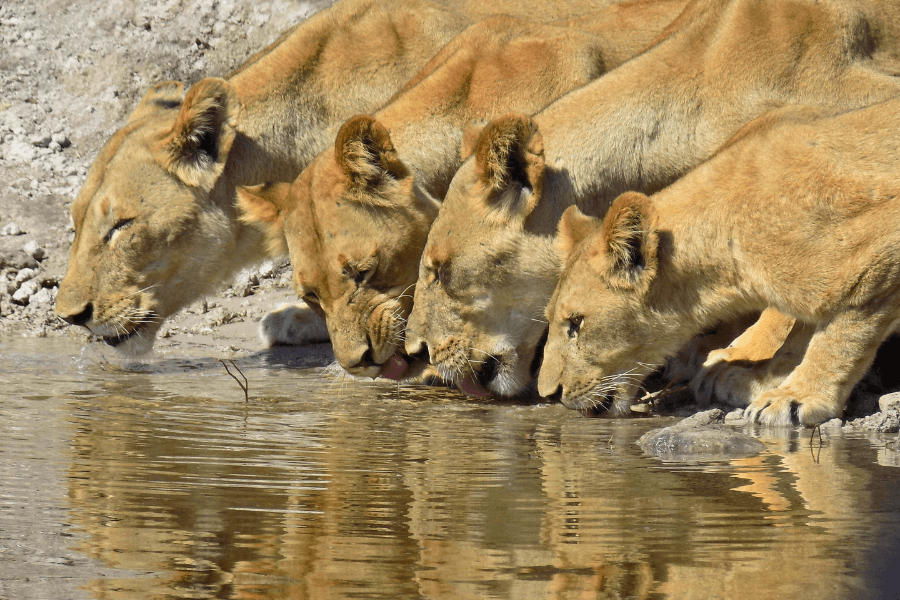
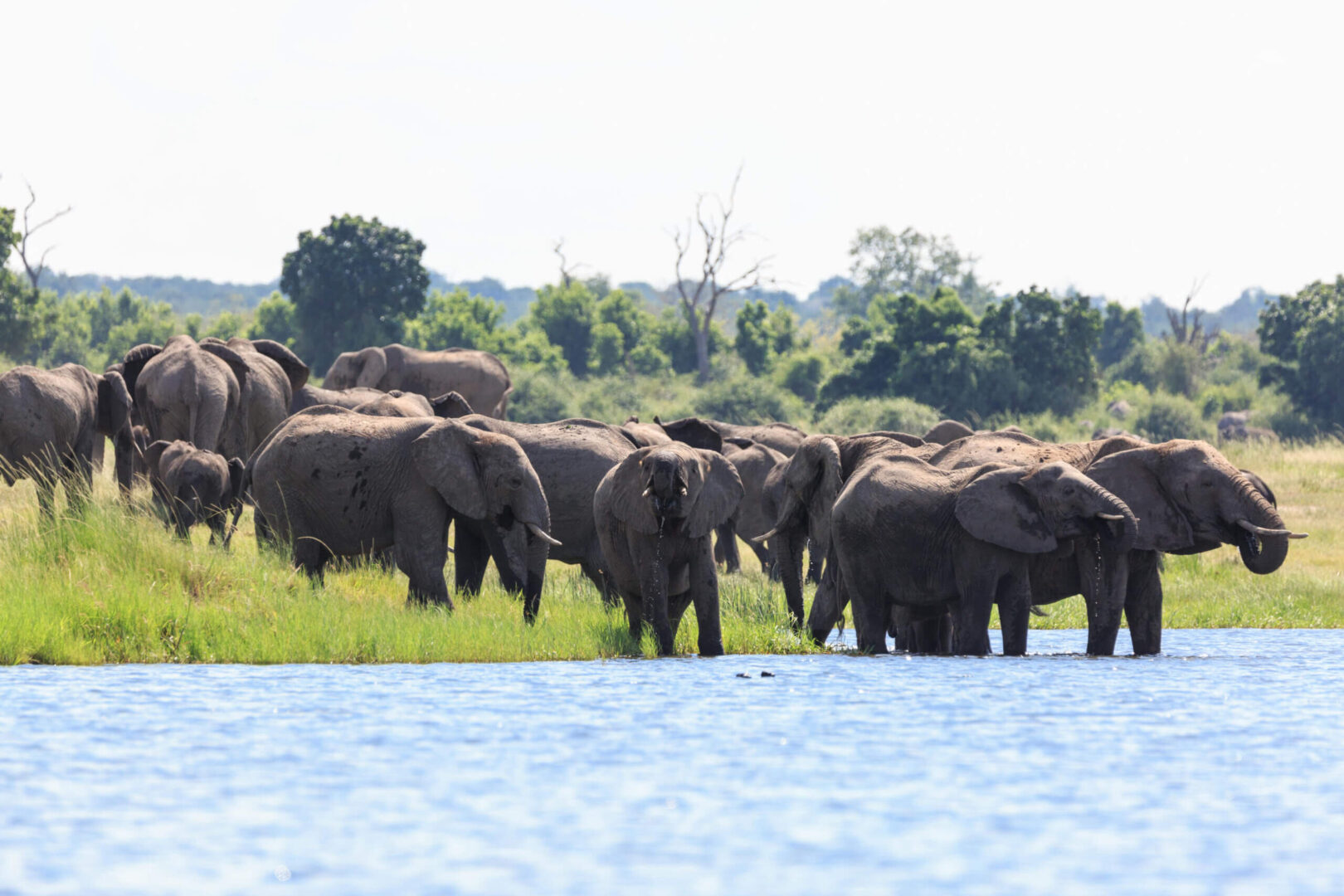
Now the Caprivi Strip’s character makes more sense. It lies in the same region as Botswana’s Linyanti wetlands and Chobe River and attracts the same kind of wildlife: big herds of elephant and buffalo as well as a mix of water-dependent animals – crocodiles, hippo and the semi-aquatic sitatunga antelope – with classic savannah species: giraffe, zebra and lion. The well-watered Caprivi also adds a new dimension to Namibia’s birding list with several species recorded here but absent from the rest of the country.
So where does the Caprivi Strip fit in? It’s too small a destination to stand alone but it doesn’t need to: the Caprivi is perfect either as a unique part of a Namibian itinerary or a multi-country safari taking in Botswana and Victoria Falls as well. The Chobe National Park begins where the Caprivi Strip ends, and you have a choice between Zambia and Zimbabwe for your Victoria Falls experience.
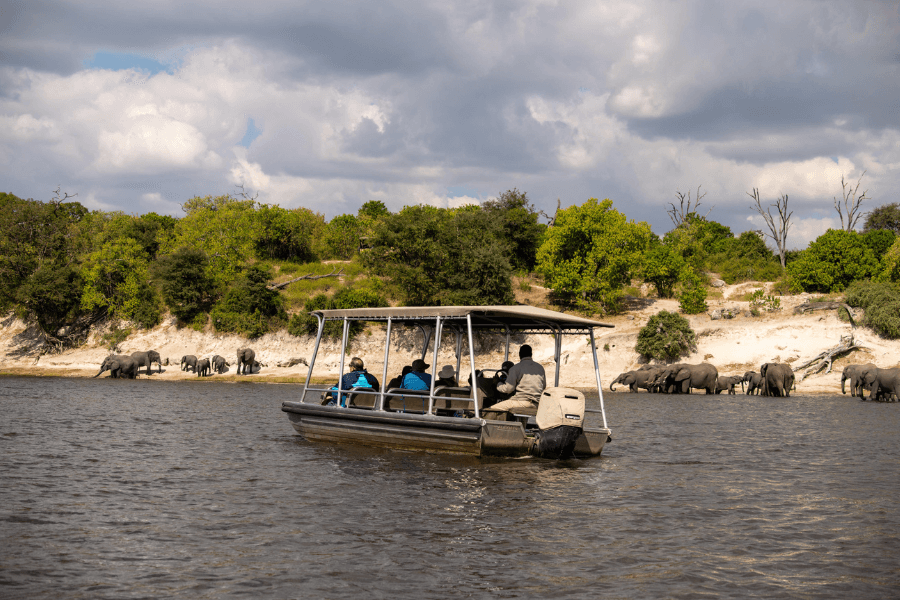
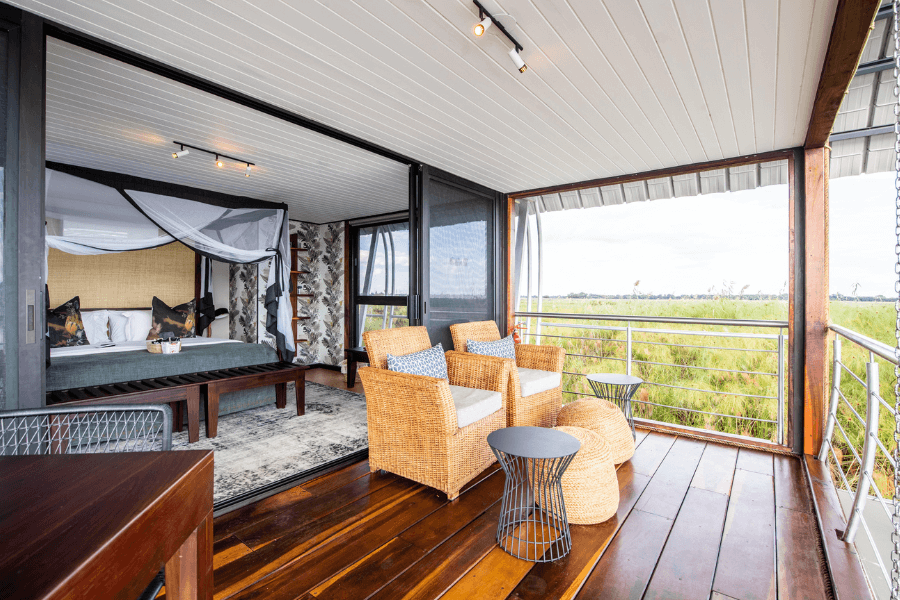
You have a range of places to stay at and explore from the Caprivi Strip: its modest proportions don’t prevent it from being home to several wildlife reserves, including one that is not even a square kilometre in size but has recorded 400 bird species! Safari lodges are set in and next to these reserves, and offer an attractive mix of water and land-based activities: game drives and guided walks along with boat trips and kayaking – it’s just like Botswana’s Okavango Delta or Zambia’s Lower Zambezi National Park.
Is the Caprivi Strip an all-year round destination? Not really, no: the region receives heavy rain from December through March and many parts of the Caprivi are not just flooded but malarial too. But once the rains dry up in May, the Caprivi Strip becomes a vital source of food and water to the region’s wildlife and between June and the end of October the area is increasingly thick with animals.
Go May through July for the coolest weather; try hot September and even hotter October for the densest concentrations of wildlife. Combined with Etosha’s dry-season waterholes and Botswana’s Chobe River, the Caprivi Strip turns out to be a strategic move after all.