
The Congo: a land of rainforest, rivers and swamps, home to astonishing wildlife: gorillas, forest elephants and buffalo as well as pangolins and the extraordinary bongo antelope.
But the Congo is a travel destination that generates a lot of questions: where is ‘the Congo’? There are two countries with ‘Congo’ in their name: which one do you go to – and how? Can you go gorilla trekking? And what other activities do you do on a Congo safari?
Time for some answers – starting with ‘yes’ to gorilla trekking.
The Congo you’ll be interested in is the Republic of the Congo, 60% of which is still covered in forest. It’s much smaller and safer than its giant neighbour, the Democratic Republic of Congo (DRC), previously the Belgian Congo and later Zaire. Just to be sure, it is common practice is to refer to each by use of their capital city. The DRC is Congo-Kinshasa, and the Republic of the Congo is Congo-Brazzaville.
There is a big difference between the two countries with the Republic of the Congo offering a safe and accommodating environment to visit. You’ll fly into the capital – Brazzaville – and switch to a smaller plane and then most probably to a boat to reach your camp. It sounds like a challenge but everything is arranged by the safari operator from the moment you land until the time you leave: meet and greet, transport, accommodation and gorilla-trekking permits.
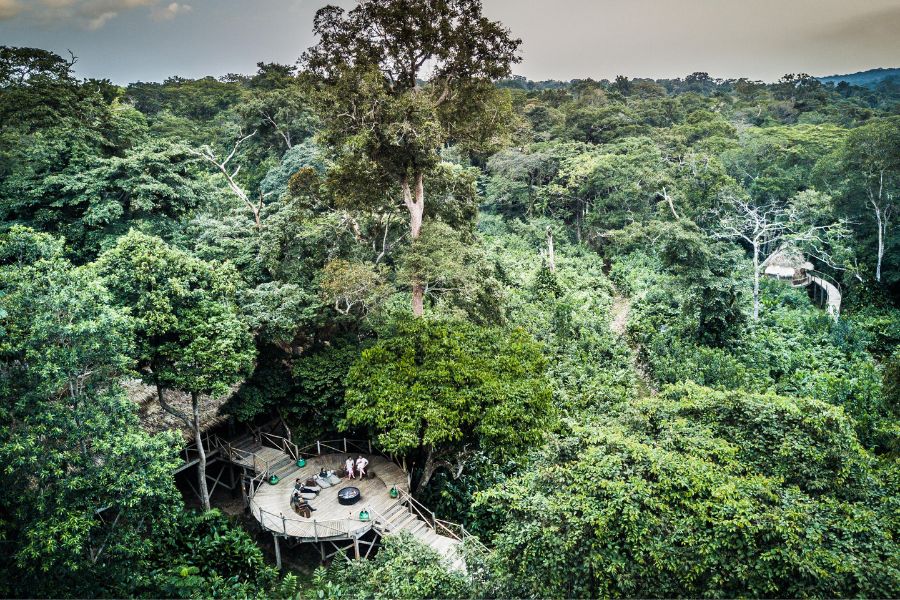
Your destination is the Odzala-Kokoua National Park and its adjacent conservation areas. Something of a leader in locally-driven conservation, the park’s economic side (tourism) empowers local communities who in turn protect the natural environment. Thus, there are three top-end lodges hidden away in the forest, each offering a different aspect of the Congo as well as a more familiar suite of activities such as wellness treatments and fine dining.
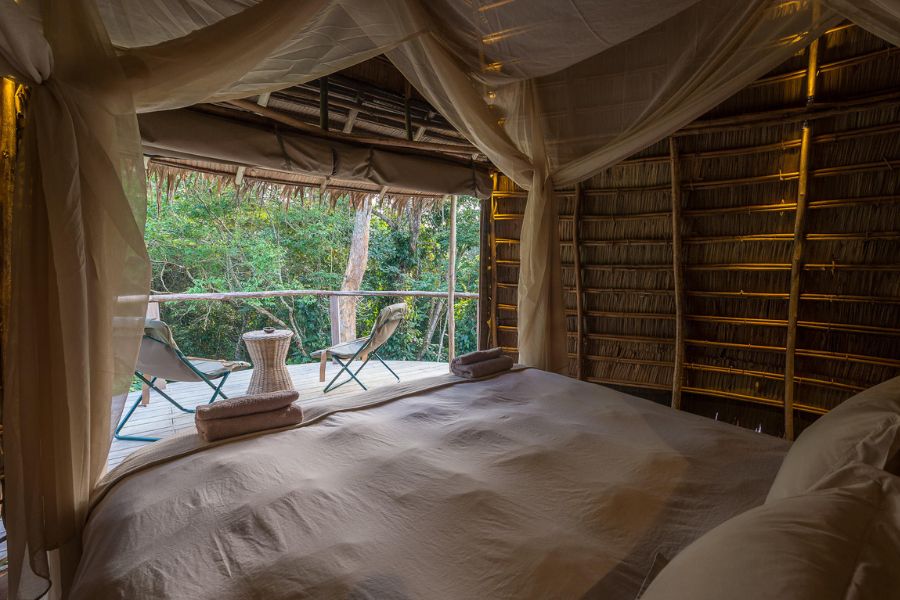
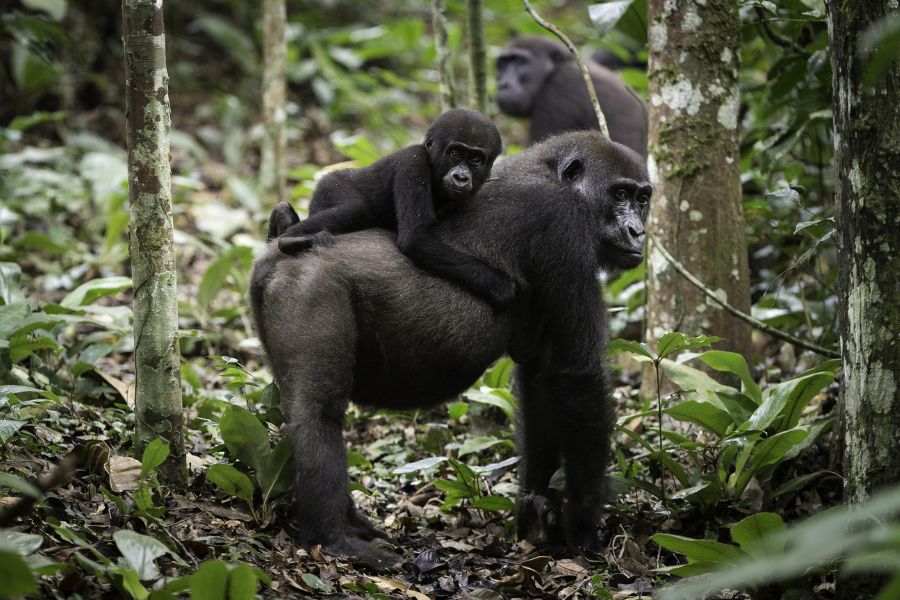
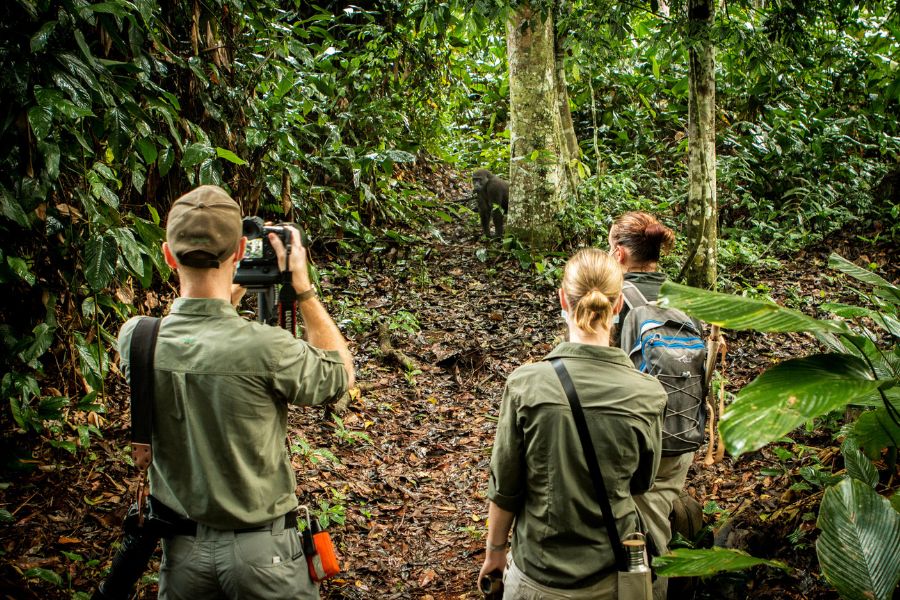
Ngaga Lodge overlooks primary rainforest and is the classic ‘jungle camp’ where you’ll go trekking for western lowland gorillas. This is the destination to really immerse yourself in the rainforest, walking with guides through clouds of forest butterflies and the calls of monkeys. Try a walk at night and see how the forest still thrives with life, or visit a local village to appreciate the experience of living in an equatorial rainforest.
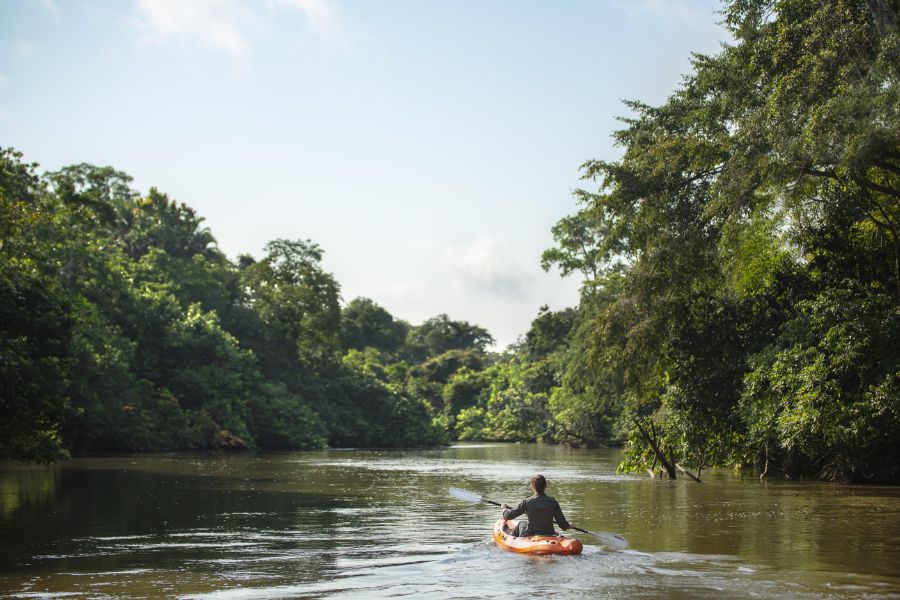
Lango Lodge has a different view of the rainforest. Set in a large open clearing, the lodge sits over a ‘bai’ – a muddy wetland where forest elephant and buffalo wallow and flocks of parrots fly in to eat the mineral-rich mud. This is mainly a water-based experience, and you’ll explore by kayak or motor boat.
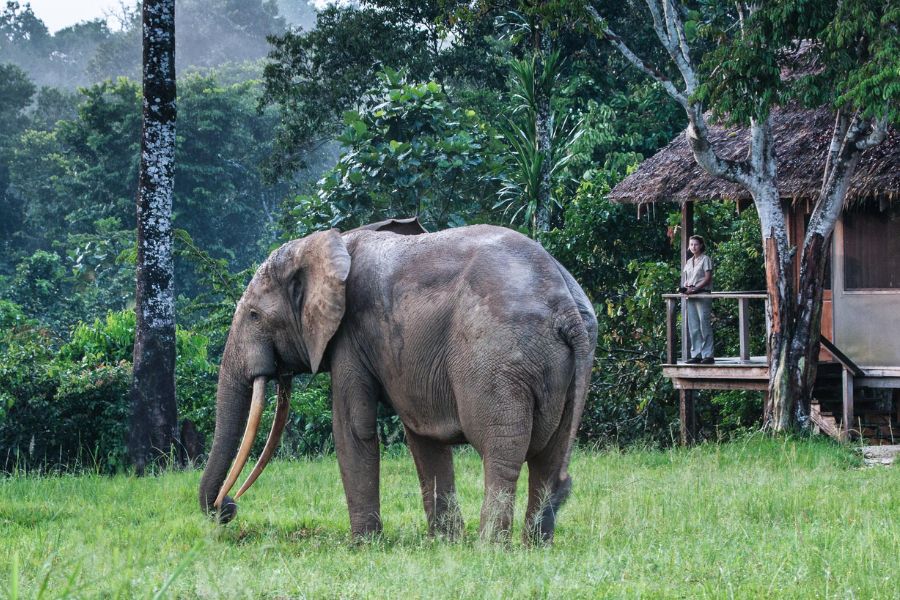
Accessible by air, Mboko Lodge lies at a juncture between river, forest and … savannah. Now there are spotted hyenas patrolling the grasslands and herds of elephants at the river – and birders will love the mix of habitats. A bit of luck may get you a sighting of a rare pangolin or a shy bongo antelope, the totem of the dark forest.
The idea, of course, is to combine the three camps. Go during one of the two drier seasons -December to February or June to September – when the climate is more comfortable and the risk of malaria is reduced.
There are 7, 10 and 11-day safari options, each combining the camps in various ways and ensuring a comprehensive Congo experience – who knows, maybe you’ll see the Congo Big Five: lowland gorilla, forest elephant, bongo antelope, forest buffalo and the giant forest hog. Add amazing forest birds, local community interactions, walks and river cruises for an unforgettable safari.