Let’s start with a question: what’s the difference between a safari lodge and a safari camp? They may sound synonymous but it’s the first decision you need to make when choosing your safari accommodation, and it’s an important one.
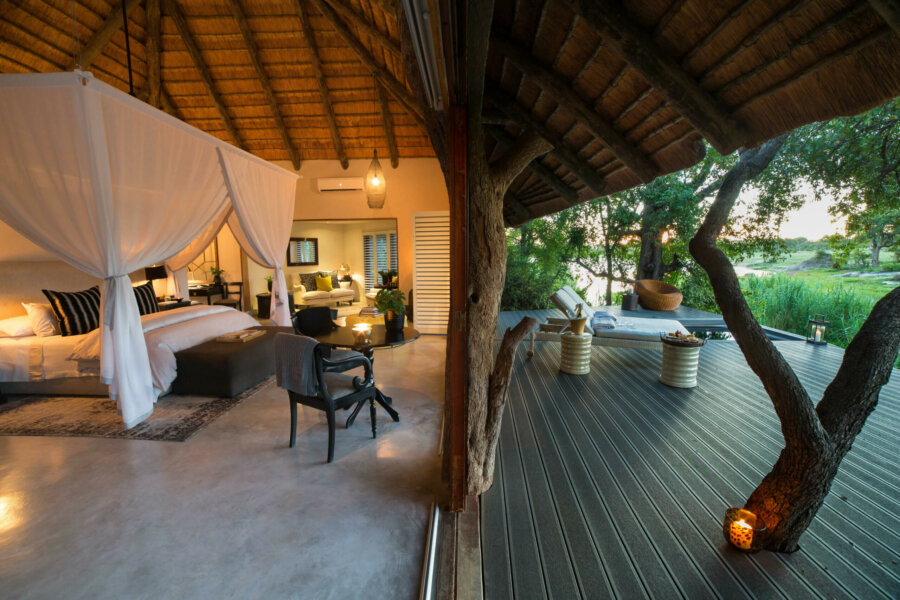
A safari lodge – by the very sound of it – is a more permanent affair; thatched suites with timber beams, large viewing decks and comfy communal areas, a swimming pool and sun loungers – that sort of thing. They are more expensive than camps, and as you work up the cost scale of safari lodges, you start to enjoy luxuries like air-conditioning, fine wine and dining plus the services of private guides, butlers and chefs.
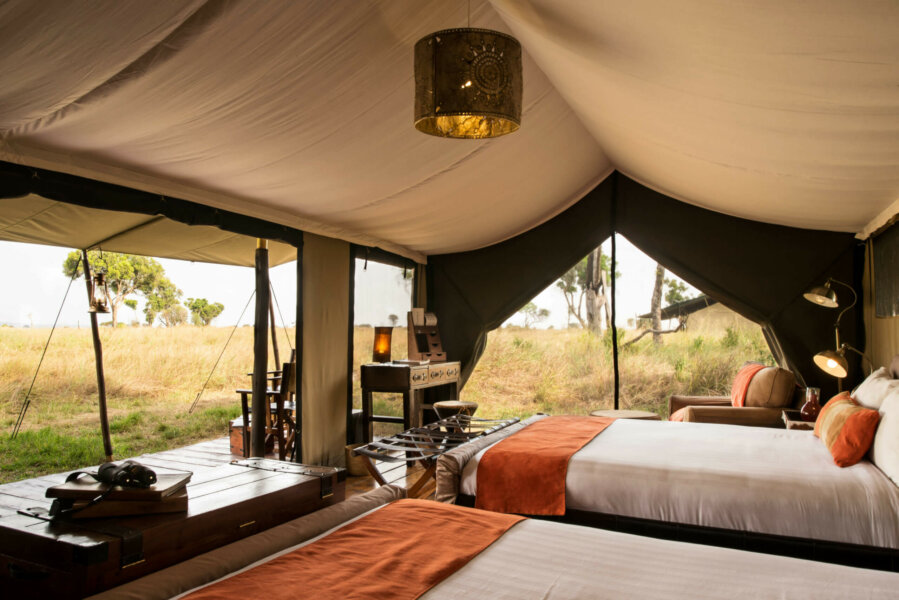
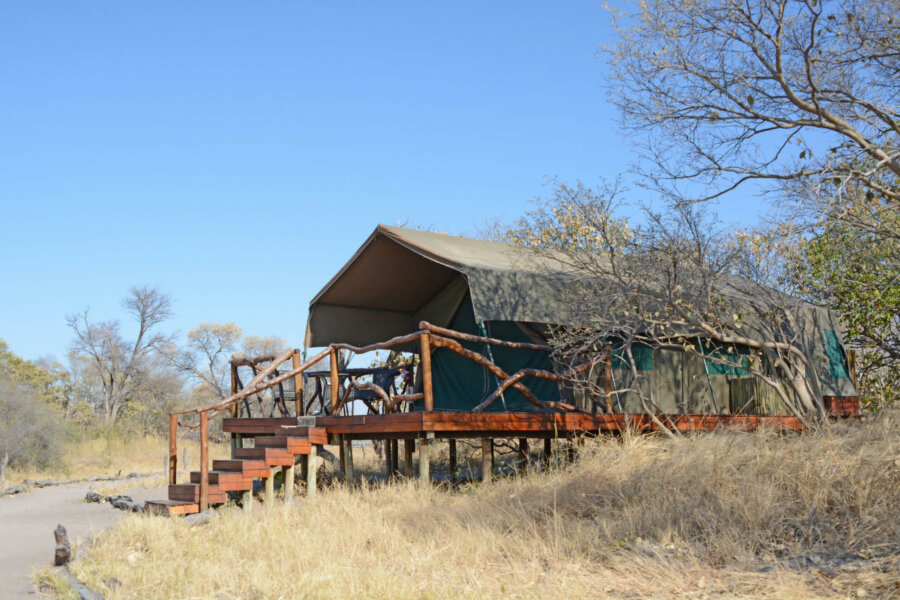
A safari camp, on the other hand, will usually be tented accommodation, offering large – sometimes huge – tented suites with their own bathrooms and some kind of private outdoor viewing area. Socialising areas will be smaller and more modest, there may or may not be a pool, and in many cases, your bathroom facilities consist of a hot-water bucket shower, a canvas washstand and a chemical toilet.
What is important to remember however, is that these lodges and camps are located in the same conservation areas; the wildlife viewing is the same for guests at either lodge or camp, and so is the weather and the general safari experience. The difference between safari lodge and safari camp is one of price.
But that’s just the start of it. What about these questions?
WHAT DO YOU WANT TO SEE?
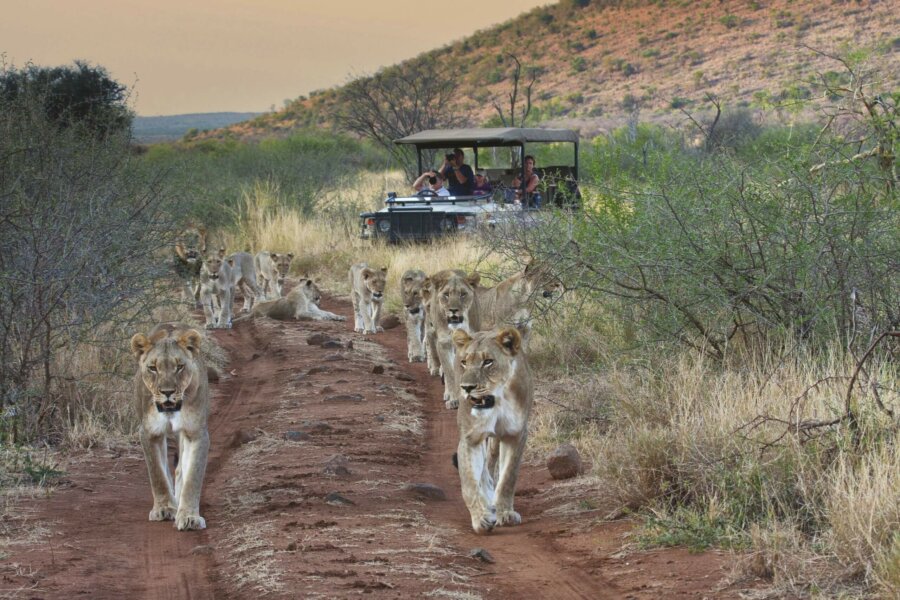
Let’s face it; you’re here for the wildlife. Yes, the views are great, and sure, the birds are lovely but you are on safari to see big African animals – elephants, lions, hippo, rhino and the rest of them. Now, as I mentioned, there’s no difference in the game viewing experience whether you stay at a lodge or a camp, but if you want to see the wildebeest migration, for example, or a pack of wild dogs, or indeed the Big Five (lion, elephant, rhino, leopard and buffalo), then your choice of accommodation needs to take account of your wildlife wish-list.
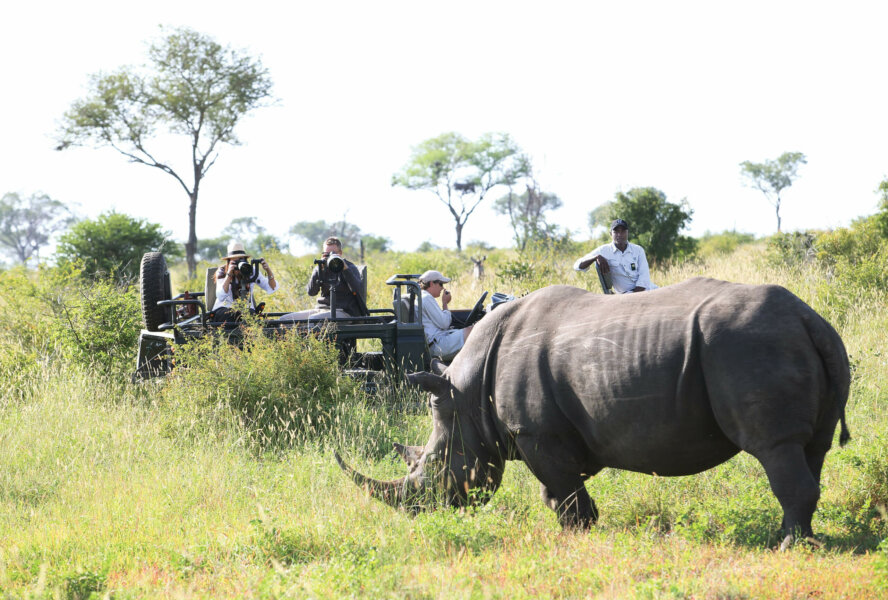
Take the examples above: the migration occurs only in Kenya and Tanzania; wild dogs are restricted to a handful of reserves, mostly in southern Africa, and if you really, really want to see the Big Five, then there are only two places – at most – that can just about guarantee them. (South Africa’s private Kruger reserves and Tanzania’s Ngorongoro Crater, as it happens.) My point? Think about what you want to see.
WHERE DO YOU WANT TO GO?
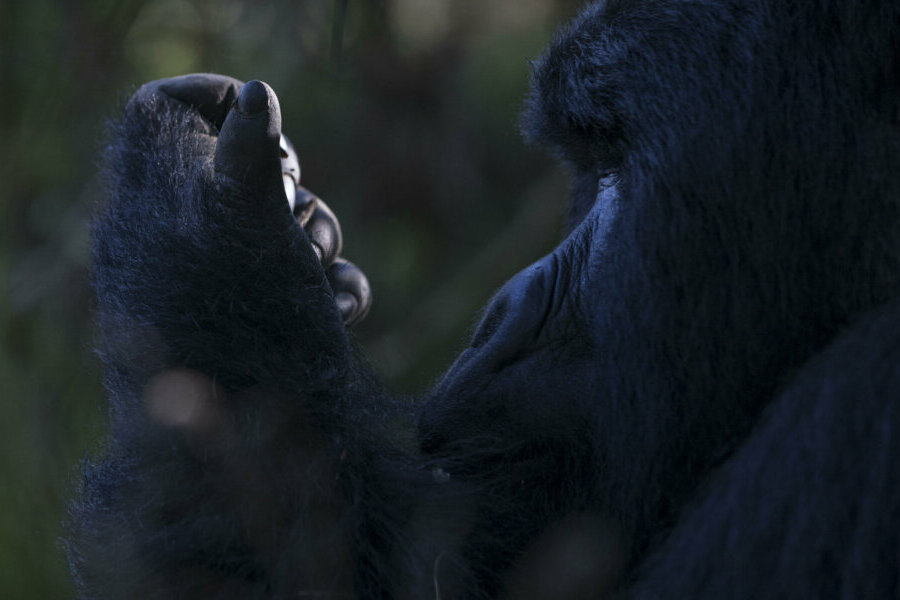
The answer to this question is largely answered by the question above: you go – primarily – to the destinations that have the animals you want to see (Botswana for wild dogs, just in case you’re wondering). But there are many places to see the same kind of animals – which do you choose? Look at mountain gorillas for example. You can trek for them in either Uganda or Rwanda; Uganda is cheaper, the travel time longer and the accommodation tends to be more rustic (read – simpler). Rwanda is more expensive, with shorter travelling times and generally more comfortable lodges. Your choice.
And then there are different places within the same area. South Africa’s Kruger National Park is a good example: it’s a famous safari destination but often busy with visitors and traffic; animal sightings can be patchy. For a more exclusive experience that guarantees amazing wildlife sightings, then simply go next door to a lodge or camp in the Kruger’s private reserves such as the Sabi Sands, Thornybush and Londolozi.
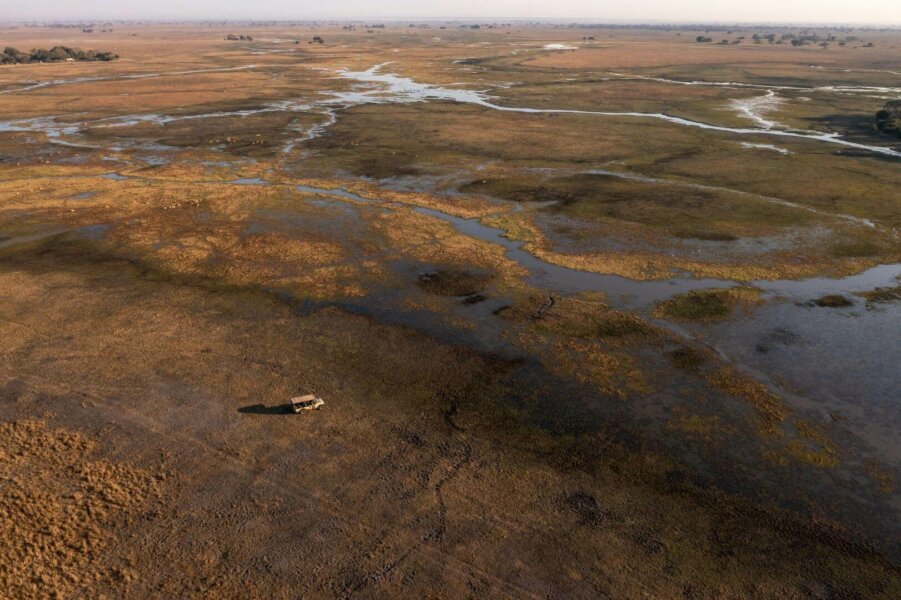
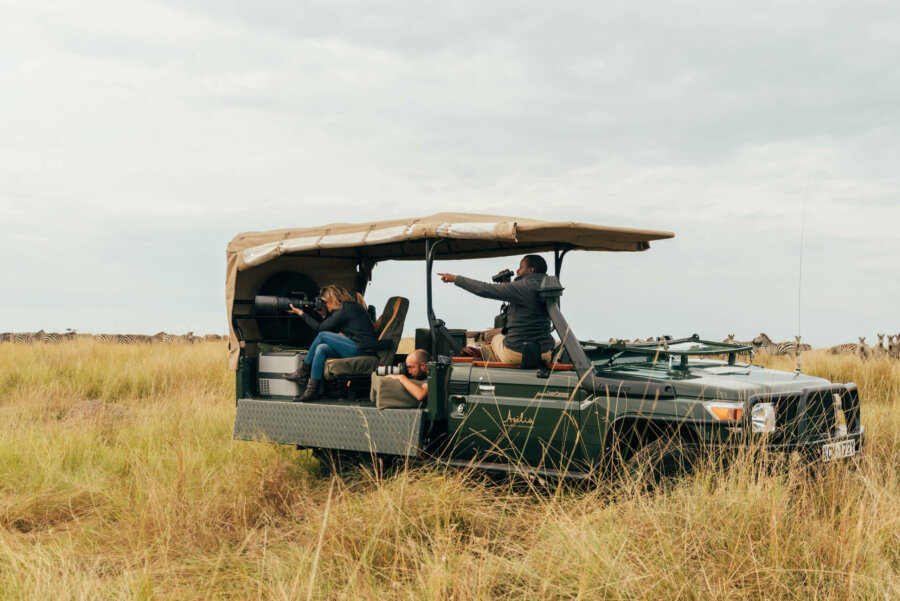
You’ll also hear about camps and lodges located on ‘private concessions’ and ‘conservancies’ set next to or even within destinations like the Serengeti or Okavango Delta. These are privately-run reserves, and although it sounds logical to stay in a famous national park, accommodation in a concession gives you wildlife viewing as good as – or better than – the national park. Your guide is allowed to drive off the road for exceptional sightings, and you’ll enjoy bush walks and night drives woven into your experience: all these activities are not permitted in state-run parks and reserves.
HOW MUCH COMFORT DO YOU WANT?
So there’ll always be a minimum standard of comfort. No matter which African safari lodge or camp you choose, you’ll always get a proper bed, storage space, seating and a private bathroom. There will always be electric light, a fan for ventilation and somewhere to recharge your batteries. Accommodation will be insect-proof, hot water available and there is always a bar. Most safari camps are at this level: comfortable with everything you need.
Then there is a second level of comfort and amenities, most usually seen in safari lodges. Now we are talking Wi-Fi, a swimming pool, perhaps a boutique shop and wellness service providing massages and facials. There will be more on offer for guests – outdoor meals, private candlelit dinners, a sleep-out under the stars – and your suite will be not just be functional but luxurious and stylish too.
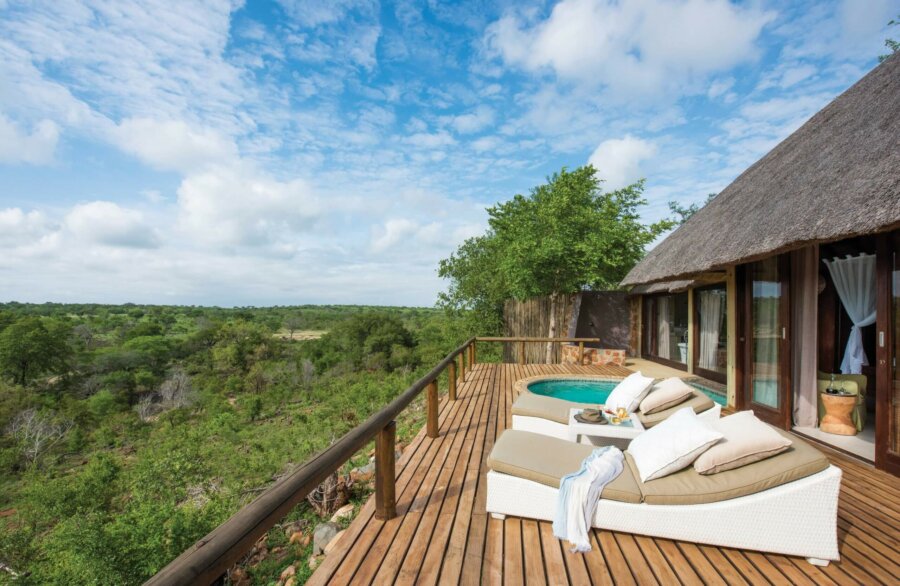
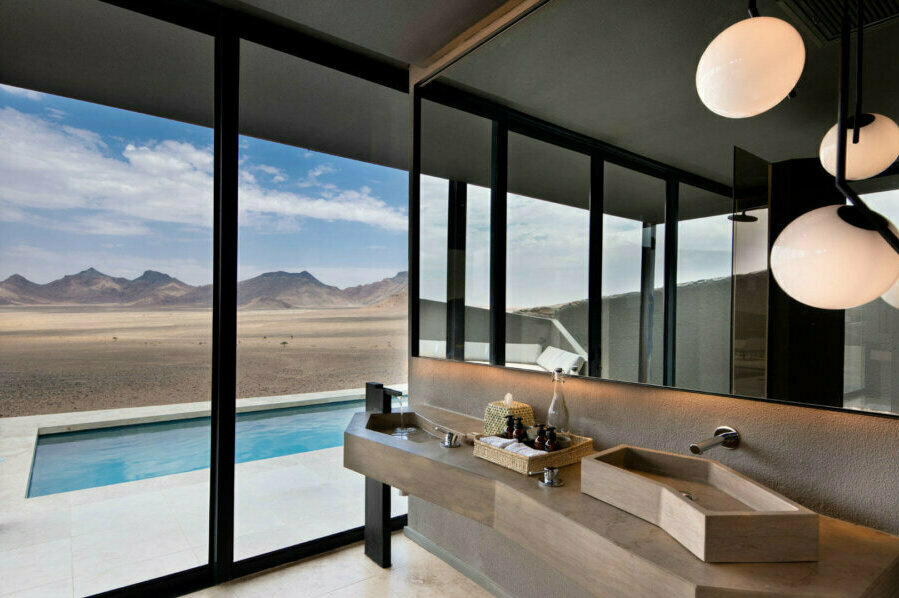
Add another quantum of cost and now African safari lodges break through to the next level. Glass-fronted, air-conditioned suites for example, or fully-staffed villas with a personal chef and guide on standby. Add tennis courts, helicopter game viewing and a professional spa. And while I stand by my earlier assertion that game viewing is much the same whether you stay at a lodge or camp, I do have to add the proviso that these top-end lodges are located in the very best locations, both for beauty and wildlife. Oh, needless to say, your swimming pool will be a private one.
HONEYMOON SUITE OR FAMILY WITH KIDS?
Whether you are a newly-wed or a parent planning a safari with kids under 12, then this is one choice you want to get right. Because although many accommodations claim to cater to both kinds of travellers, there are certainly those that are more suited for one rather than the other.
Safari camps – the simpler kind – will always have a honeymoon suite. It may be larger and more luxurious than the others; it may just be sited more discretely. For couples who don’t need the luxury, these safari camps are highly recommended.
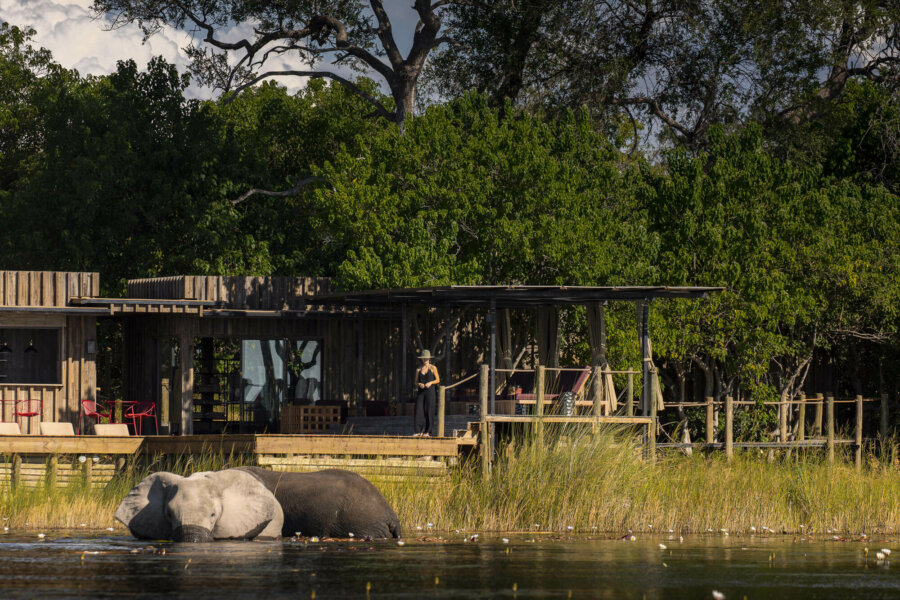
And while there are safari camps that cater for families, do your research to see how many facilities they have. Child care? Kids’ activities? A pizza oven? A swimming pool? Many don’t have any of these. Remember too that safari camps are nearly always unfenced; large, potentially dangerous animals can wander through camp at any time. Look at safari camps that specialise in hosting families – they are often smaller, more personal and usually booked exclusively.
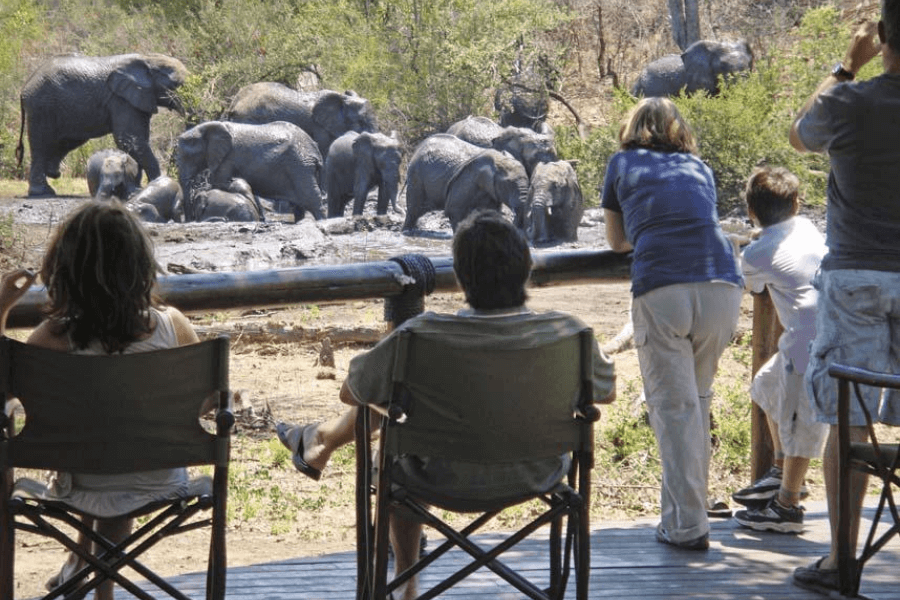
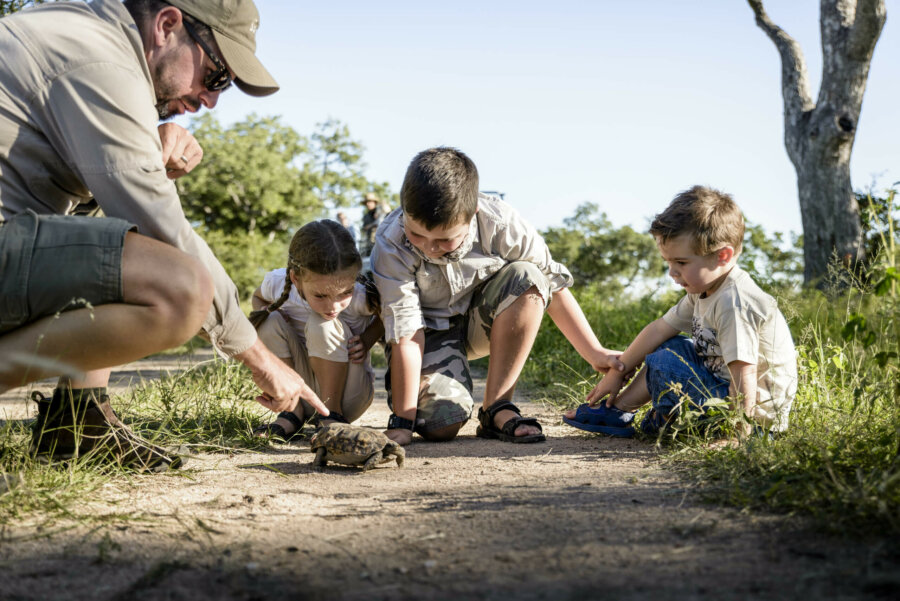
Safari lodges give many more options to both honeymooners and families. Many lodges are unashamedly romantic and focus on this market; these tend to be smaller and tucked away in scenic locations – the rim of the Ngorongoro Crater for example. Other lodges offer easy, hotel-style services for families – big swimming pools, activity clubs, baby-sitters – or perhaps a range of safari activities for kids: tracking, fire-making and archery, survival skills and traditional jewellery-making.