
Madagascar is an island nestled off the south-eastern coast of Africa in the Indian Ocean. A country brimming with diverse cultures, it is renowned above all for its fauna and flora, including a remarkable array of species found nowhere else on Earth.
Ah, Morondava, home to one of the world’s most enchanting sights: towering baobab trees lining both sides of a red dusty road – the Avenue of Baobabs. Picture this: as the sun begins its early morning ascent casting pink and orange across the horizon, these ancient giants stand tall, their silhouettes against the dawn sky creating a scene straight out of a dream.
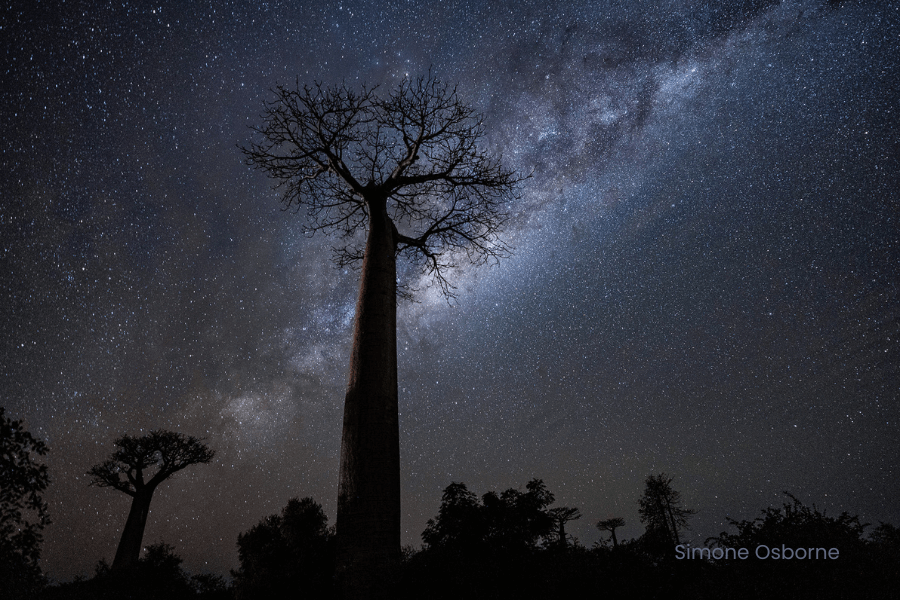
Arriving early is key; you want to catch the moment when the sun peeks over the horizon, bathing the landscape in a warm, golden light. We arrived in the dark of the night, watching as the thousand twinkling stars faded into the blue hour.
As the morning unfolds, take your time to wander among these majestic trees, some of which are over a thousand years old. You’ll feel the weight of history in their gnarled trunks and twisted branches as locals go about their everyday lives in their shade.
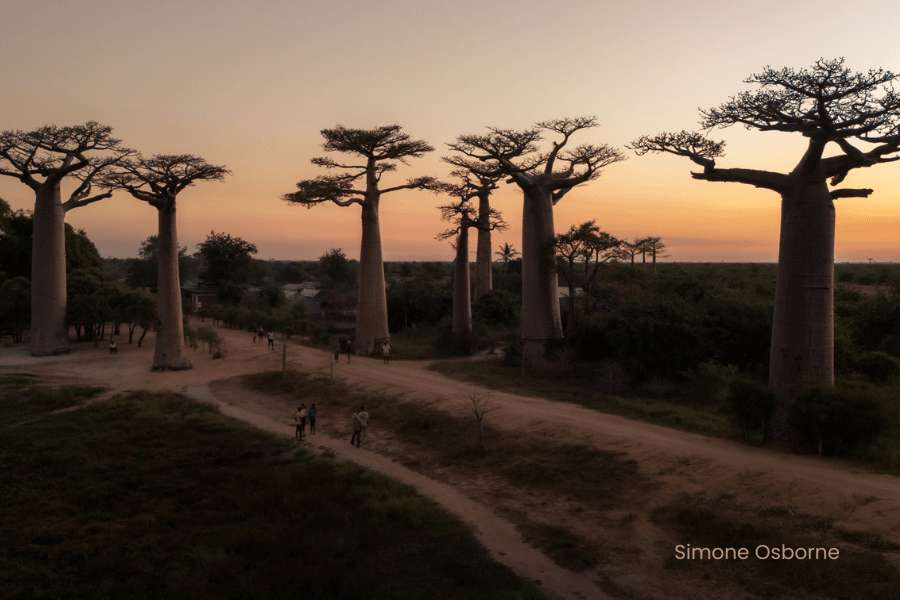
We also spent sunset at this amazing location. The ebbing light of the sun cast long shadows, mirroring the Baobabs’ distinctive silhouettes against the sky. It’s a popular spot for photographers and nature enthusiasts alike, offering a glimpse into the unique and otherworldly landscape of Madagascar, an experience that stays with you long after you’ve left its dusty roads behind.
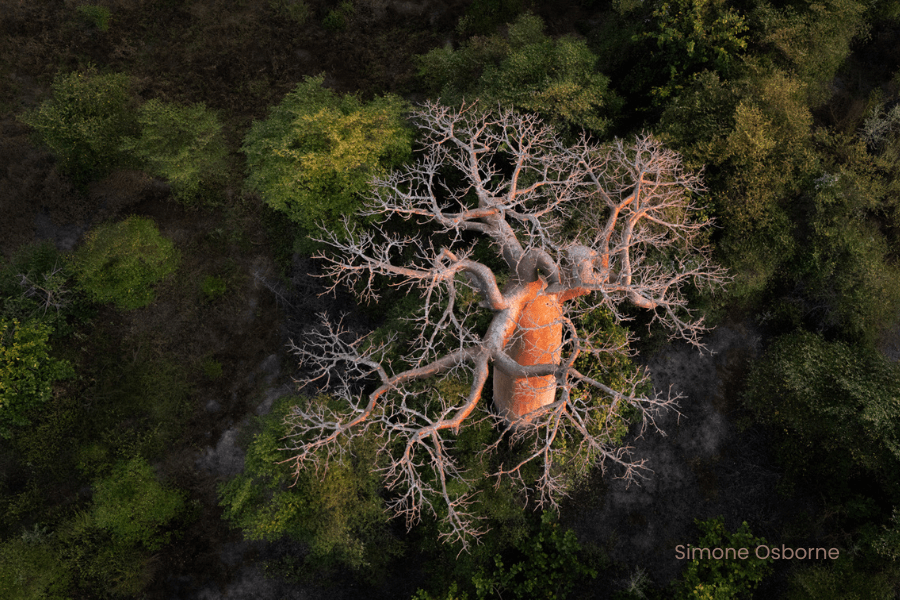
Facts: Did you know? Baobab trees are native to Madagascar, mainland Africa and Australia but six of the nine species of baobabs are found in Madagascar. The Avenue of Baobabs is a prominent group of Grandidier’s Baobab which are the biggest and most famous type.
Getting there: You can fly or drive: there is a short domestic flight from the capital Antananarivo (Tana) to Morondava but only twice a week – book well in advance as they fill up quickly.
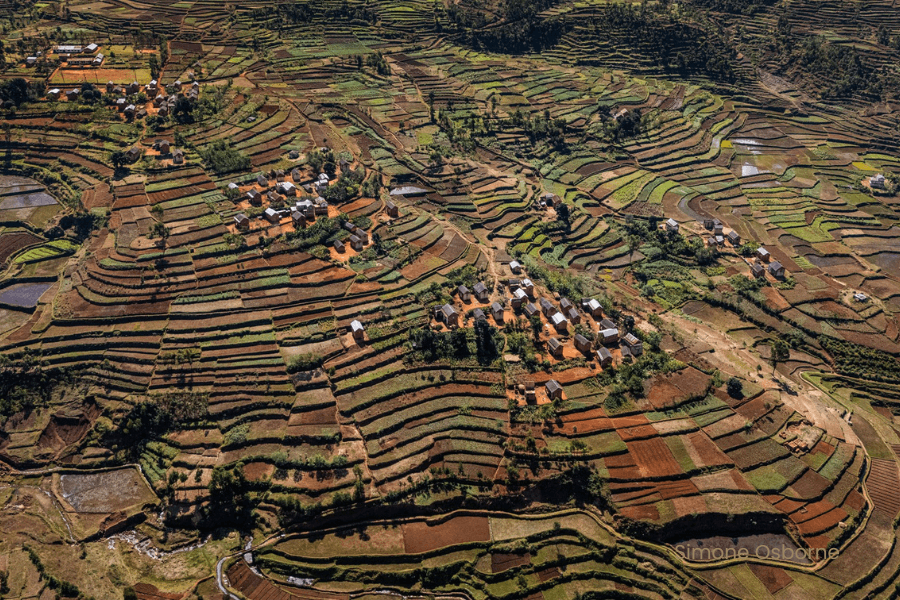
We hired a 4×4 vehicle with a driver and guide and went on the long road trip. Our first stop was Antsirabe where we stayed for the night and then continued the 12 hour drive to Morondava. The roads are in poor condition but despite the challenges, the landscape changes about every 100 kilometres so there is always something to look at: from stacked rice terraces to long-horned zebu pulling carts – it is an oddly rewarding journey. Just be prepared for a slow ride.
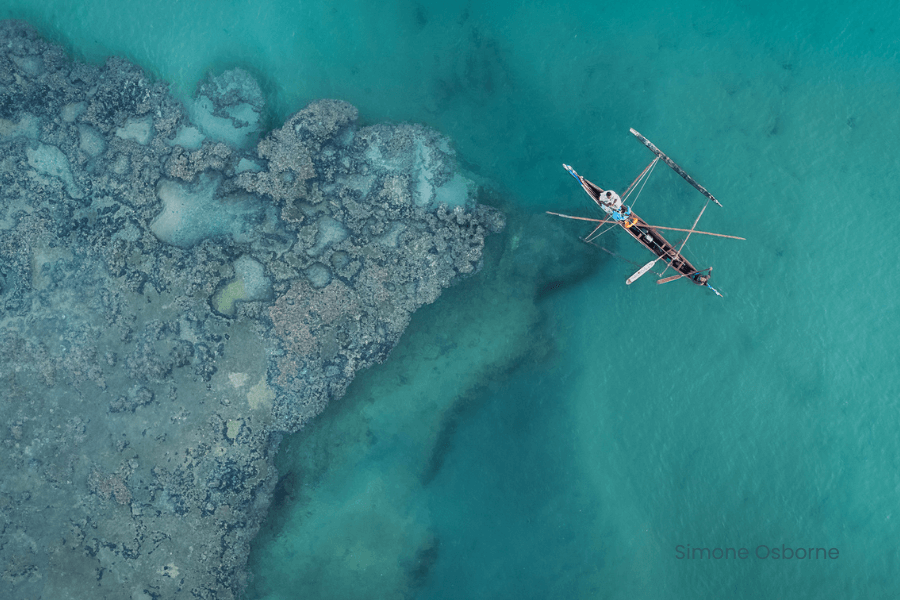
Our reward was Belo sur Mer, a picturesque coastal village located in western Madagascar and known for its vibrant fishing community and beautiful surroundings. A village built entirely of wood with its feet in the sand, Belo sur Mer is on the Mozambique Channel, offering a stunning backdrop of clear waters and sandy beaches.
We stayed at The Eco Lodge du Menabe which is located right on the ocean and offers waterfront bungalows with stunning views. All bungalows are built with traditional materials just like the village houses.
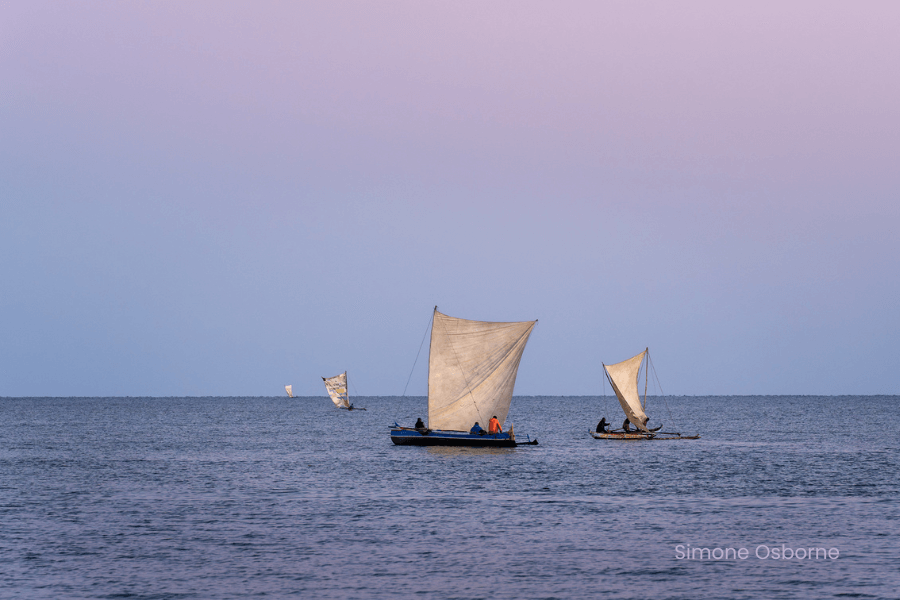
In Belo sur Mer, fishing is a central part of daily life. Traditional outrigger canoes and fishing boats dot the shoreline, showcasing the village’s reliance on the sea for their sustenance and livelihood. Fishermen head out early in the morning to catch fish, which are then sold in local markets or used to feed their families.
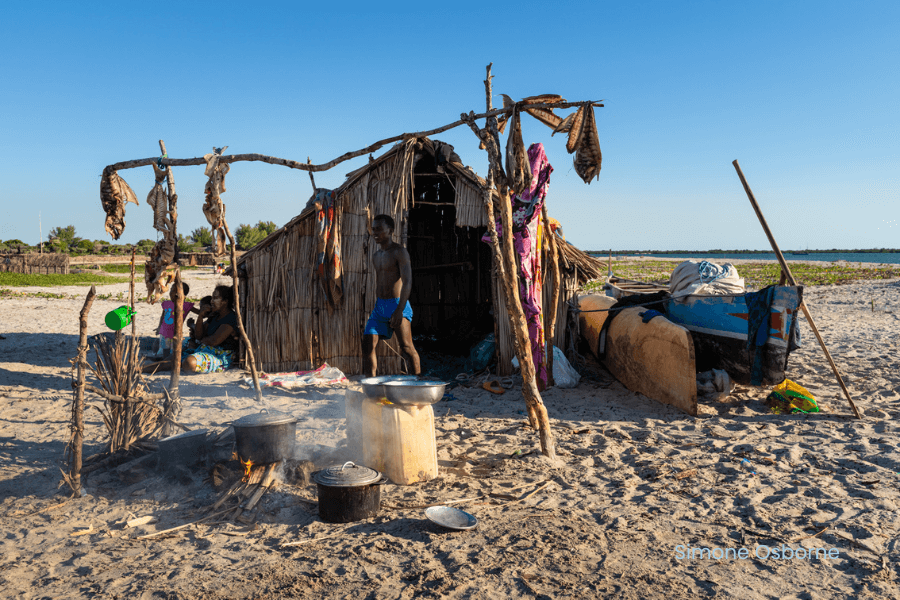
The village itself is characterized by its laid-back atmosphere and close-knit community. Visitors to Belo sur Mer experience authentic Malagasy culture, sample fresh seafood, and explore the natural beauty of the area. The beaches are ideal for relaxing or taking part in water activities such as snorkelling and swimming.
We got to Belo Sur Mer by car from Morondava. Again, the road wasn’t great but, typical of many rural roads in Madagascar, it was a route that immersed you in the life of the country: a scenic journey through remote and rugged landscapes, baobab trees and semi-nomadic villages where traditional Malagasy life unfolds.