
I recently took a trip to Zimbabwe to visit the Hwange National Park, the largest reserve in the country, before stopping off at Matopos Hills and ending in Victoria Falls. Even allowing for the current drought, I had fantastic game viewing experiences in Hwange, including the sight of literally thousands of elephants.
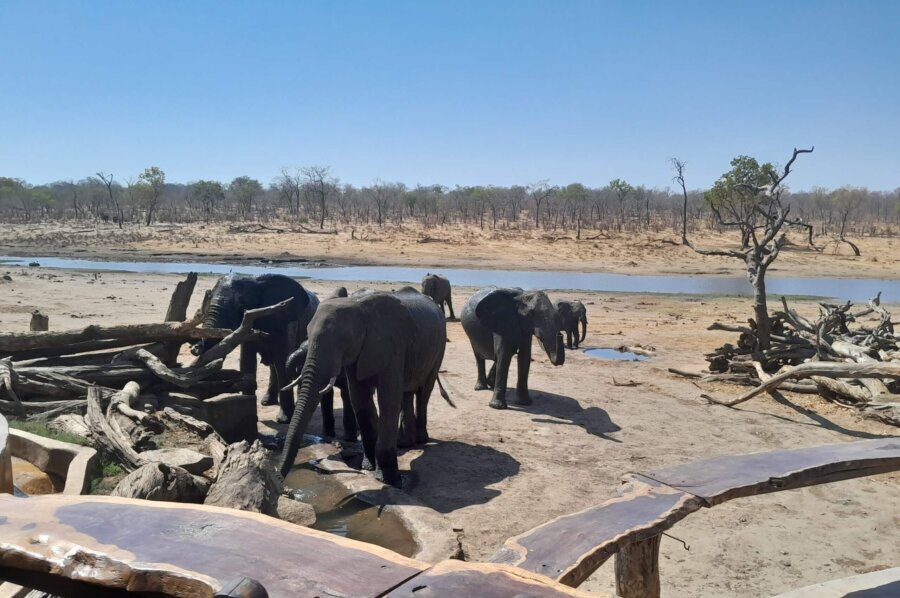
A Private Concession outside Hwange
I started with a stay in the largest private concession bordering the Hwange National Park. With only three lodges in the concession, there are few other visitors and only a couple of vehicles at a game sighting. Nevertheless, the area teems with elephant, buffalo and lion, with cheetah and wild dogs regularly seen. Permanent water holes are sited in front of each lodge for amazing armchair game viewing, and drives into the Hwange National Park itself are also offered.
Accessibility
Lodges are accessible by air charter flights from Victoria Falls. It’s only a 25-minute flight from Victoria Falls to northern Hwange, for example, followed by a 30-minute road transfer to your lodge. And it only takes another 20 minutes to fly to where Hwange’s southern lodges are located: bottom line, it is easy and quick to fly to Hwange from Victoria Falls.
Alternatively, you can do a (cheaper) road transfer; the distance is only 180 kilometres (112 miles) from Victoria Falls but the road is in poor condition and the journey takes around three hours.
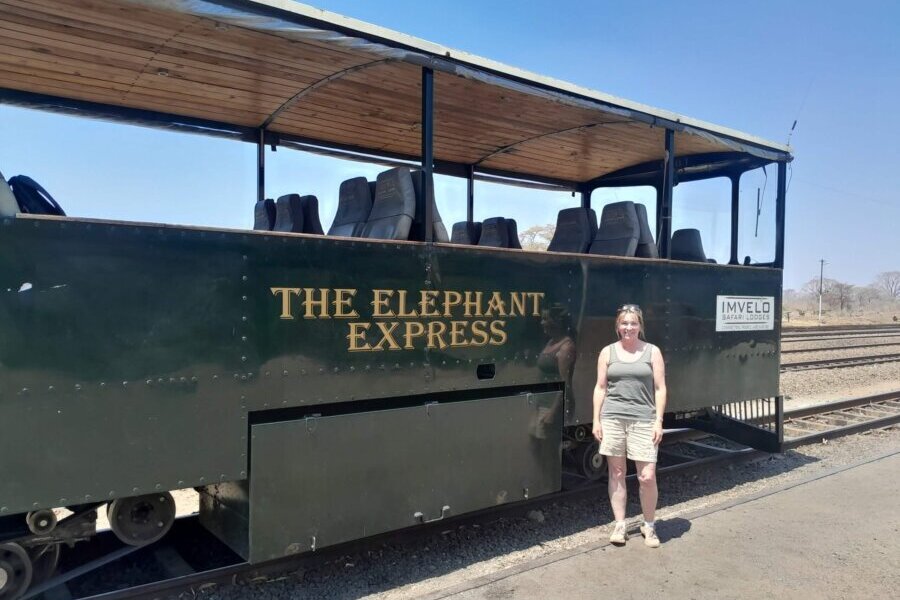
All Aboard the Elephant Express! Into Hwange National Park
From the private concession I was driven to Dete Railway Station and boarded the Elephant Express: a refurbished railcar. Lunch and drinks were served before we got going on the 3-hour trip to eastern Hwange, and we then enjoyed game viewing on the way. The train will even stop so photographs can be taken! And to add a bit of fun, the train driver allows guests to drive the engine (at least, for a minute or two).
Eastern Hwange – A Classic Safari
I started my Hwange experience in the eastern part of the park: the vegetation varies from open grasslands to mopane forest and so this area is great for diverse game viewing. Permanent waterholes provide much relief in the dry winter and they are visited throughout the day by herds of elephant to quench their thirst and cool off in the water.
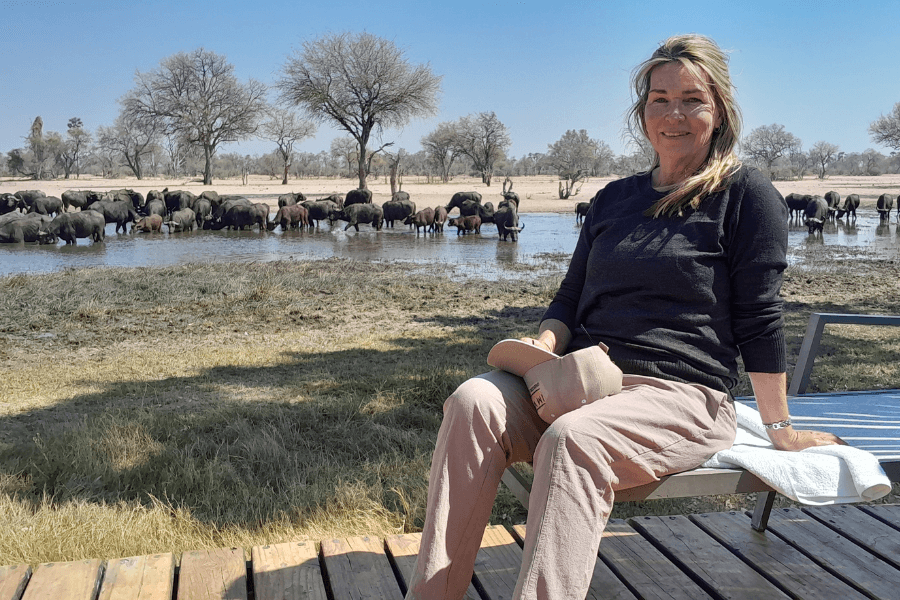
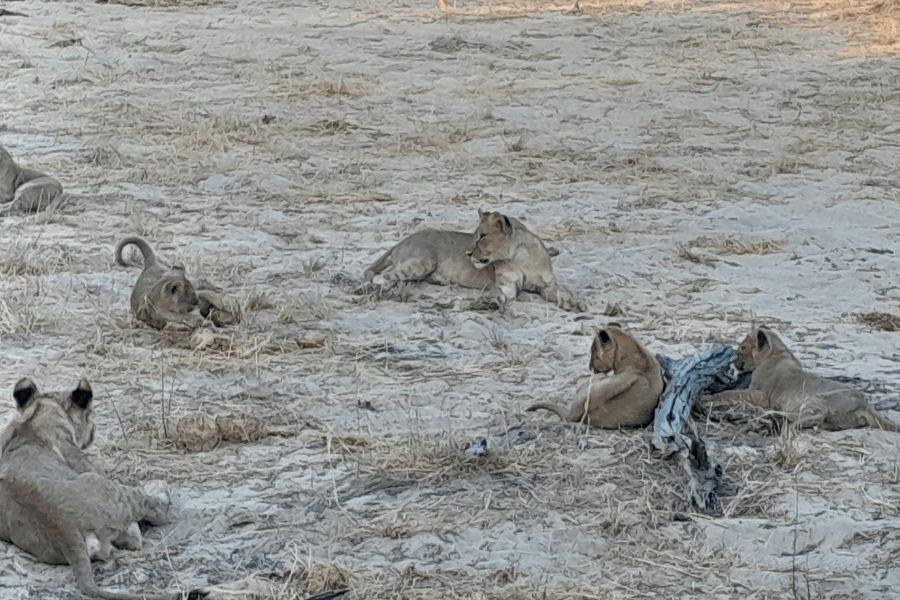
On a daily basis I saw zebra, wildebeest, buffalo herds, giraffe, eland, sable and many, many elephants. The lion population is doing well: I encountered a healthy lion pride with four lionesses and nine cubs ranging in age from one month to sub-adults. We spent some time just watching the cubs play with each other.
Safari accommodation in the Hwange area is always actively involved with the local community: in fact, Zimbabwe were pioneers of this kind of tourism. Lodges provide funds for building and maintaining schools, clinics, boreholes and feeding programmes. And in exchange, the village has donated land for the successful reintroduction of rhino.
To bring in extra revenue, the village ladies weave baskets and make other souvenirs which are sold to tourists – and every bit helps. I was told that USD 30 pays for a whole year school fees for one child.
Accessibility
It’s a 3-hour road transfer from Victoria Falls to Dete Railway Station, followed by a 3-hour rail trip. Alternatively, make it easy: fly by air charter from Victoria Falls Airport to the lodge airstrip.
Wild Hwange: the South
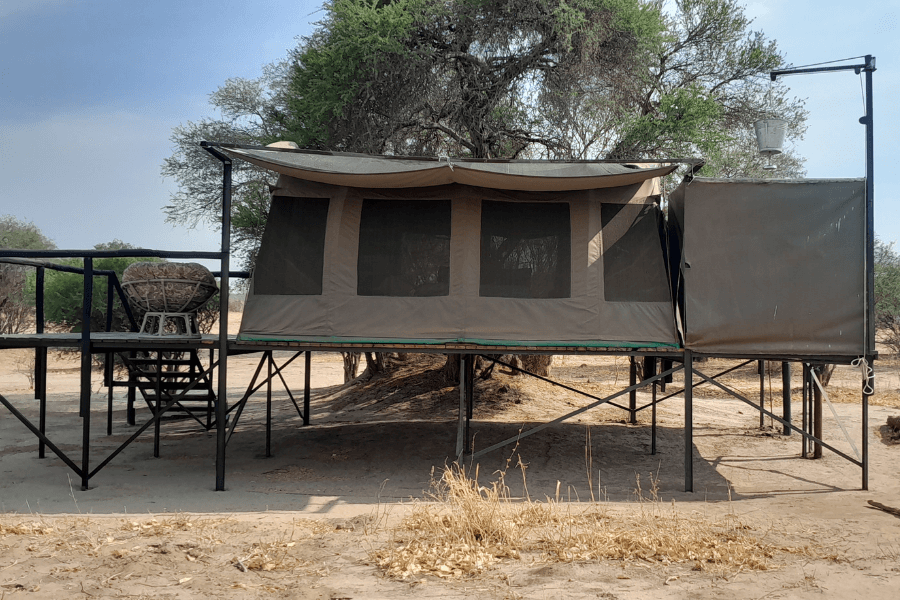
For a truly wild safari, you need to visit a lodge in the very remote southern part of the Hwange. Camps typically consist of five or six basic but comfortable tents with bucket showers. There are the essentials but no frills, so for example there is no dining room and meals are enjoyed under the sky and yet the food was truly fantastic! I cannot believe how the chefs can produce such amazing meals.
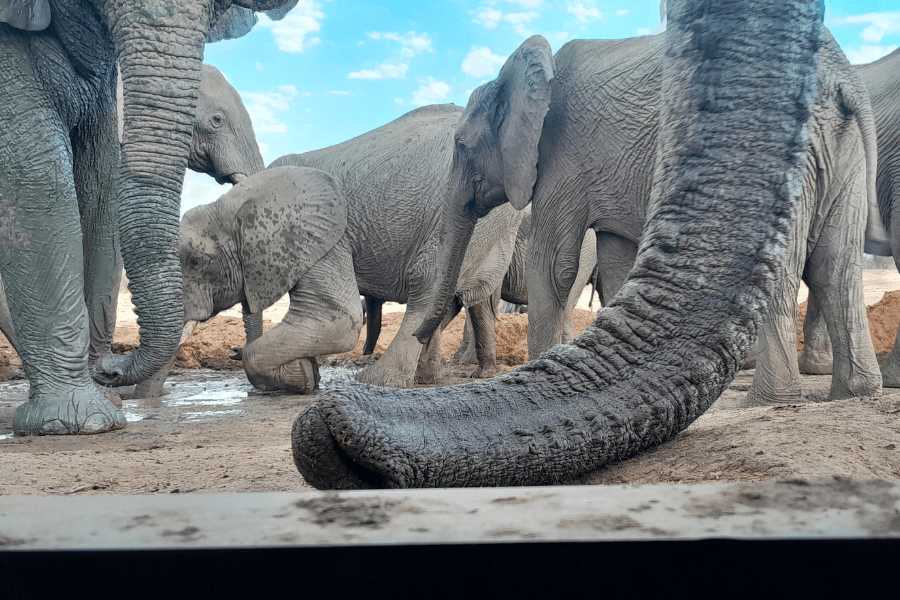
My camp was set next to a permanent water source – the the only source of water in a 25 kilometre (15 mile) radius – and the game viewing was phenomenal. We could even sit quietly in an underground hide at the waterhole for very intimate views of elephants enjoying the water – an awesome experience.
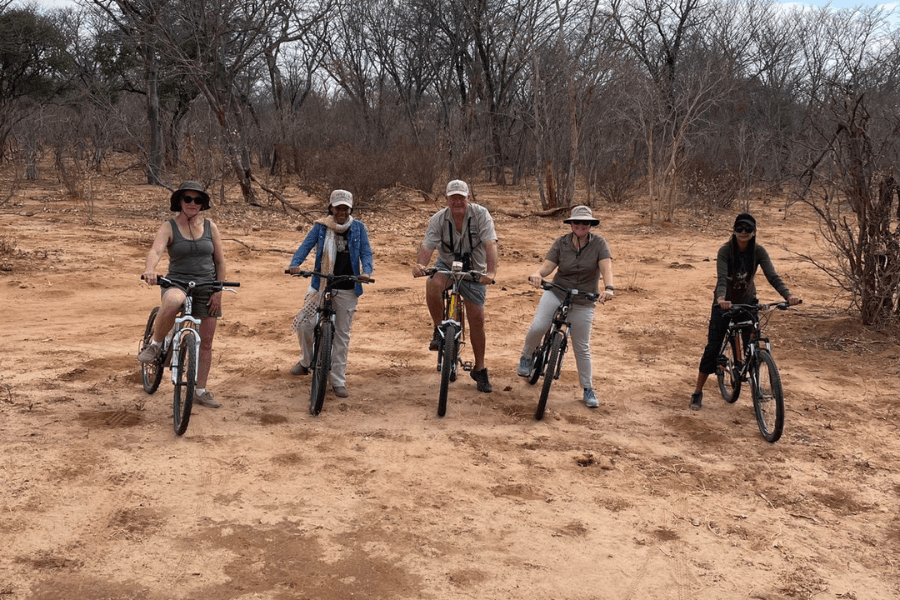
Activities offered in the south include day and night game drives, guided walks and, for the fit, a mountain bike ride along elephant pathways.
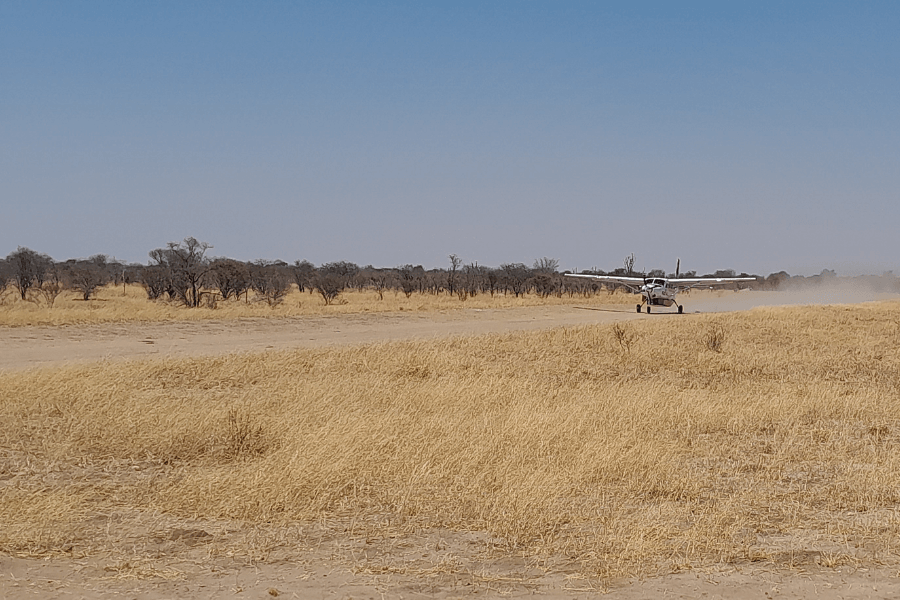
Accessibility
There’s only one way in: air charter flights from Victoria Falls or neighbouring lodges.
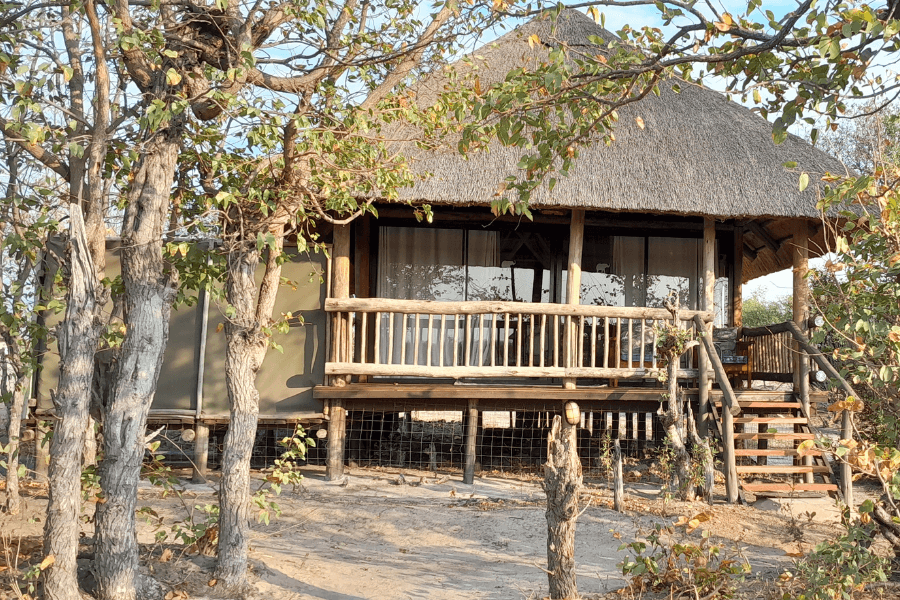
Northern Hwange: Elephants Rule
The quality of game viewing here is well known: the north’s wide open savannas and large forests support many animals, especially elephant and buffalo. Cheetah and wild dog are regular visitors but tend not to stay as the lions are doing so well: again, we saw many lions and a pride with young ones.
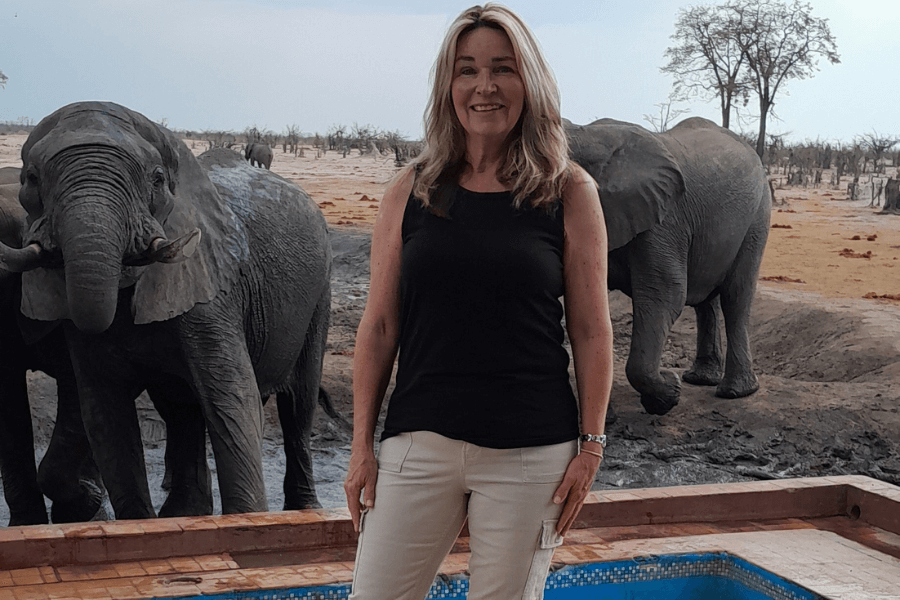
The lodge I stayed at offers its own unique experience. The local elephants prefer the clean borehole water of the lodge’s swimming pool to the muddy water hole. You may have to forget about having a swim in the pool: elephants rule here! And throughout the late afternoon and into the evening, elephants arrive in their scores to have a drink from the pool. We sat with an early supper at the dining table and watched the elephants jostle right in front of us – what a wow experience!
Accessibility
Again, air charter flights from Victoria Falls or neighbouring lodges.
Season travel to Hwange
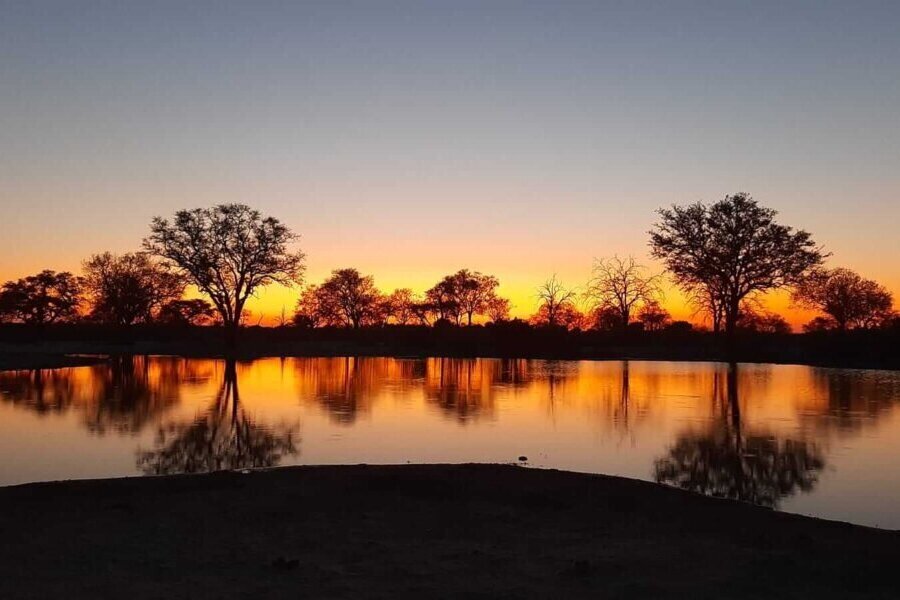
During the dry winter months between June and October, Hwange becomes progressively drier and more sparsely vegetated. June and July have cold nights and mild days; August and September are warm, and October is hot. The game viewing increases in intensity as the heat and aridity rise – it’s the Amber Season.
Rains usually begin in November and the landscape changes into a lush and green one; the early rainy season – November and December – offer great game viewing; January through April are still good for safaris but you may experience rain and difficult logistics.
Matopos – Place of Bald Heads
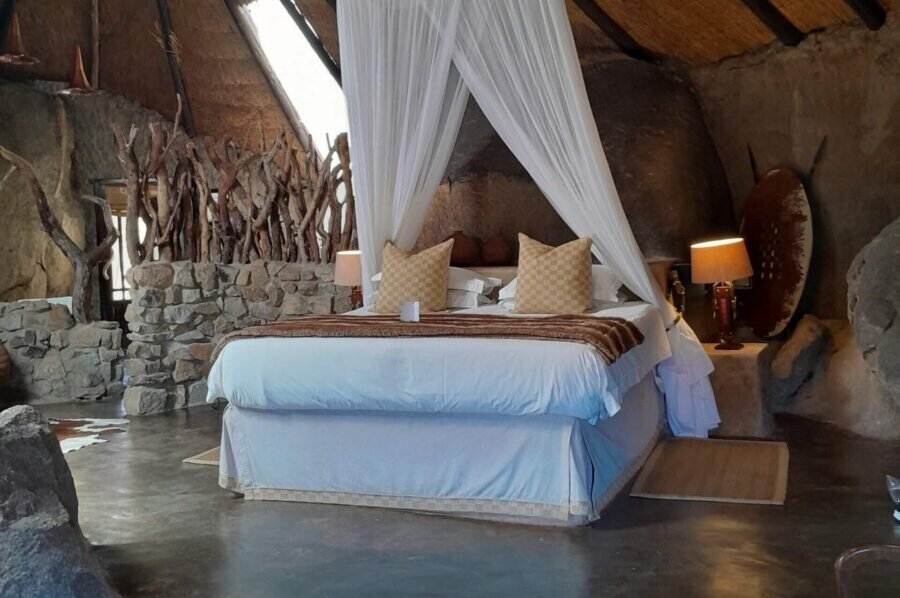
I also had a stop-off at Matopos Hills – lying between Victoria Falls and Hwange – and stayed a lovely lodge with rooms built into the giant, rounded granite domes that give the hills their bald-headed appearance. Matopos has no predators and it is completely safe to walk around the lodge property – great for birding. The next-door Matopos National Park has successfully reintroduced rhino and I even managed to see a few on our guided walk.
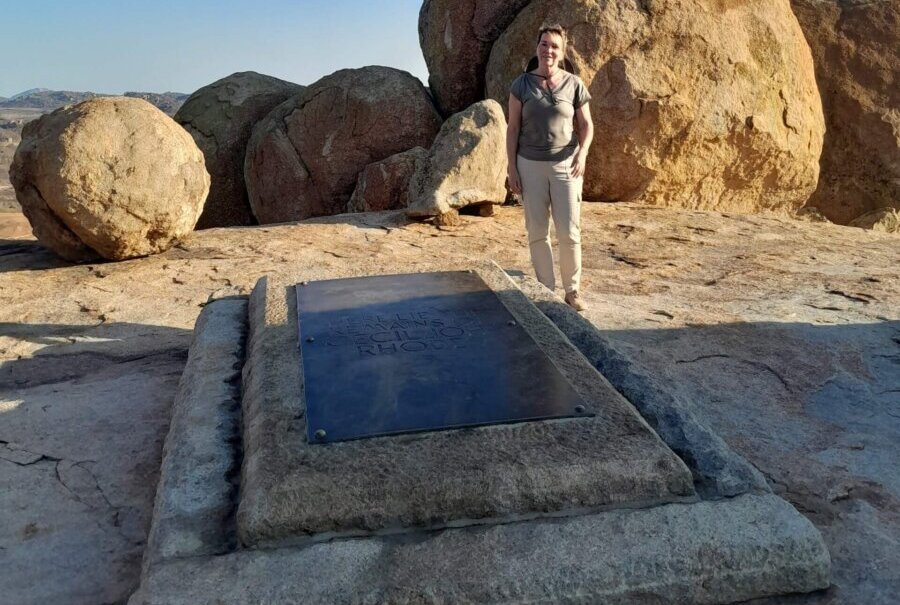
Other activities offered at the lodge are guided tours to see stone-age rock art and visit the grave of Cecil John Rhodes, the Victorian colonialist who was behind Zimbabwe’s former history as Rhodesia. My guide had the most amazing history knowledge of Rhodes and totally captivated me with his talk as we enjoyed the sun setting over the hills.
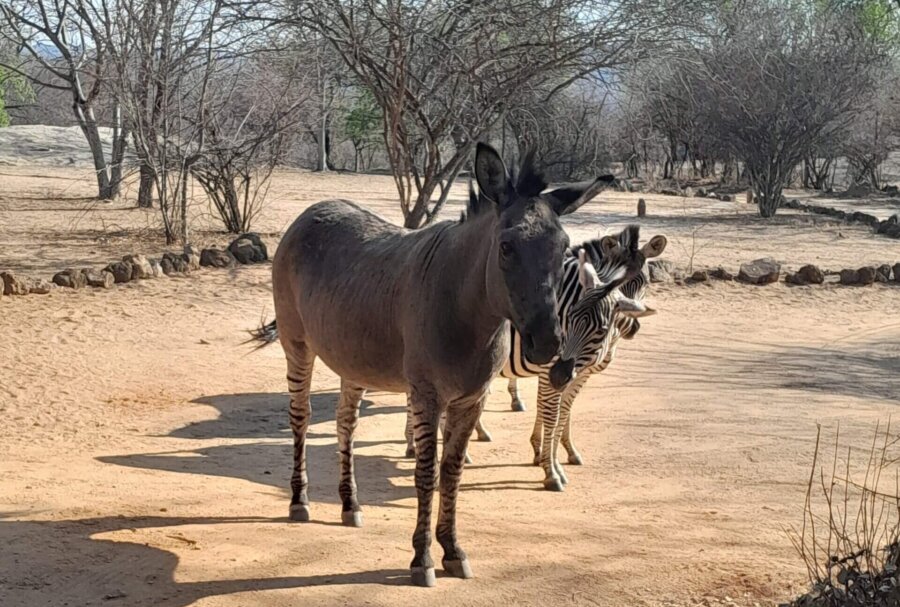
Spot the Zonkey!
The Matopos National Park is not fenced, and cattle and donkeys from the local villages graze freely in between wild animals. This leads to an occasional meeting between two species, especially between zebra and donkey, and so it was at Matopos that I saw my first Zonkey – and it was quite a sight.
Combine Victoria Falls, Hwange and Matopos
If you don’t fancy an expensive Botswana safari, then fly to Victoria Falls and head to Hwange for a few nights, finishing with a night at Matopos Hills – you then you fly out of the city of Bulawayo.
Based on my experience, I’d recommend combining a couple of lodges: one in a private concession and one inside in the national park for example, or even a lodge in eastern Hwange and then one from the north. Choose the south only if you are prepared for an adventure safari!