
With all the travel advisories these days – don’t go here, be careful there – there’s one warning you never get: African Safaris May Be Addictive. Travel on an African safari for the first time and it might well be that you become hopelessly, irreversibly, even gladly, addicted to the continent. And once Africa is under your skin, you’ll begin to notice the tell-tale signs of safari addiction; Safari Fever.
A CRAVING FOR WIDE OPEN SPACES
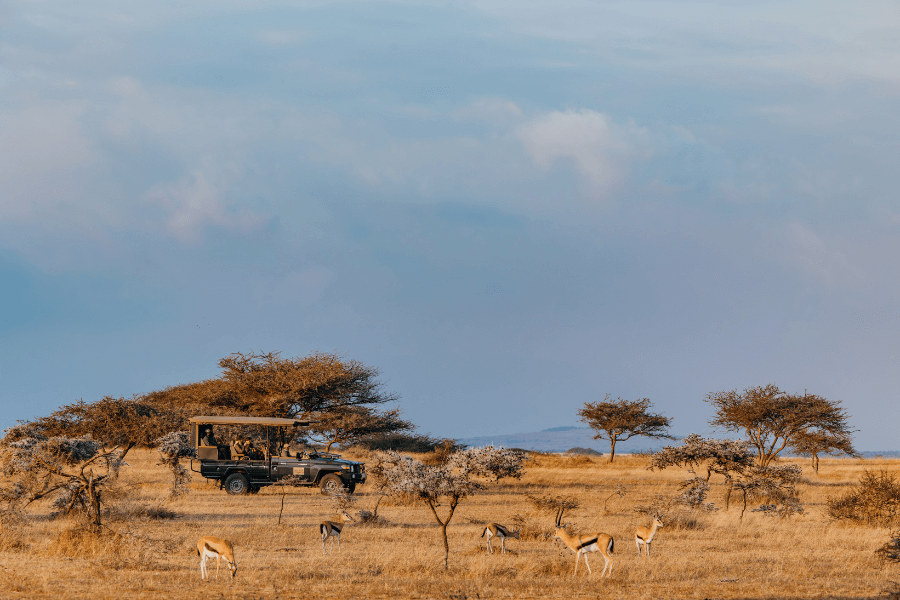
It hits you when you are driving home in traffic, or crammed onto a train. A sudden need for big views, sweeping landscapes – and, bless them, no other people. You resent the presence of your car roof – it should be open, like a safari vehicle, all the better to see with.
The relief is immediate in Africa; it’s a continent far larger than the conventional world maps show us, and Africa is a place where wide open spaces, devoid of human interference, really do still exist. Everyone has their favourite – the silent dunes of the Namib Desert, the primeval Kalahari, the grasslands of East Africa – where we absorb the natural vastness and marvel at its integrity.
A DESIRE FOR LARGE DANGEROUS ANIMALS
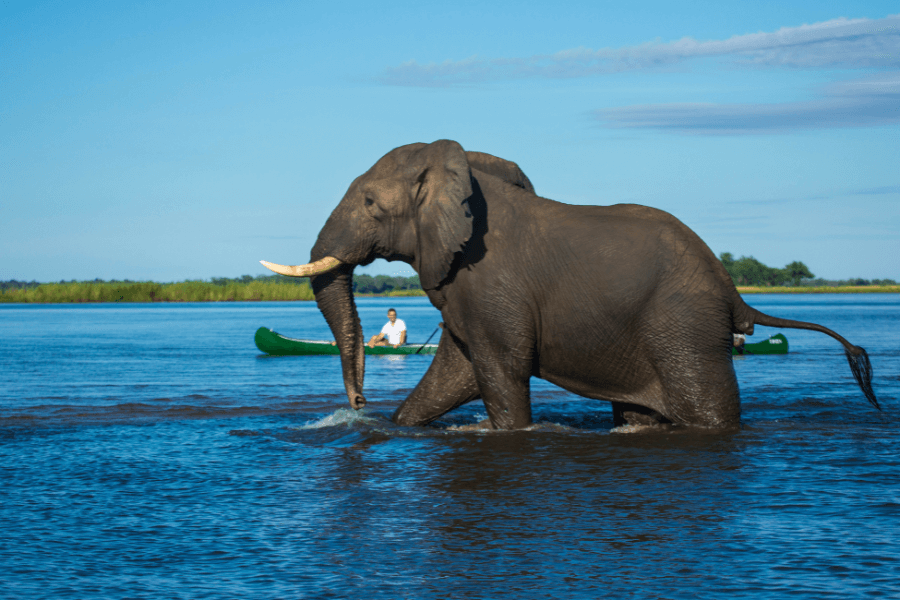
Correct me if I’m wrong, but shouldn’t we be paying money to avoid close proximity to things like lions, elephants and crocodiles? And yet, here you are, aching to be so close that you can actually hear them breathing. Gorillas, leopards and rhinos? The bigger, the better. And that’s the beauty of Africa: it’s the only place left in the world that you can easily and safely see big, potentially deadly animals, often next to the vehicle you are in.
There are so many places to get your fix but for the biggest BOOM then it’s hard to beat the Sabi Reserve for the Big Five, Botswana for elephants and the Serengeti for the wildebeest migration. Rwanda delivers the easiest gorilla trekking.
AN ITCHY FEELING AT SUNSET
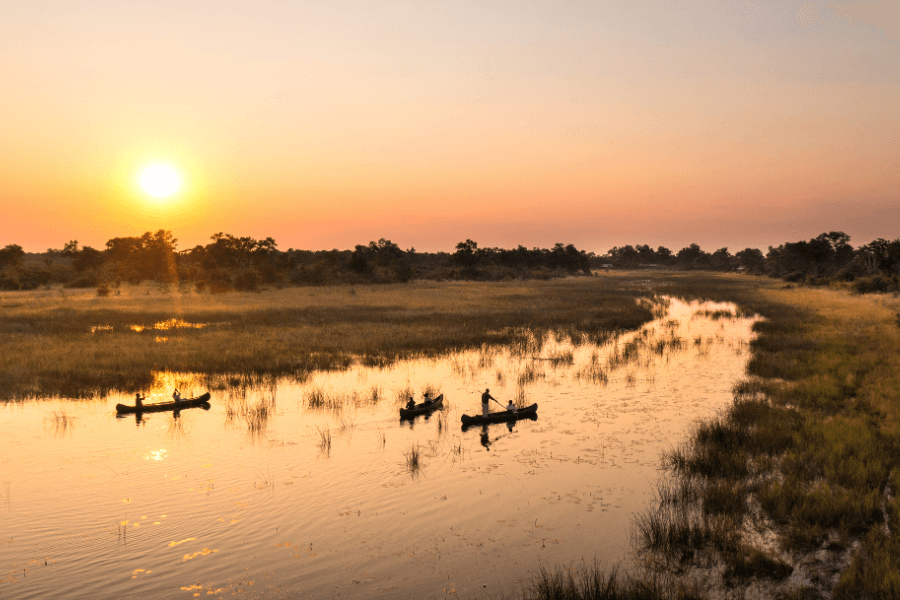
There it is: that feeling as the sun loses its heat and starts to sink. Suddenly the day feels over; a curious thirst overcomes you, and the need to find a view. A waterhole would be nice. So would a cold drink in a tall glass. Quick now, there will be sandgrouse flying in to drink, their curious calls as liquid as the substance they have come for. Day-time animals – zebra, elephant, antelope, leave the water as the last of the sunlight burns; night-time animals are starting to move – owls, bush-babies, hyenas.
Oh, I know everywhere gets a sunset but there seems to be something special about an African one. The sky, full of dust, radiates with a deeper redness as the sun sinks; no clouds are needed. You may feel like a silent sunset, like those in Namibia’s deserts or the Kalahari, or a sunset backed by the roar of lions in Zambia, Botswana and Zimbabwe.
A NEED TO LIST WILDLIFE
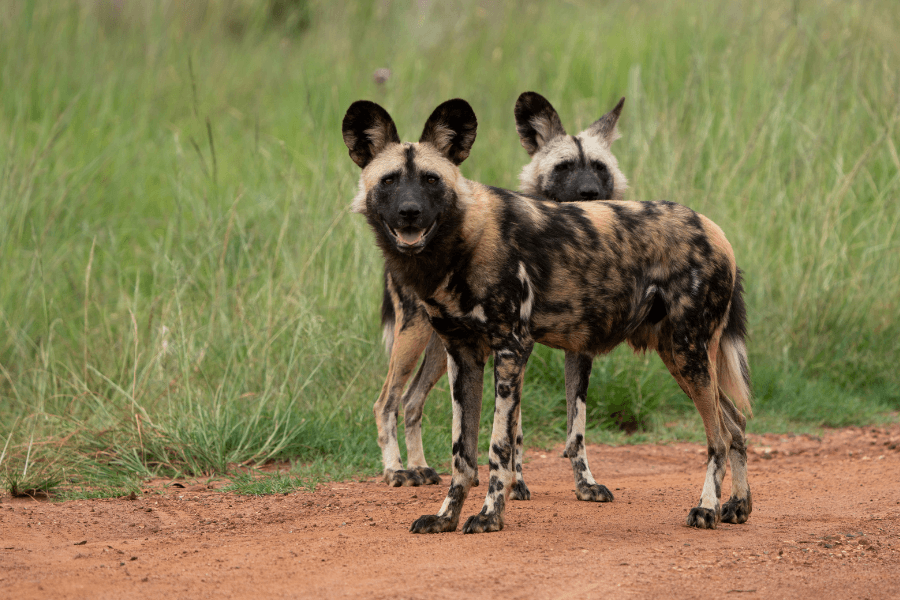
Since when did you start listing the birds in your garden? Oh, it was after that safari, huh? Well, it happens, and the problem is that it gets worse. You start with something relatively harmless – lions and elephants for example, and before you know it, you want the rest of the Big Five – rhino, buffalo and leopard. And then there are cheetahs and wild dogs to find, and that’s before we get to the rare stuff: pangolin, aardvark, Pel’s fishing-owl (birders will know what I mean).
You know what you want to see; the trick is going to the right place at the right time; Botswana is first-class for big cats, wild dogs and elephants but forget seeing any rhinos there. Namibia, on the other hand, is fantastic for rhino but you won’t see buffalo, while there’s no point going to the Masai Mara for the wildebeest migration when it has moved to the Serengeti.
NEW DANCE MOVES
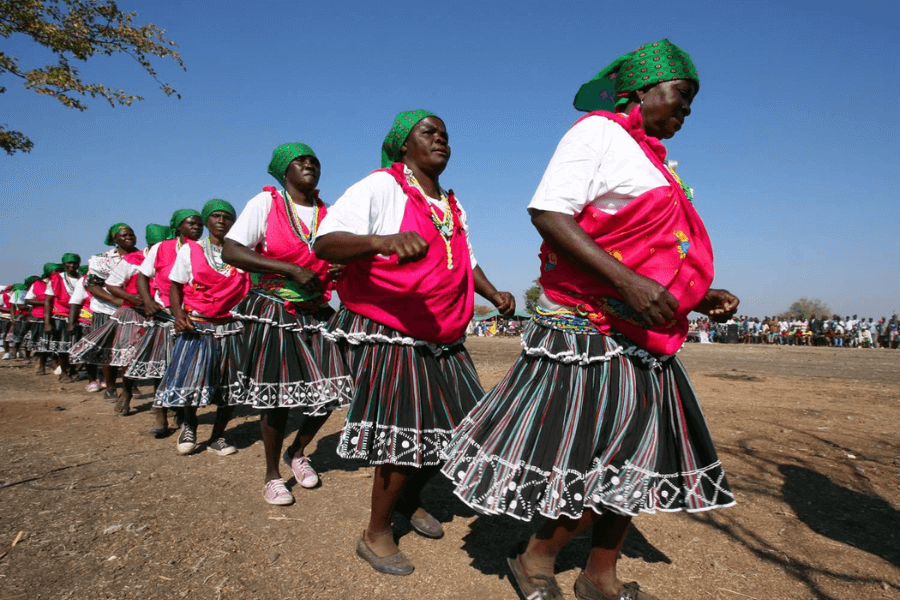
Did you just do a little shuffle? There it is again, the thing with the hips. Looks like you learned a little something from that African dance evening at the lodge …
Performed by lodge staff or dance troupes, Africa’s traditional songs and energetic dances are woven into the safari experience whether at dinner or on a local community visit. There may be a drumming workshop to attend, a local choir or a school dance club to watch. Witness the ‘Jumping Dance’ of the Maasai, or the Zulu ‘Gum Boot Dance’ – as fascinating as the culture they come from.
Is it forced? Contrived? Awkward? Not really; think of it as a way of seeing another side to African culture – the songs are genuine – and the overwhelming feeling on both sides of the activity is enjoyment. Sit back and go with the flow. And if you do get up and learn a dance move or two, you’ll have made friends for life.
YOU MISS THE MILKY WAY
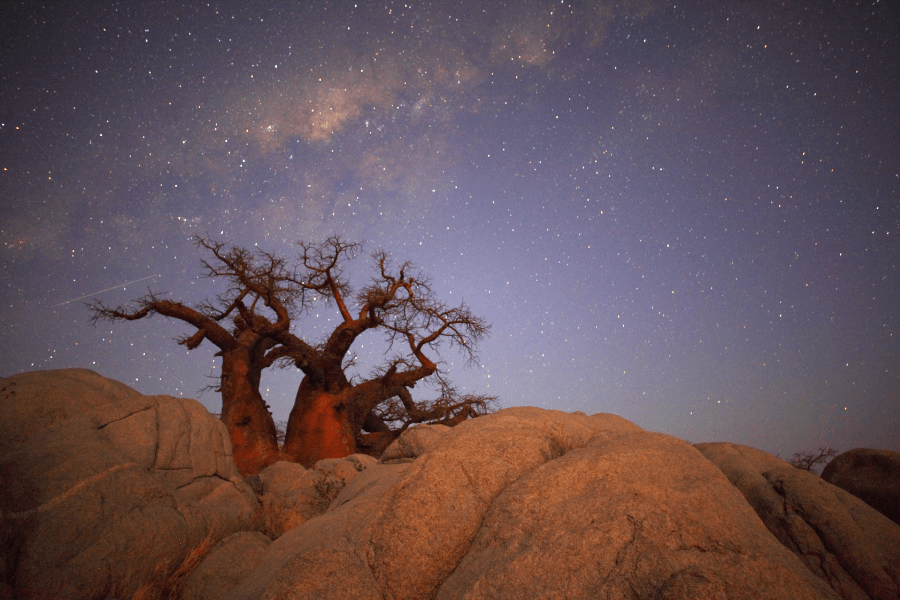
There you are again; standing outside in the back garden after dark. Looking up.
It’s hard to fully take in the night skies of an African safari, such is the scale and clarity of the stars. Back home, the orange fuzz of a city night sky blots out the cosmos but in Africa’s clear, unpolluted skies the stars shine unbridled and with a deep intensity. Watch for a minute or two and surely a shooting star will trace a line in the sky; and there, buried in the Milky Way, a constellation: Orion, Scorpio, the Southern Cross. On safari, everyone gets to sit back at night and watch our planet gently roll through the stars of the southern hemisphere.
Several lodges make an experience out of the night skies: trained guides with telescopes and laser pointers will reveal the secrets of the stars and the planets – who would think you can see the moons of Jupiter from a bush camp in Africa? For the biggest starry fix, book a dry season safari to Botswana’s Kalahari and Kubu Island, internationally famous for its impeccable night skies.
THERE’S A BOMA IN YOUR GARDEN
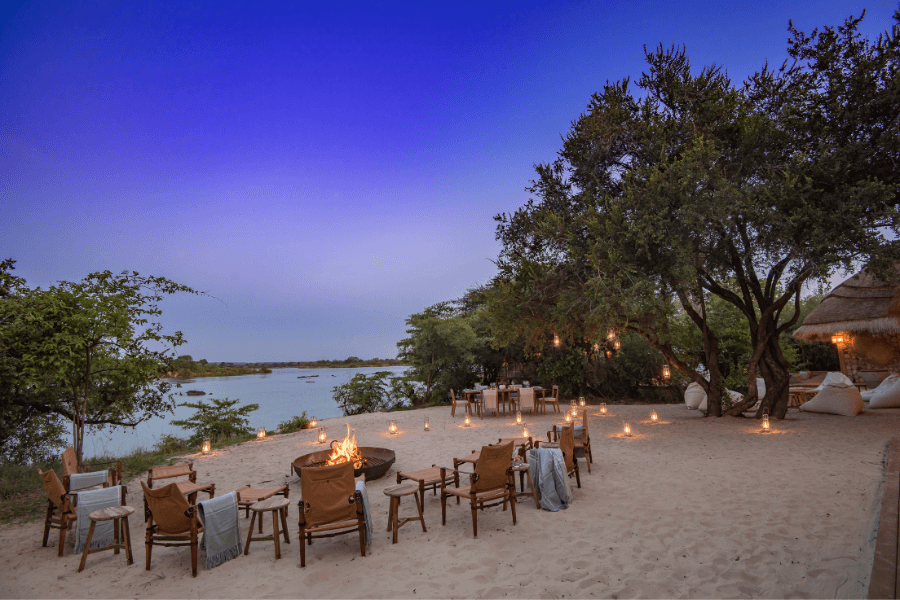
You’d better check that your neighbours don’t mind the smoke of a campfire every night but if they are good with it, then why not recreate that most social of African institutions: the Boma. A communal eating and socialising area centred round a fire, a Boma is enclosed and sometimes covered against the elements. The best ones will be decorated with animal skulls and tribal weaponry but you’d better get council permission for that kind of thing at home.
All lodges will have a Boma of sorts; it’s the place where everyone meets at the end of the day and swops stories and experiences over a drink. After supper, it’s where you’ll sit for star gazing and a last drink before bed.
YOU GET UP BEFORE DAWN
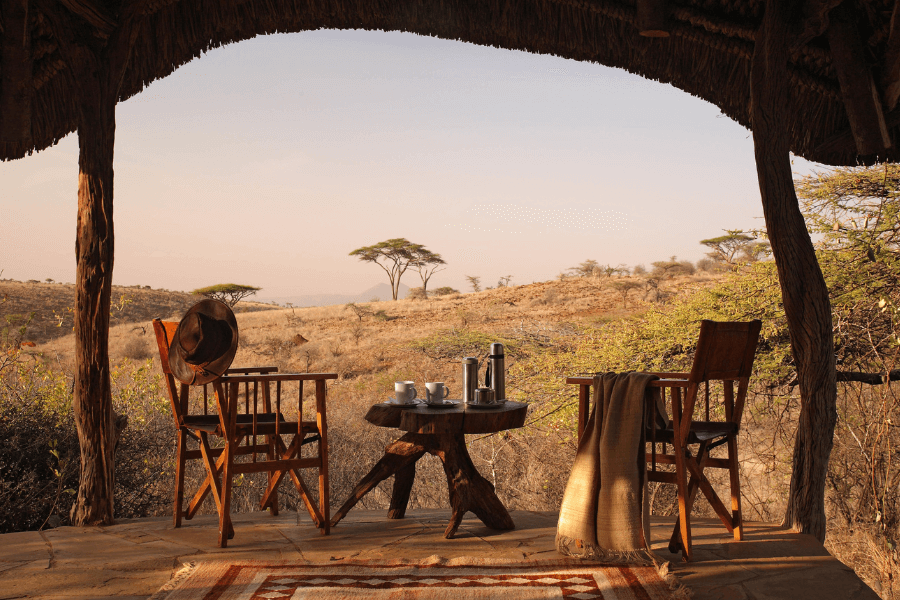
It’s the tight feeling in your stomach that does it; a nervous excitement. You can’t sleep anymore so you get up in the dark, pull on some clothes and take a steaming cup of coffee into the garden. Sunrise is coming, and you need to be up and out, taking advantage of the half-light to look for … oh, go back to bed; all you’ll get back at home is a chill.
It’s pre-dawn Africa that delivers the fix you want, the bitter smell of wild sage and black coffee, sweetened by biscuits and the promise of wildlife on the move. Game drives are best in the very early morning, catching the nocturnal players on their last rounds as well as the bigger predators on the hunt, using to cool, dark air to maximise their chances of success. It demands an early start but there’s always a mid-morning stop for coffee and breakfast reinforcements.
YOU TURN OFF YOUR PHONE
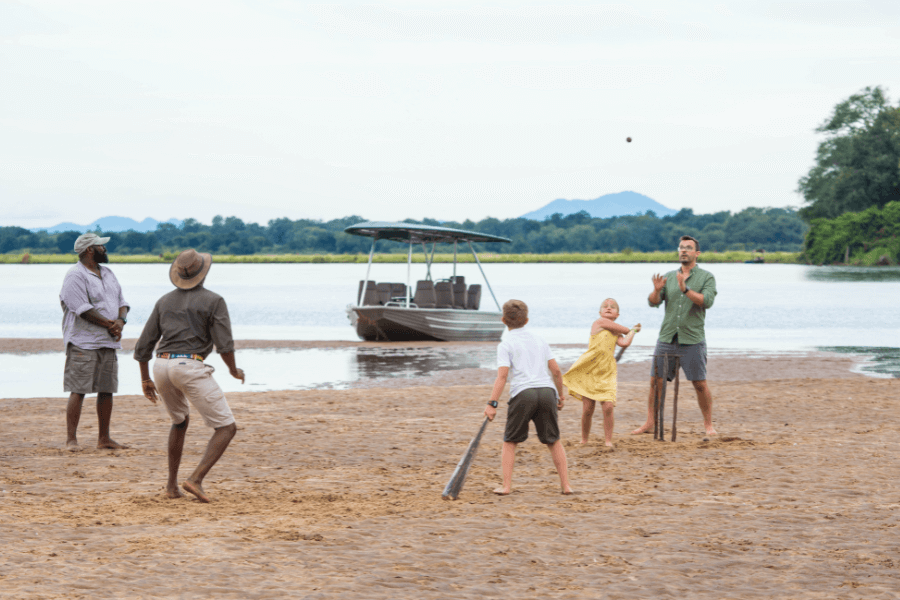
That’s right. Off. Suddenly, a view seems more interesting, as does that book you’ve been meaning to start. Conversation begins, a family game breaks out – someone lights a campfire and uncorks a bottle. Seems like life goes on without our phones.
Many African safari lodges do not have internet connection, or it may be intermittent. Some accommodations make a concerted effort to limit internet use to common-use areas such as lounges and photography facilities but you will always find recharging stations, even at the more rustic bush camps. The net result is that you’ll have your phone for photos but you won’t be drawn into any aimless timewasting – and that’s not such a bad thing.
LIFE FEELS … DIFFERENT
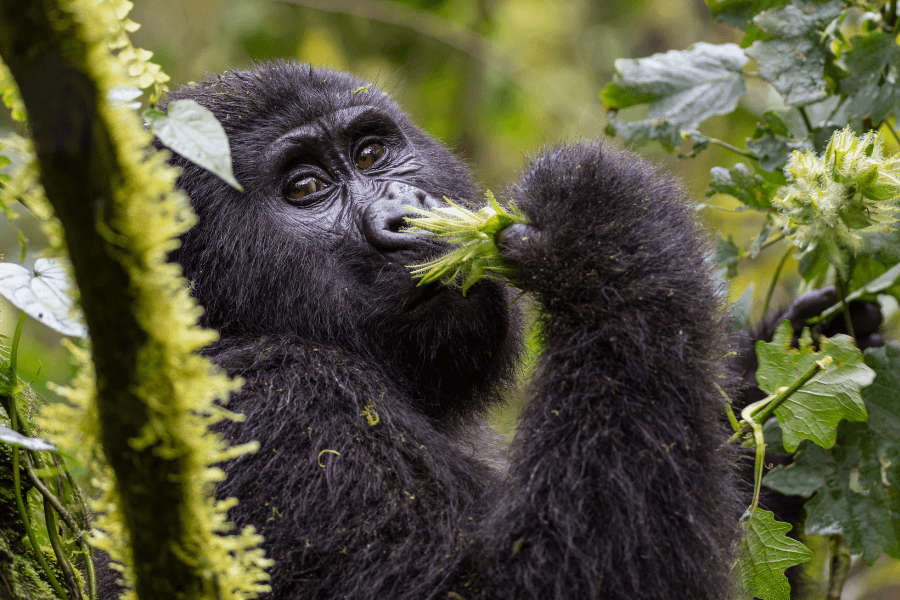
That’s because Africa can do that to you. Face to face with a seven-foot mountain gorilla in Rwanda; wall to wall elephants in Botswana; whales and wine in Cape Town – the continent has a unique attraction, if only to change our lives in some way. Maybe it’s when we are humbled by the size and space of Africa, of its animals, of its views and of its stars. Perhaps it’s when we meet its people and hear their stories and listen to their songs – whatever it is, it’s Africa and it’s addictive.