Discover Nyerere National Park, a vast, untamed sanctuary and the cornerstone of Tanzania’s southern safari circuit! This is one of the world’s largest conservation areas, delivering on its image of raw exploration and abundant wildlife. It protects healthy populations of elephant and buffalo herds, lions, leopard, and the endangered wild dog.
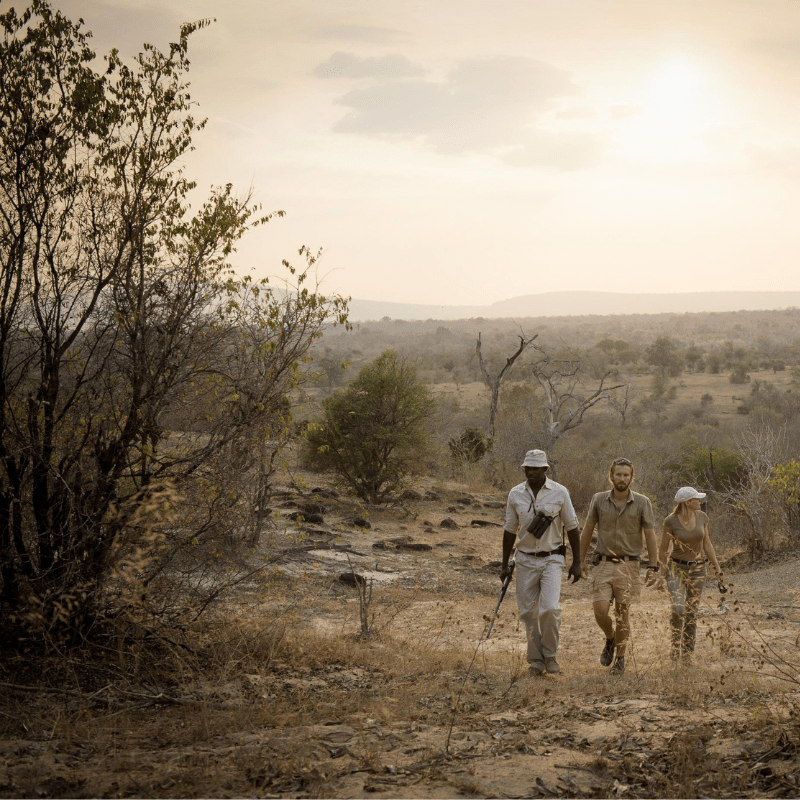
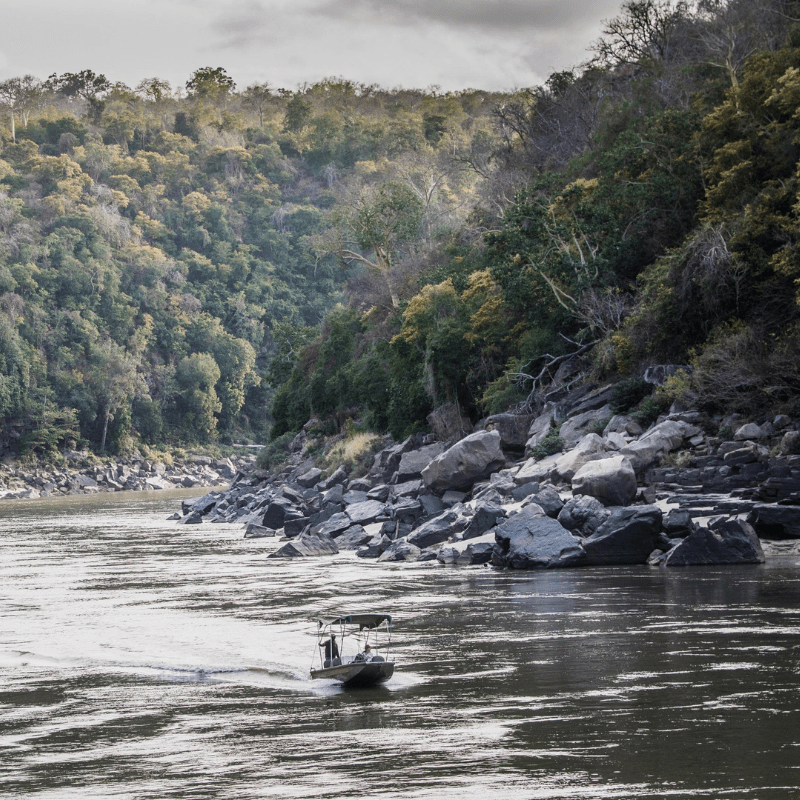
It offers an exclusive experience; small, secluded camps mean minimal crowds and uninterrupted game viewing. Enjoy unique safaris, including classic game drives, guided walks, and thrilling boat trips along the Rufiji River, perfect for seeing hippos and crocodiles. Combine this Big 5 destination with the Serengeti for migration drama or a relaxing beach escape to Zanzibar. It’s ideal for discerning travelers seeking an off-the-beaten-path adventure.
With a name that conjures up imagery of exploration, tented camps and abundant wildlife, it is reassuring to know that the Nyerere National Park still delivers on all counts. One of the world’s largest and wildest conservation areas, the Nyerere National Park is home to healthy populations of Africa’s biggest animals and stands as the showpiece on Tanzania’s ‘southern safari circuit’.
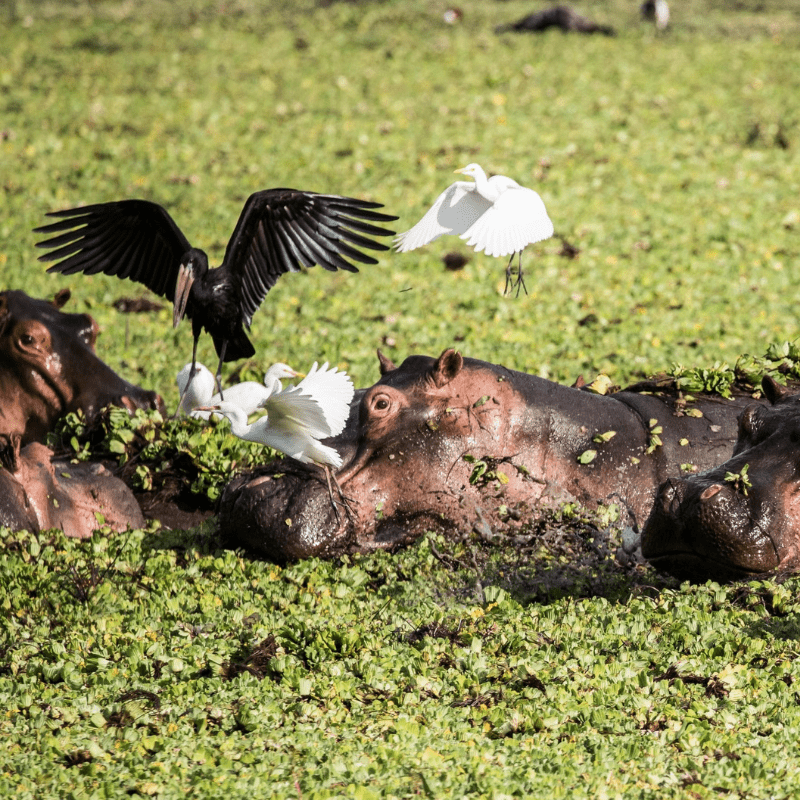
A Nyerere safari takes you in search of elephant and buffalo herds, the latter often shadowed by lions and ever-attendant hyenas. Africa’s other big predators are there too: leopard, cheetah and wild dog as well as giraffe, zebra and many antelope species. It is a birding paradise with well over 400 species on record, and a good place to see river life – hippos and crocodiles in particular.
Accommodation is set along riverbanks and next to lakes, ensuring fine views and game viewing from the comfort of your suite. Standards of cuisine and service are high, and most lodges have a swimming pool, but you will want to get out and explore with your guide. Nyerere National Park is Big 5 country, and your morning and afternoon game drives are balanced with guided walks and boat safaris to give you a comprehensive wildlife experience. Several Nyerere National Park camps have larger accommodation units that sleep up to four – ideal for families though we recommend travelling to the Nyerere National Park with children only aged 12 and over.
A Nyerere safari is also about exclusivity. Many camps are small and secluded which makes them ideal for romantic travel. And because the reserve is barely visited compared to destinations such as the Serengeti, Masai Mara and Ngorongoro Crater, there are few, if any, other vehicles during your game drive – great for unconstructed wildlife sightings and photography.
Generally, part of a southern circuit tour with destinations such as Ruaha National Park, a Nyerere safari is recommended for safari travellers who have experienced the northern circuit destinations of the Tarangire, Serengeti and Ngorongoro.
You can however easily combine Nyerere National Park with the Serengeti National Park, giving you the opportunity to match the wild Nyerere with the drama of the wildebeest migration, the Serengeti calving season or the great migration river crossing. You can also connect with Zanzibar and enjoy the indulgence of a tropical beach holiday, an easy add-on from Selous. Browse our itinerary ideas or simply contact us for a tailor-made tour.
The best time to visit the Nyerere National Park is during the June to October dry season. It is during this period that there is virtually no rain in the Nyerere, the malaria risk is at its lowest, and wildlife is increasingly concentrated around water sources like the Rufiji River. This attracts large numbers of predators to make game viewing very exciting and rewarding at this time of year.
Annual temperatures are at their mildest during the dry season – at least from June to late August when the average daytime maximum is around 27°C/81°F. Temperatures rise a degree or two in September and October which only increases the concentrations of wildlife at water, making these two months are great time to visit Nyerere National Park if you can handle the heat.
The onset of the rains does not mean that it is no longer possible to visit the Nyerere National Park. Rain usually comes in the form of afternoon storms and although the rains are heavy in December, there is a slight decrease in rainfall over January and February. This ‘green season’ is spectacular for travellers willing to trade a bit of rain for beautiful lush scenery, very few other visitors and superb bird watching.
Moreover, since many antelope species give birth during this time, the November to February period is one of large herds with young animals – a magnet for big cats, hyenas and wild dogs. This makes it a good time of year to visit Nyerere National Park as you will have a good chance of seeing predator/prey interaction.
The annual rains are at their heaviest in March, April and May. Roads within the Nyerere National Park often become impassable, wildlife moves away from the river and into the trackless wilderness, and the malaria risk is at its highest. Consequently most Nyerere National Park camps and lodges close at the end of March and re-open in June.
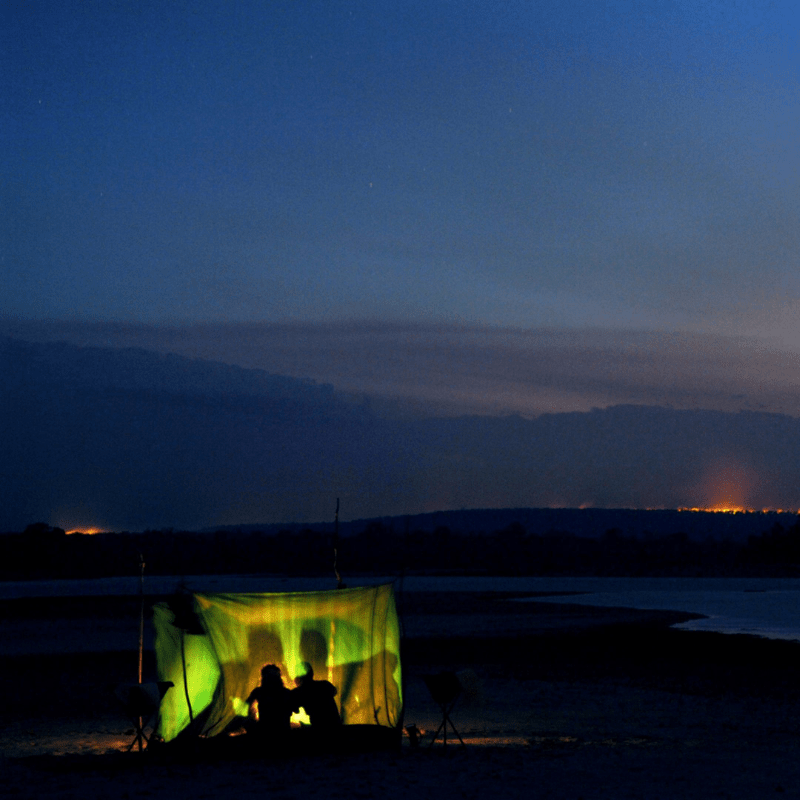
Nyerere National Park accommodation reflects the era from which it draws its name. Guests are welcomed with cold drinks at tented camps set under trees; there are viewing decks with easy-chairs, clinking glasses around campfires and candlelit dinners. Your personal accommodation takes the form of a large tented suite with private bathroom and veranda.
There is a good range of lodges to choose from in the Nyerere National Park. Honeymooners and romantic travellers will love the smaller and more luxurious lodges. Travellers on a budget will appreciate our selection of great-value lodges, delivering all the comfort you need when on safari but in a simpler way. And since all Nyerere National Park lodges are set overlooking or near water, the wildlife experience is similar throughout our range: you enjoy game drives, walks and boat safaris as well as gorgeous sunsets and dining under the stars.
Browse our recommended Selous lodges below or simply contact us for advice on suitable accommodation for your needs and budget.
Escape to Rufiji River Camp, where comfort meets the untamed wilderness of Southern Tanzania. Awake to a symphony of the African bush – the Rufiji River in flow, elephant trumpeting, black and white colobus monkeys swinging in the treetops, and a chorus of some 440 bird species – before embarking on a wildlife safari.
Kiba point is a totally exclusive little retreat in the heart of one of the most game-rich areas the Selous. It's set back off the river, with only 4 large and open-fronted rooms. Each room has its own plunge pool set into the edge of the deck, and there is also a large pool at the main thatched mess.
The name Roho ya Selous means “the heart of Selous” and what better place to base yourself for a safari than in this vast wilderness. Set on a hill overlooking the water, Roho ya Selous sits in the very heart of the Selous Game Reserve.
Set overlooking the Rufiji River, Sand River Selous has a long pedigree & is recommended for honeymooners & discerning travellers. Choose between tented suites & stone chalets with plunge pools & look forward to a wide range of safari activities with expert guides.
The Nyerere National Park Safari Tour is generally part of a larger itinerary in Tanzania, either in combination with the ‘southern circuit’ destinations such as Ruaha and Katavi national parks or with ‘northern circuit’ destinations – the Serengeti, Tarangire National Park and the Ngorongoro Crater.
Modern logistics & affordable air charters means however that any kind of combination with Nyerere National Park can be crafted. You can experience wildlife destinations across east Africa such as Kenya’s Masai Mara or Uganda and Rwanda’s gorilla trekking destinations. This way you can enjoy wonderfully diverse wildlife sightings blended with iconic scenery and cultural insights.
When choosing an itinerary, it is important to remember the seasonality of a safari not only in the Nyerere National Park but also the rest of Tanzania and east Africa. It is primarily a dry-season destination and best between June and October. This period happily coincides with the mildest and driest time in tropical Zanzibar but if you are planning to see the wildebeest migration, then this period sees the herds mostly in the western Serengeti and Kenya’s Masai Mara reserve.
Browse our recommended tours below, each including a Nyerere National Park safari tour. Alternatively, for a more personalised approach, simply contact Safari Online and we’ll tailor-make an itinerary based on your needs and budget.
Our team of destination experts will design a holiday to meet your budget and interests. Let’s start planning your tailor-made African safari today!
The Nyerere National Park is just one of a number of destinations that can be crafted together to create a diverse and rewarding itinerary in east Africa.
As part of Tanzania’s ‘Southern safari circuit’, the Nyerere National Park combines naturally with Ruaha and Katavi national parks, giving you ample opportunity to enjoy heavyweight game viewing in some of the country’s least-visited conservation areas.
It is also an easy destination to combine with Tanzania’s more familiar destinations – those of the ‘northern safari circuit’. The highlight of the north is of course the Serengeti, home to the famous wildebeest migration (Especially the calving season and the river crossing), but close by lies the Ngorongoro Crater where you are almost guaranteed to spot all of the Big Five (rhino, elephant, buffalo, lion and leopard) on a single day’s drive. There is also Tarangire National Park in the north, one of our top recommendations for a dry-season safari and home to some of Africa’s best bird watching.
We’ve featured our top combinations with Selous below but if you’re thinking about somewhere else, simply contact us for advice and recommendations.