Explore Southern Africa

Countries

Top dESTINATIONS

Explore East Africa

Countries

Top dESTINATIONS

Southern Africa

East Africa

Family Safaris

Travel To Tarangire National Park

Tarangire National Park

Often overlooked for the Serengeti, this wooded reserve is one of Tanzania’s most rewarding safari secrets.

Overview

The river that acts as a vital lifeline

Don’t skip Tarangire National Park! Often overlooked for the Serengeti, this wooded reserve is one of Tanzania’s most rewarding safari secrets. Tarangire hosts Tanzania’s largest elephant herds and all the big cats. Unique species like the gerenuk roam among iconic baobab trees. Famous for its tree-climbing lions and 550 bird species, it’s a diverse paradise. The dry season brings dramatic game viewing as animals crowd the Tarangire River. Accommodation ranges from luxury lodges to simple tented camps, offering game drives, night drives, and hot-air balloon safaris. Easily combine Tarangire with the Serengeti and Ngorongoro Crater for a complete northern circuit adventure!

More About Tarangire National Park

Lying within easy reach of the Serengeti and Ngorongoro Crater, the Tarangire National Park is often overlooked in favour of these more famous destinations, but this is nevertheless one of the country’s most rewarding and diverse wildlife reserves.

A Tarangire safari takes you into a more wooded landscape than the open grasslands of the Serengeti and Ngorongoro Crater. It is home to some of Tanzania’s largest elephant herds as well as all the big cats – lion, leopard and cheetah – plus a few animals that you won’t see in the Serengeti such as the extraordinary-looking gerenuk. There are healthy numbers of Africa’s heavyweight animals – buffalo, giraffe and hippo – plus many species of antelope.

Tarangire is also where to go for some of the most dramatic game viewing in Tanzania. The dry season sees ever-increasing numbers of animals concentrating at water sources, most notably at the Tarangire River, running through the centre of the park. Such numbers of animals naturally attract predators and a Tarangire safari in the dry season offers good opportunities to see predator/prey interaction.

But a Tarangire safari is not just about dramatic, heavyweight game viewing. There are other facets to this park: it is the best place in northern Tanzania to see the enormous baobab tree; the park’s lions are renowned for their slightly endearing habit of climbing trees; and with a bird count of an incredible 550 species, Tarangire is a bird-watching destination par excellence.

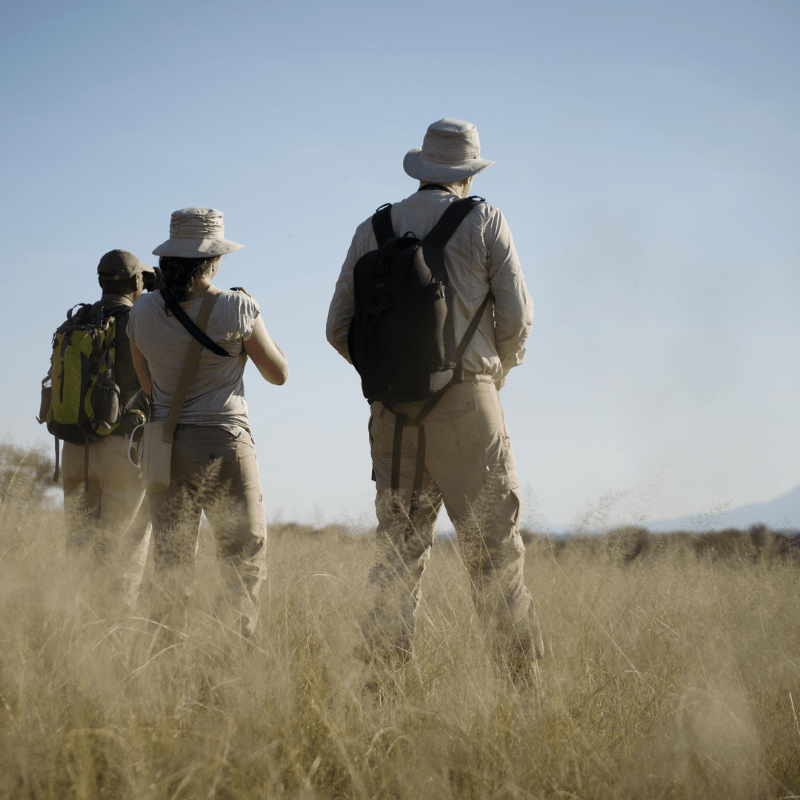
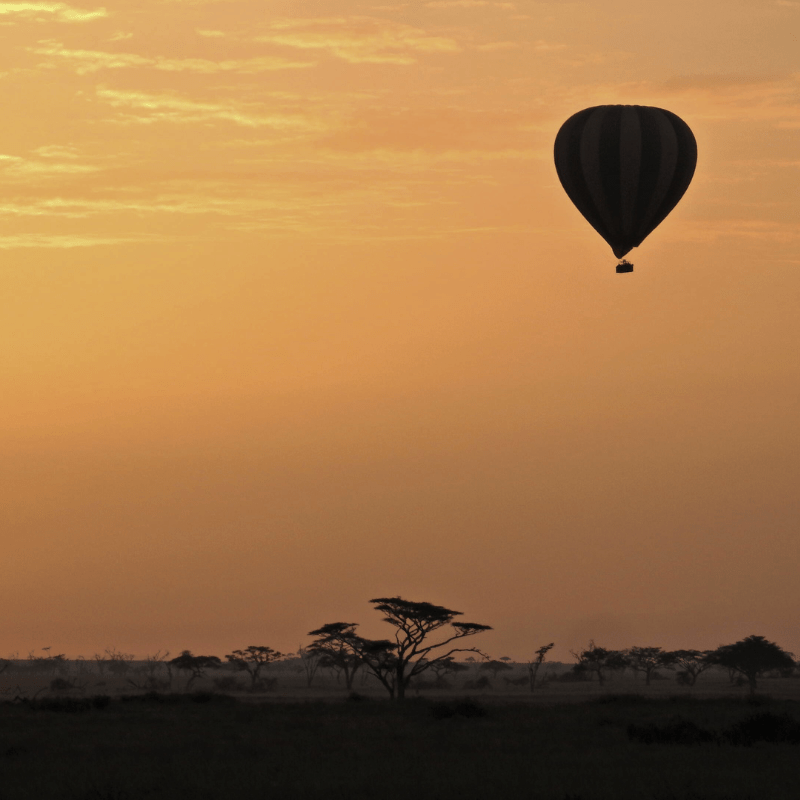
Accommodation is located discreetly throughout the park or in adjoining private concessions. There is a good selection of lodges available, ranging from tree-house suites and top-end tented lodges to simple tented camps with walk-in tents and hot-water bucket showers. Most accommodation offers a wide range of safari activities. Game drives are the main focus but there are also hot-air balloon safaris, guided walks, spot-lit night drives and community tours as well.

Easy to combine with the Serengeti and Ngorongoro Crater, the Tarangire National Park can also be experienced with destinations on Tanzania’s ‘southern safari circuit’ such as the Selous Game Reserve and Ruaha National Park. Browse our suggested Itinerary Ideas or simply talk to Safari Online about a Tarangire safari: we have a range of tried-and-tested tour combinations we can recommend and book for you.

Press play to watch our video

Things to do

Top Experiences - Tarangire National Park

Best travel period

When to go - Tarangire National Park

With an altitude of at least 900 metres (3 000 feet) above sea level, Tarangire escapes the stifling heat and humidity of Tanzania’s coast but the best time to visit Tarangire National Park is during the June to October dry season.

As the ephemeral water sources dry up across the park, animals are increasingly forced to concentrate at permanent water. Consequently, large numbers of animals and a great diversity of species can easily be seen at rivers and waterholes: elephants, buffalo, antelope, giraffe and zebra, preyed on in turn by Tarangire’s predators – lions, leopards, cheetah and spotted hyenas.

June to October enjoys nearly bone-dry weather though there is a possibility of rain beginning early in October. Temperatures vary considerably throughout this period: pack warm clothes if you plan to visit Tarangire between June and the end of August – it may hover near freezing on some early mornings – while October often experiences daytime temperatures over 30°C/86°F.

The beginning of the rains in November does not necessarily mean an end to safaris in Tarangire. There is about four weeks of rain – the ‘short rains’ – mostly in the form of afternoon showers. It is warm during this time: daytime temperatures average around 29°C/84°F while night time and early mornings see temperatures down to 17°C/63°F.

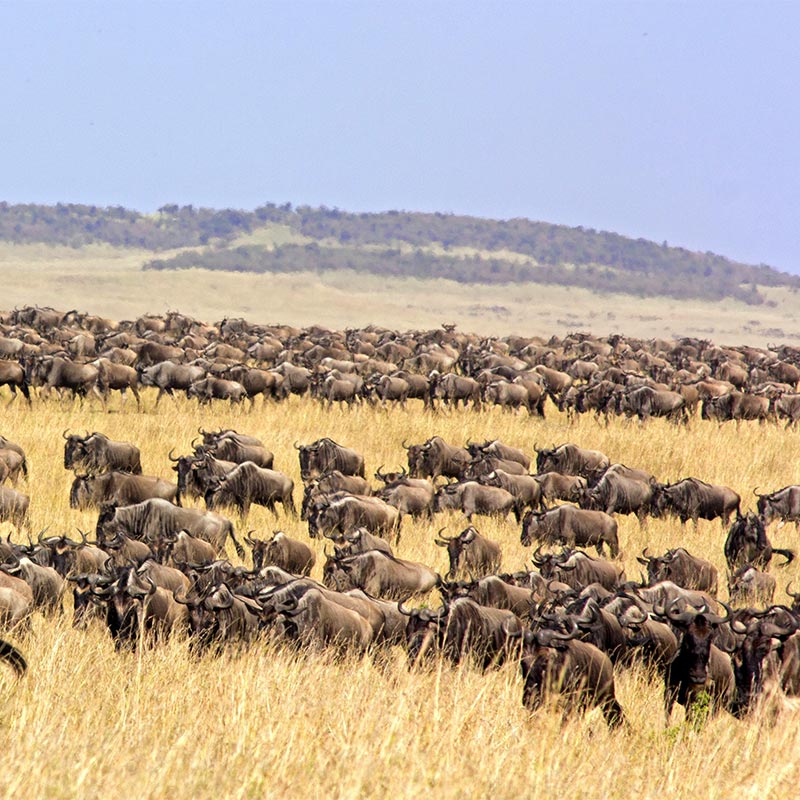
The heat continues into January and February when there is a short drier period – hard to predict and still with rain – but dry enough for some accommodation in Tarangire to stay open for safaris. This is also one of the best times to visit Tarangire if you want to combine your trip with the Serengeti migration. The wildebeest herds are concentrated in large numbers in the southern Serengeti at this time and relatively easy to access from Tarangire.

Then the ‘long rains’ arrive in March, peaking in April and continuing into May. A time to avoid Tarangire, this period sees the heaviest rain of the year and our recommended lodges close down, only reopening in May or June.

JAN
FEB
MAR
APR
MAY
JUN
JUL
AUG
SEP
OCT
NOV
DEC
  • Excellent
  • Good
  • Fair
  • Poor

Places to stay

Tarangire National Park Accommodation

With such an emphasis on the dry season experience, Tarangire lodges are naturally located overlooking or near well-frequented water sources such as rivers, waterholes and permanent wetlands. From the end of May to October, animals gather in increasing concentrations at these water points, resulting in highly diverse and rewarding safari activities.

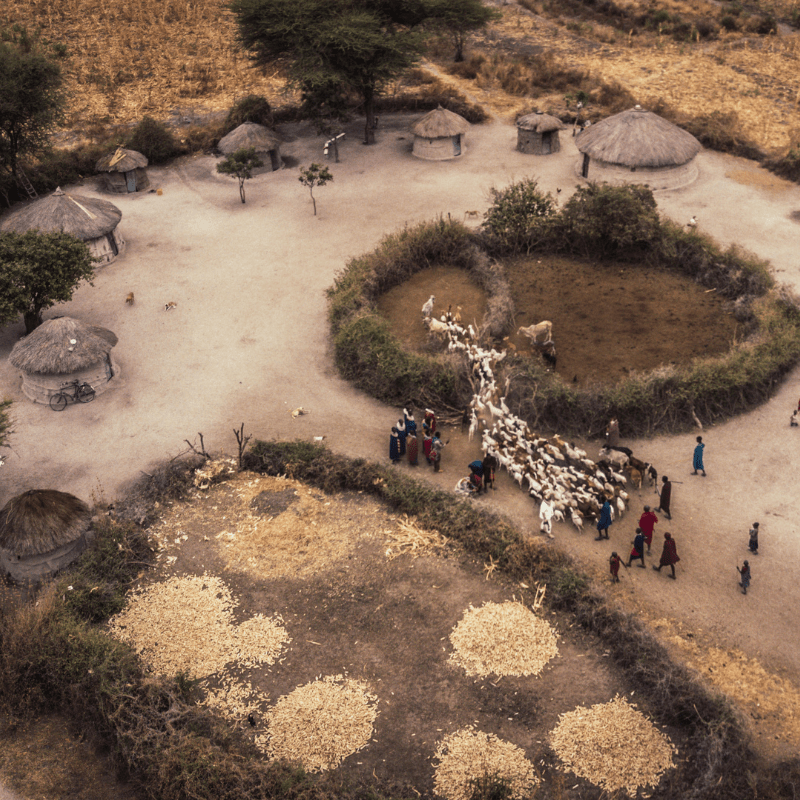
Most Tarangire lodges are located within the national park itself. Others have a private reserve setting adjacent to the park, offering drives in both the reserve and Tarangire. Morning and afternoon game drives are the main focus but Tarangire lodges are able to offer other activities such as spot-lit night drives, guided walks, fly-camping adventures away from camp, and even hot-air ballooning. Several are in a position to offer their guests an insight into local community life through guided tours to local villages and community programmes.

Tarangire lodges tend to be smaller and less luxurious than their counterparts in the Serengeti and Ngorongoro Crater, usually no more than 10 tented or timber and thatch suites. They are however very comfortable and all our recommended lodges offer accommodation with a private bathroom and some of our more luxurious lodges include personal butler service.

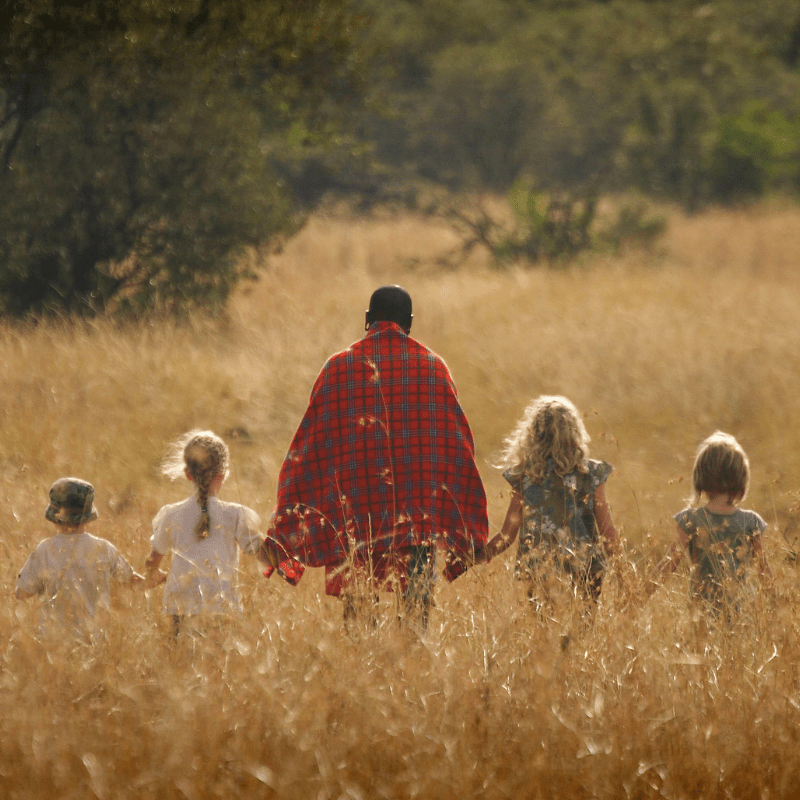
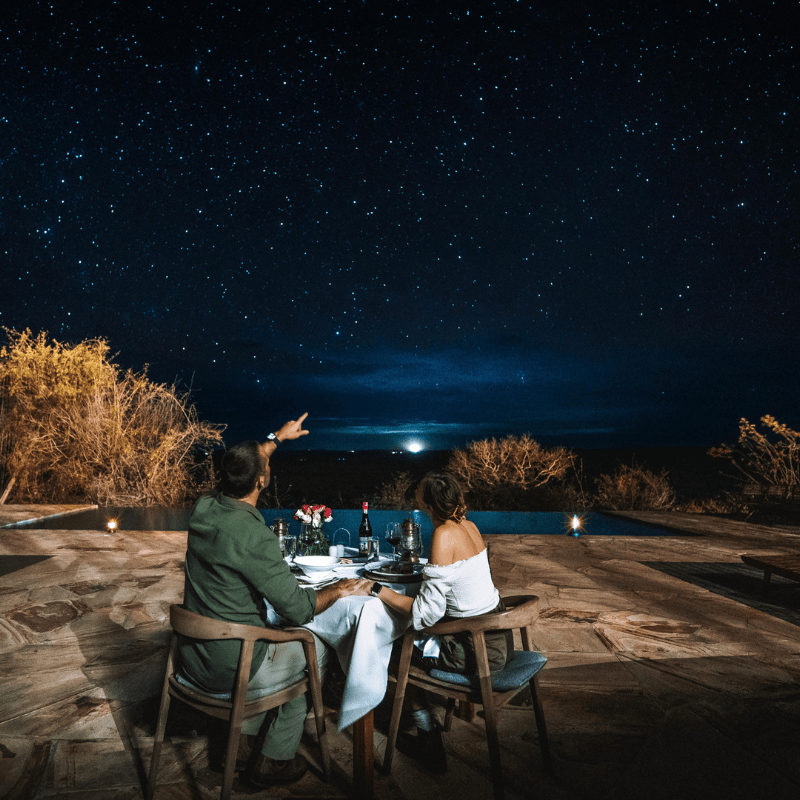
Accommodation is generally located in the more remote parts of the national park. Well away from other lodges, this means more exclusive game sightings compared to the more popular reserves of the northern safari circuit. No wonder then that several Tarangire lodges are among our top recommendations for honeymooners and romantic travel as well as safari travellers looking for an off-the-beaten path destination. Other lodges in Tarangire welcome families with children and even have special children’s activities as well as family-friendly accommodation. We do however advise that Tarangire is not suitable for younger children.

Browse our recommended Tarangire accommodation below or simply contact Safari Online and we’ll recommend a lodge suitable for your requirements.

Tarangire National Park, Tanzania

Tarangire Ndovu Tented Lodge

Open from June through October, Tarangire Ndovu takes advantage of its non-permanent nature to set up its tents in the park’s best game viewing regions. Leaving behind only a light eco-footprint, this camp offers game drives, guided walks & hot-air balloon safaris.

From:
USD 320 pps
Private concession next to Tarangire National Park

Elewana Tarangire Treetops

Set in the forest canopy, each of the 20 suites enjoys fabulous views as well as an en suite bathroom with a double shower. A private reserve location means a mix of activities from night drives to community visits as well as safaris in Tarangire.

From:
USD 610 to 1350 pps
Tarangire National Park, Tanzania

Sanctuary Swala Camp

Each of the camp’s nine suites has a personal attendant as well as a private terrace overlooking a waterhole. Open for the dry season, Sanctuary Swala offers game drives & guided walks in a region renowned for heavyweight wildlife such as elephants & big cats.

From:
USD 1320 pps
Tarangire National Park, Tanzania

Oliver’s Camp

Open only for Tarangire’s dry season, Oliver’s has a remote setting near a wetland, assuring uninterrupted game viewing of the highest standard. With only 10 tented suites, it remains a small & intimate camp that also offers exciting walking safaris.

From:
USD 950 to 1400 pps

Tailor-made for you

Itinerary Ideas - Tarangire National Park

Experience the magic of Tarangire National Park

A Tarangire safari is best combined with other destinations to deliver a diverse and rewarding holiday. And thanks to Tarangire’s northern setting, the most obvious – and easiest – combinations with Tarangire are the other destinations of Tanzania’s ‘northern safari circuit’: the Serengeti and Ngorongoro Crater. Together, these destinations provide for excellent game viewing, blending the Tarangire experience with Big 5 safaris in the Ngorongoro and the wildlife-rich savannahs of the Serengeti, home to the world-famous wildebeest migration.


Timing is important if you want to get the best out of all these destinations: Tarangire is best visited between early June and the end of October but several lodges remain open until March. The Ngorongoro is generally considered a year-round destination but if you are planning to catch the wildebeest migration too, then the herds are in the Serengeti between November and June/July. Depending on your schedule, you may need to add Kenya’s Masai Mara to your itinerary as the wildebeest are generally in the Masai Mara between July and October.


A Tarangire safari can also include the wilder and less-visited conservation areas of Tanzania’s central and south regions – Ruaha National Park and the Selous Game Reserve are our top choices – but for a different side to your African safari, why not finish off with a few lazy days on the beach? Tropical Zanzibar is simple to add to a Tanzania safari and there is a wide range of accommodation on the island to suit all tastes and budgets.


Browse our recommended tours below, each including a Tarangire safari. Alternatively, for a more personalised approach, simply contact Safari Online and we’ll tailor-make an itinerary based on your needs and budget.

Start Your Journey to Tarangire National Park

Our team of destination experts will design a holiday to meet your budget and interests. Let’s start planning your tailor-made African safari today!

Combine destinations

Where to next?

A Tarangire safari is usually part of a tour that takes in several destinations within Tanzania or indeed further afield in Kenya, Uganda and Rwanda.

The natural combinations with Tarangire are the nearby destinations of the Serengeti, Lake Manyara and the Ngorongoro Crater, an itinerary known as the ‘northern safari circuit’. Logistics between the destinations are smooth-running and the circuit can deliver an amazing range of wildlife experiences: the great herds of the Serengeti, the Big 5 of Ngorongoro, the flamingos of Manyara and the dry-season drama of Tarangire.

Travellers who have already visited the more famous northern destinations but are looking for a Tarangire experience may find the alternative ‘southern circuit’ to their taste. Referring to Tanzania’s less-visited conservation areas in the centre and south of the country, the southern circuit includes the giant Selous Game Reserve as well as remote and wild Ruaha, home to the largest elephant herds in east Africa.

If you are visiting Tarangire between July and October, another combination idea is to head for Kenya’s Masai Mara for the wildebeest migration. This is a time when most wildebeest are in the Masai Mara rather than in the Serengeti. And if you want to combine the big game of Tarangire with the big primates of the rainforest, ask us about a safari that includes gorilla trekking in Uganda or Rwanda. On the other hand, you could stick to primates in Tanzania and head for the chimpanzee-filled forests of Mahale Mountains or Gombe Stream national parks in the west of the country.

Browse our recommended destinations below or simply contact Safari Online with your ideas for a combination with Tarangire and we’ll put together an itinerary for you.