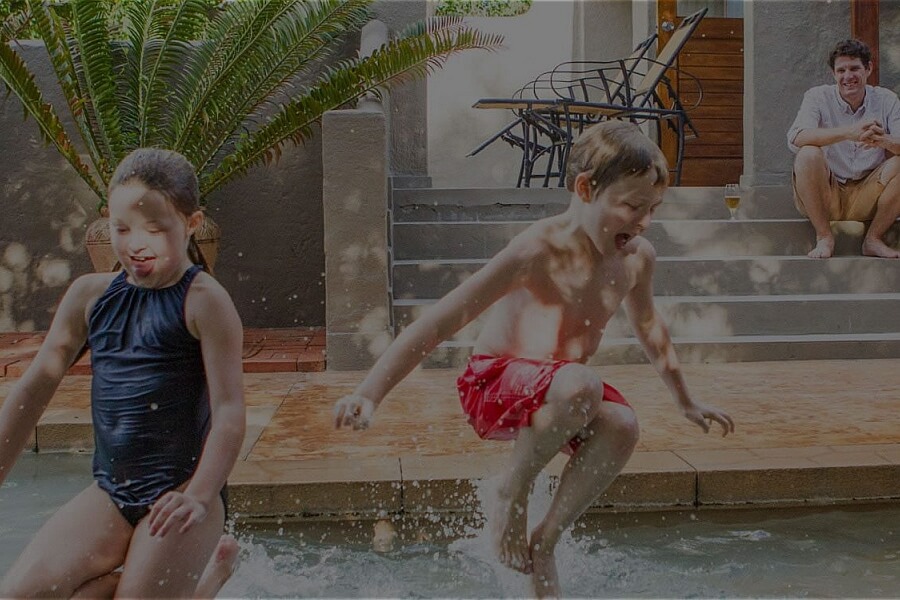
Former Botswana safari guide Dominic Chadbon answers the most commonly-asked questions about Botswana family safaris.
Botswana is a country full of big wild animals and remote destinations; the first question I was asked as a guide by concerned parents was – naturally – is Botswana safe for children? Yet it is a country that has been safely delivering family safaris for decades. Much of what makes it safe is due to the professionalism of Botswana’s experienced safari operators but there are other factors too which make the country a sound choice for your family. Here are my answers to the most commonly-asked questions about Botswana family safaris.
IS BOTSWANA A SAFE COUNTRY TO TRAVEL AROUND?
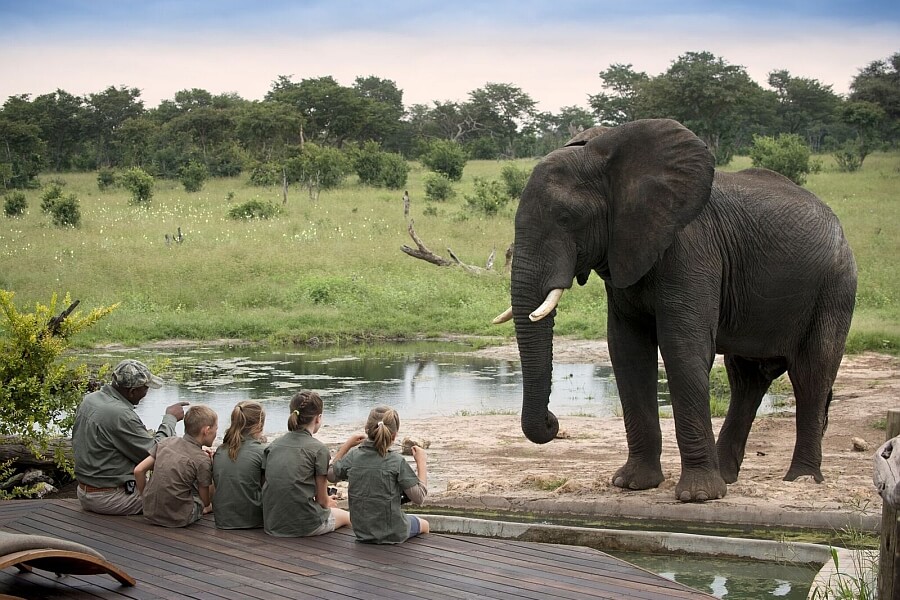
Blessed with a healthy climate and free from natural disasters, Botswana is safe for children and their families to travel around! In fact, it’s one of the safest travel destinations in Africa. Financially, politically and socially stable, it’s also a country largely unblighted by crime and corruption. Infrastructure – roads, medical facilities and banking – is generally good.
You’ll probably do most of your travelling around the country by air – flying from camp to camp – and you’ll be in good hands: the safari travel industry is extremely professional with an enviable safety record.
WHEN IS THE BEST TIME TO GO ON SAFARI WITH A FAMILY?
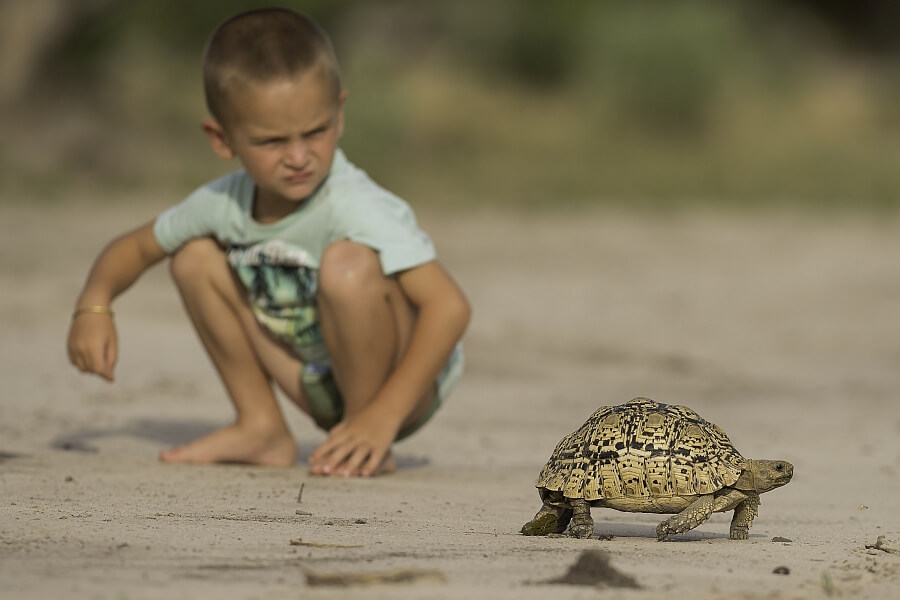
Go during Botswana’s dry season. It starts in May and ends in October and is generally the best time for game viewing. June, July and August offer the very driest and mildest conditions and although it can be very cold at this time of year – especially at night – it also means few – if any – insects and so the lowest risk of malaria, making it as safe as possible for children. September and October are very dry but also very hot – a better choice for families with older children.
Early summer – November and December – are fine for an older family but I’d recommend avoiding the wet and potentially malarial months of January through April.
HOW SAFE IS BOTSWANA’S SAFARI ACCOMMODATION?
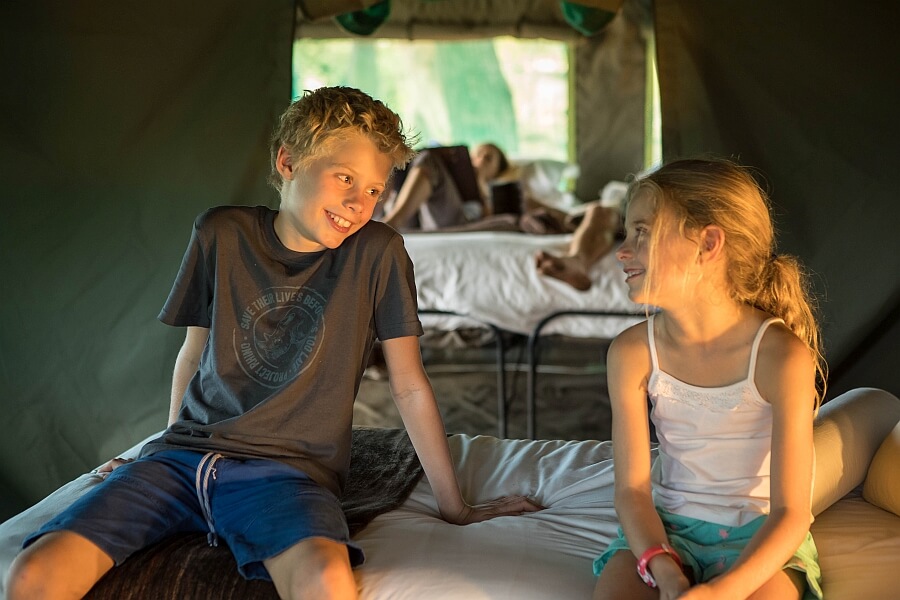
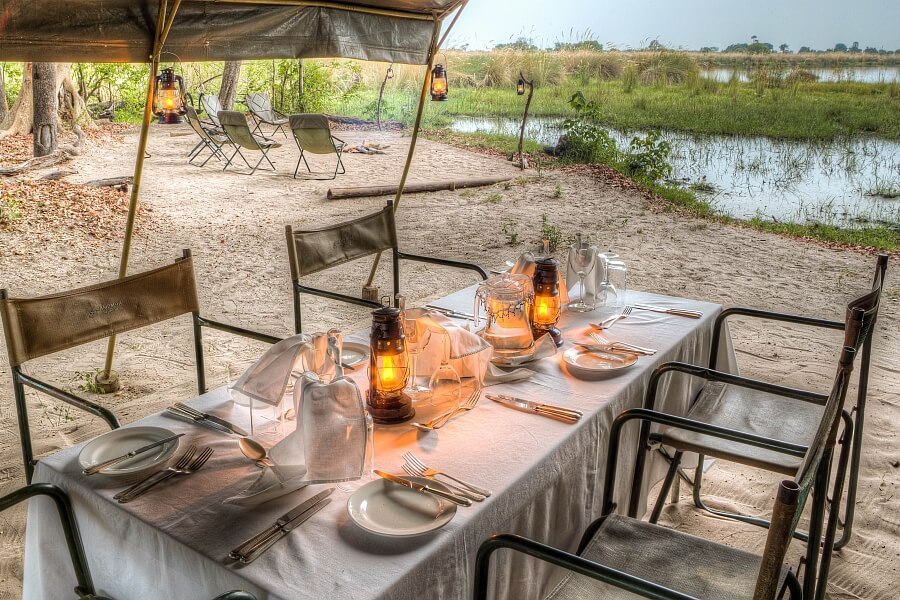
Lodges and tented camps set in Botswana’s safari destinations range from rustic to majestic but they all share a common professionalism and devotion to client safety – it’s in their best interests after all! Crime and theft are unheard of in Botswana lodges, staff are experienced and you’ll find high levels of cleanliness and hygiene throughout the camp. Your sleeping accommodation will be insect-proof and your bathroom has hot water and a flush toilet.
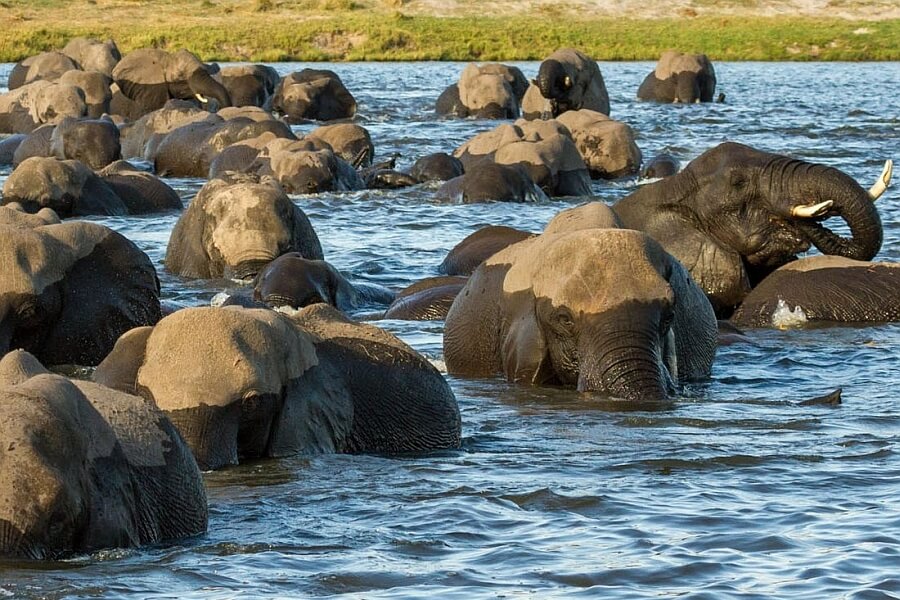
Some accommodations are fenced off from the wilderness but most are not and yet the management of wildlife around the lodge – whether a troop of monkeys or a passing elephant – is part of the lodge’s daily operations.
WHAT ABOUT MALARIA & OTHER DISEASES?
A dry and sunny country, Botswana has few diseases and no mandatory vaccinations are needed for entry. You’ll only need a yellow fever certificate for Botswana if coming from a country with a risk of transmission but you should consult a medical practitioner about tetanus and hepatitis before you go.
And although Botswana is generally safe for children, the issue of malaria needs a bit of planning around, especially if you have young children, and you must consult a doctor before your safari. Although very much a disease in decline in Botswana, it remains a seasonal danger with the highest risk between December and May; the most clinical cases are recorded in February. Botswana’s dry season is therefore the best time to take children – especially June through August when there are very few insects.
Your accommodation will be insect-proof thanks to meshed windows and a mosquito net covering the bed. All lodges supply insect repellent and higher-end accommodations have electric fans and even air-conditioning to ensure complete comfort.
WHAT ABOUT DANGEROUS ANIMALS?
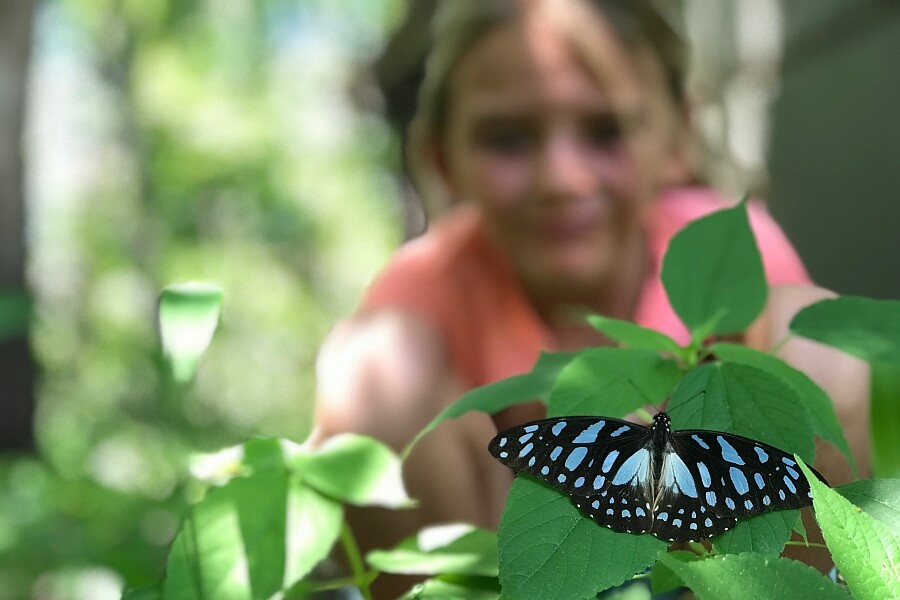
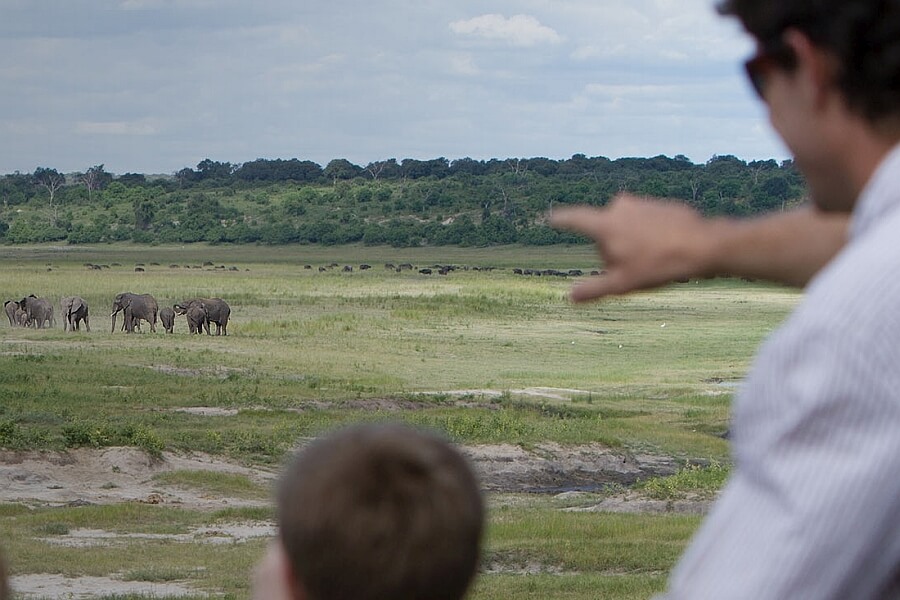
A Botswana safari will get you very close to big and potentially dangerous animals – big cats, elephants, hippo and buffalo – whether on a game drive, a boat trip, or even in camp if it is unfenced. And yet there are very few incidents of contact: much of Botswana’s wildlife is relatively used to vehicles and boats while the absence of commercial hunting means wild animals are not overly stressed or unusually aggressive.
Your guides and lodge hosts are very experienced in dealing with such animals and you’ll be given a full safety briefing on arrival at camp. And curiously, although your tent or open-sided 4X4 may seem flimsy to you, it is seen as large, solid and immovable by even the biggest of animals – you are safe in the vehicle or your accommodation.
IS THE WATER SAFE TO DRINK AT CAMP?
All lodges will have commercial bottled water available but you’ll also have local water too, drawn from an underground aquifer or water source and placed in your room in a flask. This water is filtered and treated before it gets to you, conforms to the Botswana Bureau of Standards and is perfectly safe to drink.
CAN CHILDREN UNDER SIX GO ON SAFARI?
Yes they can and there are several lodges that will take them, mostly in the Chobe River region (which combines conveniently with next-door Victoria Falls). You’ll need to have a private guide and vehicle for your game drives but that means you can create your own schedule. A few accommodations offer a child-minding service – ideal if you’d like to go on a walking safari or stay up a little after dinner – and all family-friendly lodges will have an age-appropriate activity programme.
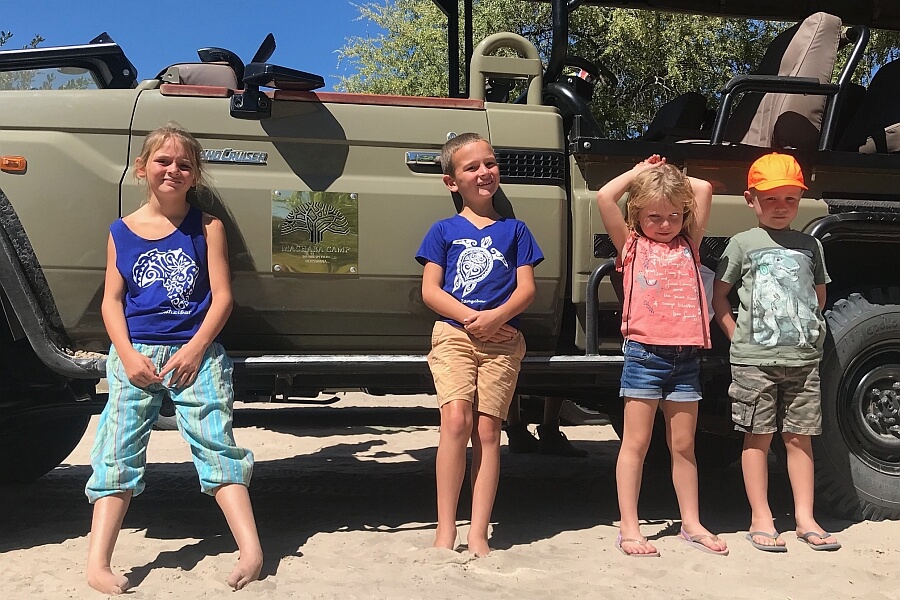
IS A BOTSWANA SAFARI STRENUOUS?
Only if you don’t like early mornings! A Botswana safari is largely vehicle-based (cars, planes, boats) and any walking as an activity is on flat ground for a maximum of a couple of hours. In between game viewing you’ll have plenty of time to relax and catch up on sleep – or laze by the pool – and there’s no heavy lifting of bags or long flights of stairs at the lodges. Flying between safari destinations rarely takes over an hour and you are usually met at each destination by cold drinks and warm smiles.
Further reading:
- Botswana Family Safaris – Main Page
- Travelling to Botswana with toddlers and babies
- Travelling to Botswana with children
- Travelling to Botswana with Teens
- Kids Activities In Botswana
- Botswana Malaria Risk For Children