
Zambia’s North Luangwa Park was once considered the poor cousin of the South Luangwa. Smaller, wilder and heavily poached, the North Luangwa languished in the shadow of its more famous southern neighbour, which earned itself a name for wildlife viewing and guided walking safaris. A generation ago, if you wanted a classic big game safari in southern Africa, you went to the South Luangwa National Park.
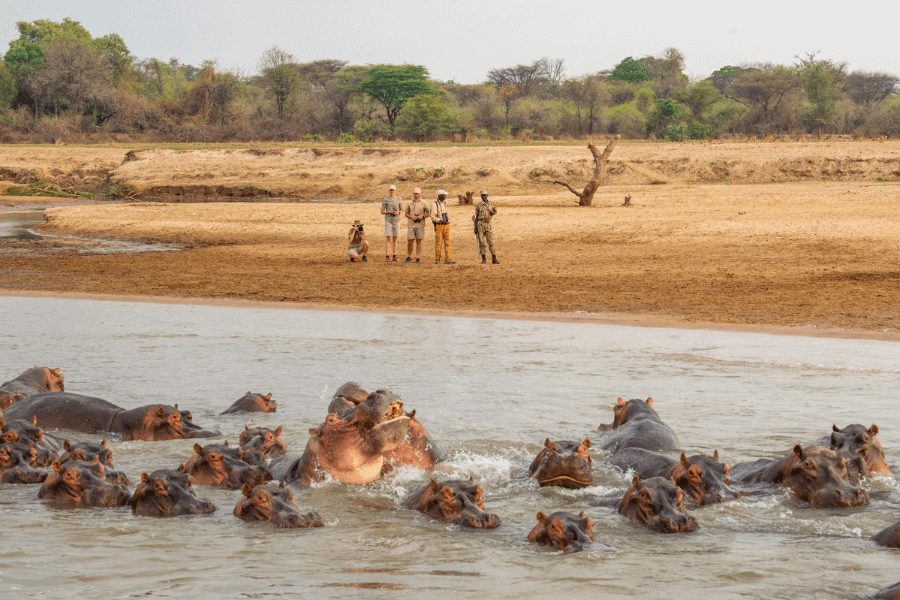
But, as in life, things turn around: a renewed commitment from Zambia’s wildlife authority plus partnerships with international conservationists means that the North Luangwa National Park has been able to turn its challenges into opportunities.
Poaching has largely been eliminated because of the economic benefits afforded by tourism: jobs, for example, or the ability to sell local craft to visitors. Consequently, animals are back in large numbers, and include the only black rhino population left in the country, protected by the very communities that were once engaged in their poaching.
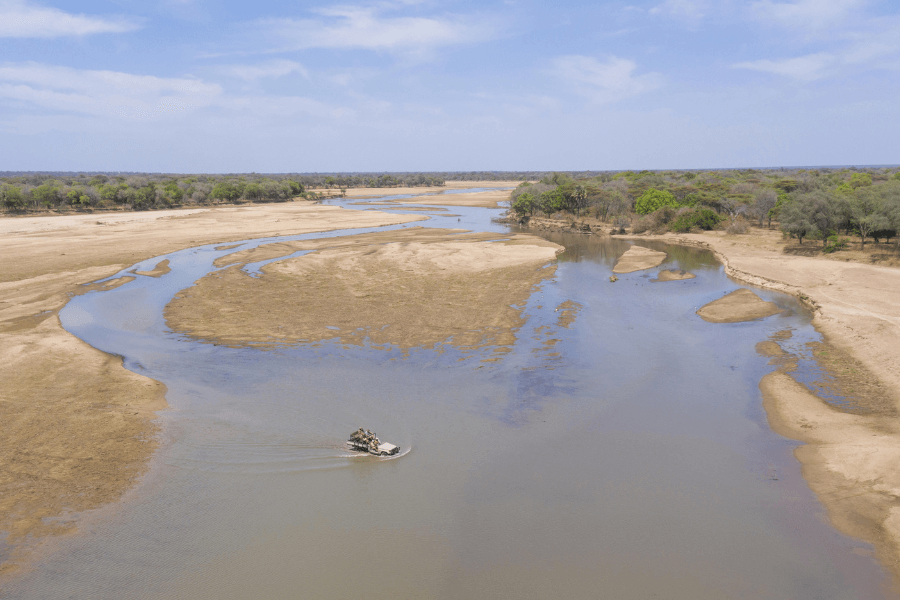
Equally advantageous to the modern visitor is North Luangwa’s previous lack of investment. The absence of roads and accommodation that once bedevilled a safari to the North means that there are far fewer visitors to this park compared to the (often large) numbers who go to the more developed South Luangwa. Of course, the North Luangwa now has several excellent safari lodges and a wider network of game-viewing roads but it still remains under the radar, ideal for safari travellers looking for more exclusive wildlife watching in the popular dry season.
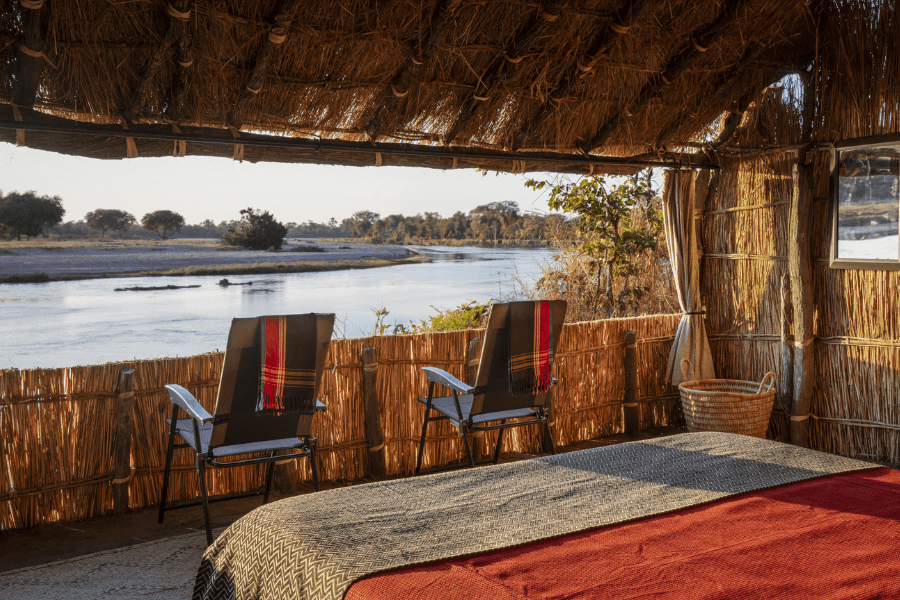
Like the South Luangwa, the North is best visited in Zambia’s dry season. June, July and August are dry and cool, September and October are dry and hot. And although you may be willing to take a chance on a Green Season safari (the wet months of December through April) in the South Luangwa National Park, it’s just a bit too wild in the North Luangwa and here the safari camps close down for the rainy season.
So far so good, but is the North Luangwa National Park really worth going to? Is it better than the South Luangwa? After all, the wildlife is almost the same in both and it’s the south has the reputation for the big numbers of animals.
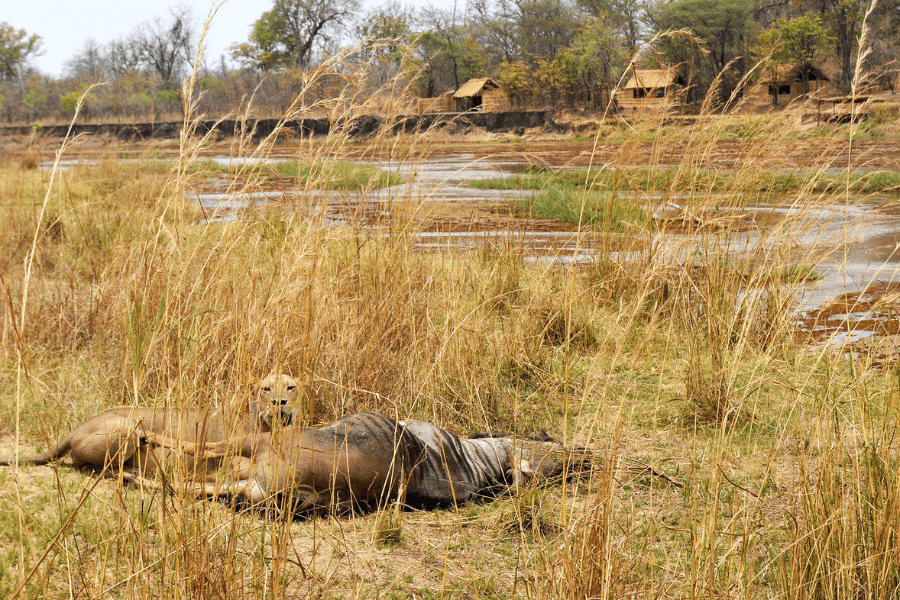
True, but there are several nuances to the North Luangwa. Besides its Big Five status, the north’s more varied terrain delivers a more diverse set of birds in a relatively compact environment; a mix of woodlands and floodplains mean a very large buffalo population, and that means lots of lions. If you are after rare animals, it’s not just the black rhino in the North Luangwa but also Cookson’s wildebeest (a Luangwa endemic) and Lichtenstein’s hartebeest.
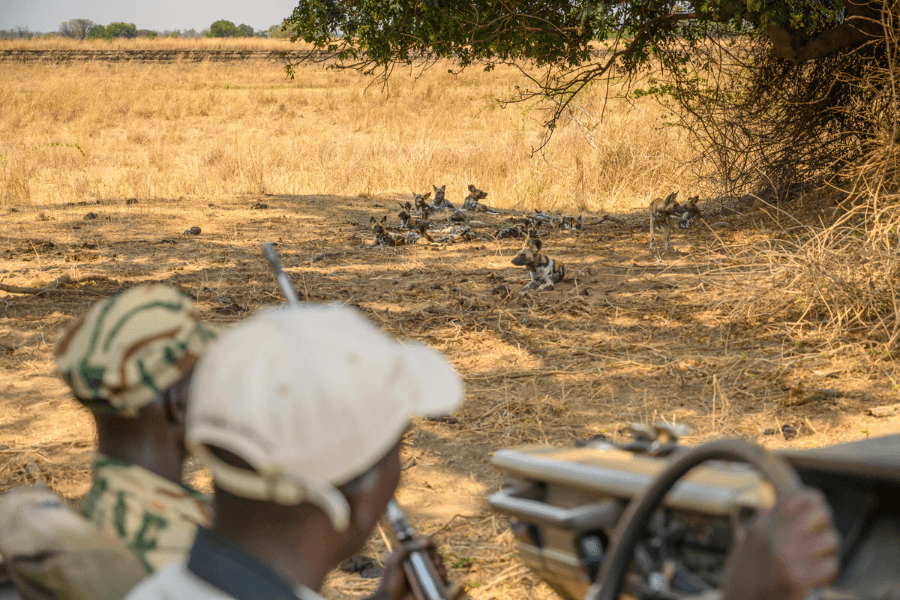
It may take you longer to reach your accommodation in the North Luangwa but your activities at lodges will be the same as in the South: game drives mixed with guided walks, plus night drives at some camps. The difference will be in the general lack of other vehicles during the safari drives, which is even more pronounced at the North Luangwa’s private concessions which offer exclusive safaris.
But perhaps the best thing about going to the North Luangwa is that you’ll be part of its recovery. No longer the poor cousin standing in the shadows of the South; the North Luangwa is back in the sun.