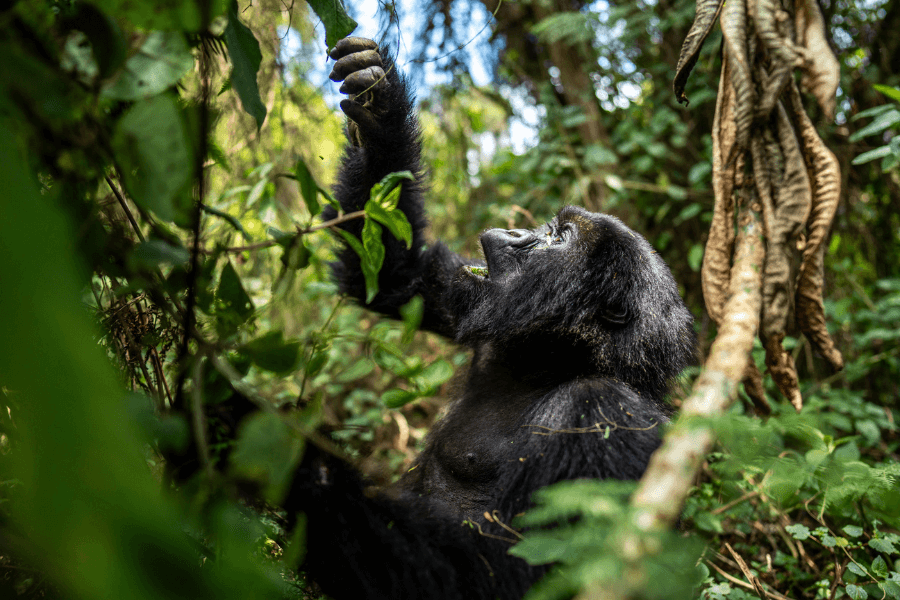
Rwanda is a travel destination usually associated with one thing: Gorilla Trekking. And for good reason: safe to visit and equipped with decent infrastructure, Rwanda is perhaps the easiest and quickest way to encounter Africa’s charismatic mountain gorillas.
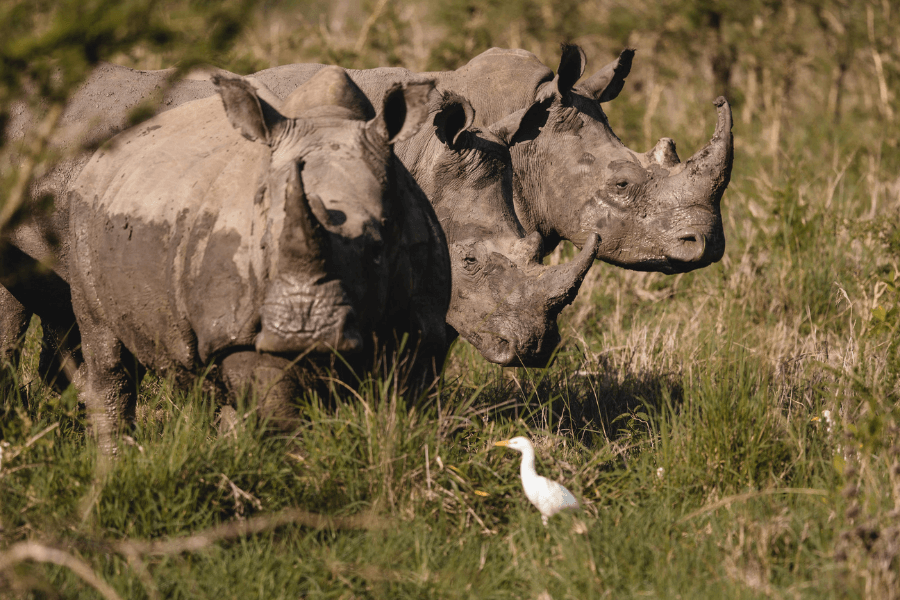
But there’s more to this country than gorillas. Akagera National Park might be a new name for many – and it’s not even the size of London – but this pint-sized park packs a punch: it’s the biggest protected wetland in Central Africa and is the only viable savannah reserve in Rwanda. Determined conservation efforts have reintroduced the Big Five to the park (lion, leopard, rhino, buffalo and elephant) and it has a bird list approaching that of the Kruger Park which is nearly 20 times bigger.
Admittedly, people are not going to travel to Rwanda just for Akagera National Park but as an add-on to a gorilla trek in Rwanda’s famous Volcanoes National Park, suddenly Akagera makes a whole load of sense. Here’s why:
THE TIMING IS PERFECT:
Like most savannah destinations, Akagera is best visited in the dry season, and needless to say, that’s when gorilla trekking in the Volcanoes Park is at its easiest and most comfortable. Rwanda has two dry seasons – the first from mid-December to early February, and the second from early June to late September – giving you two opportunities a year to combine these two destinations when they are at their best. If you are planning to add East Africa’s Great Wildebeest Migration to your safari, then choose the first dry season for the Serengeti but the second dry season for the Masai Mara.
IT’S EASY TO DO:
Rwanda is on the small side as a country but that also means travelling around is relatively quick and you only need a few days to pack it all in. The road transfer between the dripping forests of the Volcanoes National Park and the straw-coloured savannah of Akagera is not much more than half a day, and there’s the opportunity to complete Rwanda’s Big Three wildlife destinations by adding the Nyungwe National Park to your itinerary; now you have Rwanda’s biggest forest reserve, home to 13 different primate species including chimpanzees as well as rainforest birds and butterflies.
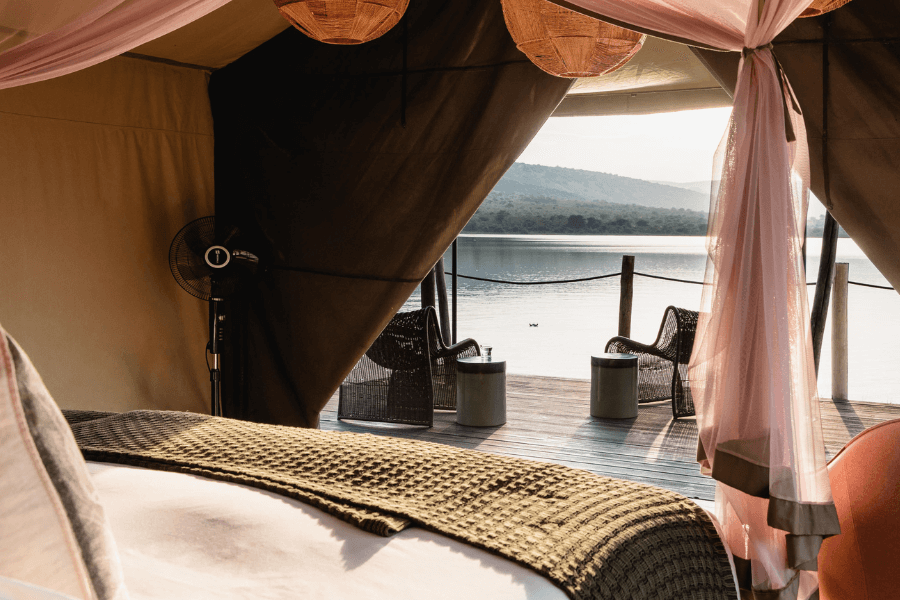
It’s also a safe country to visit; indeed, the capital city Kigali prides itself on the safety it assures residents and visitors, and you’ll find Rwanda safari accommodation and the standard of guiding as good as you’ll find anywhere else in Africa’s big wildlife destinations.
IT’S MULTI-EXPERIENCE:
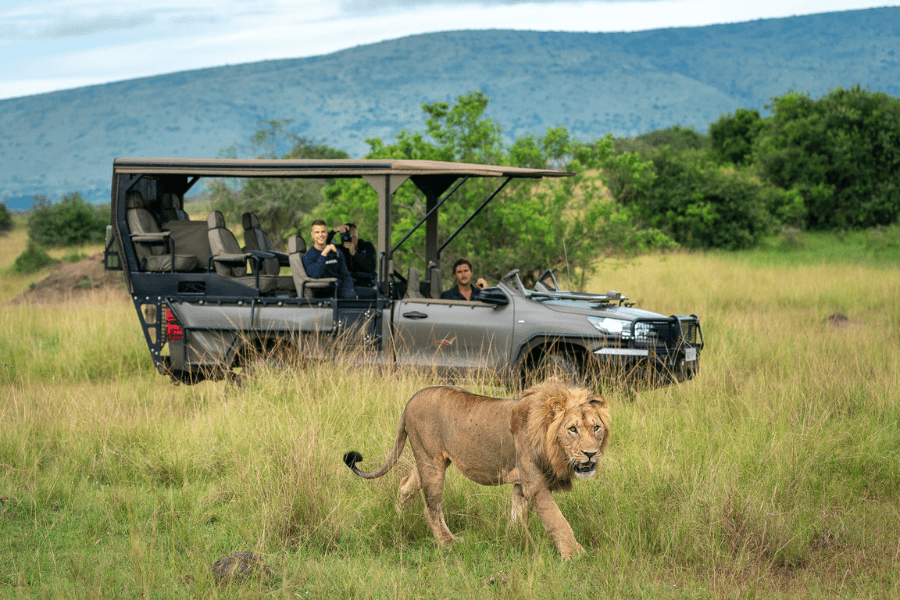
Akagera National Park is predominately a savannah reserve, and that means sitting back in a 4X4 vehicle for morning and game drives. But guided night drives are also available in the park – the best way to see Africa’s smaller but perhaps more intriguing animals: porcupines, owls, hyenas and bush babies. And if you’d like to see a few of Akagera’s butterfly species (the park has triple the number of species found in the British Isles), or perhaps tick off a few birds and learn about local plants, then walks with local guides are also offered.
But you’ll remember that Akagera National Park is also a wetland reserve. Boating activities take place on its lakes and backwaters where you’ll be on the lookout for hippo, crocodile and even one of the birding world’s biggest attractions: the legendary Shoebill Stork.
THERE’S A BIGGER PICTURE:
Despite its small size, Akagera National Park is over 90% self-financing, thanks to its paying visitors both overseas and local. In fact, nearly half the visitors to the park are local, and Rwandans make up 80% of employment at lodges and safari camps. You could say it is something of a conservation and community success story, thanks to the intertwining of the two. Akagera spends 10% of its income on community development including schools, healthcare facilities and economic cooperatives. And as you know, community buy-in is the oxygen that conservation needs to survive and thrive.
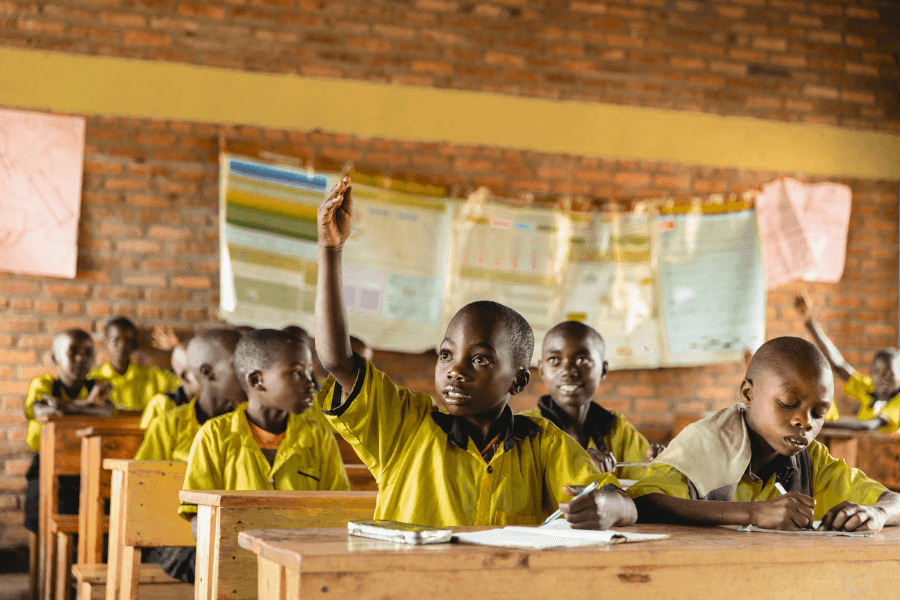
You can see it for yourself on local community tours, whether to village cooperatives, the local fish farm, a primary school or the banana beer maker – income from these tours goes straight into the local landscape, further establishing the relationship between wildlife tourism and the community.
Akagera National Park is Rwanda’s biggest little secret – go and see it before everyone else finds out.