
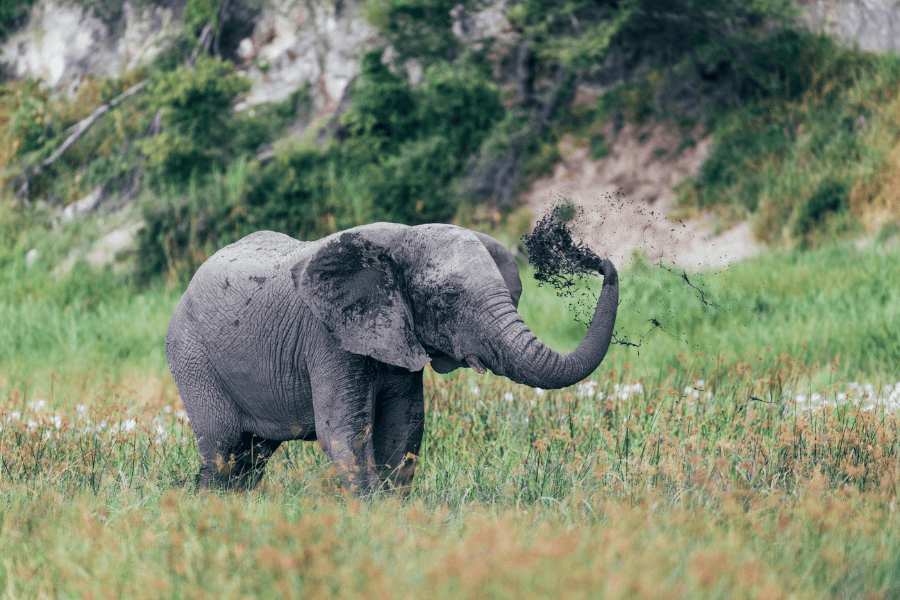
The first thing to note about Southern African desert safaris is that they are probably not what you might have in your mind’s eye. If you are thinking sand dunes and palm trees, then you can replace them with sweeping grasslands and woodland landscapes. You can fill them with wildlife too – the real stuff: lions, buffalo, elephant, cheetah and antelope. There are even animal migrations into deserts in Southern Africa.
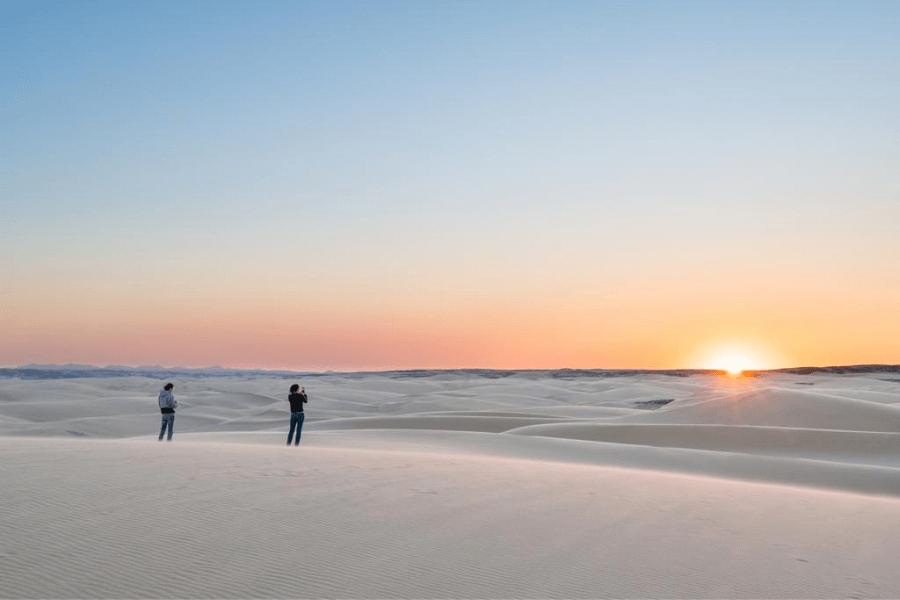
Oh, you wanted rolling oceans of sand? Well, Southern Africa has that as well. In fact, you’ll find the world’s biggest sand dunes here, in nothing less than the oldest desert in the world. And there’s more to these Southern Africa deserts than panoramic views and thriving wildlife: these are deserts with a deep human history as evidenced by the prehistoric rock art we have left behind as well as the ghostly shipwrecks that lie on desert coastlines.
Lions? Rock paintings? Shipwrecks? Time to start asking some questions.
Where are Southern African deserts?
Southern African desert safaris span much of the region, taking in Namibia and Botswana as well as northern South Africa. Though to be honest, if we are defining deserts by rainfall (or lack of it!) then there is only one true desert in Southern Africa – the Namib in Namibia. The other places referred to here are ‘semi-arid’ rather than ‘desert’, but these semi-arid destinations (the Kalahari for example) are so different from the usual savannah safaris that they deserve a separate category – desert safaris.
How are desert safaris different?
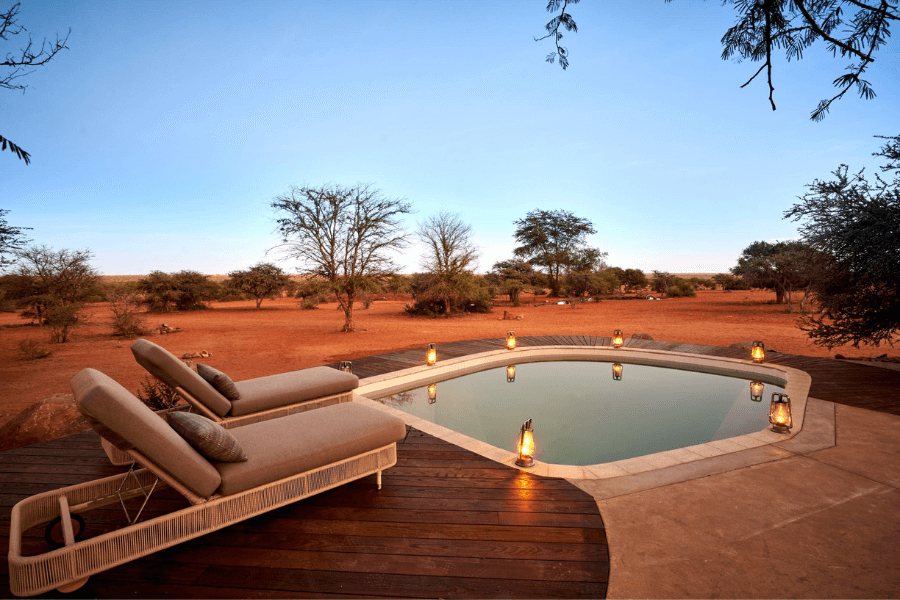
They are different in the sense of your safari experience, if compared to a safari in – say – the Kruger Park or the Okavango Delta. You’ll still enjoy game drives and walks with guides on a desert safari but in a landscape that is more open, with the elements more pronounced. Accommodation at desert lodges often encourages an outdoor aspect with the use of star beds and offering under-the stars sleep outs away from camp.
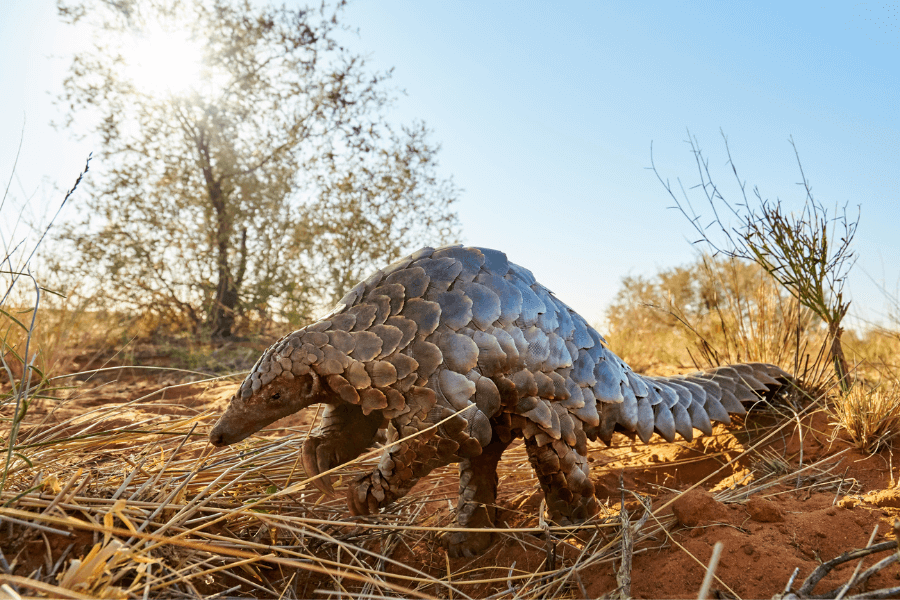
Animals are more widely dispersed than they are in savannahs but are often heavily concentrated at water. There may be new animals to see too – the rapier-horned Gemsbok antelope or desert-adapted elephants for example, and desert safaris usually offer night drives in search of the smaller, more interesting creatures: meerkats, aardvark, pangolin and honey badgers.
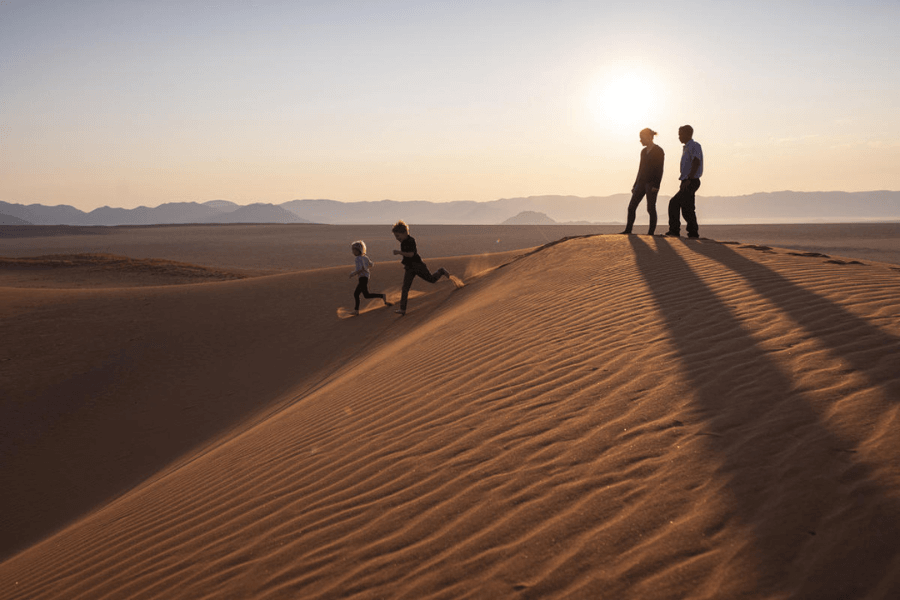
Desert safaris are also ideal for photographers: the landscapes are primal ones – rock, sand, ocean – and the early morning light can be magic, as seen at the giant Sossusvlei dunes which change colour at sunrise. The desert night skies are spectacular and can be photographed – see here for more details – and if you travel during
the desert’s Green Season, it’ll be images of new-born animals (and their predators), colourful migrant birds and massed herds of zebra at river banks.
So where exactly do I go?
Let’s break Southern African deserts down into easy travel areas and look at where to go and – just as importantly – when to go.
NAMIBIA – DESERT DUNES & WILDLIFE WATERHOLES
Much of Namibia is desert or semi-arid but desert can be split into three main areas, all of which have a wide range of accommodation and are usually combined on an itinerary.
The most famous of the desert areas is the Namib Desert in southern Namibia: it’s home to the largest dunes in the world at Sossusvlei and the classic Namib imagery of Dead Vlei. There are plenty of lodges and safari camps available.
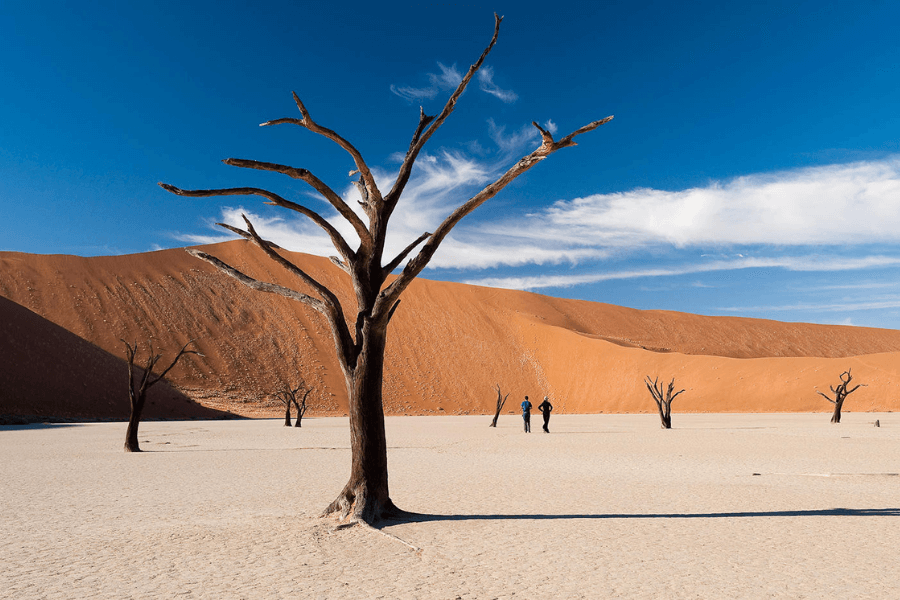
Then the Namib reaches the cold Atlantic Ocean and becomes the Skeleton Coast, a wild and lonely coastline punctuated by seal colonies and rusting shipwrecks that leads to the wildest Southern Africa desert of them all – the Kaokoveld, home to only a handful of remote, fly-in lodges.
Then there’s a desert area of stunning natural beauty set in the centre of the country – Damaraland – where guides will lead you in search of black rhino, elephant and lion, which is the same sort of wildlife you’ll be looking at in Etosha National Park in the far north of Namibia. Etosha may seem like a savannah safari from a distance but this is a fascinating semi-arid destination that mixes familiar savannah animals like giraffe and zebra with desert creatures like gemsbok and springbok.
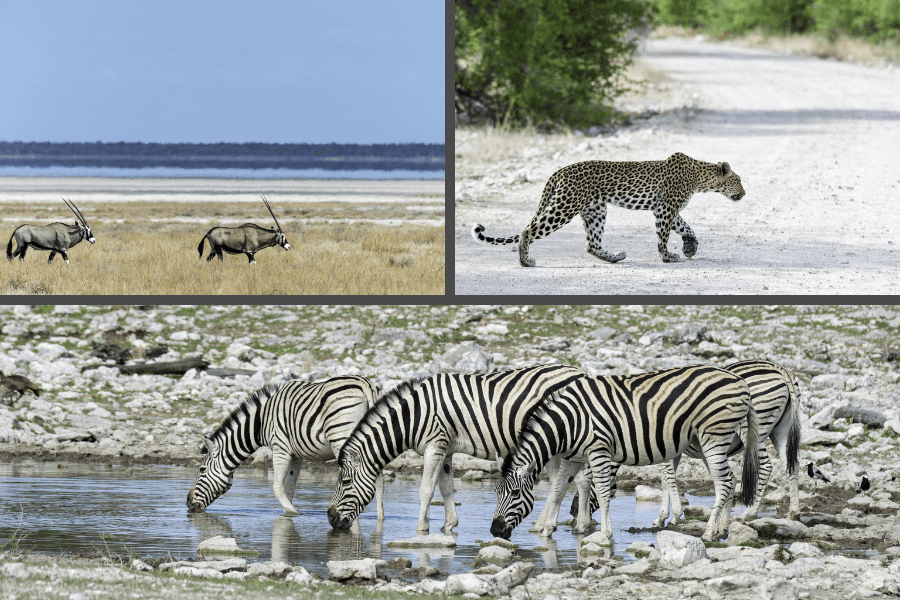
Go to Namibia’s deserts in the long dry season – June to October – to avoid rain and see the best wildlife but this is also the most popular – and expensive – time to visit. Many travellers prefer the quieter summer months – December through May – for greener landscapes, more availability and competitive prices.
BOTSWANA – THE KALAHARI: KING OF DESERTS
The Kalahari Desert covers much of Southern Africa but it is in Botswana that it finds its greatest expression. For most of the year it is a dry, brown landscape with the hardiest of residents but thanks to summer rains, the Kalahari is transformed every year into a green grassland riven with small rivers and waterholes.
The wildlife viewing is always good in the Kalahari but in the wet summer months it becomes amazing. Attracted by new greenery, big herds of elephant and buffalo move into the region, following the hoof prints of thousands of zebra, marking one of Africa’s biggest – and mostly unheard of – animal migrations.
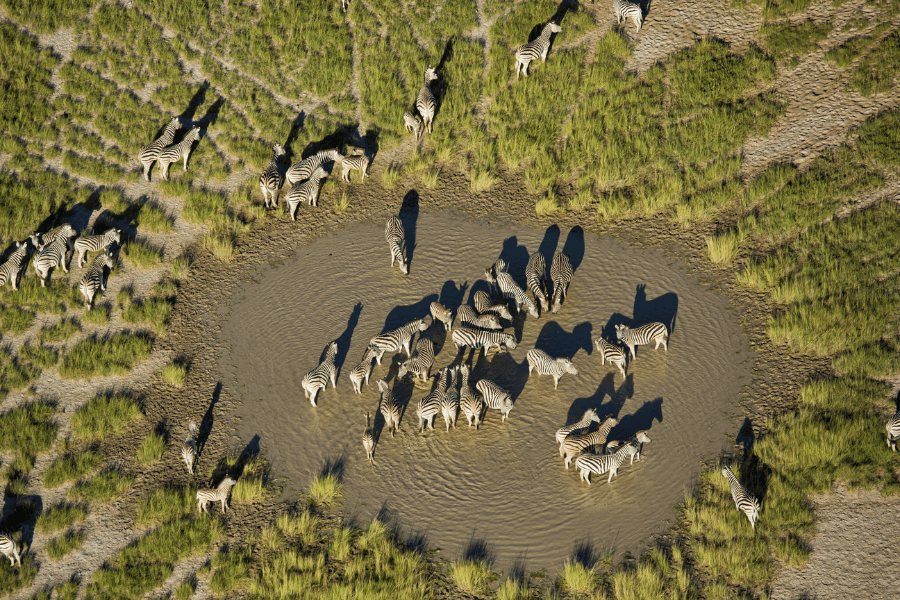
The two biggest and best Kalahari destinations in Botswana are the Makgadikgadi Pans and Central Kalahari Game Reserve. Both have an extensive range of lodges on offer – some great for honeymooners, other for families – and the emphasis is on a wildlife experience with game drives and bush walks with an insight into ancient human cultures.
Best combined with Botswana’s classic savannah destinations such as Chobe Park and the Okavango Delta, the Kalahari is most comfortable to visit between May and September in terms of dry and cooler weather but wildlife photographers rarely regret a Green Season safari to the Kalahari – the summer rains from December to April often mean many more animals and a lot of predator/prey interaction.
SOUTH AFRICA – THE RED DESERT
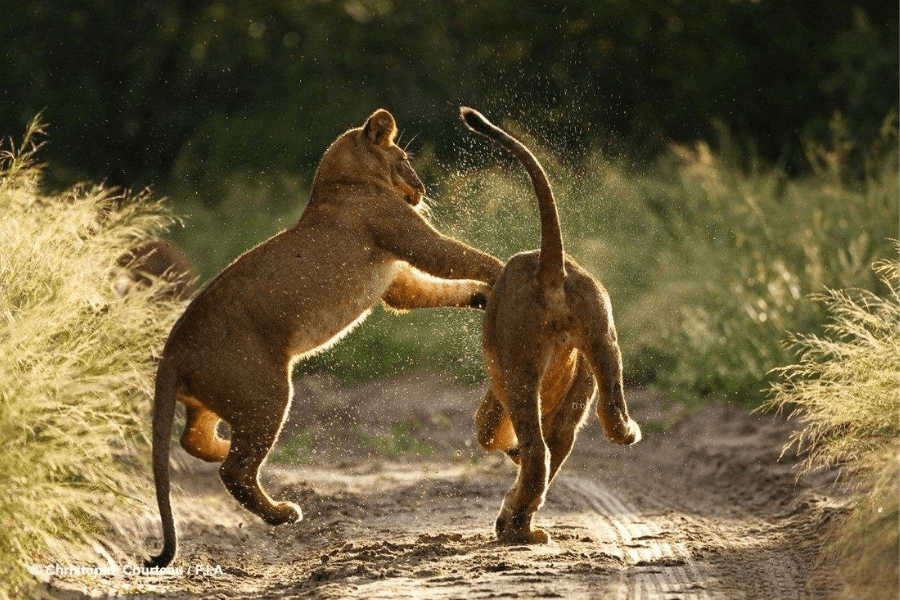
South Africa’s dry areas extend from the top of the country (the Kalahari) to almost the bottom (the Karoo) but a South African desert safari is best experienced in the red sand of Tswalu, the largest private wildlife reserve in the country.
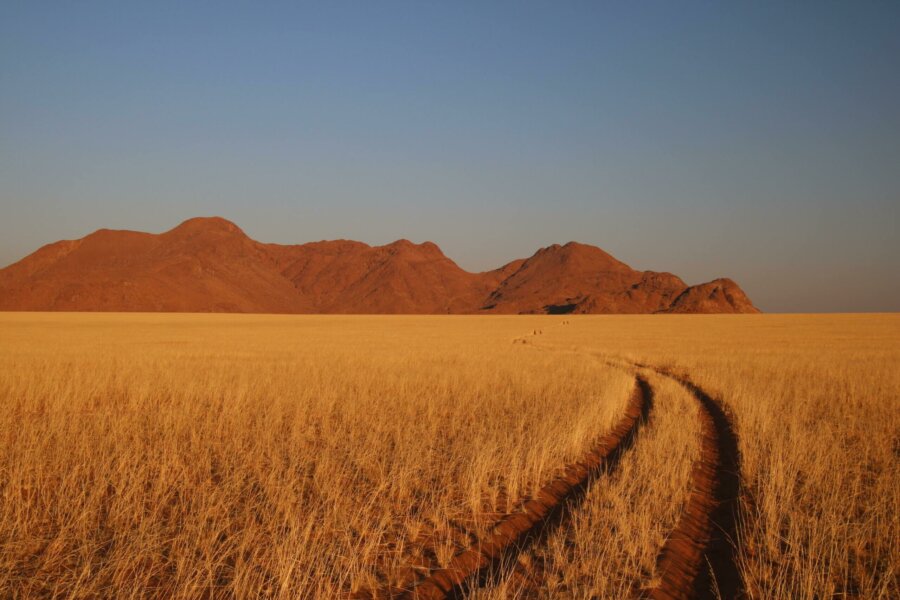
Set 650 kilometres (400 miles) east of Johannesburg, this is a very accessible destination but don’t think that its relative proximity to South Africa’s biggest city means Tswalu has lost its wild edge. This is a reserve that is home to Kalahari black-maned lion and buffalo as well as desert specialists such as brown hyena, black rhino and cheetah. It’s also one of the best places in Africa to see shy, rare and nocturnal creatures like the pangolin, aardwolf, aardvark and the bat-eared fox.
The best time to go again depends on what you want: the mildest and driest weather is between May and September but the hotter, wetter months of October through April deliver a greener side to Tswalu plus excellent birding and all the drama of the antelope calving season.