
When this writer first landed at Maputo Airport in 1993, there was still artillery next to the runway. Emerging from civil war, Mozambique was battered and bruised, and the only apparent business going on in Maputo was young men selling rat poison and matches. Beach accommodation was either grass huts or faded old Pensão.
My goodness, how things have changed! Maputo now heaves with economic life and the country’s natural assets – island archipelagos, national parks, pristine beaches – have been revived through investment and the return of tourism. And nowhere is that more obvious than in southern Mozambique.
Think of southern Mozambique as the region that includes the capital Maputo and the area south of it, extending to the border with South Africa. Inhaca Island, once the playground of wealthy Maputo, is part of the region (and has accommodation) but the beauty of Mozambique’s rejuvenation is that new areas have been developed for visitors. In central Mozambique, that means Vilanculos; in southern Mozambique it is the Machangulo Peninsula.
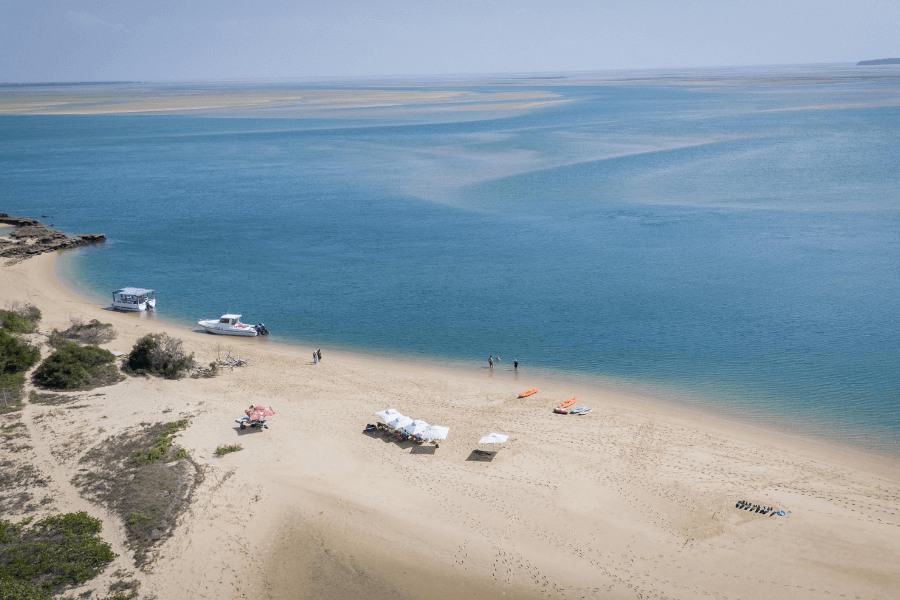
Facing the Indian Ocean, the Machangulo Peninsula throws a protective arm around Maputo Bay, and at its tip lies Inhaca Island. A sweep of vegetated dunes and forest pockets, the peninsula is home to the Maputo National Park – formerly an elephant reserve – and some of the grandest beaches in the country. The park boasts an impressive list of animals but it is not well developed for wildlife viewing by vehicle, and anyway, most people who travel here have already been on safari. What it does have – which Botswana does not – is access to the ocean world, and that’s where the Machangulo Peninsula delivers.
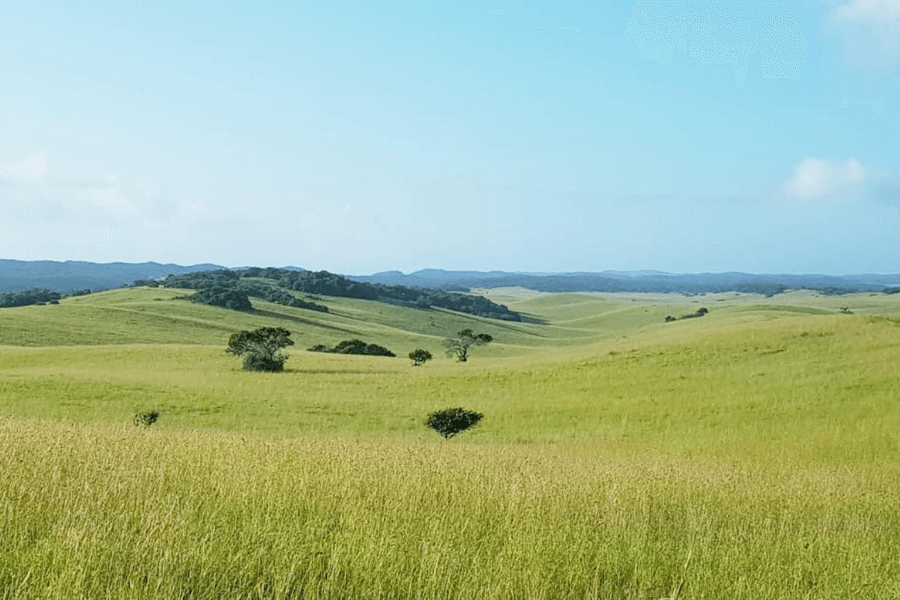
A handful of beachside lodges are tucked away on the peninsula, some of them built into the dunes. Gone are the mosquito-filled grass huts of the 1990s: these are carefully designed lodges, boutique guesthouses and private family villas complete with wine lists, spa treatments and plunge pools. But getting to them hasn’t changed: you’ll fly in from South Africa, be met on arrival at Maputo Airport and escorted to a speedboat for an hour transfer across Maputo Bay to the peninsula. There’s no jetty, so you’ll have to roll your trousers up and arrive with your feet in the water — just like the old days.
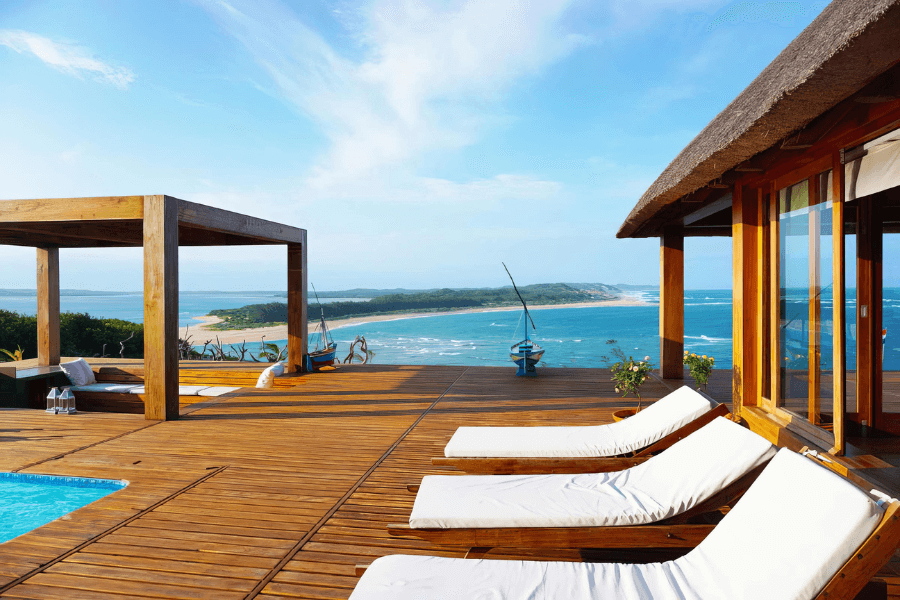
For a classic beach holiday, the Machangulo Peninsula is hard to beat. The beaches are pristine, uncrowded and safe. You can kayak across to Inhaca Island for a snorkelling trip and beach barbeque, or join a guided tour of Inhaca Island on a cultural visit. And while it’s true that there is better scuba diving in Mozambique’s Bazaruto Archipelago, this is an area famous for its whale sightings as well as its heavyweight marine stars – whale sharks and giant manta rays.
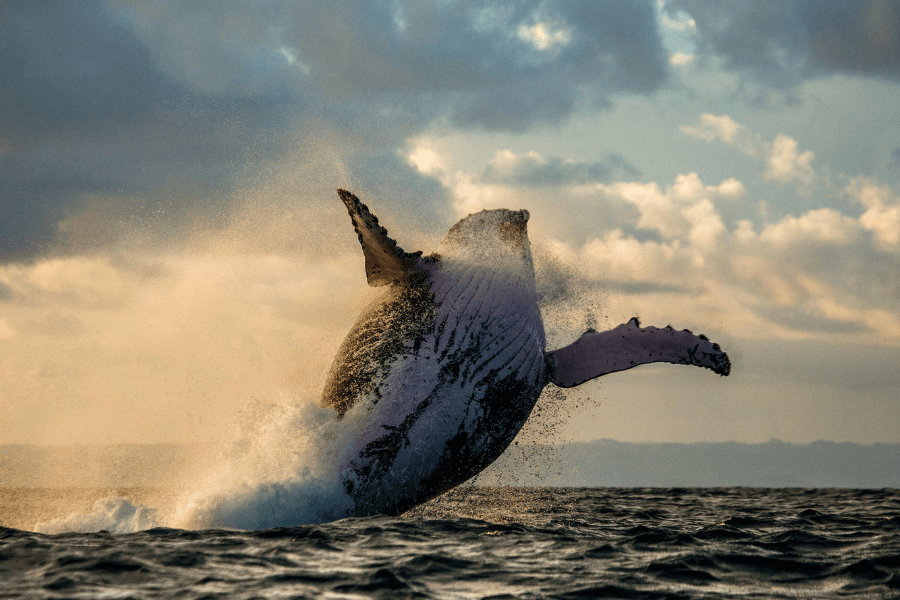
You’ll need to be in season for the whale watching: that’s from June to October, and that also coincides with the best time to visit southern Mozambique. It’s the dry season, and the time of year with the lowest malaria risk. The first half of the dry season sees mild to warm temperatures but the heat is marked in September and October, though tempered by ocean breezes.
Once the rains arrive in November and December, the climate turns more uncomfortable – hot and humid – with the chance of heavy rain or a cyclone; our advice? Don’t risk it – go during the dry season for the best combination of wildlife viewing on safari and for southern Mozambique at its sunniest.