Learn how to travel smart to Africa in March – there’s rain coming but there is still time for classic African safari experiences. Find out March travel recommendations from the Africa travel experts at Safari Online.
March in Africa and there’s a change of season in the air. The rains are starting across much of East Africa, heralding the arrival of the wetter weather for the next couple of months. The rain makes experiences like gorilla trekking challenging but it is good news for the Serengeti’s migrating wildebeest. They are at the end of their birthing season and are gathering in large family herds for the next leg of the migration – even better news for the Serengeti’s predators.
In Southern Africa’s safari destinations the rainy season is beginning to come to an end (especially later in the month) and some destinations are at their peak in March: Victoria Falls is in thundering full flow, Botswana’s Kalahari is hosting a zebra migration while down in Cape Town it is still beach weather – warm and dry – making March is a great time to explore the Cape and Garden Route without holiday crowds and high-season prices.
So a safari to Africa in March carries with it the possibility of rain but this can be turned to your advantage. There will be far fewer other visitors than at other times of year and you’ll enjoy reduced accommodation rates or ‘Pay Stay’ deals where you are given extra free nights at lodges; some of the best deals are packaged itineraries with an established safari operator or hotel group – ask us for the current top deals.
The strong winds & heat of high summer are coming to an end – March has great weather & it’s a good time to be outdoors in the Cape.
Good time for Cape Town, Garden Route & its Safari destinations – gradually milder & drier weather in most destinations.
Carry along the Garden Route & into the malaria-free Eastern Cape for Big 5 game reserves & excellent safari accommodation – perfect for families.
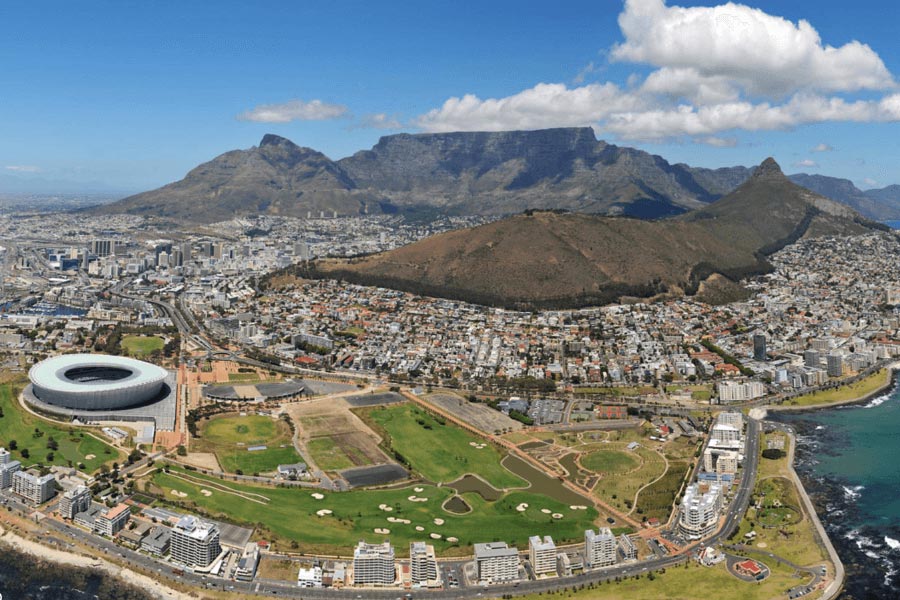
It’s March in Cape Town and the city is basking in the late summer sun; there’s less wind than mid-summer (December to February) and the holiday crowds have long gone, all of which makes this a good time to explore.
There’s plenty to see and do in the Cape Town area – Table Mountain, the Simons Town penguins and Cape Point – as well as vineyards and beaches but why not hire a car and find out for yourself? The Cape has excellent roads and easy driving; you can self-drive out to the Cape Winelands – there’s accommodation and activities available for every kind of traveller – and then simply continue along the Cape coast and onto the Garden Route, a popular stretch of scenic coastline with lovely beaches and a warm holiday feel.
Other Great months for Cape Town & Garden Route: December through February for the hot & dry summer; April & May for milder weather; August through October for flowers & whale watching on the Whale Coast.
A local guide is recommended for the best off-the-beaten-path experiences; The Fynbos Guy offers nature walks, mountain hikes & birdwatching tours in & around Cape Town.
The summer rains are easing and the landscape is looking lush and green; there won’t be many other visitors but there’s always good game viewing here.
Warm to hot with the chance of rain. Safaris is summer have lush landscapes, off-the-scale bird watching and lots of new-born animals.
Take advantage of Green Season rates and fly to Botswana’s Chobe National Park and Okavango Delta for a classic big game safari.
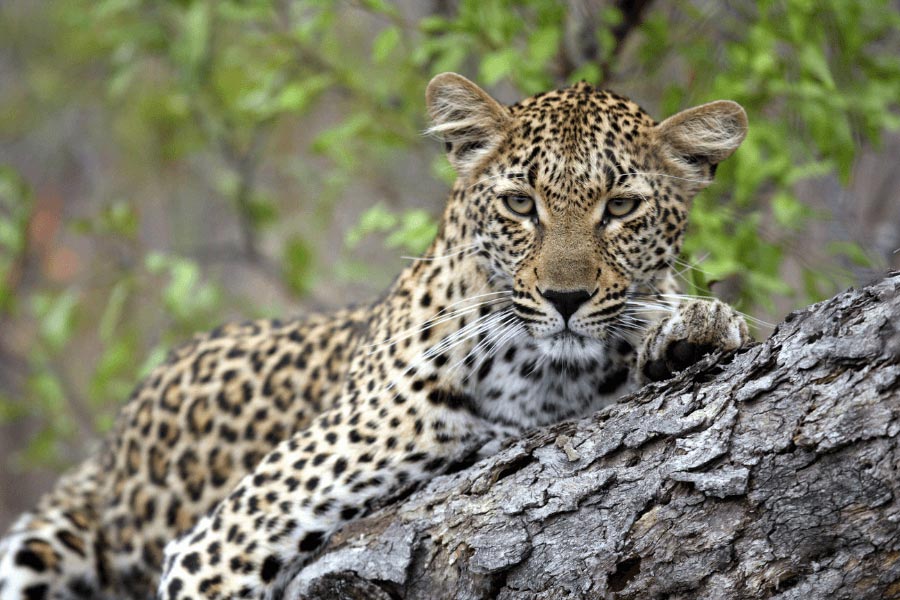
Travel to the Kruger Park in March for a Big 5 safari but without the holiday crowds and peak season prices. It’s true you may get rain – usually in the form of a big afternoon downpour – but game viewing is consistently good in the Kruger and even more so in the Sabi Sands Reserves that lie on Kruger’s western border.
These private reserves deliver some of the best Big 5 game viewing in Africa with accommodation that ranges from palatial villas to child-friendly safari camps. And since they are privately-managed, the Sabi Sands Reserves are able to offer activities not generally available in the Kruger Park such as spot-lit night drives, bush walks and off-road driving for exceptional sightings.
Other Great months for Kruger Park & Sabi Sands: June through October for the dry season; November through January for the Green Season.
Keen for that Botswana add-on? Muchenje Safari Lodge in the Chobe Park turns 25 in 2022 & they have a special discounted rate to celebrate their birthday, valid when booking three nights or more.
The Zambezi River is in full flow and a thunderous cloud of mist towers over the landscape: Victoria Falls is at its most impressive.
The temperature is warm to hot and this is the late rainy season, when the malaria risk is highest and rain the heaviest. Not the best time for safaris.
Botswana’s Chobe River lies just a couple of hours drive away, giving you the chance to experience this legendary wildlife destination at reduced rates.
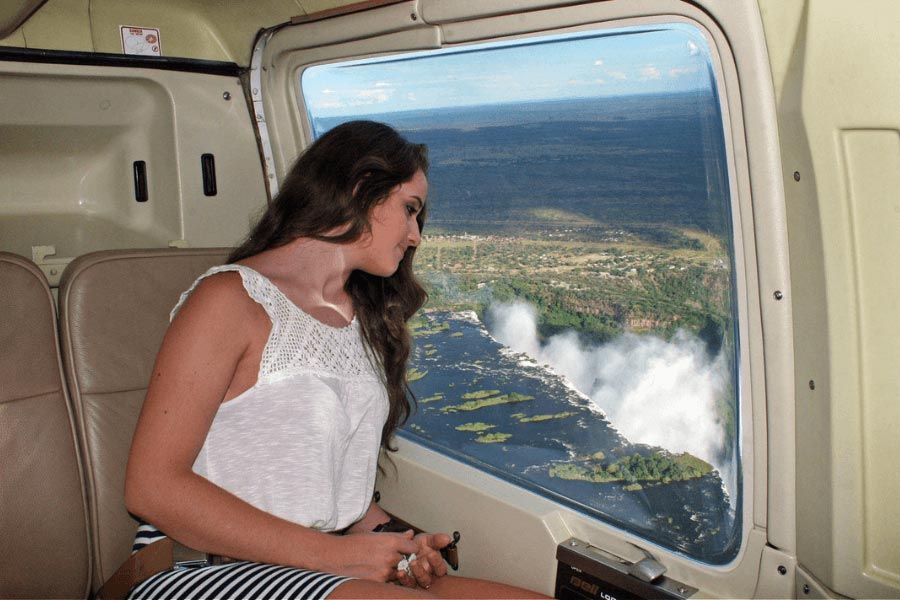
The Zambezi River is full to the brim in March and a mile wide by the time it reaches Victoria Falls; the result is a spectacular explosion of sound as the water roars over the edge and into the abyss below. The tower of spray thrown up by the plunging river dominates the local landscape and gives Victoria Falls its local name: the Smoke that Thunders.
It’s best seen from the air in March (helicopter or fixed-wing) as the on-foot viewing sites tend to be very wet. Victoria Falls can be visited from either Zimbabwe or Zambia: each has a similar range of accommodation and activities on offer – river cruises, game drives, fishing and birding – and the overall experience will be much the same in either country in March. Border crossings between the two are generally easy to do if necessary.
Other Great months for Victoria Falls: April & May for the most water going over; June through October for the dry season & the best time for white-water rafting, Devil’s Pool & wildlife viewing.
It’s the Green Season & there are ‘Pay 2 Nights, Stay 3’ specials available – ask us about the current best deals
Witness the Kalahari’s best-kept secret – the annual zebra migration – in a destination famous for its stark beauty & big predators; it’s great for photography.
Mild nights, warm to hot during the day with the chance of rain. The light is better for photography than in the cloudless glare of winter.
Fly to the Okavango Delta for a complete contrast to the Kalahari and to the Khwai River area of the Moremi Reserve: highly diverse & predator-rich.
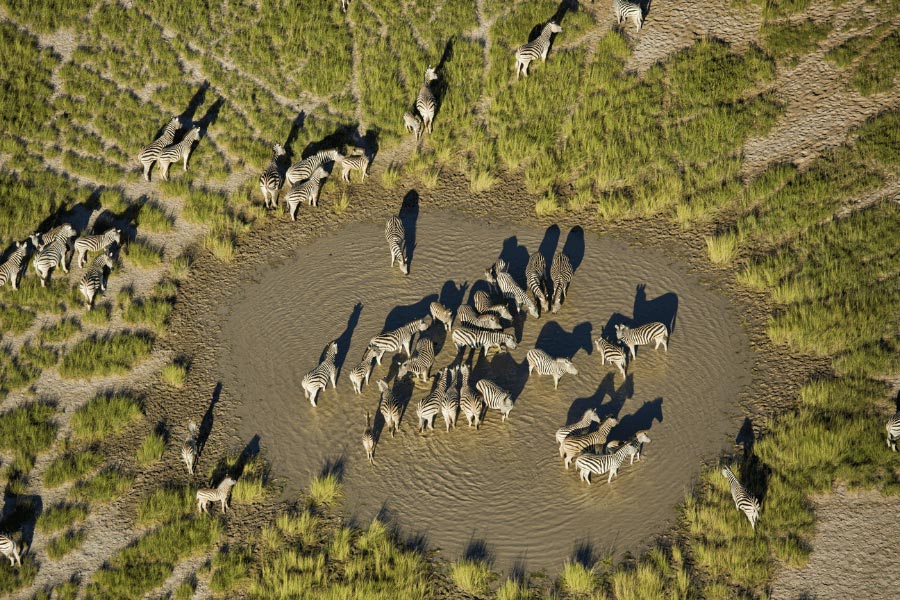
First-time visitors to the Kalahari usually rub their eyes in disbelief in March. Forget the image of sand dunes and dead trees: Botswana’s late summer Kalahari is a landscape of lush grasslands and water-filled pans – and it’s packed with wildlife. There are desert-adapted animals such as springbok and the rapier-horned gemsbok as well as savannah species plus all the predators: big cats, wild dogs and hyenas. There’s great bird watching – especially for big birds of prey – and in March, the Kalahari plays host to migrating herds of zebra and you may even see elephants and buffalo in places like Nxai Pan and the Makgadikgadi, adding yet more diversity to the experience.
There’s a good range of accommodation available and a variety of safari activities on offer, including day and night game drives, cultural interactions with San Bushmen and a ‘Meet the Meerkats’ experience.
Other Great months for Kalahari: December & January (Green Season); June through October for the cooler dry season.
You’ll enjoy Green Season rates at many of the very best safari lodges as well as ‘Pay 7 Nights, Stay 8’ deals – ask us for more information.
Lies close to Victoria Falls. It’s the Green Season and you’ll have discounted accommodation rates plus far fewer other tourists than in peak season.
March tends to be less wet than January or February. Malaria risk is at its highest. Good time for Savuti zebra migration and for birding at Chobe River.
Travel to the Kalahari & explore the magical Makgadikgadi Pans or the Khwai River area of the Moremi Game Reserve, a stronghold of the African wild dog.
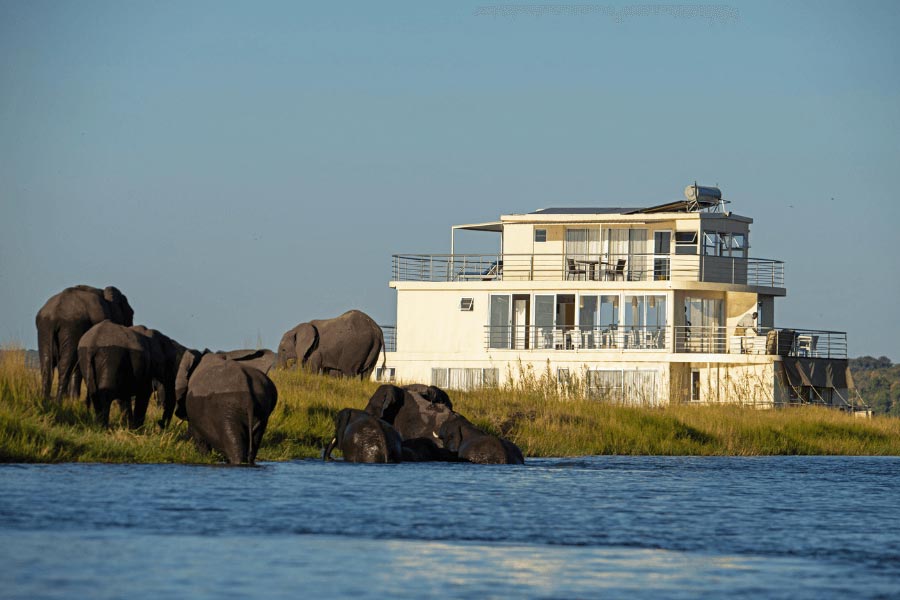
The Chobe National Park has earned much of its fame from the massive concentrations of elephants on the Chobe River in the dry season. And while it’s true that you won’t see such large numbers in March, this is Botswana, home to around a third of Africa’s elephant population and if there’s one thing you see at the Chobe River, it’s the big animals: elephants, hippos, crocodiles, giraffe and lions. There is rain in March but the landscape is green and fertile; there are many young antelope (good for predators) and the bird watching is amazing.
Make sure you include the Chobe Park’s predator-rich Savuti region on your itinerary: there’s always interesting and often dramatic wildlife viewing there, especially in March when a zebra migration is making its way through the area.
Other Great months for Chobe River & Savuti: December & early January for the Green Season, June through October for the more popular dry season.
To make up for the chance of rain, there are plenty of ‘Pay 2 Nights, Stay 3’ deals available at this time – ask us about the current specials.
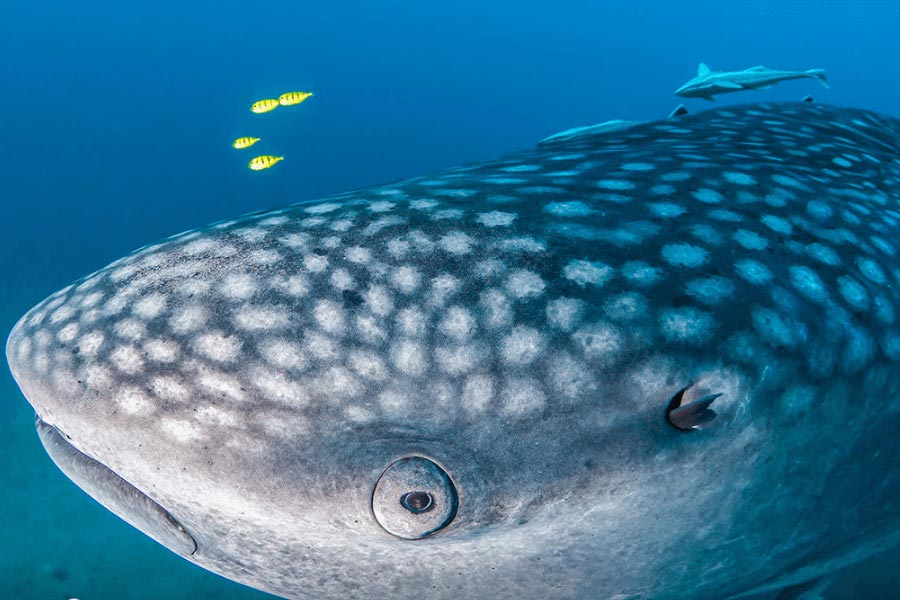
The first two weeks of March are very popular and – if you are a diver – you’ll get the best whale shark sightings off Kenya’s coast.
The weather is still dry & warm – the average daily high in safari country is around 27C°/81°F. It’s even warmer on the tropical coast.
Kenya’s Indian Ocean coast makes a natural combination with a safari and you’re just in time before the heavy rains of April.
It’s still good weather & a good time to do that Kenya safari you’ve always been thinking about. The ‘long rains’ are coming soon but March – especially the first two weeks – is still Kenya’s flagship reserve – the Masai Mara – is usually first on everyone’s safari itinerary and for good reason: although the wildebeest herds are across the border in Tanzania, the Masai Mara delivers excellent wildlife viewing at any time of year and you can augment the experience with safaris to Kenya’s other top wildlife destinations such as Amboseli , the Laikipia Plateau and the Samburu Reserve. Ideal for honeymooners and couples as well as families and multi-generational groups.
And based around the town of Mombasa, there are several excellent resorts with wonderful beaches & lots to do from snorkelling and diving to spa therapies and golf.
Other Great months for Kenya: January & February for peak season safaris; July through October for wildebeest migration in the Masai Mara.
There are lots of good deals around as Kenya goes into the rainy season & you will get the best value from a packaged itinerary, especially if you combine a safari with a beach holiday – ask us for the current best deals.
Zanzibar – the legendary Spice Island – is the ideal beach destination after a East Africa safari plus it’s a great period for scuba diving.
The weather is a bit unpredictable but it’s generally better to travel in the first half off the month. The water temperature can reach 30°C (84°F).
Tanzania’s northern safari destinations: Big 5 in the Ngorongoro Crater & the wildebeest herds are on the move in the Serengeti.
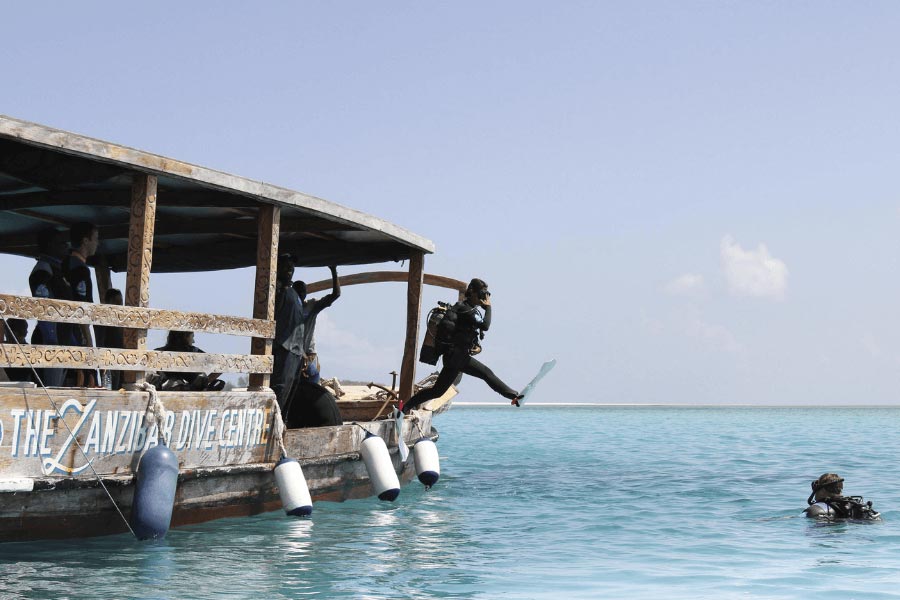
Zanzibar is always a great combination with a safari, but there’s more to Zanzibar than hammocks slung between palm trees: this is a destination where you can stroll the historic streets of Stone Town and visit local markets, or hire two wheels – motorised or not – and explore the island yourself. There’s good snorkelling and scuba diving off the coast – several lodges have PADI dive centres – and since March is the least windy month of the year, it’s recognised as a particularly good time for diving.
Zanzibar has a long list of accommodation options – you can choose between honeymoon hideaways, boutique hotels and family resorts – and you’ll enjoy cheaper rates at this time of year.
Other Great months for Zanzibar: June to September (cooler, dry weather); December to February (hot with occasional rain).
There’s often much better value if you take a packaged itinerary when you are combining a safari with Zanzibar – ask us about the current best deals
March is a fantastic time to experience Africa’s diverse landscapes, abundant wildlife, and unforgettable adventures. From iconic game drives to hidden seasonal gems, our travel experts know how to build a safari that makes the most of this special time of year.
