Safari travellers choose Kenyan lodges for different reasons. Some prefer the familiarity of hotel-style accommodation, others want a camp next to a wildlife hotspot. Budget plays a part, and so does season but there’s usually just one reason people keep booking Cottar’s 1920, and that’s privacy.
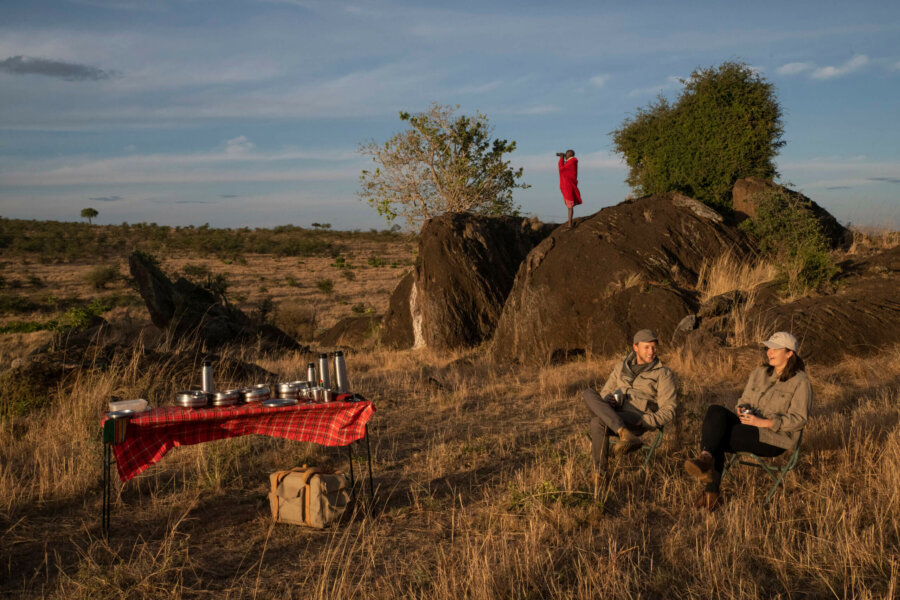
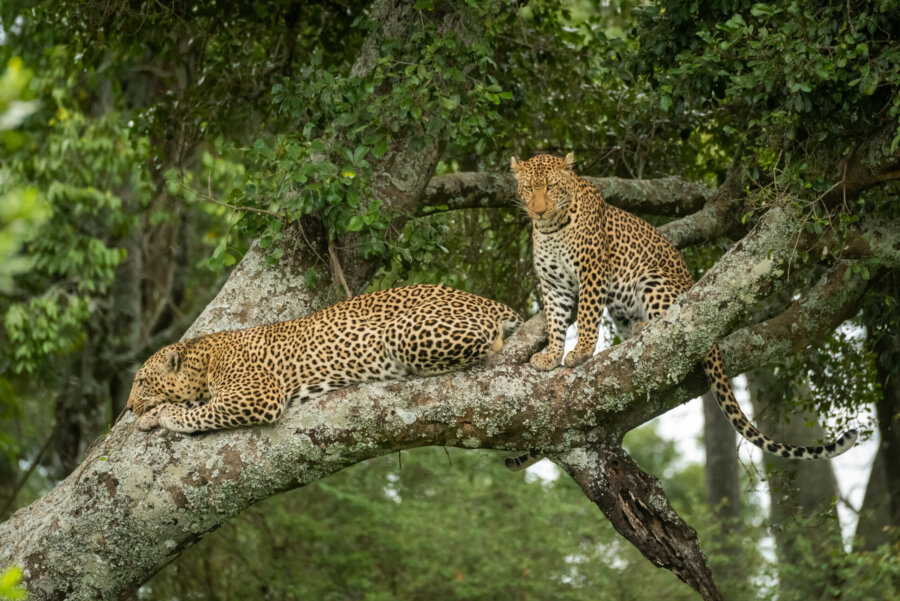
Lying in its own wildlife conservancy near the Masai Mara, Cottar’s manages to keep a balance between delivering the classic Kenyan safari experience and ensuring you are not overwhelmed by other visitors and their vehicles. Game drives are conducted in Cottar’s exclusive-use reserve, a wildlife corridor between the Masai Mara and the Serengeti, where you’ll see the full gallery of African animals, complimented by drives in the Masai Mara Reserve itself.
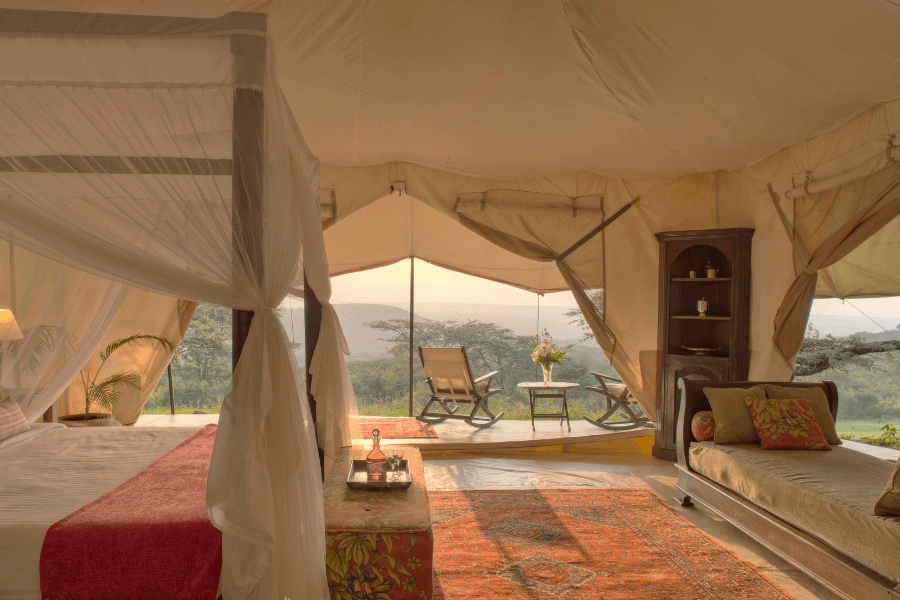
And as for delivering that classic safari experience, that’s where the 1920s part of the name becomes apparent. Cottar’s Camp has been in the family for a hundred years and the spirit of the Golden Age of Safari – Hemingway, Blixen et al – lives on. This is a camp of soft leather, polished hardwoods and grand artefacts; light at dinner is provided by chandeliers, and each of the eleven tented suites has a sumptuous bathroom. A wellness spa provides the cherry on the top.
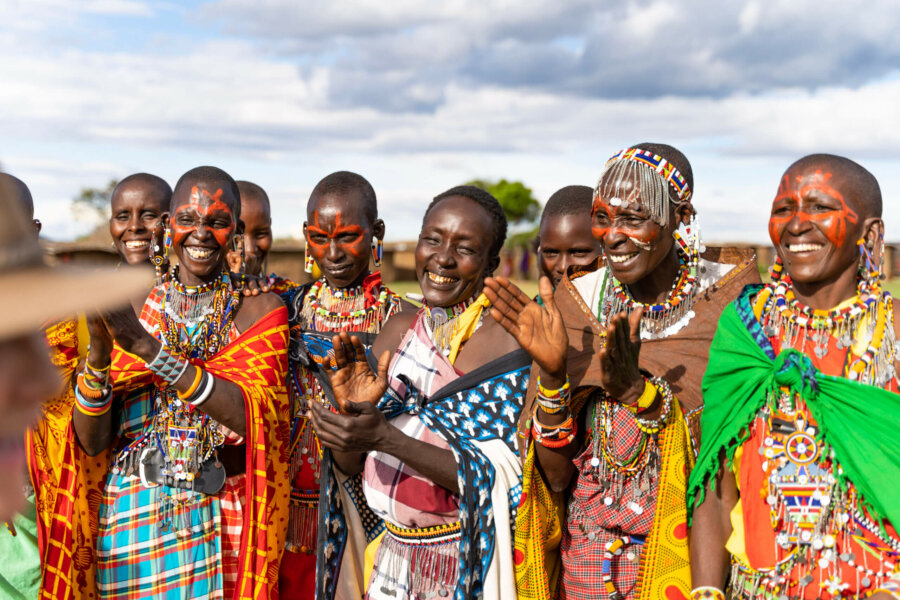
Much is made of enjoying a complete safari experience: you can book a hot-air balloon flight, join a wilderness run (or walk!) with a Maasai warrior, and visit communities to learn crafting skills and taste local coffees. More? Try medicinal plant foraging, a cheetah encounter, or even join the only all-female ranger patrol in the Masai Mara.

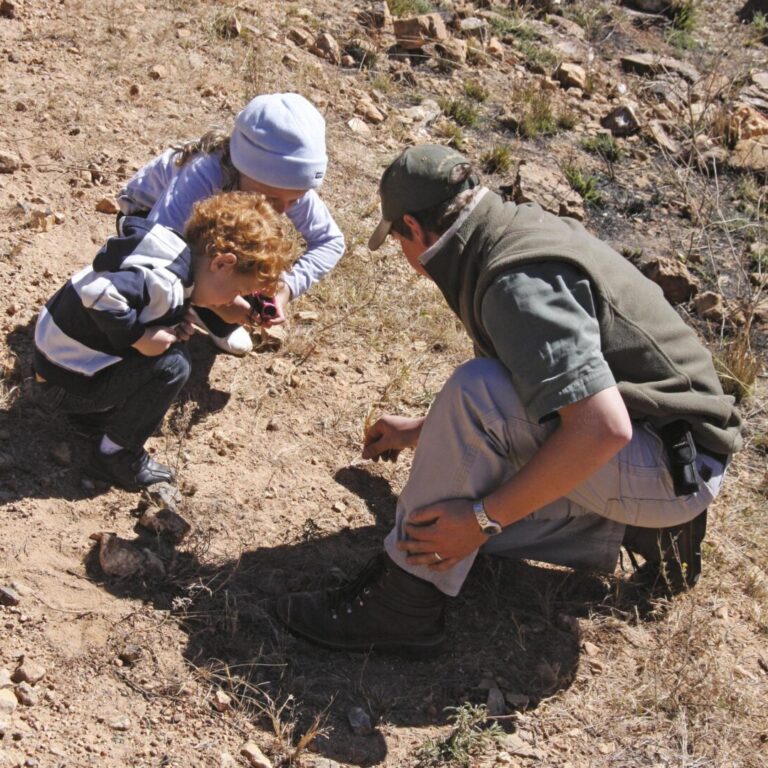
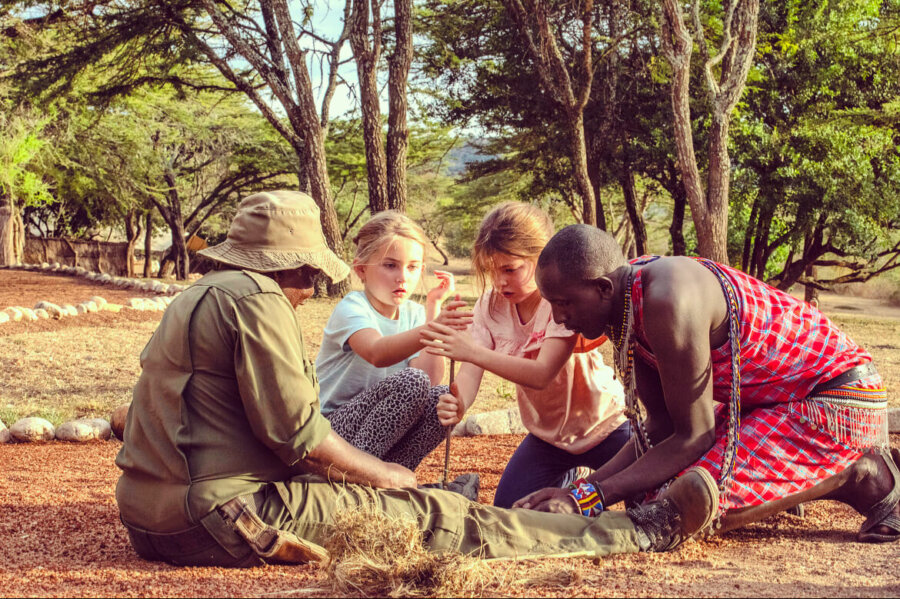
Privacy and a high level of service make Cottar’s 1920 a honeymoon favourite but a generous camp layout means that families with children can equally be accommodated without ruining either experience. In fact, two of the suites are four-sleeper family tents with an open-plan design and the camp offers not just a family-specific itinerary but also a Budding Conservationist Programme – perfect for young nature lovers.
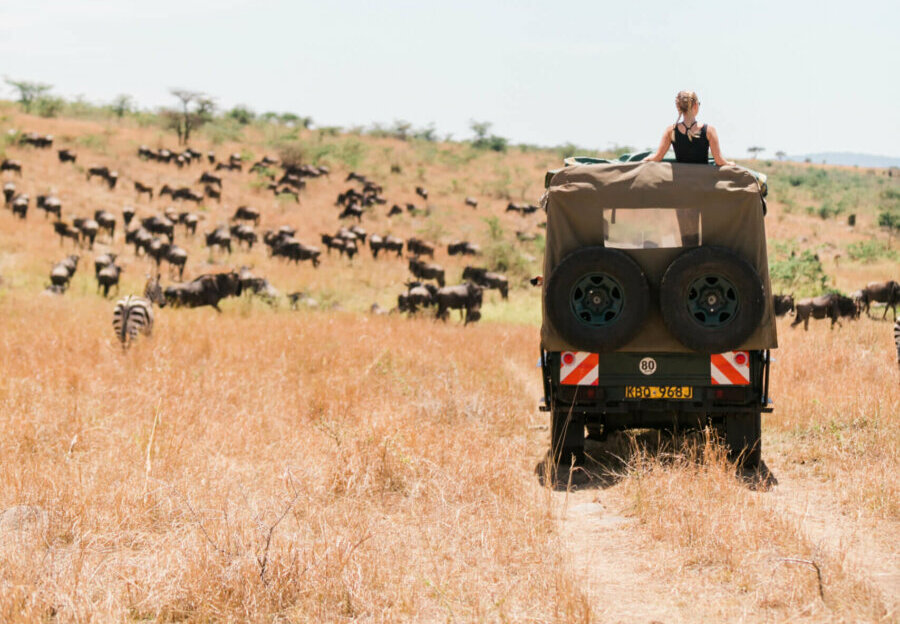
Don’t book Cottar’s 1920 if your expectation is to see as much wildlife as possible; the Cottar family make the point that this is about the quality of the wildlife experience rather than the quantity. The famous wildebeest migration, for example, sweeps through the area from July to September but if you want an early seat at the much–anticipated river-crossing event, then you’ll need a closer camp.
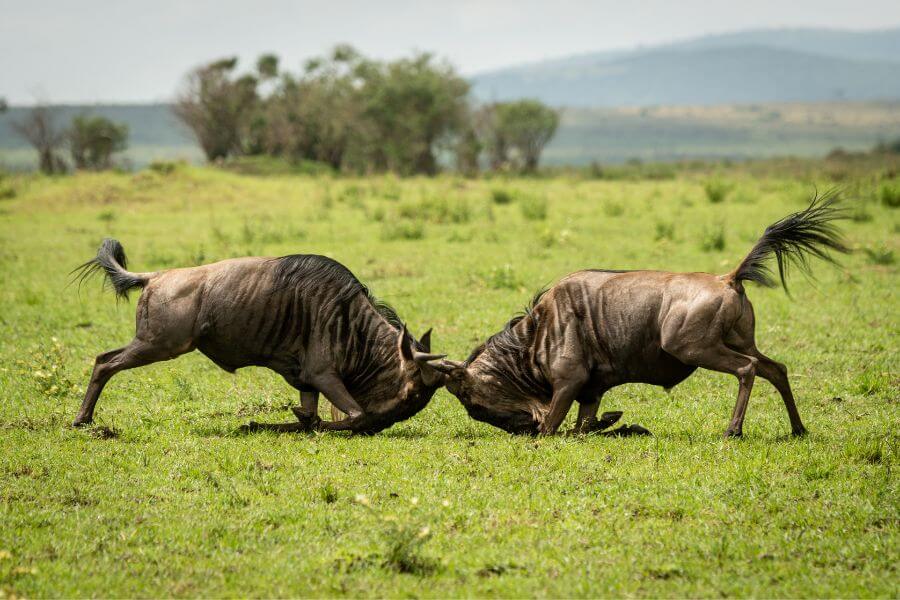
Aimed at more discerning travellers, Cottar’s 1920 is open all year round and fits snugly into an all-Kenyan safari and beach itinerary; it is also surprisingly easy to combine Cottar’s with Tanzanian safari destinations – the Serengeti and Ngorongoro Crater. You’ll need to book well in advance for the popular wildebeest migration but consider also the Green Season – October to early December or January through to May. Now you have a rich, watered landscape full of breeding birds and birthing animals, and very few other visitors.
And if the imagery of indulgent colonial times makes you feel uncomfortable, rest assured that the politics and social rigours of the 1920s have long disappeared. The Cottar family are committed to both wilderness conservation and community development. Sure, they need to run a business but over a third of your spend goes towards local empowerment (a pre-school for example) and heritage conservation. Small business opportunities, anti-poaching initiatives, on-site wildlife research and rehabilitation projects … this a business that walks the walk.
So go on, treat yourself!