If you’re the sort of safari traveller who likes a 24-hour safari experience, then a houseboat safari in Africa is going to be your kind of thing.
This is an experience that never lets go. These houseboats operate deep in big game country and you’ll be up and observing wildlife while vehicle-based safaris are still on their way. Breakfast on the deck, a swim, some fishing. And long after everyone else has returned to their camps at dusk, you’ll still be watching elephants at the river, listening to nocturnal Africa come to life.
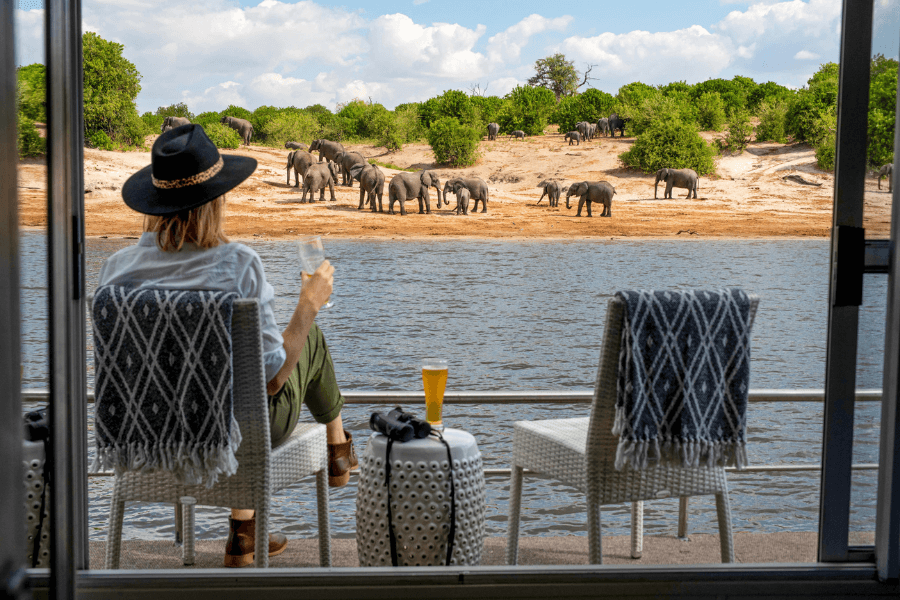
Houseboat safaris offer a unique perspective on wildlife – quite literally: you’ll see animals drinking at water in front of you – face to face – as well as all the secrets of Africa’s waterways: giant monitor lizards, jewel-like kingfishers and shy antelope. And, thanks to the juxtaposition of water and land, the birdlife of these rivers is always excellent and a houseboat puts you at the heart of the habitat.
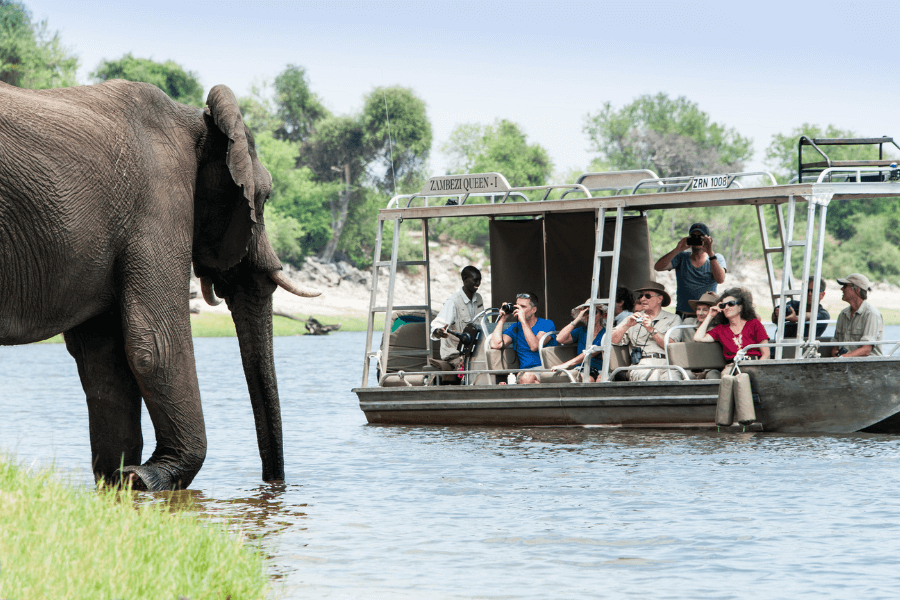
How does it work? These houseboats are large vessels, fully-staffed and offering comfortable accommodation and bathroom facilities as well as great food and service. You can sit back in your suite or on a viewing deck and watch wildlife, or you can get closer on a smaller motorboat, piloted by a guide and ideal for manoeuvring on the river for the best sightings.
A houseboat safari is much more personalised than a traditional lodge safari: if you don’t feel like a 5am wake-up call to go game viewing, then sleep a little longer and enjoy game viewing later. And if you prefer birding over game viewing, or fishing over everything, then there’ll be a guide to help you with that.
Where to go? Safari heavyweights Botswana and Zimbabwe both offer houseboat safaris and each is famous for their dry-season concentrations of wildlife; there are also opportunities to visit local river communities for a cultural engagement.
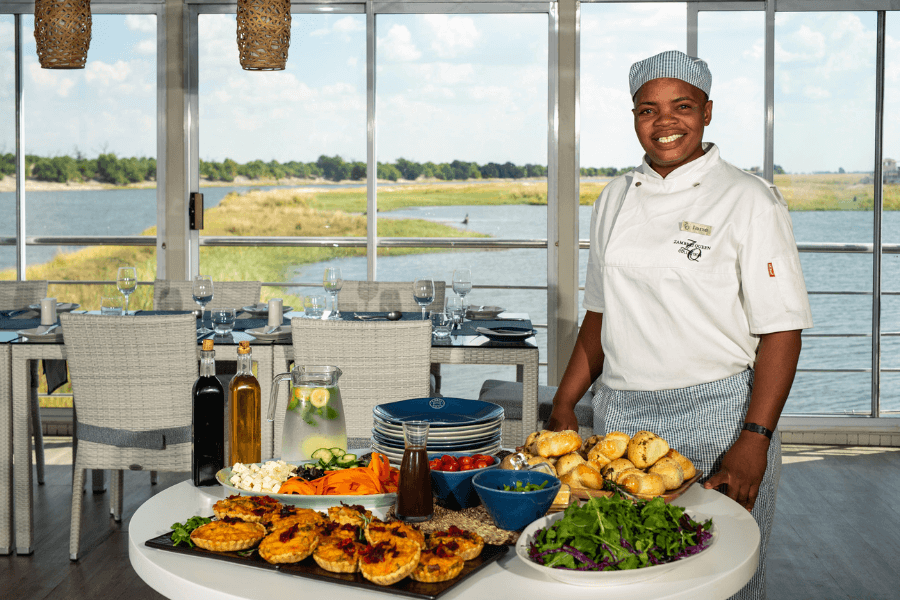
In the case of Botswana, the renowned Chobe River provides the setting for three houseboats, each with a different appeal. The boutique-style Zambezi Queen is the largest and most luxurious while its smaller sister ship, the Chobe Princess, operates over a larger area of river to maximise wildlife viewing. And given such opportunities for photography, it makes sense that the Chobe River also offers a houseboat – the Pangolin Voyager Houseboat – that has a motorboat fitted with camera mounts to ensure the best images from the water.
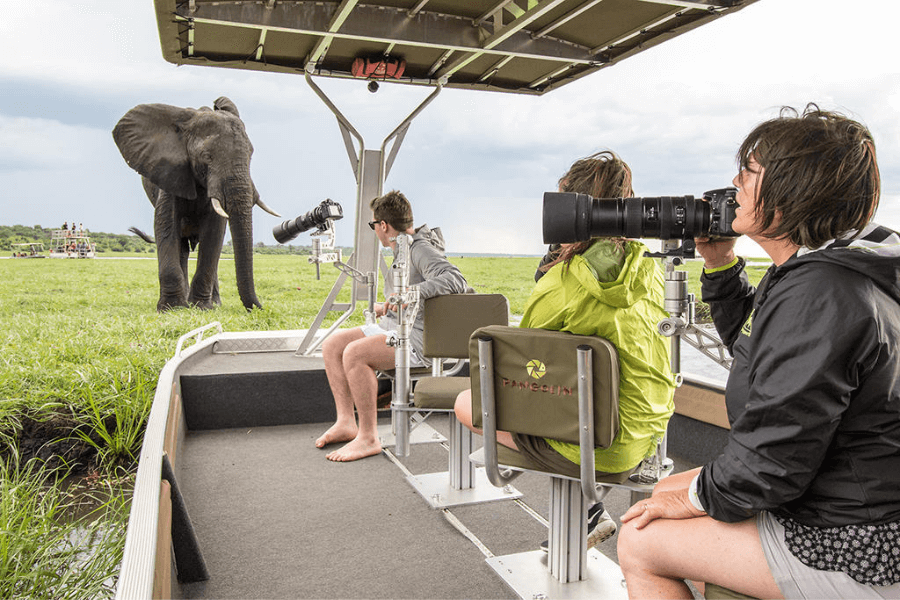
Go in the dry season between early June and the end of October for the best wildlife viewing. Animals such as elephants, buffalo and giraffe gather in increasing numbers at the Chobe River as the dry season wears on, attracting predators such as big cats, wild dogs and hyenas.
Botswana’s houseboats are a relatively new addition to the safari scene – perhaps operating for 20 years or so – whereas in Zimbabwe, the art of a houseboat safari has been perfected since the 1970s. This is when the Zambezi River was dammed to make the enormous Lake Kariba, and generations of house-boaters have been enjoying it ever since.
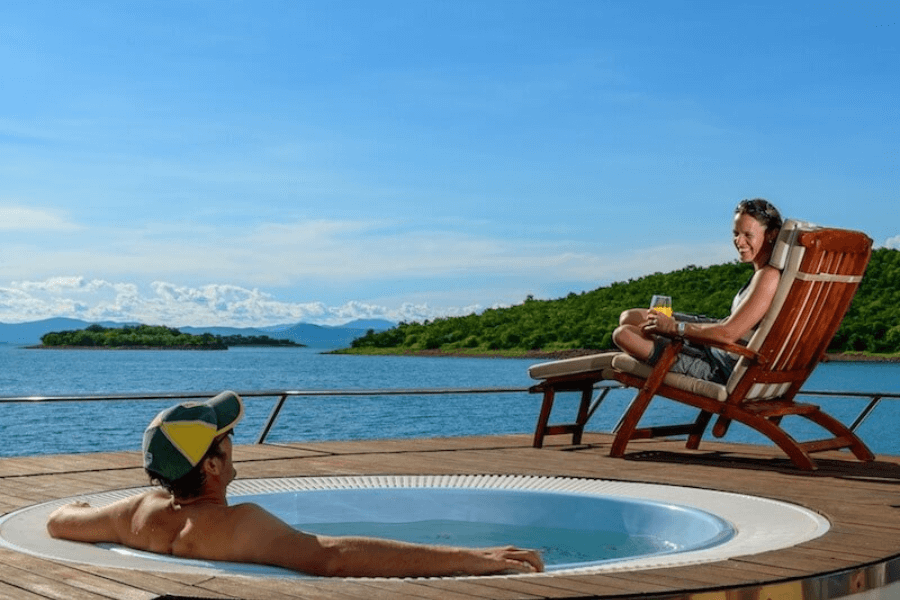
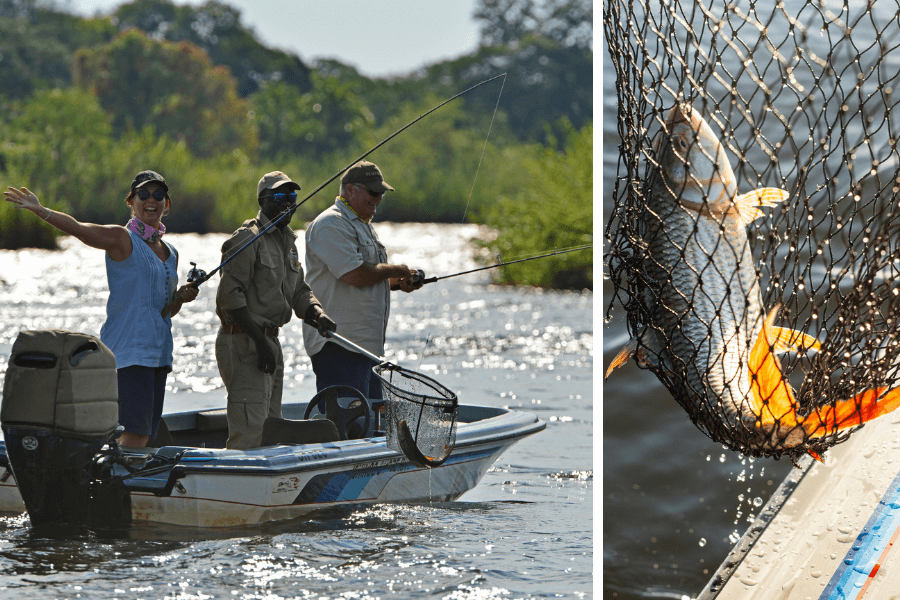
A Lake Kariba houseboat safari is synonymous with both fishing and wildlife viewing; it’s home to the infamous tiger fish, king of the fly-fishing world, as well as a vital source of water for the animals of Matusadona National Park, one of Zimbabwe’s wildest and most diverse reserves. Go on a Kariba houseboat safari in the June to August dry season – September or October if you can handle the heat. It’s a well-run and experienced operation – families with children are welcome – and easy to combine with Victoria Falls.
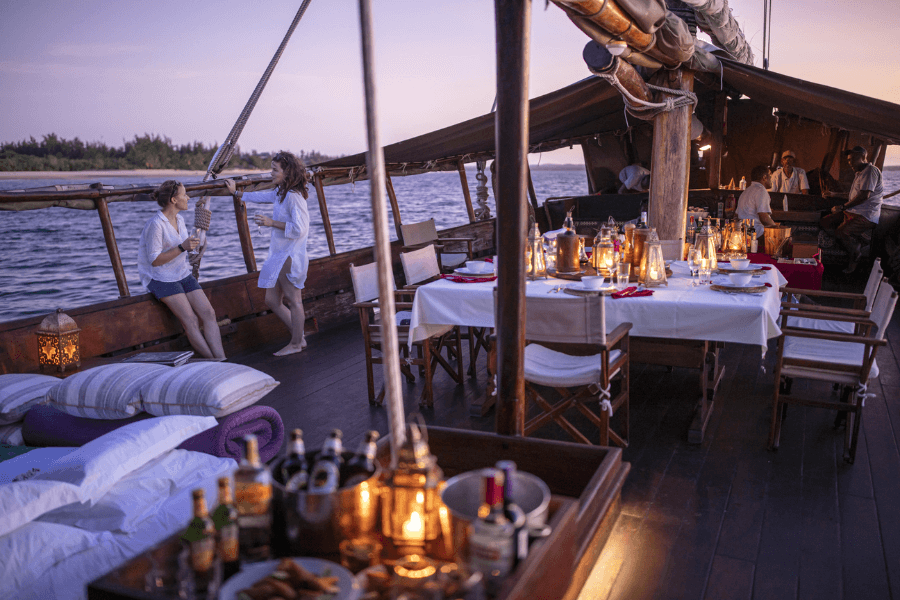
And finally, a houseboat safari in Africa doesn’t have to involve rivers: the Lamu Archipelago off Kenya’s Indian Ocean coast is the setting for a sailing dhow, complete with sleeping accommodation, bathrooms and a smaller launch for day trips. You can swim, snorkel and water ski as well as enjoy trips to local islands for a taste of East African culture.
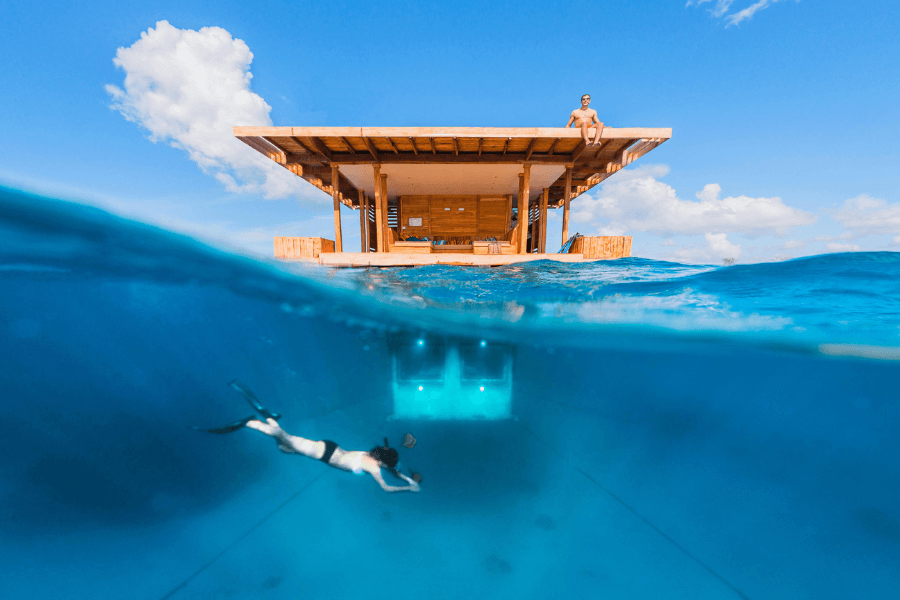
Take the houseboat concept a step further – or perhaps deeper – with an underwater room. Anchored to the bottom of the Indian Ocean in the Zanzibar Archipelago is the most extraordinary suite: above the surface you’ll find a sunny lounge and bathroom: below the waves is your bedroom, gently rocking and surrounded by aquamarine water and shoals of fish.
Go to these Indian Ocean destinations in December, January and February for hot, dry weather and great diving, and from June through October when it’s again drier weather with good diving. Both time periods combine well with wildebeest migration safaris in Kenya and Tanzania.