
Planning your first safari can be daunting. There’s working out when and where to go, what the malaria risks are, how much local travel is needed. Then there’s the question of what to wear, what to bring and what to expect. And it gets more confusing when people start using familiar words in unfamiliar ways: what can you look forward to on a bush breakfast, for example? Woody twigs or bacon and eggs?
Relax, here’s our easy guide to first-time safari goers – what to pack, what to expect – plus a handful of words you’ll certainly hear if not actually use yourself. Right, let’s get that suitcase open.
What to Pack
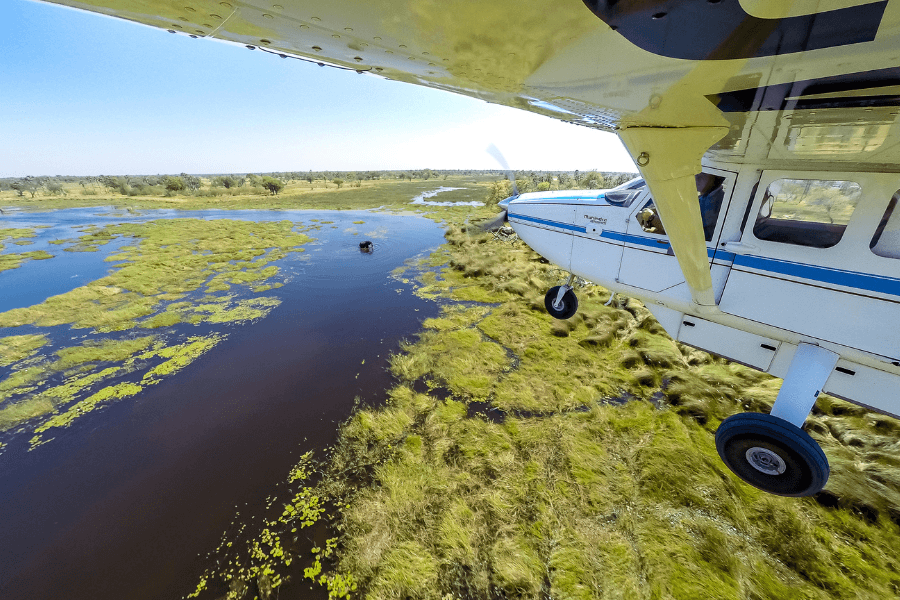
Before you do anything, double check your luggage weight limit at the lowest common denominator of your itinerary (usually the small plane that’ll fly you into the wilderness). It may be as little as 20kg/44 pounds and tour operators usually insist on soft-sided bags when flying locally.
Now, what to wear. Regardless of the time of year, you’ll need layers of clothing that can be removed as the day warms up or put on as things cool down – and this can happen very quickly when on safari. Don’t underestimate ‘winter in Africa’ – it’ll be nice and sunny but many safari destinations are regularly below freezing in the early morning.
Wear neutral, earthy colours: khaki of course but also light greens, browns and blues. Avoid wearing white clothing when on a safari activity – insects are attracted to it – and you simply must remember your hat, sunglasses, sunblock and lip salve – at any time of year. Bring a strong pair of shoes for walking but also flip flops/sandals for around camp and in your room; pack a swimming costume if your lodge has a pool.
Anything to bring? Well, it depends on how you are travelling. If you are staying at lodges then most things you need – bottled water, insect repellent, a torch/flashlight, soaps and towels – are all provided. If you are booking an overland tour, then you may need to bring these items – check with your agent.
Medications – obviously you’ll need to provide everything you may need though lodges always have a first aid kit and evacuation procedures in the event of an emergency. As for malaria medication – you might not need it depending on where and when you are going; consult a medical practitioner.
What to Expect
A fair amount of travelling – not all of it very comfortable – and a lot of early mornings. But beautiful landscapes, stunning wildlife and unforgettable imagery. Keep an open mind however: things may take a little longer here – a border crossing, a coffee order – and there’s not much internet connection in many places. It’s best to adjust to a different pace of life and let it flow.
A day on safari starts early – usually before sunrise – with a ‘wake-up call’ and a light breakfast before the first activity – a game drive – when you’ll be out for most of the morning in a vehicle with your guide. Returning to camp in the late morning, you’ll sit down to a big brunch or lunch, and then have some time to yourself before mid-afternoon tea and your second safari activity of the day. At many lodges you’ll be able to fill in time with bush walks and bird watching during the day; some camps may also offer spot-lit night drives.
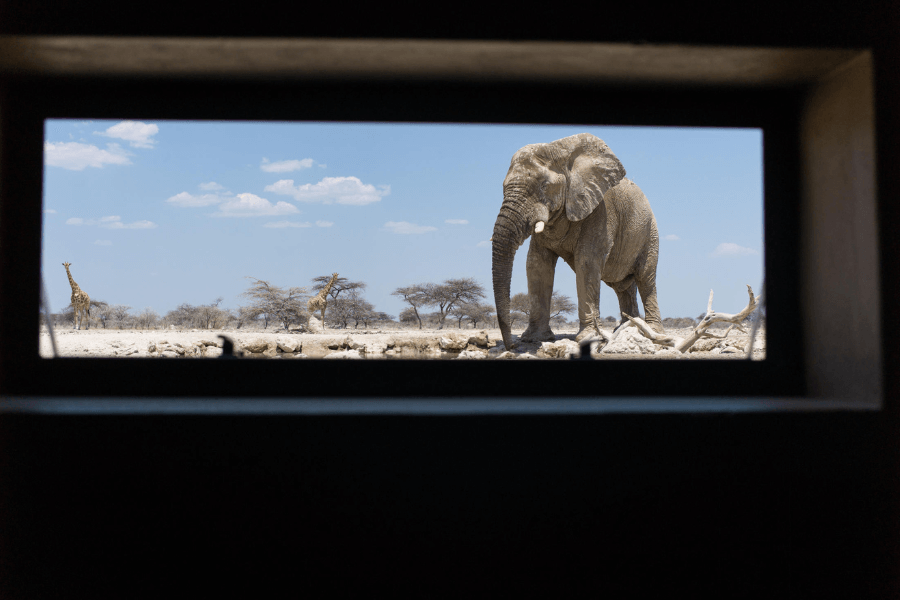
Evenings on safari are centred round the main evening meal – usually a three-course affair – but you’ll have time to sit around a fire and chat with fellow travellers over a drink before. There aren’t many late nights on safari – given the early start – but take some time to absorb the night skies and listen for the night sounds of Africa – a hyena, lions, the call of a jackal.
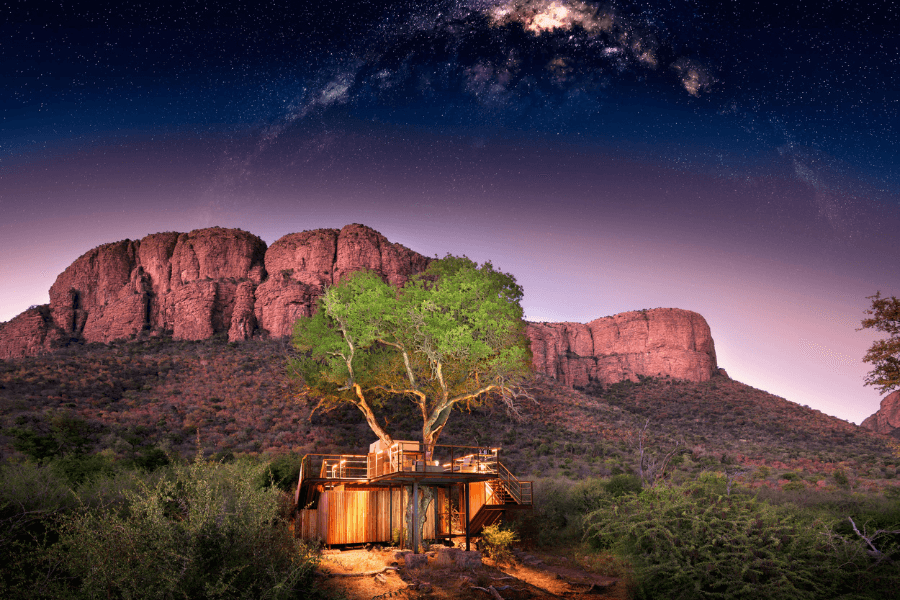
You have, of course, expectations about what you would like to see but make sure you match your expectation with your safari. High expectations of wildlife crowded at Botswana’s Chobe River are valid in the dry season but not if you’ve taken advantage of a special deal and you’re there in the green season. And be careful with the ‘Big Five’ label: many reserves call themselves Big Five destinations but few can actually deliver sightings of all of them with relative ease.
Speaking of which, who actually are the Big Five? And what about that bush breakfast? Time to freshen up on a few safari words.
Words you’ll need on Safari
THE BUSH – It’s easy to see why people get confused: your guide may point out an animal lying under a bush, but also refers to the bush with a general sweep of his or her arm. It’s two things: a bush is a small tree, but the bush is a catch-all term for any wild land, but usually one associated with big animals and a savannah landscape – grasses, scattered trees, and … bushes.
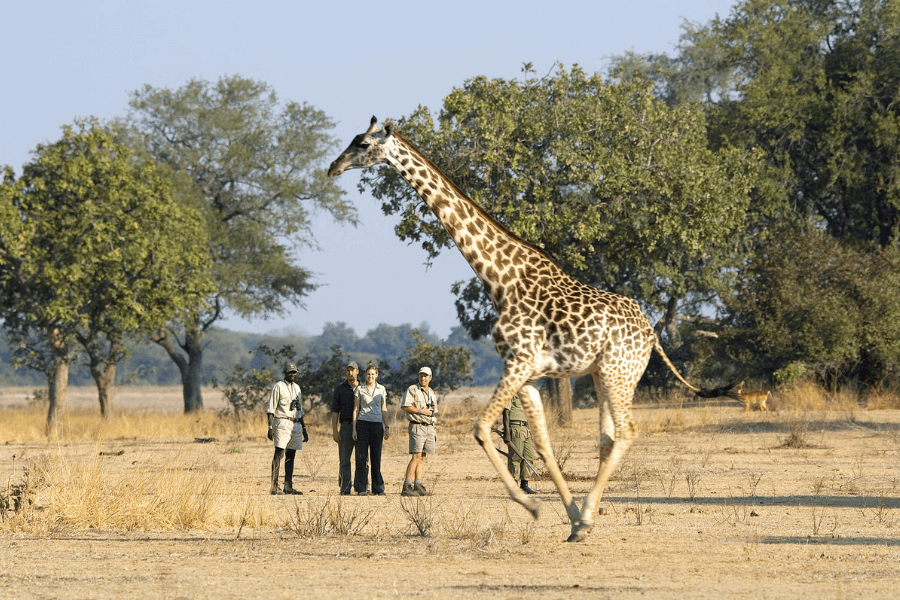
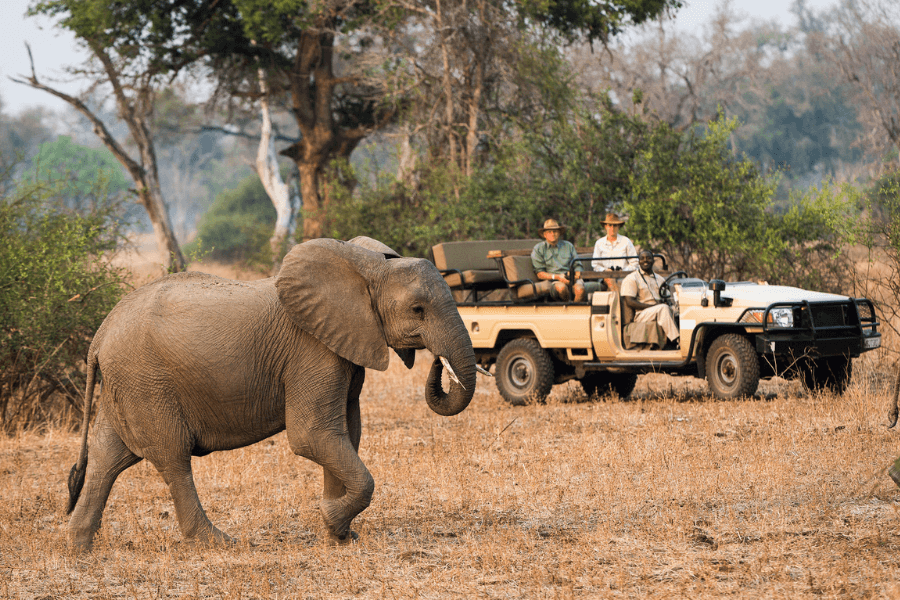
GAME DRIVE – ‘Game’ is another word for animals – especially large ones – that were (and to some extent, still are) hunted. It’s commonly used across Africa and affixes to other words – a game ranger, a game fence, a game reserve – to convey the context of big creatures. A game drive is simply a guide-led 4X4 drive to look for animals.
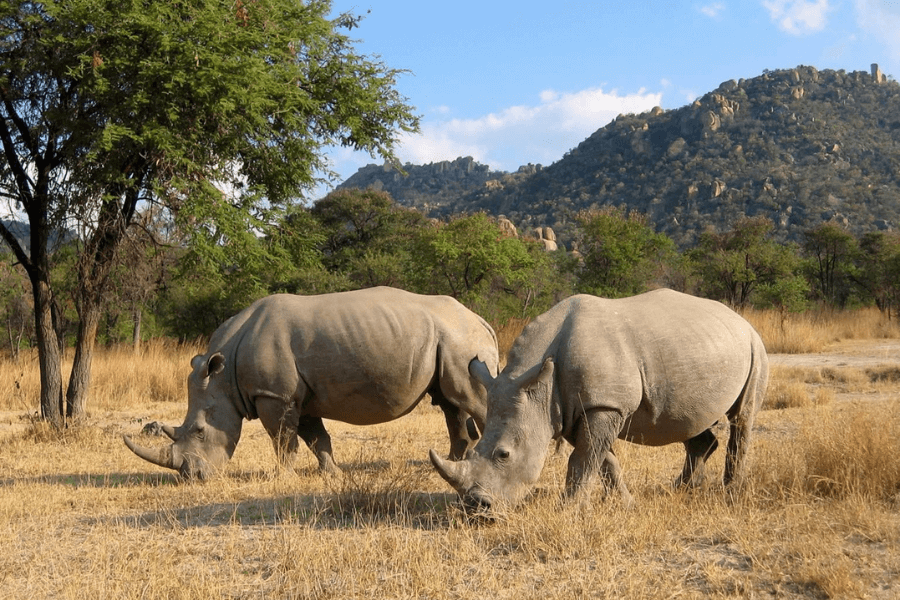
THE BIG FIVE – Once rated as the most dangerous animals to hunt, the Big Five have now become the five animals that everyone wants to see the most: elephant, lion, rhino, leopard and buffalo. For many visitors they epitomise the African safari experience but beware: rhinos are rare, leopards are elusive, and buffalo are not as common as you’d think.
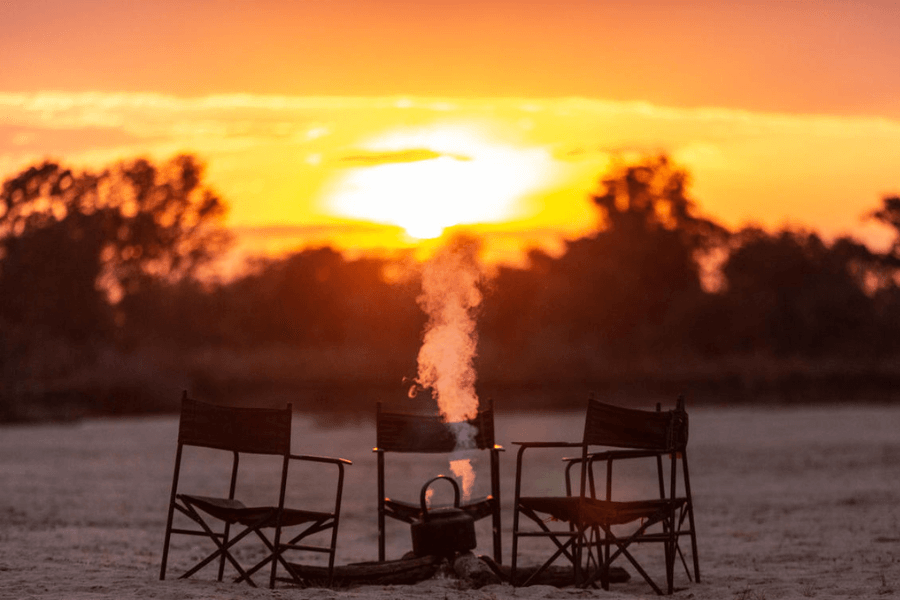
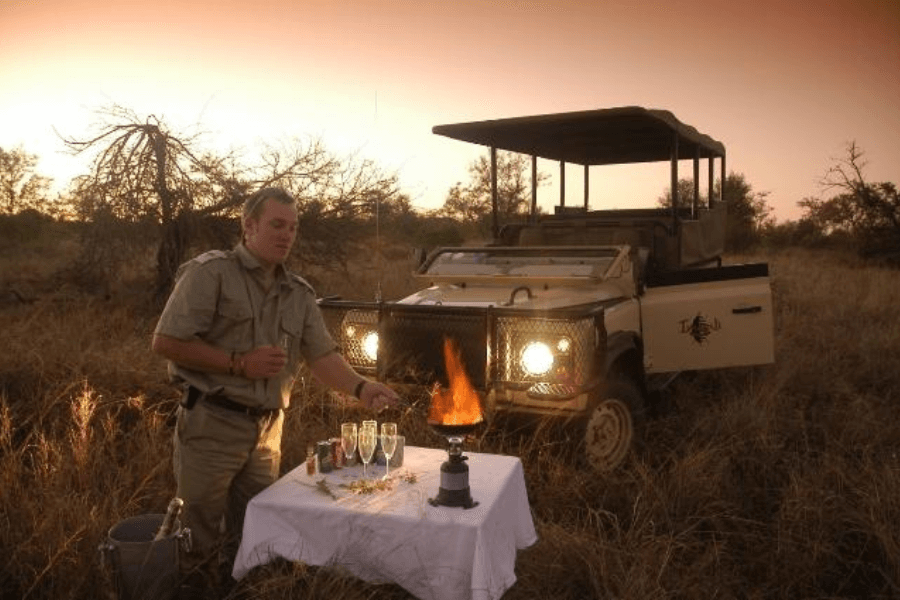
SUNDOWNERS – You won’t forget this word: it’s the time of day when your guide stops the vehicle or sets down under a tree. The sun is sinking, the sky turning red, and the air fills with the sounds of an African evening: insects, frogs, birds, and the sound of ice tinkling in a glass. It’s a sundowner: your favourite cold drink served with yummy snacks and a sunset.
KOPPIE, VELD & VLEI – South Africa’s Afrikaans language features strongly in the continent’s natural features: you’ll hear these terms especially in southern Africa. Koppie means ‘small head’ and denotes a hill, usually rocky and isolated. Veld and vlei are pronounced ‘felt’ and ‘flay’ respectively: veld means field but is used to make vegetation types (bushveld, thornveld) whereas a vlei is a wetland or lake.
SAFARI, JAMBO & KARIBU – It’s in East Africa that the word safari originated. It means journey or expedition, and when arriving in Kenya or Tanzania to enjoy one, you may be met by the words Jambo (hello) and Karibu (welcome); you can reply in English of course but you’ll make a friend if you say ‘Asante Sana’ – thank you very much.
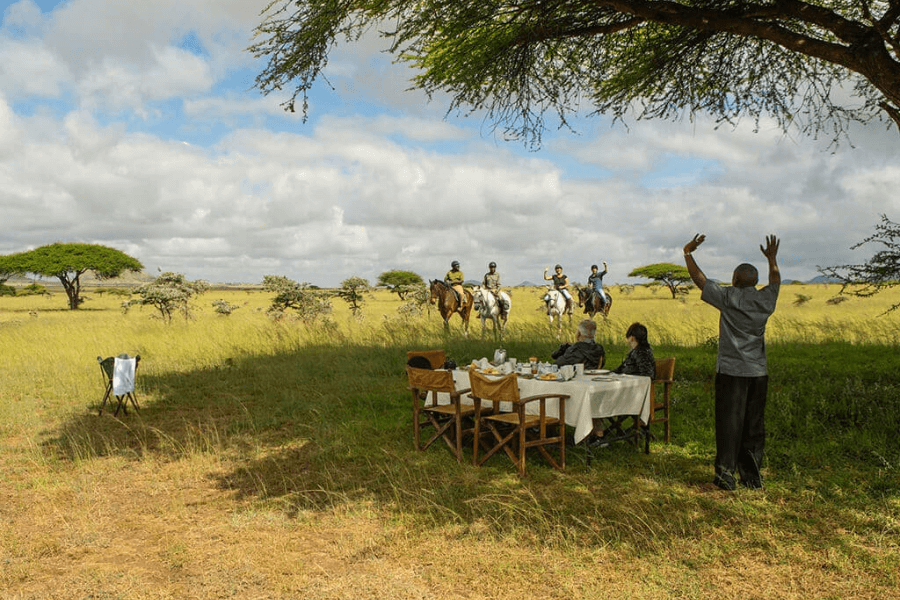
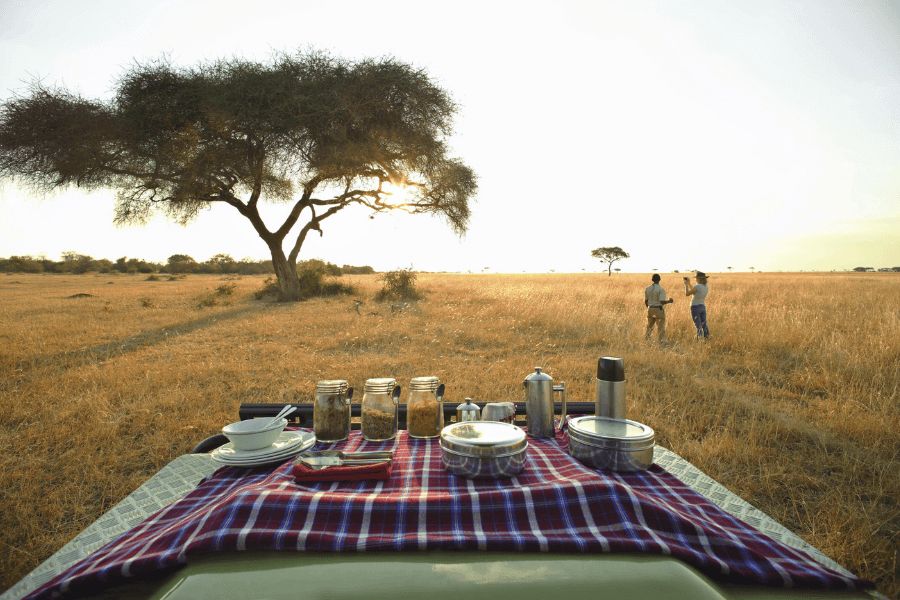
RUSKS & BUSH BREAKFASTS – Don’t be surprised to find what looks like a baby’s biscuit on your breakfast table. Rusks – chunky, doubled-baked biscuits – are the ubiquitous early morning food on safari; somewhat hard and dry at first glance, they reveal their softer side when dipped in your morning coffee. You will find them on a bush breakfast too: a full-on, cooked breakfast served away from camp at the end of the morning game drive.
GREEN SEASON – It’s easy to dismiss the term Green Season as a marketer’s attempt to sell safaris during the Rainy Season but there’s more to it. Sure, the weather might not be great – rain is of course a possibility – but this is when the African landscape erupts into lush greenery and produces future generations: antelope give birth, migrant birds arrive, great herds are on the move, and predators are on the prowl.
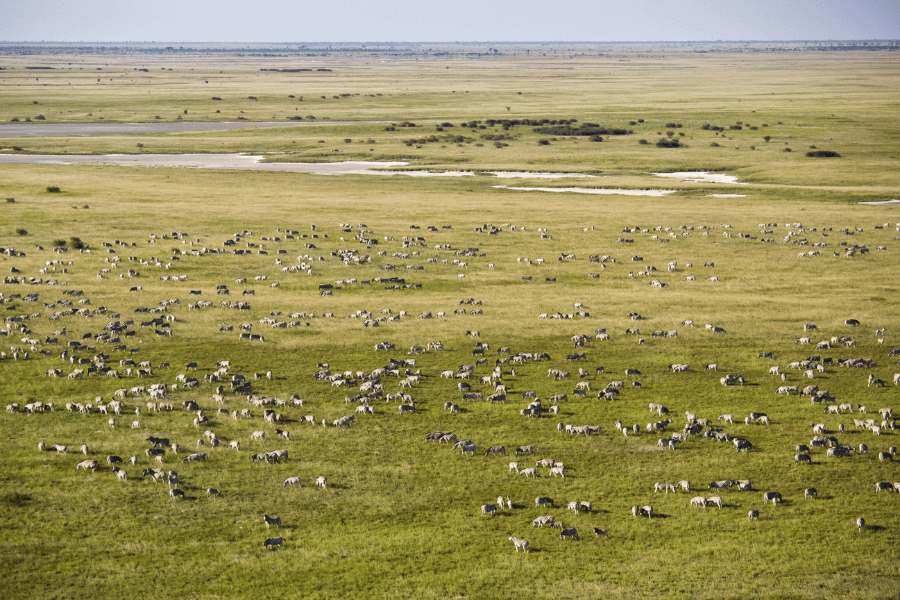
PRIVATE CONCESSIONS – Many safaris take place in state-run national parks but many more are in private, exclusive-use concessions: privately-run wildlife reserves that lie either adjacent to national parks or in wilderness areas. They generally have a good reputation for wildlife and by staying in one, you have the advantage of extra activities that aren’t permitted elsewhere – night drives, bush walks and off-road driving for exceptional sightings.