
Back in the 1990s, barely anyone had even heard of Zambia as a safari destination let alone its obscure reserves like the Kafue National Park. But fast forward 30 years and Zambia now sits on the A-List of places to go for wildlife – the South Luangwa and the Lower Zambezi National Parks – as well as views and accommodation at the iconic Victoria Falls.
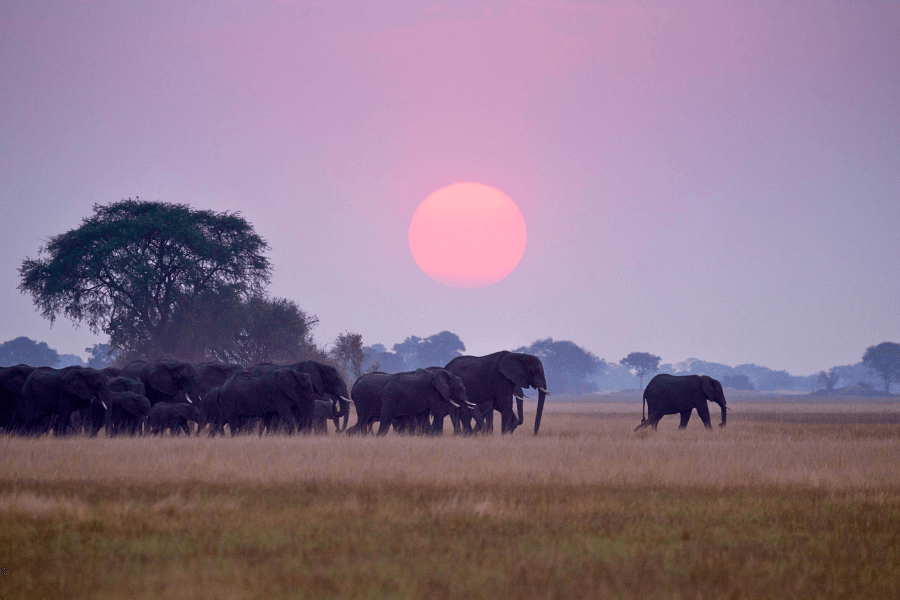
So where does Kafue National Park fit into all of this? It’s Zambia’s biggest conservation area (the size of Belize or Wales) but one of its least visited; does that make it a good or bad thing? What sort of animals are there – and what time of year should you visit Kafue?
Time to break down the Kafue National Park into bite-sized chunks: its regions, wildlife, accommodation/activities, and when to go.
KAFUE’S DIFFERENT REGIONS
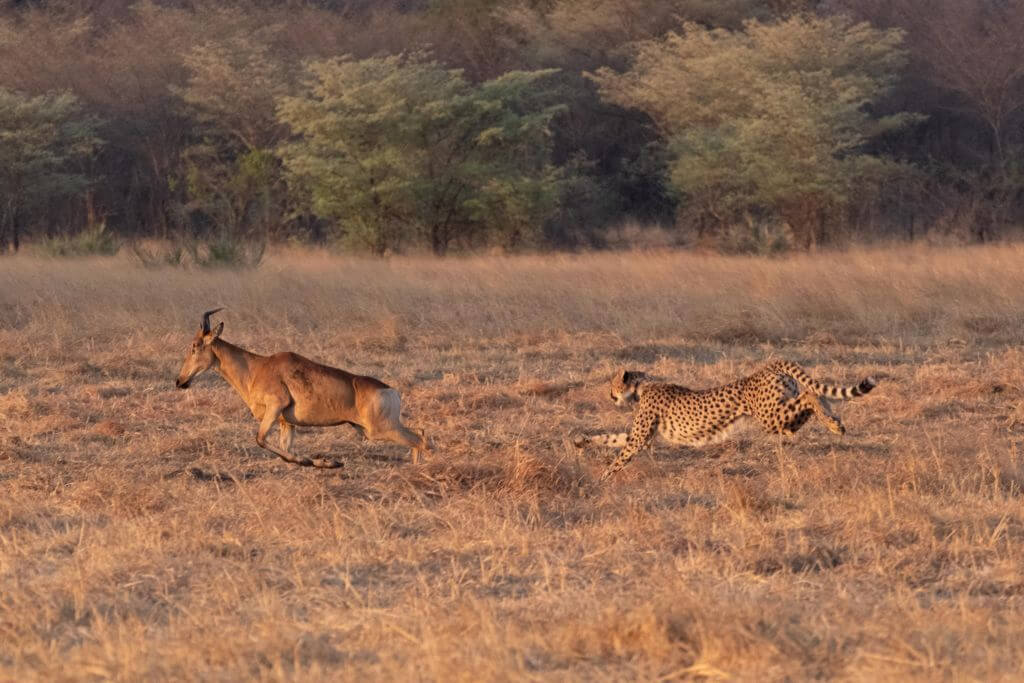
Kafue National Park is easily divided into three distinct areas: south, central and north. Southern Kafue tends to be drier, more open countryside and is dominated by the Nanzhila grasslands: this attracts large numbers of different antelope species and consequently big cats. It’s the best place in Kafue to see cheetah and – on occasion – African wild dog. Central Kafue is more traditional open woodland: accommodation here is set on the Kafue River that runs through the park and sightings of lion, elephant and buffalo are common.
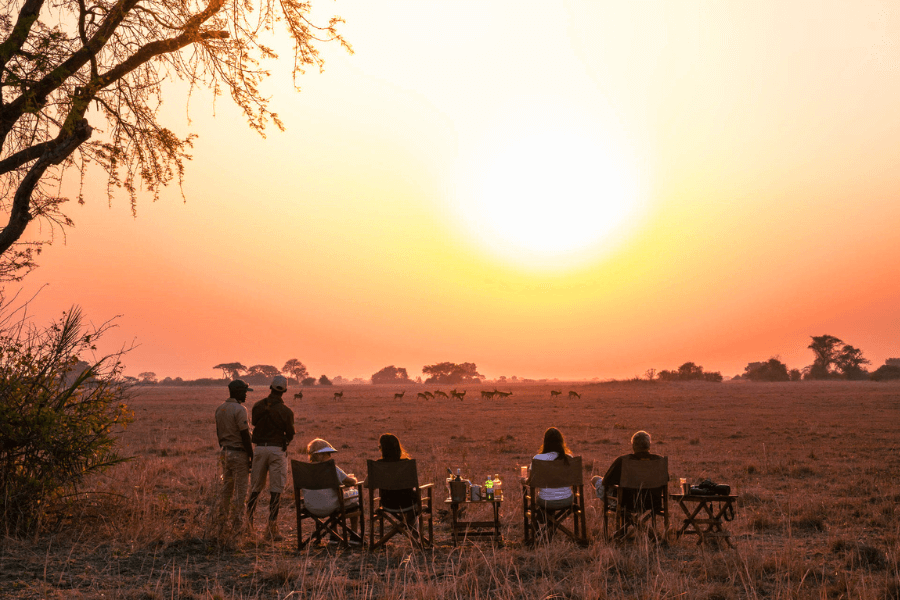
But it’s in northern Kafue that this park delivers its best side: the Busanga Plains are an enormous seasonal wetland that is largely impenetrable in the wet season but a wildlife paradise in the dry months. Great herds of antelope attract big cats and hyenas, and the birding is simply amazing.
KAFUE’S WILDLIFE
The absence of rhino and giraffe in Kafue National Park is more than balanced by the list of animals that are there. Elephants, hippo, buffalo and lion are commonly seen, with cheetah, wild dog, leopard and spotted hyena making up the less commonly seen predators. Kafue has apparently the highest diversity of antelope in an African reserve, and with a bird list of some 500 species, it is a birding destination par excellence.
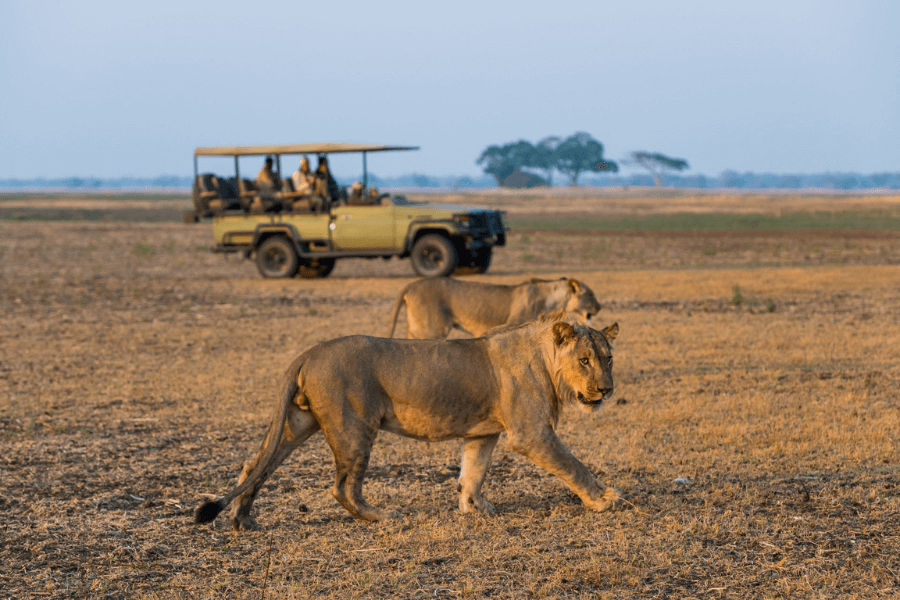
But don’t go to Kafue expecting the densities of animals that you may have seen in Botswana or Kenya: this park is truly huge and wildlife is widely dispersed. For the greatest concentrations of animals, go to the Busanga Plains – the best place for predator/prey interaction.
WHERE TO STAY & WHAT TO DO
Kafue’s three regions – south, central and north – all have safari accommodation, with the bulk of it in the northern area where wildlife viewing is more dependable. You’ll fly in from, for example, Victoria Falls, and will find Kafue’s lodges are of a similar standard to the rest of southern Africa in terms of comfort, facilities and cuisine. But where they really stand out is in the wide range of safari activities that they offer.
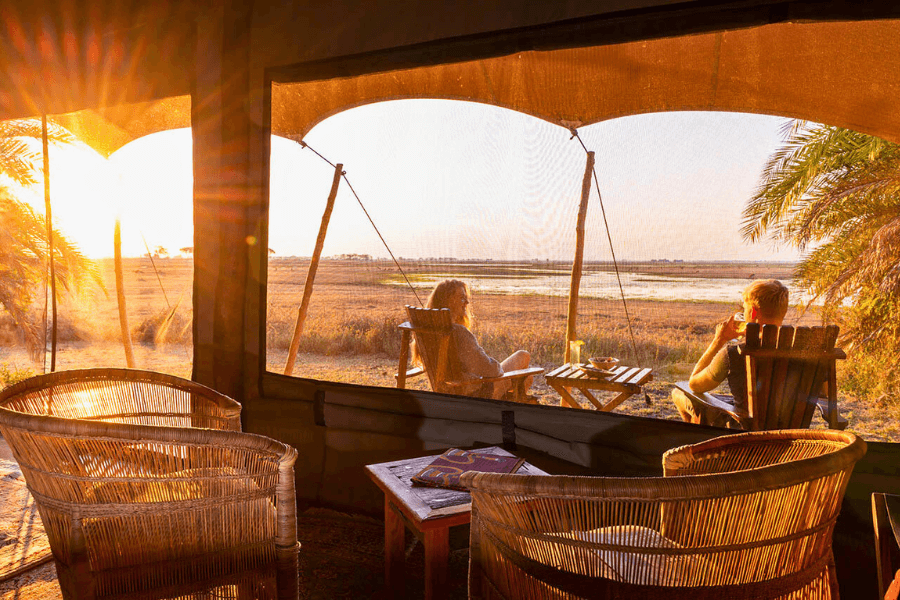
Guests at lodges in the Kafue National Park go on morning and afternoon game drives as well as guided walks, spot-lit night drives and can even enjoy seasonal water activities such as boating and kayaking. Visits to Kafue’s neighbouring communities are included at some lodges, adding a human element to your safari.
WHEN TO GO
Kafue National Park, like most of southern Africa, has a fairly binary climate: a wet season and a dry season. The December through March wet season really is wet: many camps close as roads and airfields are under water; wildlife is dispersed and out of sight. April through May sees the end of the rain but with high-water levels in the rivers and floodplains; now is the time for the first safaris of the year, coupled with boating activities at some camps.
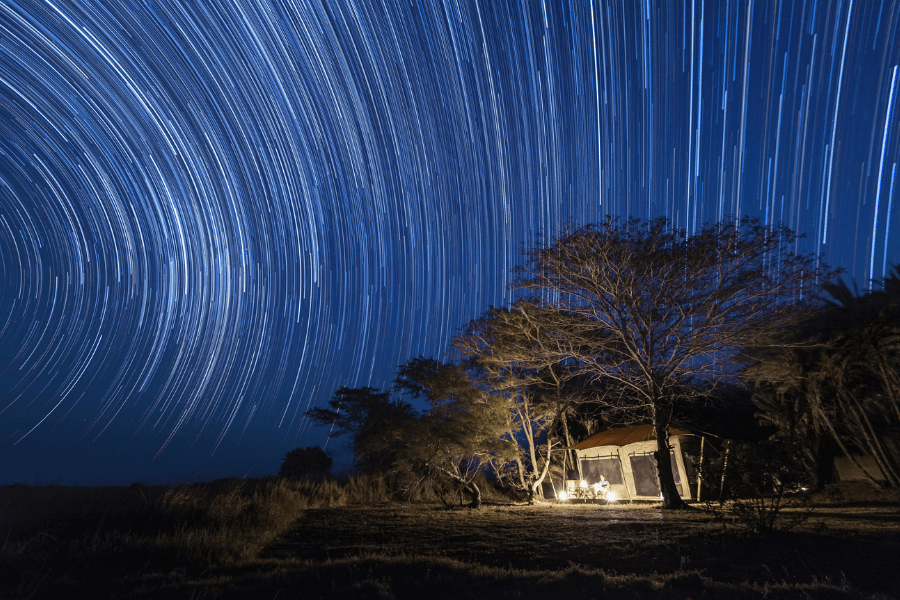
But it’s the June through October dry season which sees Kafue National Park at its best. There’s barely a drop of rain, the June, July and August months are especially temperate, the malaria risk is at its lowest and you’ll need an extra blanket at night. Thirsty animals begin to concentrate at water sources – the Kafue River, the Busanga Plains – and are followed by predators, making Kafue’s dry season a time of drama and photographic rewards.