
For many travellers, an African safari is a lifelong dream. The thrill of spotting a rhino in the wild, watching elephants move through the bush or encountering a pride of lions is an experience unlike any other.
But what if your safari could mean more than the wildlife you see?
Through the work of the Zululand Conservation Trust and its conservation partners, guests have opportunities to learn about the challenges facing endangered wildlife and discover how they can contribute to protecting it.
We spoke to Jonathan Short, Operations Manager at Rhino Sands Safari Camp, about the conservation initiatives taking place, the experiences available to guests and why responsible tourism has such an important role to play in the future of Africa’s wildlife.
His message is simple: a safari is not just about seeing animals. It is also about understanding them, the people working to protect them and the conservation challenges that will shape their future.
1. Book a Rhino horn Trim
Rhino conservation is one of the most important initiatives. Rhinos face ongoing threats from poaching, driven by demand for their horns. Protecting them requires more than the presence of rangers in the bush. It involves veterinary teams, monitoring, population management, funding and long-term conservation planning.
One way the reserve works to protect its rhinos is through carefully managed rhino trimming experiences organised by the Zululand Conservation Trust.
For guests, this can offer an extraordinary opportunity to learn about rhino conservation at close range.
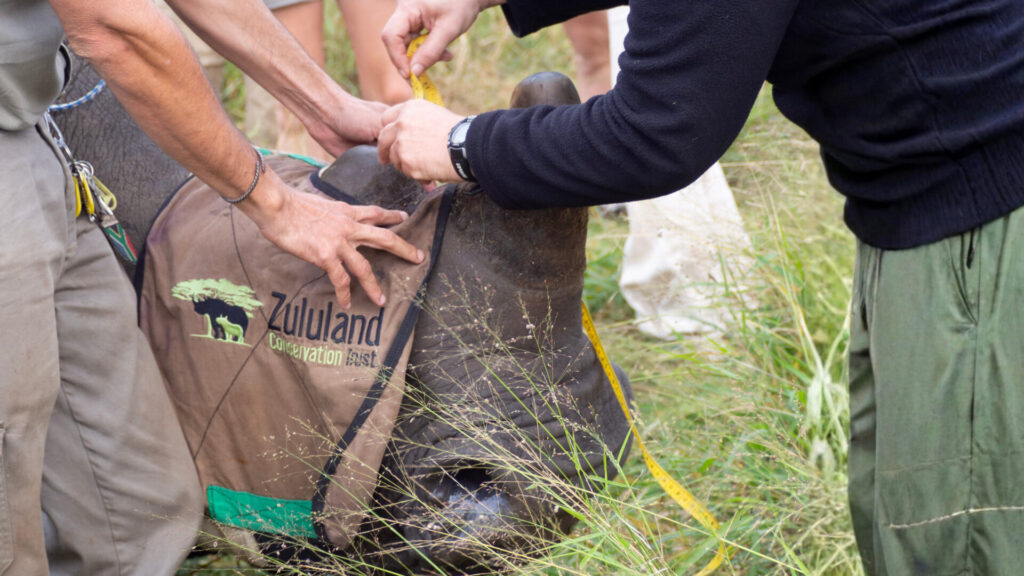
What happens during a rhino trimming experience?
The term “de-horning” is shifting to the more accurate term: a trim. A rhino trim is a carefully coordinated operation involving veterinary professionals and the conservation team.
Before the procedure begins, participants are briefed on why the operation is necessary, how the animal will be located and darted, and the veterinary measures involved in keeping it safe.
Once the rhino has been located and immobilised by the veterinary team, the ground team approaches to carry out the procedure. Guests may be able to observe the process at close range and, where appropriate, participate under the direction of the conservation professionals.
Jonathan describes the experience as both educational and deeply moving. Guests can learn about the animal’s anatomy, the importance of measuring and recording horn growth, and the work involved in carrying out the procedure responsibly.
Does a rhino’s horn grow back?
Yes. Rhino horn is made primarily of keratin, the same structural protein found in human hair and fingernails. After trimming, the horn grows back over time.
The rate of regrowth varies according to the individual animal and other factors. This means that trimming is not a permanent solution, and it must be considered as part of a wider conservation strategy. The timing of subsequent trims depends on the animal’s horn growth and the conservation team’s assessment of when another intervention is appropriate.
The objective is to reduce the incentive for poaching while allowing the animal to continue living in its natural environment. It is a sobering reminder of the measures conservationists may need to take to protect a species from a human-driven threat.
Why would you remove a rhino’s horn?
It can be difficult to understand why a conservation team would deliberately alter the appearance of an animal that we have come to recognise by its magnificent horn. However, the reality is that conservation sometimes requires difficult interventions.
Rhino trimming is intended to reduce the potential reward for poachers. It does not eliminate the risk entirely, and it must be carried out by qualified veterinary professionals with appropriate safeguards. For visitors, witnessing the process offers a deeper understanding of the decisions conservationists face and the practical work involved in protecting wildlife.
Important to know: Rhino trimming experiences depend on scheduled operations, veterinary requirements and the reserve’s conservation priorities. Availability is not guaranteed, so enquire well in advance if this is an experience you would like to include in your itinerary.
2. Meet the Rhinos at the Orphanage
Some of the most moving conservation stories begin with an animal that has lost everything. Rhino orphans may arrive at a sanctuary after traumatic experiences, including the loss of their mothers through poaching. Their survival can depend on intensive care, specialised feeding and dedicated human intervention.
The rhino orphanage provides care for vulnerable rhinos, with the long-term aim of preparing suitable individuals for release back into the wild. For Jonathan, the work of the orphanage team is one of the most remarkable aspects of conservation. He describes the emotional journey involved in caring for these animals, from the uncertainty of receiving a vulnerable rhino to the small milestones that mark its recovery.
A young rhino accepting its first bottle, settling into its surroundings or enjoying a mud bath may seem like small moments. For the people caring for it, they can represent significant steps towards recovery. The work is demanding. It involves feeding, monitoring, maintaining enclosures, providing appropriate nutrition and responding to the changing needs of growing animals. As the rhinos mature, the team works towards preparing them for a life beyond the orphanage.
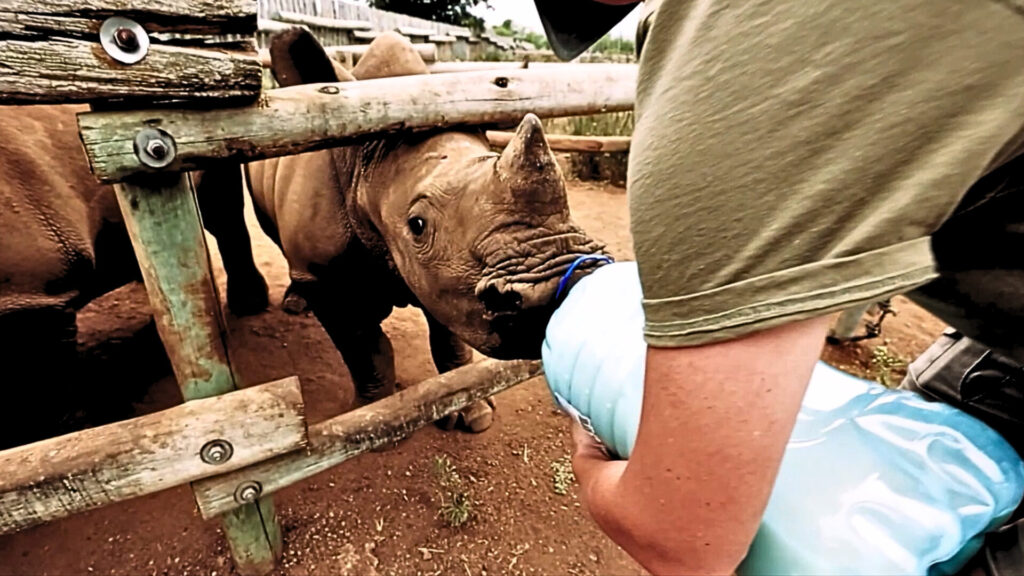
From orphan to wild rhino
One of the most encouraging developments Jonathan shared was the successful release of rhinos that had grown up in the orphanage. He also described a particularly meaningful sighting: one of the released rhinos had reportedly been seen mating with another rhino. For conservationists, developments like these offer hope that the intensive work involved in rescuing and raising orphaned animals can contribute to the future of the population.
The ultimate objective is not simply to keep a rhino alive in captivity. It is to give the animal the opportunity to return to a suitable natural environment and contribute to the species’ future.
Why visit the rhino orphanage?
A visit offers an opportunity to learn about the realities of rhino rescue and rehabilitation, the challenges of raising young animals and the long-term commitment required to return them to the wild. It also helps visitors understand that conservation is not always dramatic. Much of the work happens behind the scenes, through feeding, monitoring, veterinary care and countless hours of dedication.
For families and travellers interested in wildlife, this can be one of the most meaningful experiences to include in a South African safari. It is also a reminder that the people working in conservation deserve recognition for their commitment, expertise and emotional investment in the animals they care for.
3. Discover the work of anti-poaching dog units
Protecting wildlife requires teams with different skills, and trained detection dogs have an important role to play in anti-poaching operations. Guests may have the opportunity to learn about the work of the reserve’s anti-poaching dog units. These experiences offer insight into how the dogs are trained, how handlers work with them in the bush and how their tracking abilities support wildlife protection.
For guests, seeing these teams in action provides a different perspective on safari. Instead of focusing exclusively on the animals being protected, visitors learn about the people, dogs and techniques that help safeguard them. It is an opportunity to appreciate the complexity of modern conservation and the many different roles required to protect wildlife.
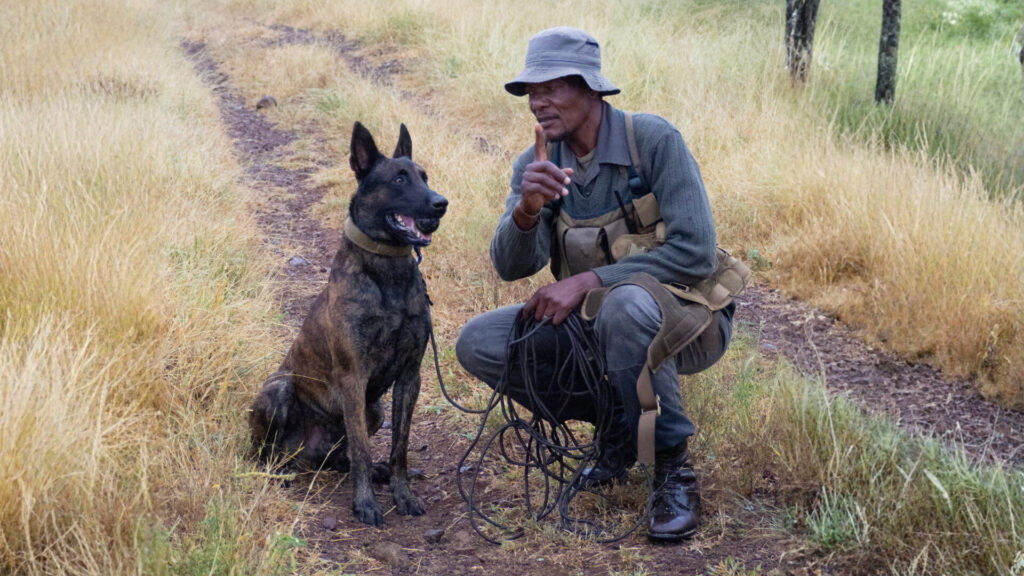
4. Support the role of local communities in conservation
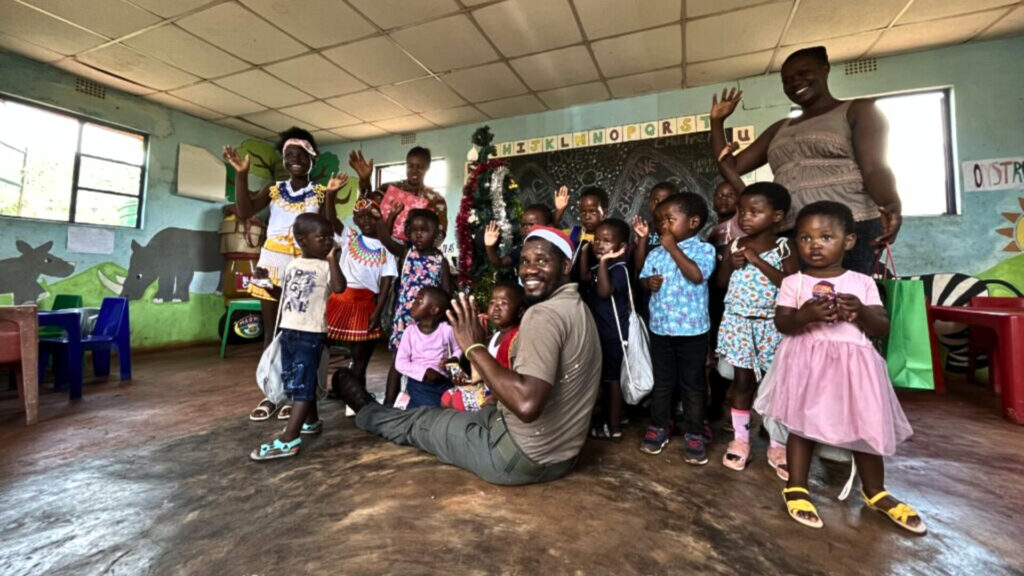
Conservation extends beyond the boundaries of a game reserve. The communities living alongside protected areas are an important part of the long-term success of wildlife conservation. You may also be able to participate in cultural experiences that introduce them to local Zulu communities and rural life in KwaZulu-Natal.
By creating employment opportunities, supporting local businesses and investing in community development, responsible tourism can help provide sustainable livelihoods for people living near the reserve. When communities benefit from wildlife tourism, there is greater potential for them to become active partners in protecting the natural heritage on their doorstep.
Economic opportunity can also help reduce the financial pressures that may lead some individuals to become involved in poaching. While poaching is a complex issue with many contributing factors, creating alternative sources of income and demonstrating the value of living wildlife can play an important role in long-term conservation.
5. Give your time, or make a Donation
When you choose a safari that offers genuine opportunities to engage with conservation, you gain more than an additional activity on your itinerary. You can learn about the challenges facing wildlife, understand the work involved in protecting endangered species and discover ways to support the organisations doing that work.
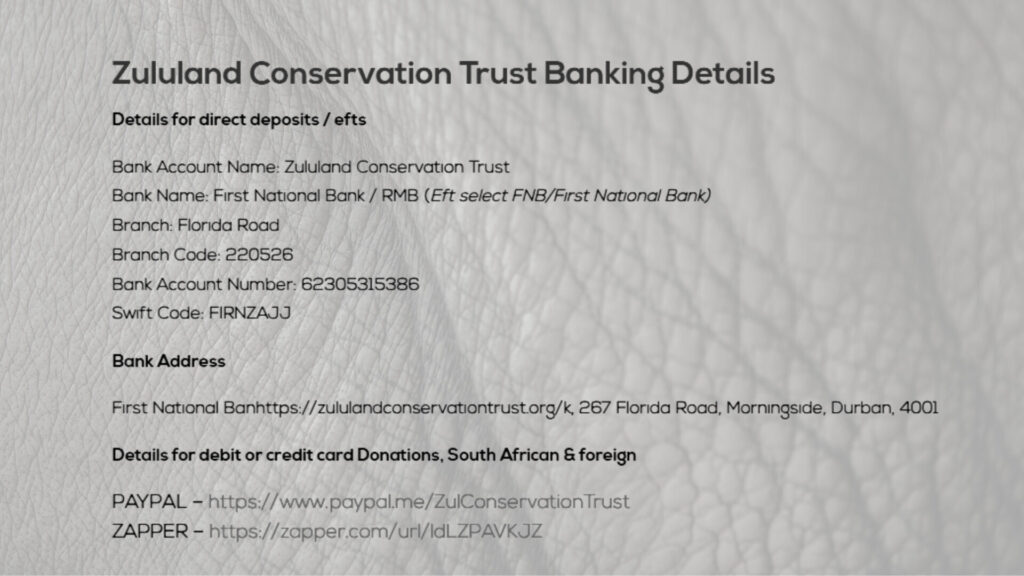
If you would prefer not to participate in an activity such as rhino trimming, a financial donation may be another way to contribute. Jonathan emphasises that visitors should not see conservation activities simply as extra fees. They are opportunities to contribute to a much larger effort. Even when you cannot participate in person, learning about a project, sharing its work and supporting credible conservation organisations can help build awareness of the challenges wildlife faces.
Plan a conservation-focused safari in South Africa
A safari can be an extraordinary holiday, but it can also be an opportunity to learn about the people and projects working to protect Africa’s wildlife.
Contact Safari Online to plan your South African safari and explore conservation experiences that shape a deeper African Safari.