Everyone knows that Zimbabwe’s main attraction is Victoria Falls but not everyone is aware that this thundering world wonder, on its own, is not a great destination for wildlife safaris. Most visitors, therefore, combine Victoria Falls with a safari in neighbouring Botswana, Zambia or South Africa.
Zimbabwe does have heavyweight national parks: Hwange is the most famous and accessible from Victoria Falls but there is a part of Zimbabwe where land meets water in another spectacular way. There’s no waterfall here but there is the biggest man-made lake in the world – Lake Kariba – and on its southern shores lies Matusadona National Park.
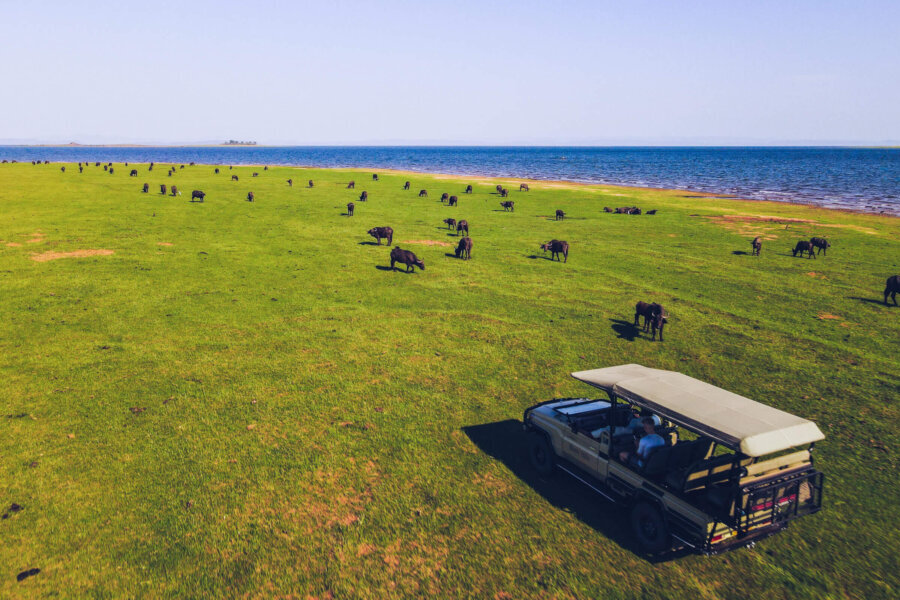
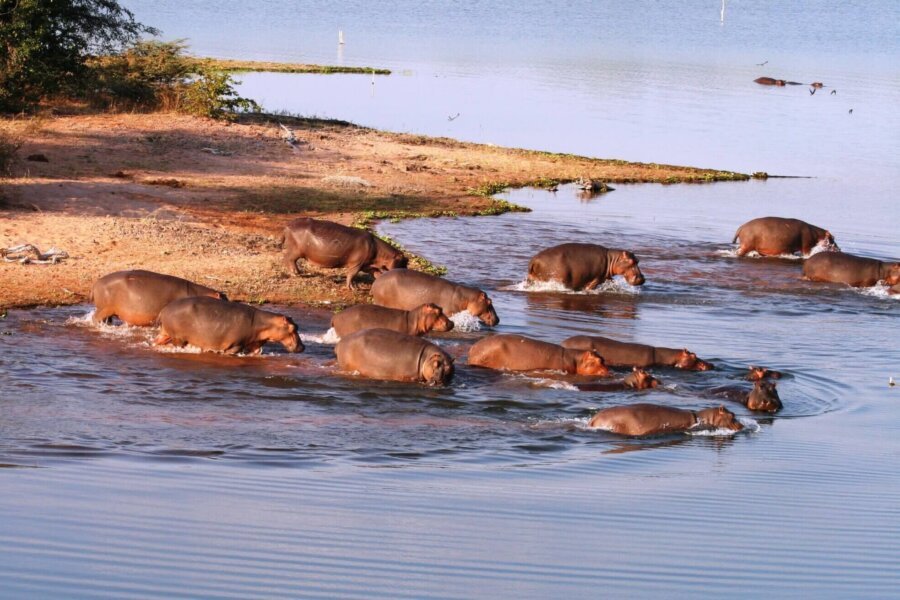
Permanent water and good grazing mean Matusadona can support large numbers of big animals – elephant, buffalo, hippo and many antelope species and that means large numbers of predators too. Lions and crocodiles are well known here, and the park’s varied landscapes support both leopard and cheetah. Matusadona is also a destination for some of Africa’s most endangered animals – wild dog, rhino and sable antelope.
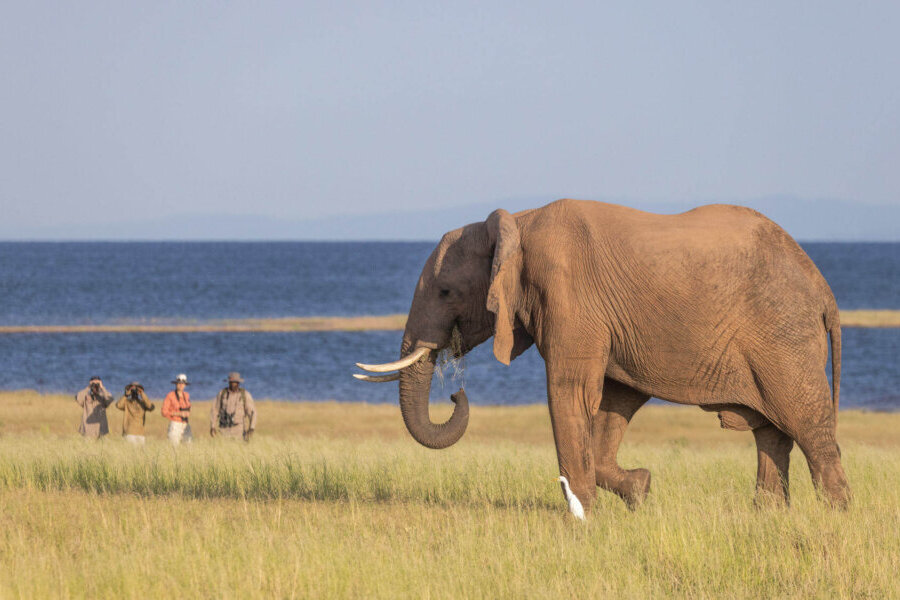
The ever-changing landscape – from grasslands and woodlands to lakeshore and open water – is not only good for bio-diversity (the bird list is 350 species) but also for visitor experience. Several safari lodges are scattered along the lakeshore and their guests combine vehicle-based drives with boat trips and even kayaking safaris. Zimbabwe’s safari guides are some of the most well-trained in Africa and lead walking safaris in the reserve, an excellent way to take in the smaller details – birds, plants and insects.
You can even stay in a private concession within the park and enjoy all these activities with no-one else around, although it must be said that crowds of other visitors are never an issue at Matusadona.
Like many African wildlife reserves, Matusadona National Park has had its share of neglect. Animal populations are not as dense as they are in – for example, Botswana – but a recent partnership between Zimbabwe’s wildlife authorities and international conservationists has resulted in favourable outcomes: animal numbers are up, poaching and illegal fishing are down, and local communities are beginning to share in the benefits of tourism through employment, educational programmes and economic participation.
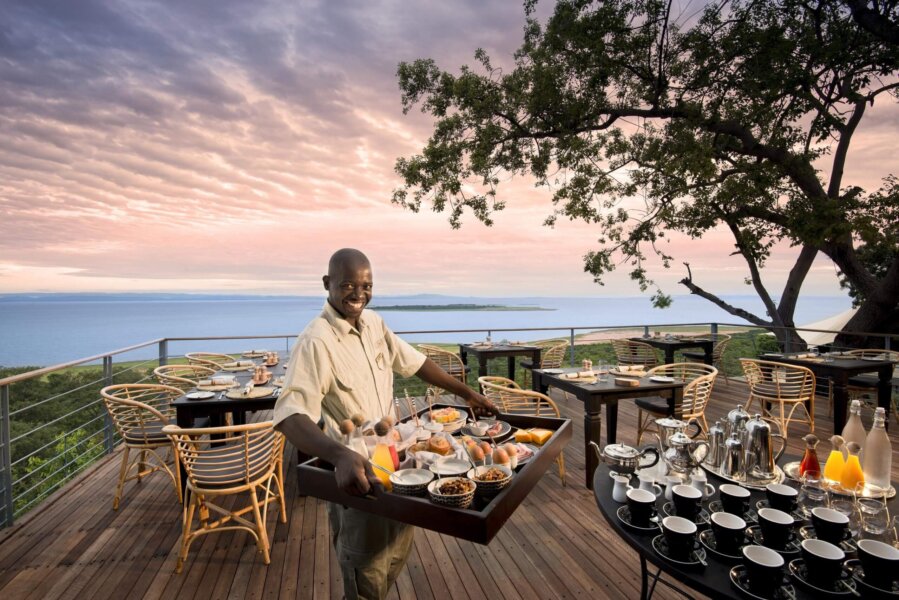
So, is Matusadona worth going to? After all, this is a fly-in destination and you’ll need three or four nights at a lodge to experience it to the full. The answer is no if you are talking about during Zimbabwe’s rainy season – December through March: it’s too wet, too flooded, and too malarial. The ‘shoulder seasons’ of April/May and November have their plus and minus sides but if you are considering a dry season safari (May through October) then the answer is yes.
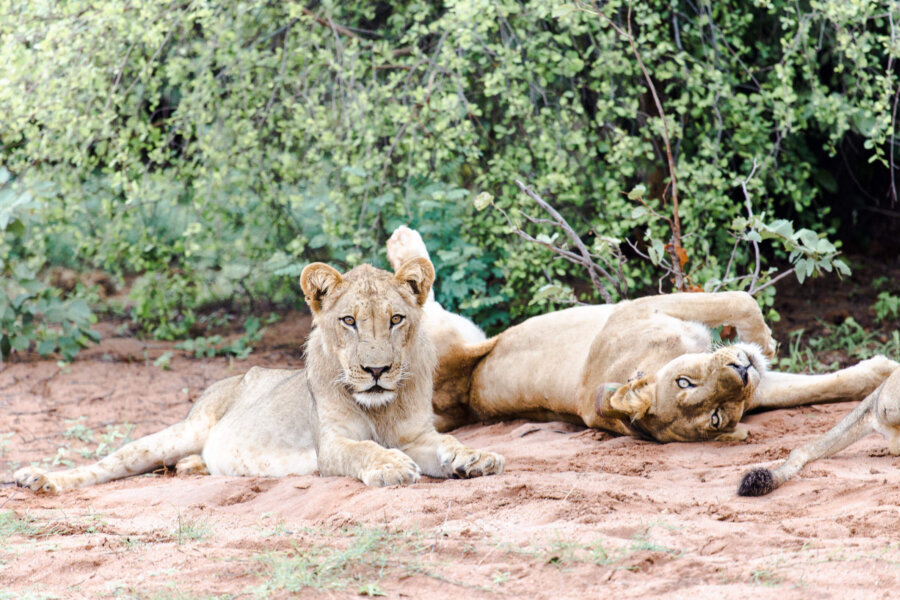
Dry-season Matusadona is what it’s all about: it’s when large concentrations of animals are forced to the shores of Lake Kariba for water and food, and their predators – big cats, crocodiles, hyenas and wild dogs – are lying in wait for them: it’s almost armchair game viewing. The climate is – predictably – rainless and sunny almost throughout the entire dry season but beware of the cold in June and July, and the heat in September and October. If you can handle the heat (the average temperature in October is 33°C/91°F) then these two months deliver wildlife watching at perhaps its most dramatic: desperate, thirst-stricken animals are easy pickings for predators, and your chances of seeing a kill are high.
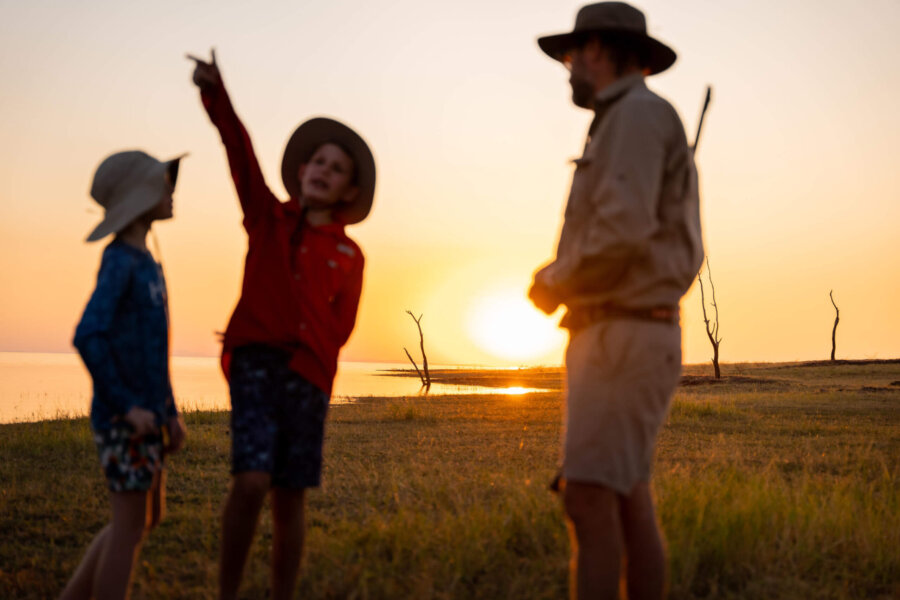
And did anyone mention the sunset? They say that Kariba sunsets are the best in Africa: your writer has been there and concurs. But don’t take my word for it; book a safari to Matusadona and see for yourself.