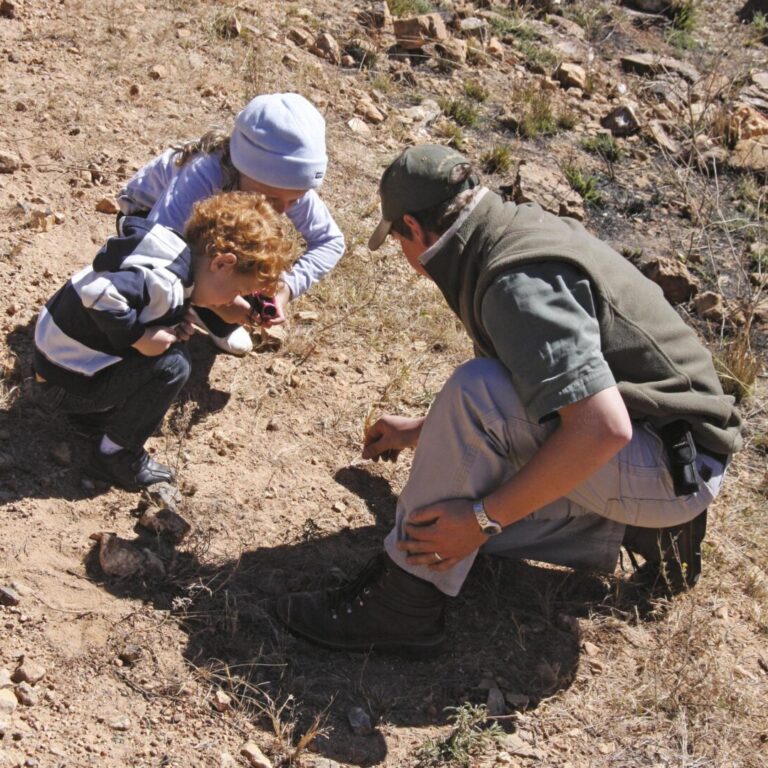
While researching your trip, you may have realised that there are two kinds of walking safaris in Africa. The first is an add-on activity at a safari lodge, a short guided walk in the local area (usually around camp) lasting for a couple of hours in between game drives. The second is a proper walking safari: covering several days on foot with guides and rangers, sleeping in lightweight camps set up on the trail.
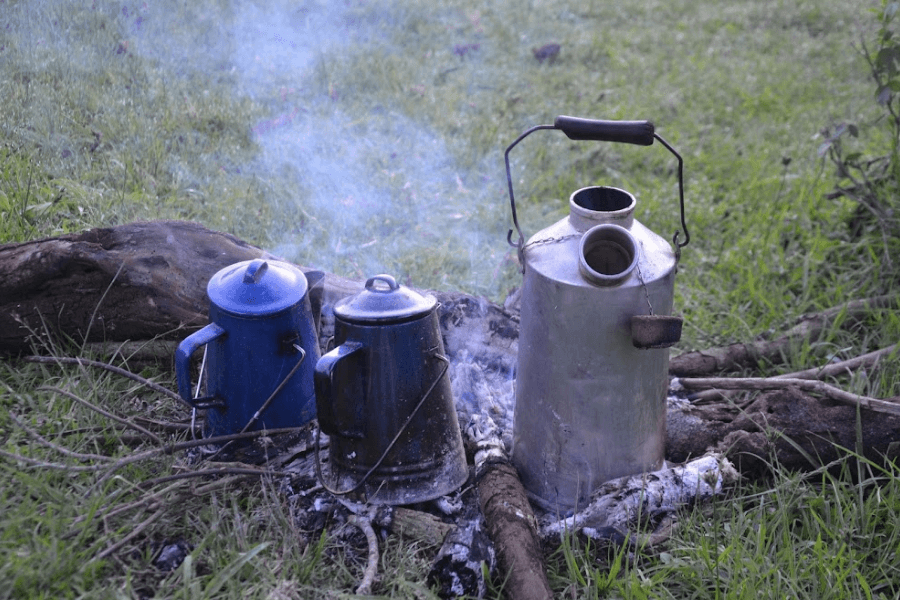
These multi-day walking safaris were once the preserve of Southern Africa – Zambia, the Kruger and Zimbabwe – but now Kenya has joined their ranks. And to make sure that you don’t miss out on any of Kenya’s famously good game viewing, these walking safaris combine with traditional wildlife watching from a vehicle. It’s not too facile to say you get the best of both worlds.
The experience opens – naturally – at the Masai Mara. Speke’s Camp is set on a private concession just a 10-minute drive from the reserve and specialises in wildlife watching from a vehicle. It’s a traditional safari camp – tented suites with en suite bathrooms with an open-sided canvas lounge – that also embraces the modern. Solar power provides 24-hour electricity, there are recharging stations for batteries, and the cuisine is fabulous.
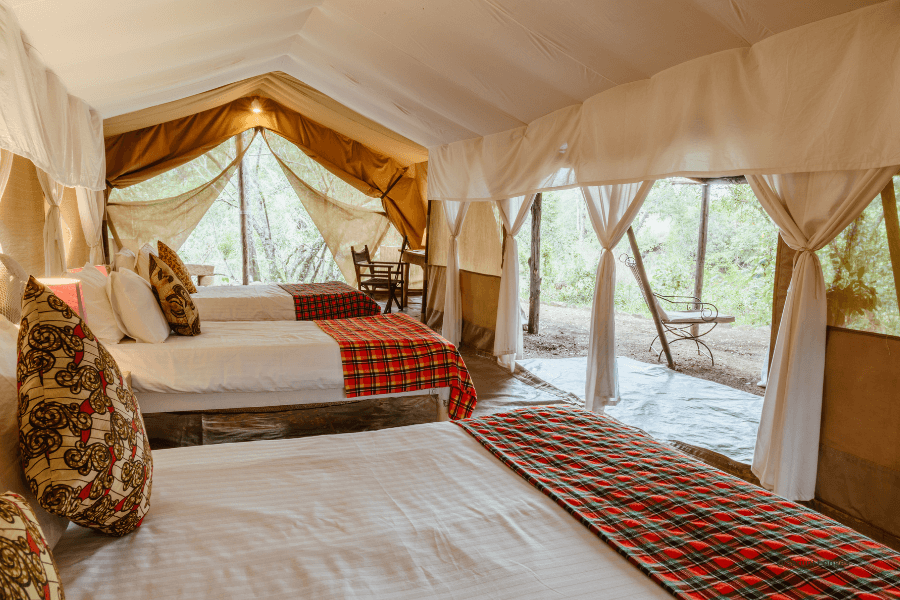
In fact, the cuisine is a little too fabulous and after three nights at Speke’s, you might be ready for a little exercise. The experience now switches from the Masai Mara to the walking component, and that depends on which option you choose when you booked it.
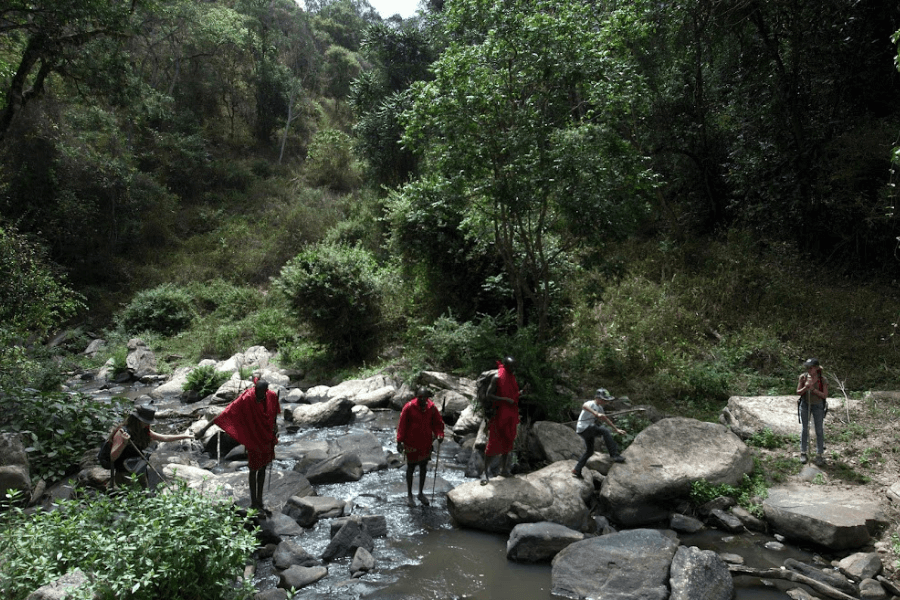
The first walking option keeps the Masai Mara theme. But now, instead of being in a 4X4, you’ll be walking with Maasai guides and sleeping for three nights in a ‘fly-camp’ – a temporary safari camp with all the luxuries you need but without the heavy footprint. There are various routes to choose from, taking in forests, waterfalls and the edge of the Rift Valley itself, highlighting Maasai culture as well as providing wildlife and bird sightings. The pace is easy and you only carry a day pack (the camp moves ahead on donkey-back).
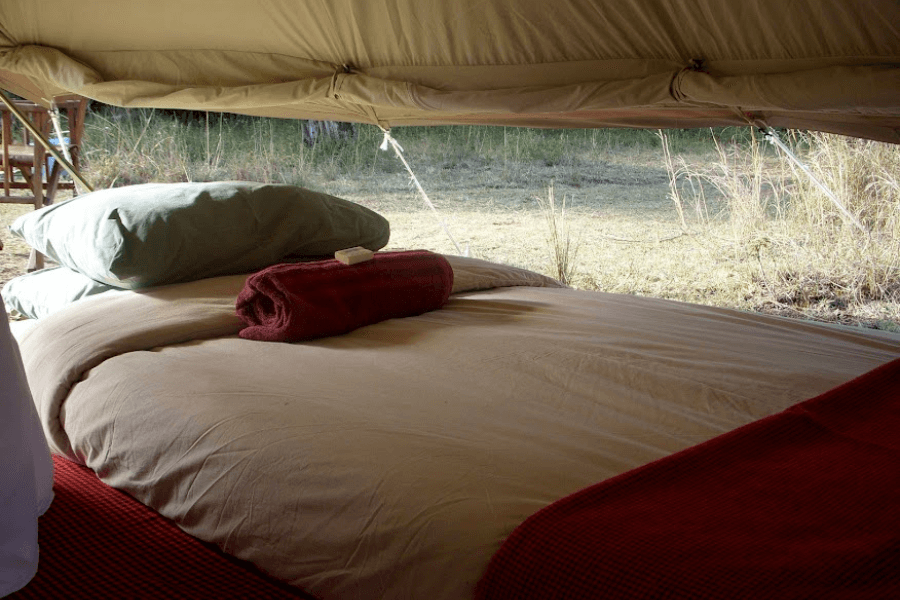
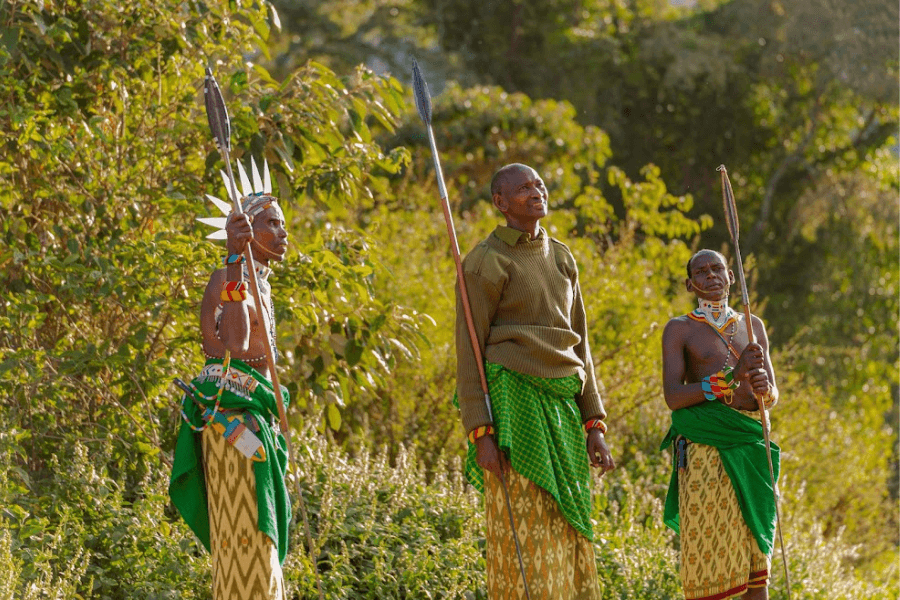
The second walking option is quite different. Hosted by the Samburu people in a rugged rocky landscape of dry river beds and forest, you’ll be met by guides (and their luggage-transporting camels) after flying in from the Masa Mara. Lace up your boots: it’s a four day hike in the wild country of the Matthew’s Range, taking in fly-camps and the comfort of Kitich Forest Camp, a small and subtly comfortable bush camp overlooking a forest clearing where elephants and buffalo are seen.
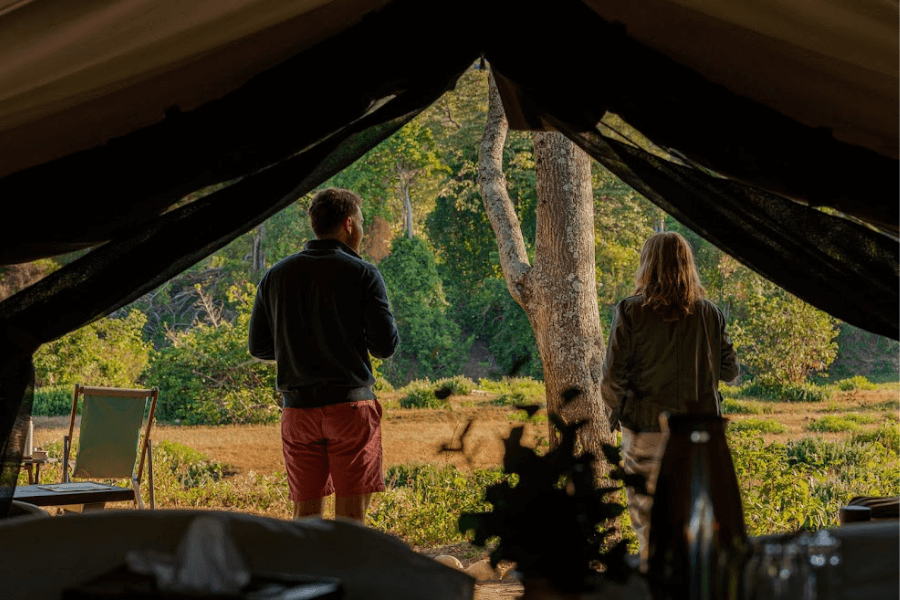
Both walking experiences are guided, your luggage is portered, and the camps are fully staffed; you don’t need to bring much equipment other than boots, a day pack and water bottle. The distances are enjoyable with no individual day’s hike lasting more than four hours or so, leaving you time to catch up on sleep, swim or watch animals. There are African stories around the fire, night-time stars to watch and different cultures to interact with and perhaps learn from.
Who is this experience aimed for? Adventurous hikers and walkers with a passion for wildlife and culture would be the obvious answer but these are two itineraries that suit a family with children from about the age of six and upwards as well. Each booking at Speke’s Camp gets a dedicated guide and private vehicle, and the walking safaris can be tailored to suit any kind of group and age. And if the attraction of hiking wears off, there’s also quad-biking, bush picnics and village visits offered at Kitich Camp.
Finish the experience with – say – two or three nights at Diani Beach on Kenya’s Indian Ocean coast and you have a safari and beach holiday with multi-day hiking; did I say best of both worlds earlier? I meant all three.