
A safari shoulder season is essentially the time between peak and low season. And since the shoulder season edges both peak and low, it carries with it aspects of each. For example, you should see better wildlife during a shoulder season than a low season, and while there may be rain in the shoulder season it’s not as much as what’s coming.
And prices reflect this. If you go on safari during peak season, well, you can expect peak prices. Low season prices, on the other hand, are there for a reason – it’s rainy, or the animals have moved on, or it’s flooded. Shoulder season prices often lie between the two, delivering top destinations at reduced rates but without risking days of rain or no animals. Think of it as the best compromise between experience and cost.
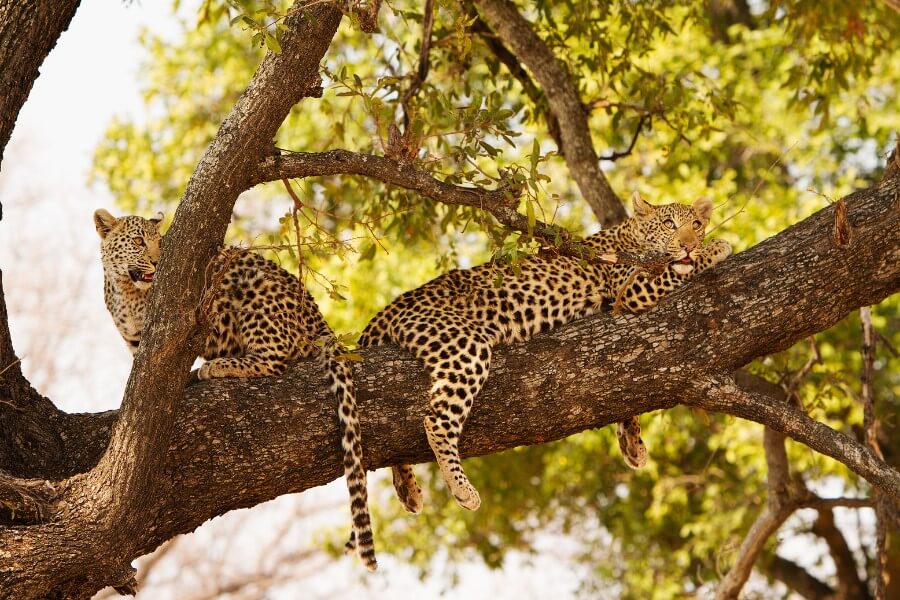
So far so good but now the tricky part: when are the shoulder seasons? And surely they are different according to destination? Let’s start with southern Africa.
Southern Africa Shoulder Season
The safari destinations of southern Africa – Namibia, Zambia, Botswana, Zimbabwe and South Africa – share a similar climate and the travel seasons are built around it. Peak season is generally between July and October when it is driest, mildest (for some of it) and when the game viewing is traditionally the best. Low season is usually December through March when the bulk of the year’s rain falls. And that leaves November, as well as April, May and June – the shoulder seasons.
November is an interesting month. It’s the start of the rainy season but it shouldn’t affect your game viewing too much. The big rains are yet to come but the promise of them has triggered greenery to burst out of the ground, and as November moves into December, tens of thousands of baby antelope are born, attracting predators ranging from lions to jackals. Migrant birds are arriving in November – colourful rollers and bee-eaters among them – and animal herds begin moving – zebra in Botswana, elephants in Zimbabwe, wildebeest in Zambia.
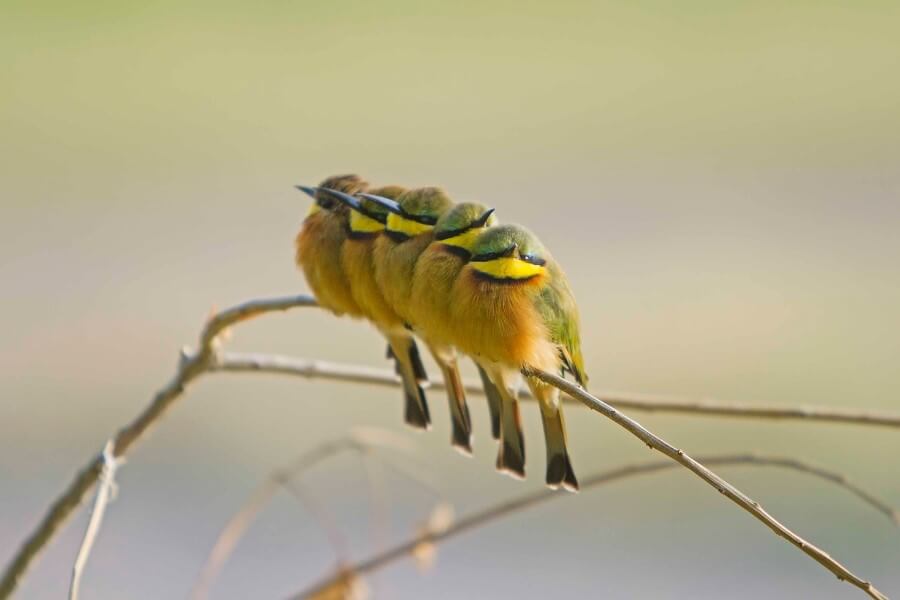
The April, May and June shoulder season is the opposite climate: the rains are now ending, almost completely by June. The temperatures are dropping too, and with it the risk of malaria. Southern Africa is drying up and animals are returning to the permanent water of peak season destinations; it’s also when Victoria Falls is at is most visually impressive.
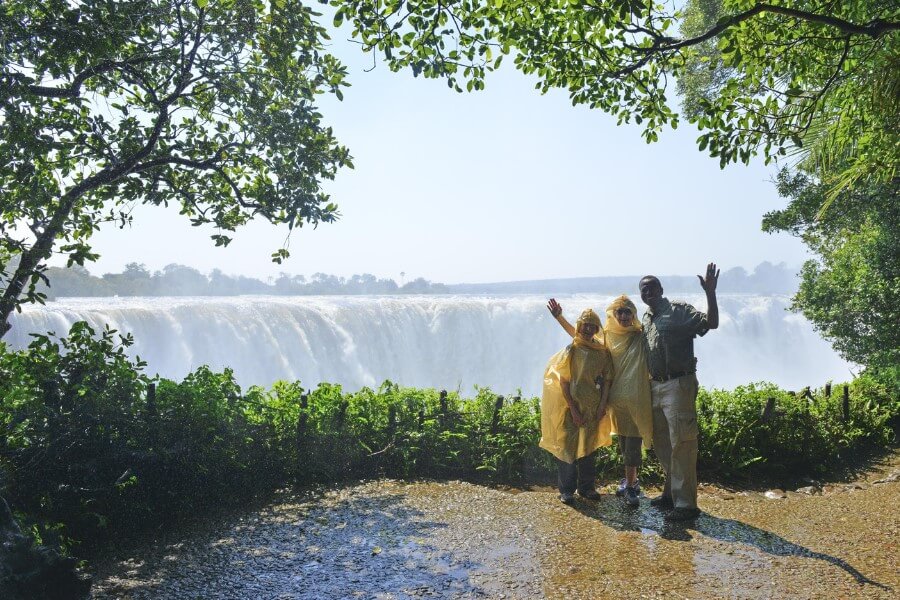
There’s a bit of expectation management to do: November shoulder season coincides with the lowest water levels at both the Okavango Delta and Victoria Falls, and it’s only during the July – October peak season that you will see thousands of elephants concentrated at Botswana’s Chobe River. Water levels in the Okavango Delta are also quite low in the April and May shoulder season; it pays to do some research to find safari camps located near permanent water if you want to do boating and canoeing at this time. Conversely, many Zambian lodges are closed in April and May because they are still flooded out from the summer rains!
East African Shoulder Seasons
East Africa’s safari destinations – Kenya, Tanzania, Uganda and Rwanda – are perhaps most visited for their specific wildlife event: the wildebeest migration in Kenya and Tanzania, and gorilla trekking in Uganda and Rwanda. The safari seasons, therefore, are associated with whenever the best months are for the event; peak season migration, for example, sees you on the Serengeti savannah surrounded by tens of thousands of wildebeest; low season means they are gone. And peak season gorilla trekking means the driest weather; low season means it’s raining pretty hard.
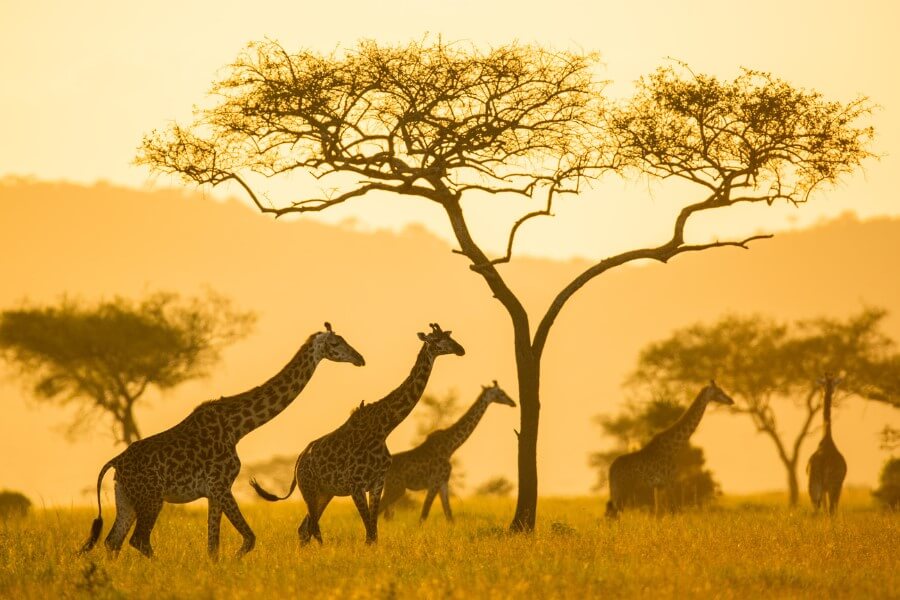
So where does that leave East Africa’s shoulder seasons? In the Masai Mara and Serengeti, prices are more affected by whether the wildebeest herds are there or not but, in general, Kenya and Tanzania have a shoulder season in January, February and March (lying between their two rainy seasons). It is certainly a time to take advantage of for a safari, especially since it is also the antelope calving season. Destinations such as the Masai Mara and Serengeti are always rewarding no matter the time of year, and you’ll avoid the crowds of peak season at places like the Ngogorongoro Crater and Tarangire National Park.
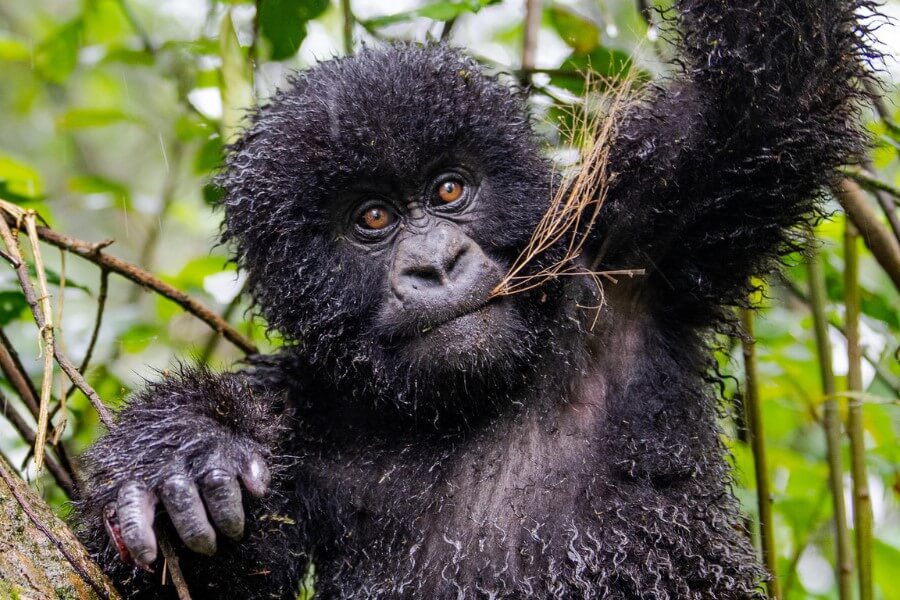
As for gorilla trekking in Uganda and Rwanda, the shoulder seasons are better thought of as a period between some rain and a lot of rain, and it is rain that usually determines how difficult your jungle trek will be. June, for example, sees drier weather than the months before but it’s not as dry – or expensive – as July and August. The same is true for December – not as good as January and February for gorilla trekking – but close enough to it, and you’ll probably find it easier to obtain your trekking permits.