
Like two great heavyweights squaring up in the ring, it’s hard at first glance to know who to put your money on. Botswana – with its reputation for predators and big herds of big animals – versus Kenya, home to the original safari, the land of the great wildebeest migration. But like the two boxers, each has its strengths – and weaknesses. If you’re trying to decide whether to go on safari to Botswana or Kenya, then take a little bit of ringside advice.
1st Comparison Point – Getting There
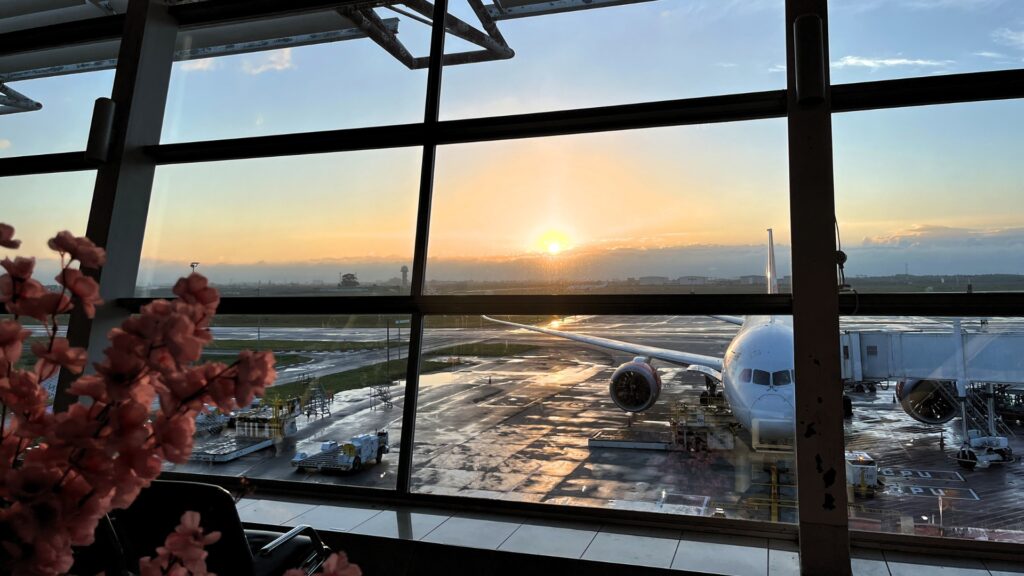
Kenya is closer to Europe than Botswana but it’s only a couple of hours more in the air to reach Botswana, usually via Johannesburg. Kenya is however, generally easier and quicker to reach for safari travellers from North America, Australia and Asia.
2nd Comparison Point – Internal Travel
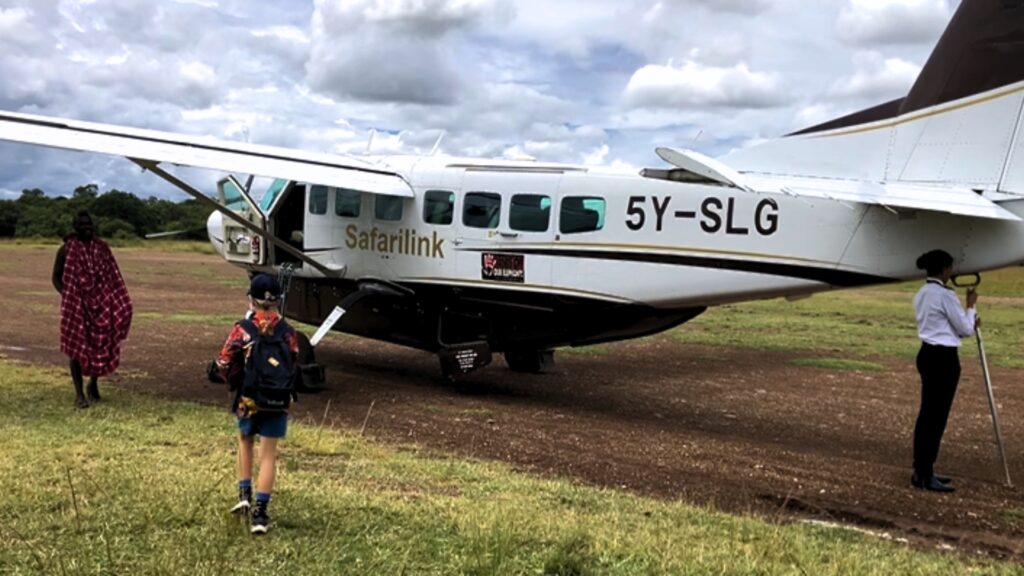
After arrival at international airports in Botswana and Kenya, you’ll transfer to domestic flights, charter aircraft and/or 4X4 vehicles to travel to and between camps. Kenyan safaris often necessitate a night in travel hub Arusha before/after your safari. Moving between regions often means longer travelling times and domestic flights, connections through Nairobi but is dependent on the season.
3rd Comparison Point – Wildlife
Both countries have excellent wildlife populations in their most popular parks – Kenya’s Masai Mara and Botswana’s Chobe National Park for example – and both have wilder reserves with different animals where fewer visitors go: Kenya’s Samburu and Tsavo reserves, and Botswana’s Kalahari and Makgadikgadi Salt Pans are good examples.
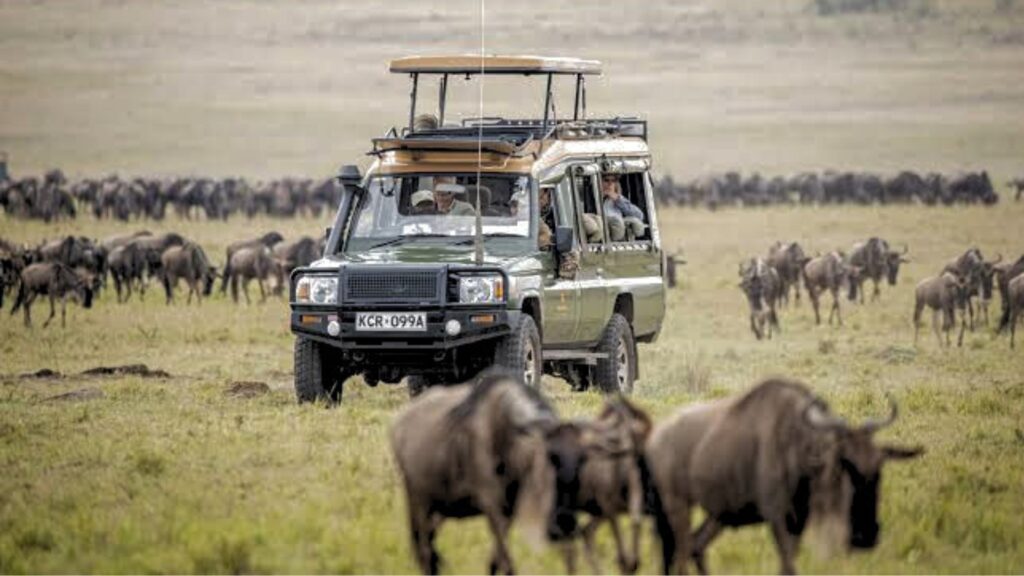
Kenya’s biggest drawcard is the Great Wildebeest Migration, and there are also a lot of big cats. In the Masai Mara Conservancies and other wildlife regions in Kenya: Wildlife is often seen alongside cattle which is very different to Botswana and an increasingly common reality. Livestock can be seen alongside diverse wildlife, including elephant, lion, and endangered species. This is certainly unique. Botswana counter-punches with its little-known Zebra Migration and the admirable fact that a third of all African elephants live within its borders: if you want to see elephants, go to Botswana, you will be in the Wilderness and not see cattle or life-stock but be in a true Wilderness setting, often far from any towns or communities.
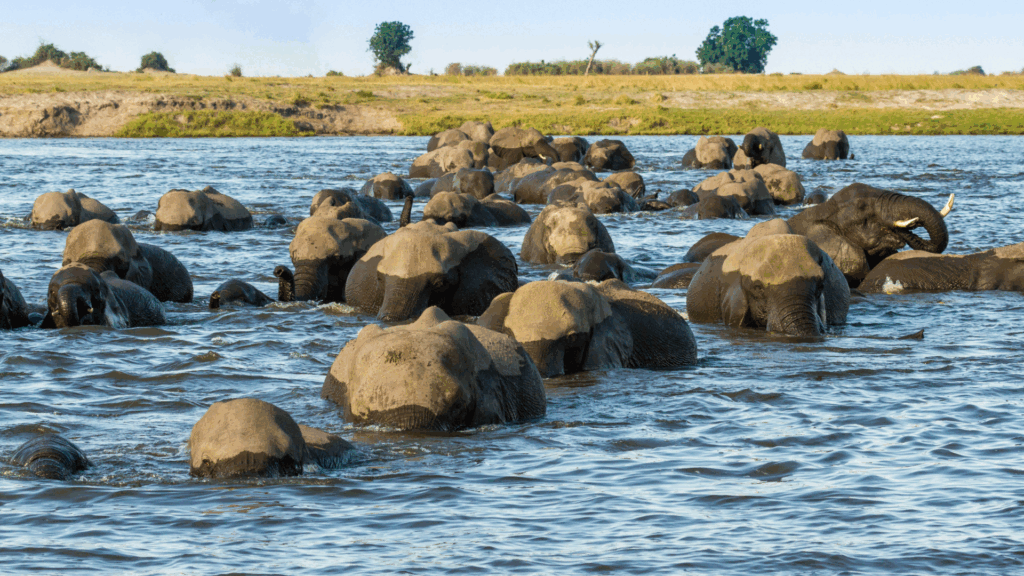
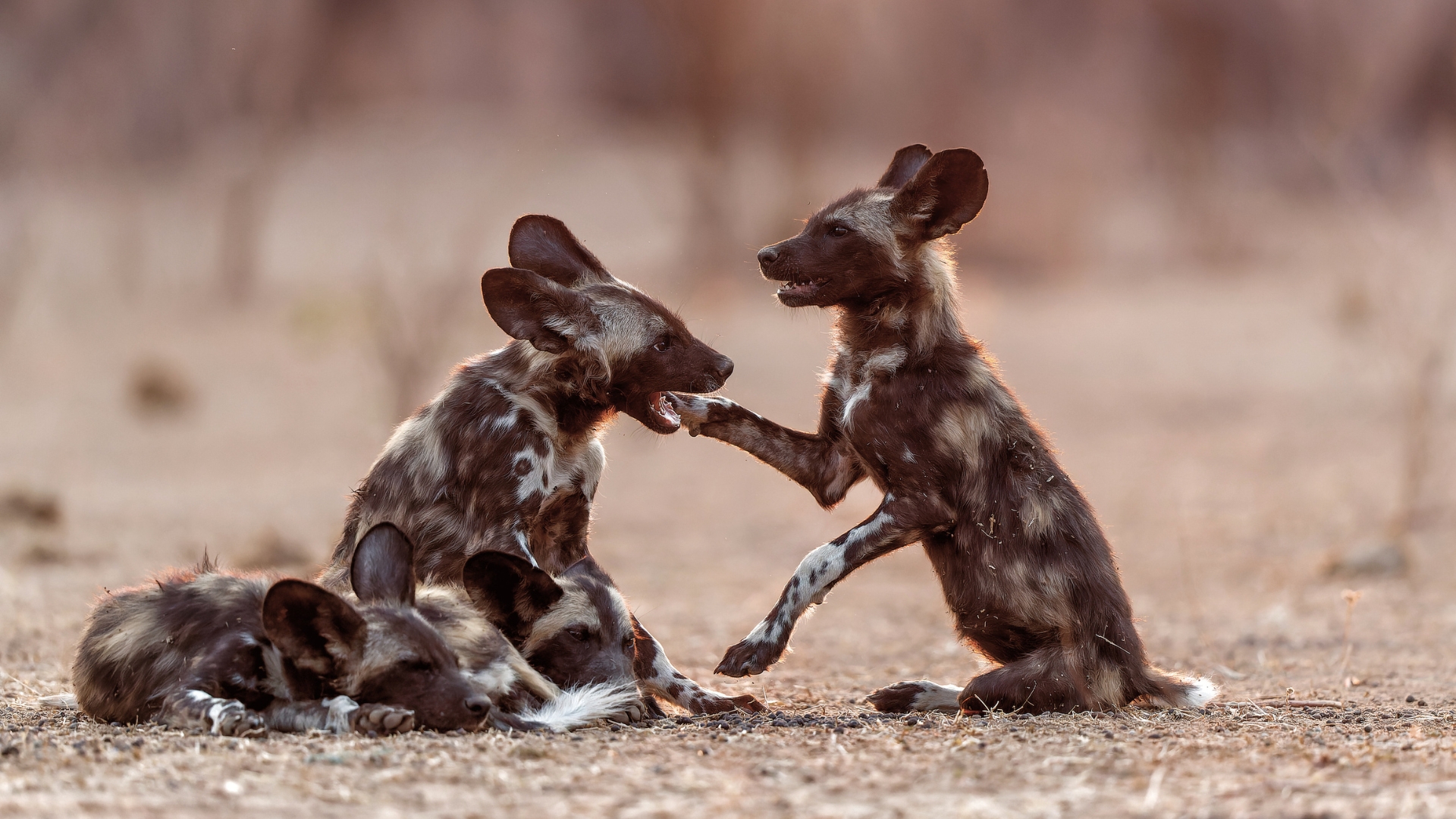
A few details: Both countries are good for predators but Kenya has both black and white rhinos while Botswana has neither though it does have more freshwater habitats (including the magnificent Okavango Delta) as well as the best reputation for African wild dogs. Both are excellent birding destinations.
4th Comparison Point – Safari Activities
A day on safari is built around morning and afternoon drives in 4X4 vehicles though Botswana vehicles tend to be more open-sided than their Kenyan equivalents. And although Kenyan lodges do offer other activities such as hot-air balloon safaris and guided walks, it is in Botswana that you’ll find a greater range of safari activities, not least because of all the water available. The cultural aspect in Kenya adds a very special dimension but the diversity of activities is the draw card in Botswana. Please note that in high season many regions of Kenya are crowded – especially the reserves themselves. Choose wisely to avoid the crowds and don’t make everything about the Great Migration – there is so much more in Kenya.
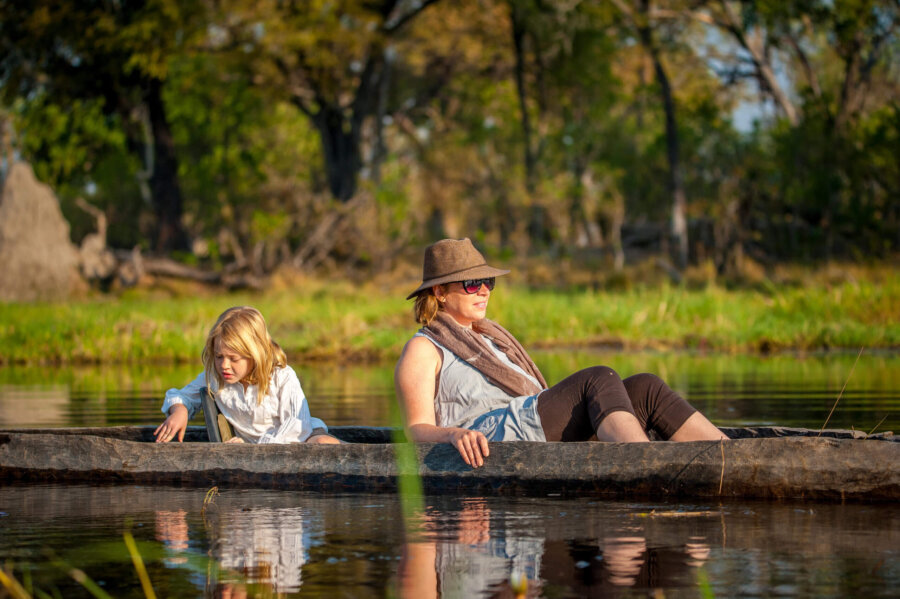
Water-based camps in Botswana emphasise the water experience – motorboat, traditional canoe and fishing – as well as walking safaris, walking with Khoisan Bushmen and even spot-lit night drives in private reserves. Both countries cater for families with children where you’ll find lodges with activities designed for kids: animal tracking, archery, fire-making and homemade pizzas.
5th Comparison Point – The Cultural Experience
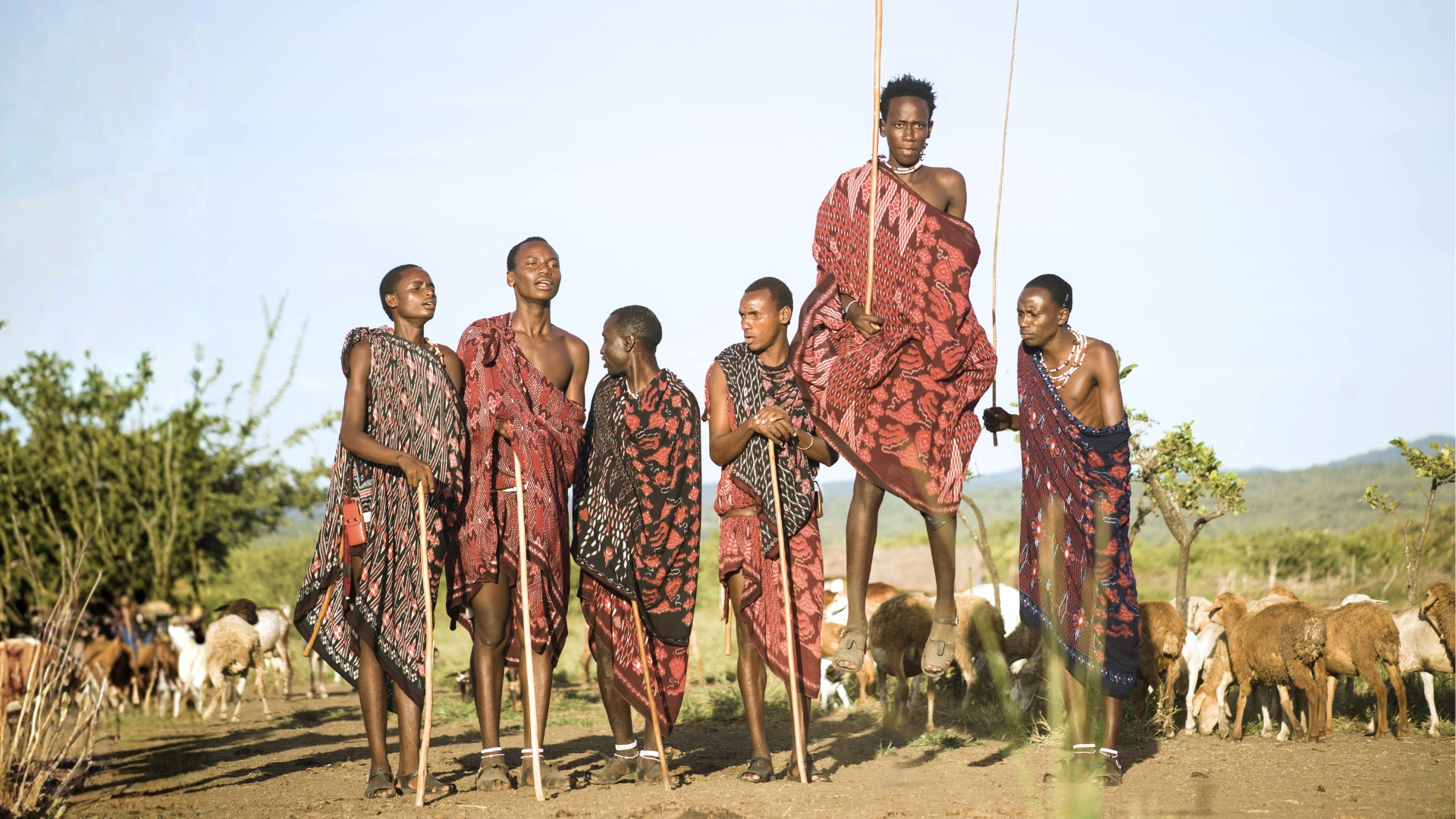
You are hitting on one of Kenya’s biggest advantages. While Botswana offers unparalleled wildlife isolation, Kenya gives you a deeply human, living history that is woven right into the landscape. You aren’t just looking at animals; you are sharing the land with communities that have coexisted with them for centuries. The Masai and Samburu tribes add a unique dynamic to the experience.
By contrast, Botswana’s history with the indigenous San (Bushmen) of the Kalahari is fascinating, but community-led cultural immersion is less obvious on a standard delta safari. In both countries your safari guides, trackers, and camp staff are frequently from the local communities. They are sharing their daily lives, their deep ecological knowledge, and their ancestral stories.
6th Comparison Point – Budget & Style
Kenya operates on a tiered model that accommodates all budgets and styles. Because of its accessible national parks, options range from budget-friendly overland camping and mid-range permanent lodges to ultra-luxury private villas. For this reason it is accessible to many tourists and the Masai Mara Reserve can get crowded – especially in high season. This can seriously impact the experience if not the right camp or lodge is chosen – to avoid the crowds.
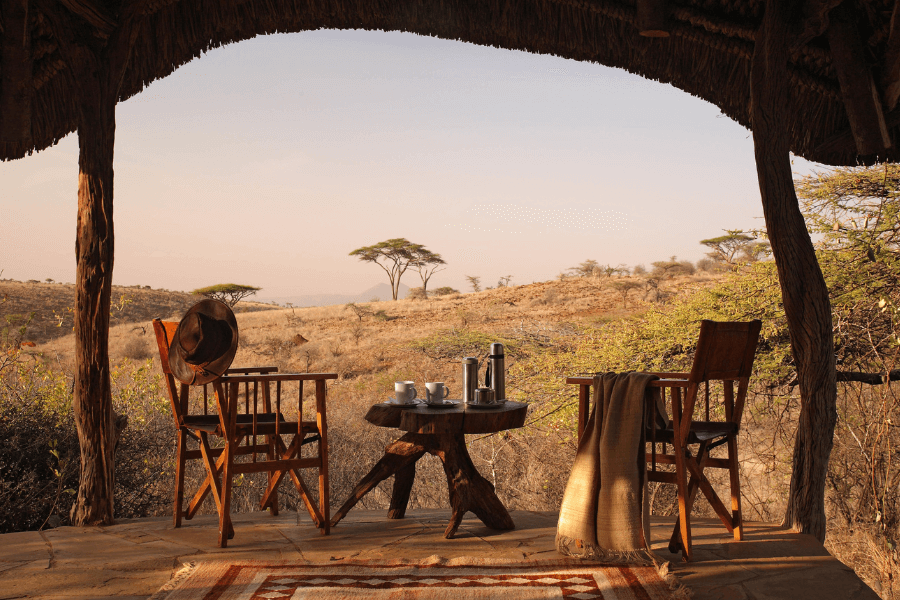
Botswana enforces a strict “low-volume, high-cost” policy that caters almost exclusively to luxury travel with a focus on pure nature. To protect fragile ecosystems, permanent brick-and-mortar lodges are rare; instead, the infrastructure consists of intimate tented camps designed to be fully dismantled without leaving an environmental footprint. This limited bed capacity and eco-focus naturally makes Botswana very special but midrange, luxury and deluxe pricing is very similar to Kenya.
7th Comparison Point – When Should You Go?
Botswana has an easier safari calendar: the rains finish in May and it’s dry until the end of October, making wildlife viewing the easiest and best of the year. Go May through August for the mildest conditions but higher prices and more visitors. If you can handle the heat, go in September or October for dramatic wildlife encounters. Or shoulder season months of April and November offer great value. Botswana’s zebra migration is however a summer affair – November to April – when the Kalahari region explodes into life.
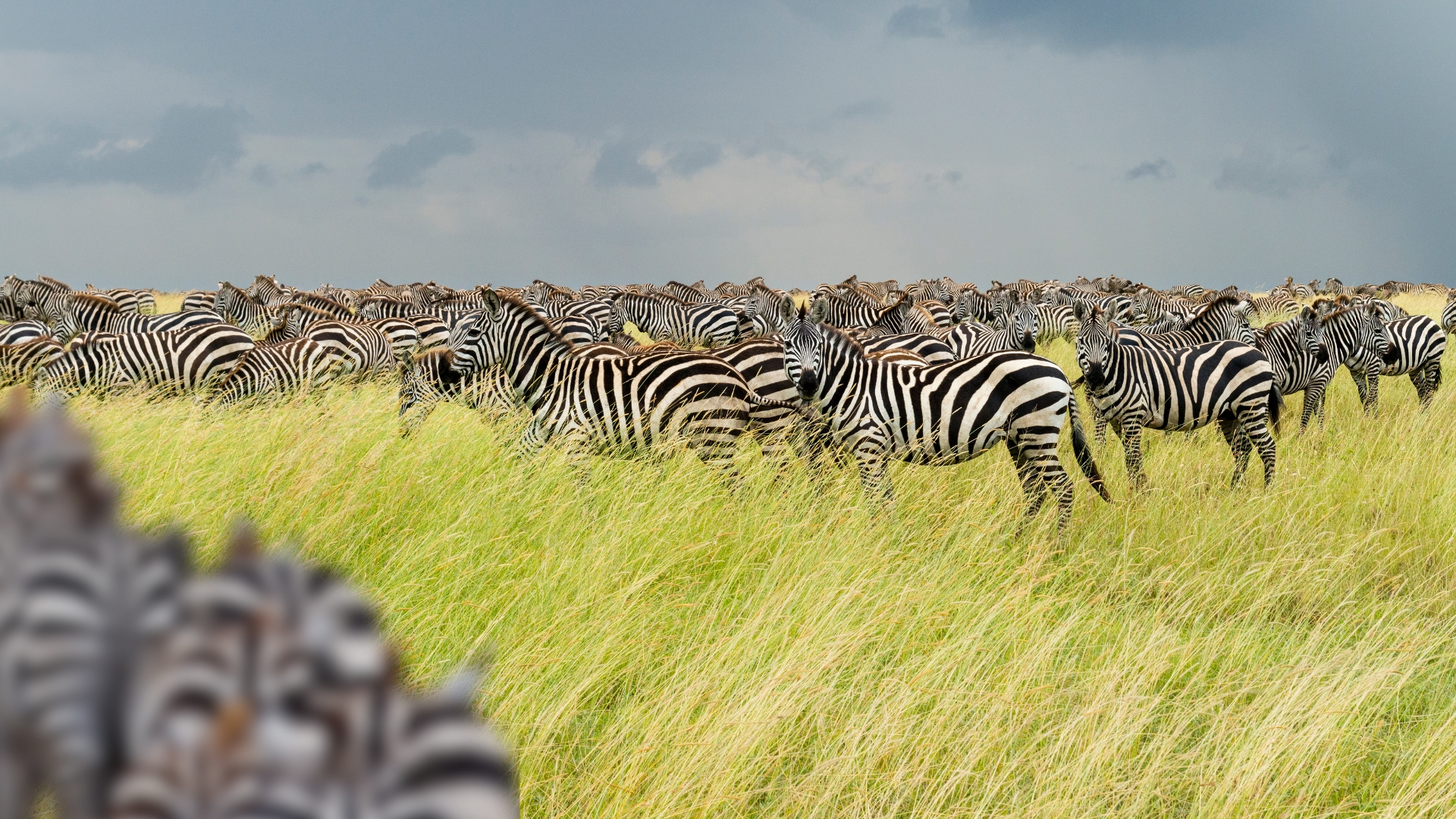
Kenya is more complicated: it has two rainy seasons and a wildebeest migration that follows it. January through March is peak safari season for both climate comfort and wildlife viewing but visitor numbers are high and you’d be wise to visit a private concession for a more exclusive experience. The wildebeest migration, however, moves into the Masai Mara only in July, and the herds remain there until November.
If you are adding a Kenya beach holiday onto your safari, the best conditions for diving and snorkelling are found between October and January.
8th Comparison Point – Safety
Given that tourism is so central to each country, both Kenya and Botswana ensure a very safe environment for their visitors. Kenya’s political challenges have never spilled out into tourism, and Botswana is one of the safest countries in Africa, with crime against tourists virtually unheard of. Safari operators and air charter companies are of a very high standard in both countries; all guides are professionally trained and certified.
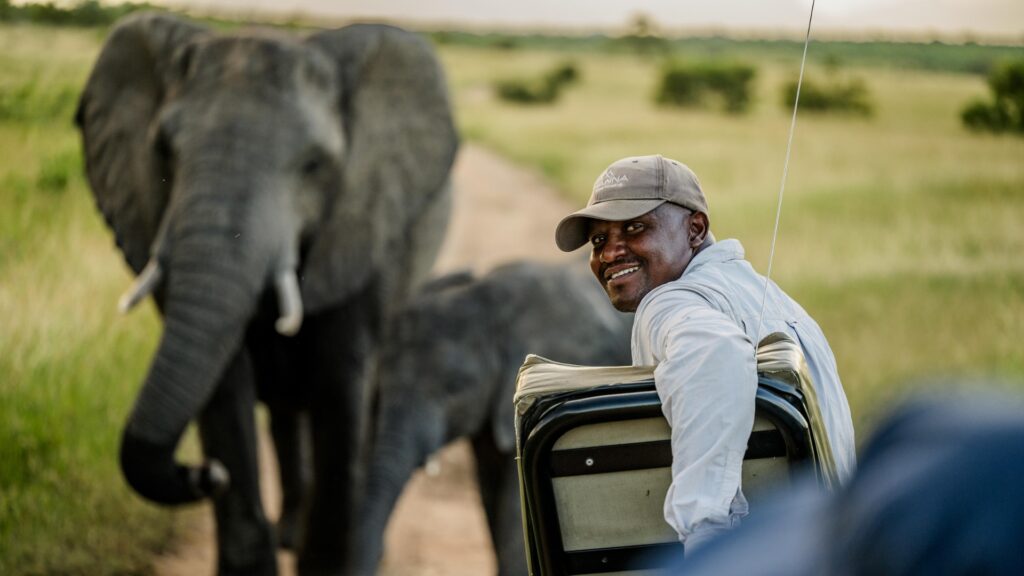
More relevant to your safety are two things: large dangerous animals, and malaria. Both Kenya and Botswana accommodations tend to be unfenced, with the possibility of animals in camp (usually at night), but incidents are extremely rare and you’ll be escorted to and from your suite if requested.
Malaria is present in both countries but less of a risk in Botswana due to its tiny population and remote parks; Kenya’s top safari destinations (Masai Mara, Laikipia Plateau) are in elevated regions where malaria is less of a threat than at lower altitudes or the coast. The risk of malaria is much reduced when you travel during the dry seasons.
10th Comparison Point – Add-on Destinations
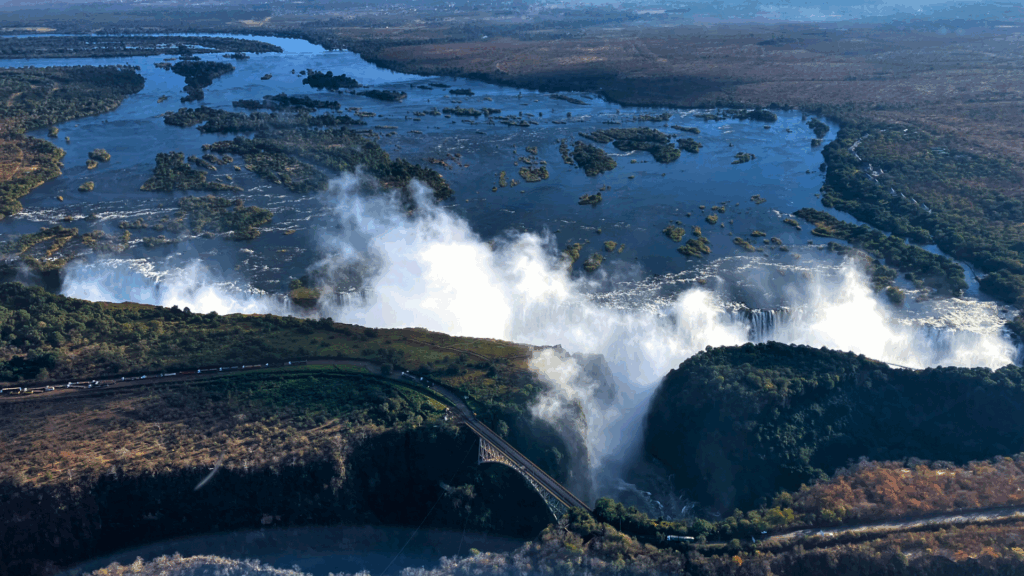
Now it gets interesting as we get to the final round. Botswana opens with a couple of classic add-on destinations: Victoria Falls – which you generally drive to from Botswana’s Chobe River area – and Cape Town to which you’ll fly. Victoria Falls is a great finale to a Botswana safari and a honeymoon favourite; Cape Town is just as popular and adds wine-tasting, whale watching and penguins to the itinerary.
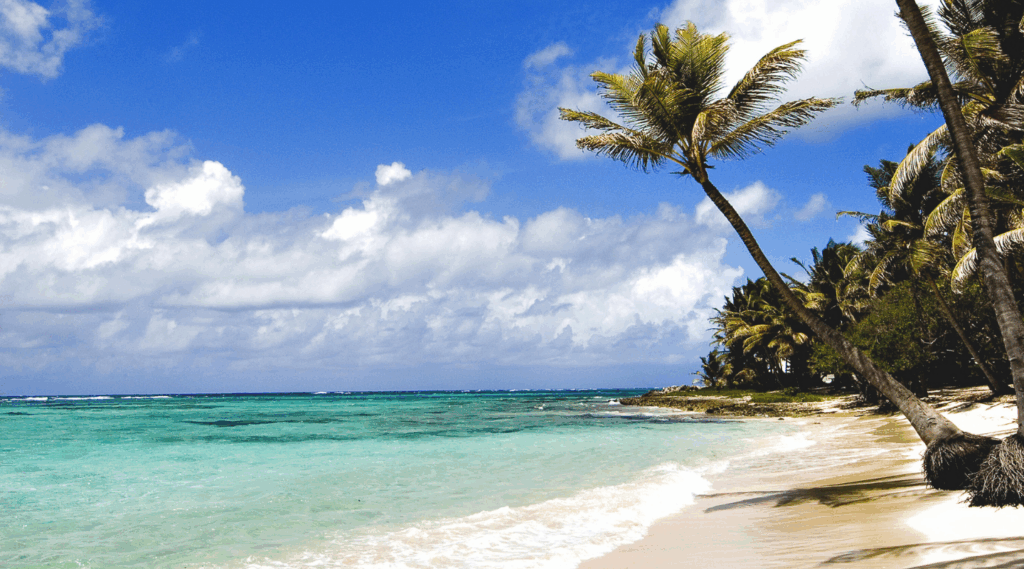
Kenya on the other hand delivers something that Botswana can’t: an Indian Ocean beach holiday. Of course, you can fly to the coast from Botswana (Mozambique would be easiest) but a Kenya Beach and Bush holiday is seamless and you have the choice of mainland resorts or island lodges.
Kenya also has easy access to Mount Kilimanjaro if you are planning to hike to the Roof of Africa, and you are better placed in Kenya to combine a safari with Gorilla Trekking in Uganda and Rwanda.
10th Comparison Point – Experience
Example Botswana: Immersive, wilderness-focused, water-based experiences and diversity of activity and regions. Perfect for those seeking authentic African experiences beyond traditional game drives. Due to the regions being close together it’s a simple short flight to next destination and max 1 hour. Therefore, a relaxing holiday without travel days in between and seamless safari.
Example Kenya: Perfect for first-time safari-goers or those seeking Big Five encounters. The great migration attracts crowds and therefore it caters for all budget ranges. It can get somewhat crowded inside the reserve, but it has more private conservancies next to the reserve. Consider reading our blog Reserve vs Private Conservancy. With some of the regions being far apart you might have 4-5 hours to travel to the next region as they are far apart.
10 Takeaways for Decision Making
Get our instantly downloadable comparison chart for you to take in all of this information and see it clearly, side-by-side.