One of the biggest decisions to make when planning an African safari is where to go: Southern Africa, or East Africa?
Sure you can do both, but that’s a big trip with lots of travel; most safari travellers keep it to one region or the other. And that makes sense, because the safari seasons of Southern Africa and East Africa are not aligned, in the sense that peak season in, say, Botswana (mild, dry weather and amazing animals) is very different to that in Kenya or Rwanda, where it may be peak rainy season.
The Southern Africa safari seasons are relatively simple: Botswana, Namibia, South Africa, Zambia and Zimbabwe spend most of the year under dry sunny skies and have a single, short rainy season. East Africa’s safari destinations – Kenya and Tanzania – on the other hand, have a bimodal system: two rainy seasons a year! And of course, the mountain rainforests of Uganda and Rwanda have something of a permanent wet season, but with marked seasonal differences in rainfall.
Time to unpack East Africa’s safari seasons: each is quite different to the others, and each – like in Southern Africa – develops a character of its own. Peak season, for example, is not to everyone’s taste (and certainly not pocket) whereas the wet season is actually preferred by many photographers for its kinder light and vibrant colours.
SUNNY DISPOSITION: JANUARY – MARCH
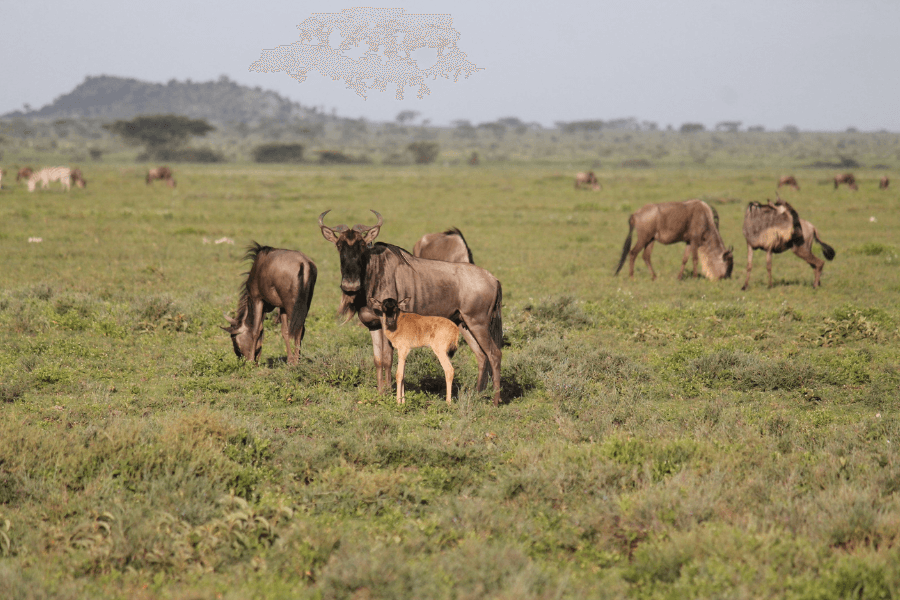
Warm mostly dry and with lots of sunshine, this is peak safari season in Kenya. Animals are concentrated around water, vegetation is low and sparse, and predators are circling. But at this time of year, the famous wildebeest migration is in Tanzania’s Serengeti, moving southwards following the end of year rains. Book a Serengeti safari for the dramatic birthing season: it’s one of the best times to watch predator/prey interaction.
The drier weather extends across the region: it’s also one of the best times to hike Kilimanjaro and if gorilla trekking is on your bucket list, NOW is one of the driest times in the forests of Rwanda and Uganda, making walking easier and gorillas easier to locate.
GREEN MINDED: APRIL – JUNE
It’s green because it’s wet. This is the time of the ‘Long Rains’ and some of the more remote and wild reserves in East Africa are worth avoiding; accommodations may be closed anyway. Gorilla trekking becomes more difficult, and in Kenya and Tanzania’s reserves, wildlife tends to disperse across wider areas, making animals more difficult to see.
Except the migrating wildebeest. Take advantage of low season prices and visit Tanzania where huge trains of wildebeest are making their way across the Serengeti to what is the most exciting time of the migration. You’ll also have other classic destinations almost to yourself: the Ngorongoro Crater, for example, which is very busy in peak season.
UP FOR ADVENTURE: JULY – SEPTEMBER
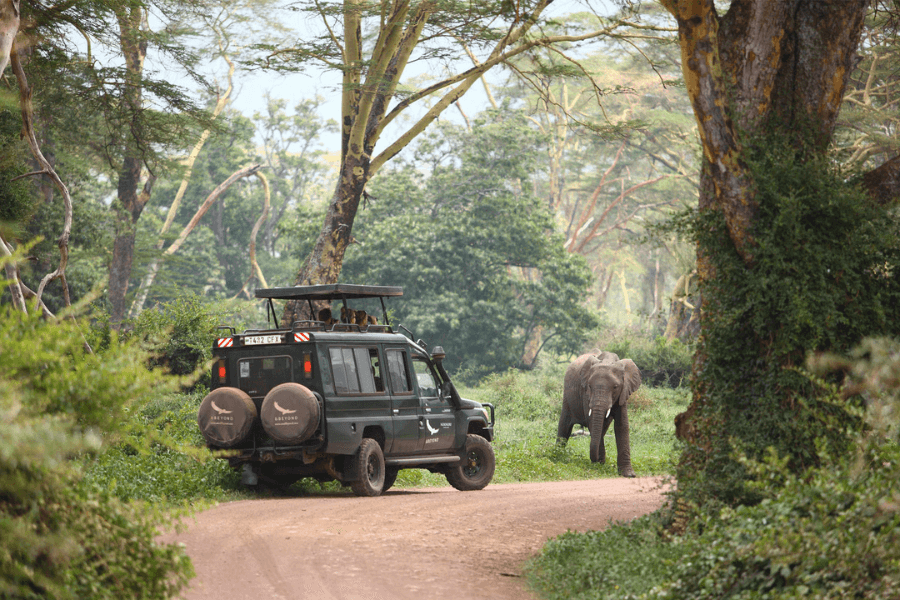
As the rains dry up and cool down, big things start happening across East Africa. It’s the River Crossing season and herds of wildebeest are braving crocodile-infested rivers in the Serengeti/Masai Mara complex. Away from the migration, increasingly arid conditions are driving larger and larger concentrations of elephants, buffalo and other animals to water sources at Ruaha National Park, Amboseli and the Ngorongoro Crater. Predators follow, and drama often unfolds at the water’s edge.
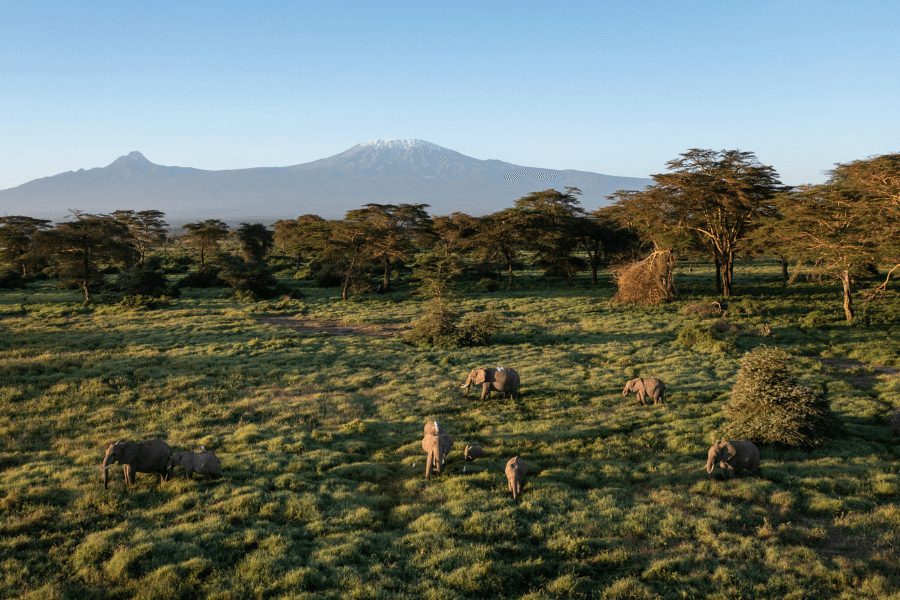
Anyone looking to experience a diverse, adventurous East African safari will find this the best season. As well as great conditions for wildlife watching, it is one of the drier seasons for gorilla and chimpanzee trekking in Uganda and Rwanda, both countries with a savannah side to their safari offerings; if you’ve ever wondered if it’s worth going to Queen Elizabeth National Park, Murchison Falls or Akagera, now is the season to see for yourself.
DANCE IN THE RAIN: OCTOBER – DECEMBER
The ‘Short Rains’ end the East African year and into the festive season. Despite the rain, it’s also warm and sunny for much of the time, making this a great season for beach holidays and special times in East Africa. Conditions in places like Zanzibar and the Kenya Beaches are now best for diving and snorkelling, and it’s a popular add-on to any safari in the region.

The rains at this time of year tend not to interfere too much with wildlife watching, and several destinations are delivering excellent action: the wildebeest herds are spilling out of the Masai Mara and into the Serengeti at the same time as migrant birds arrive across East Africa, excellent news for birders.