
Botswana – Photographic Safari
When: 9 August to 22 August 2027
Where: Join Simone Osborne for the ultimate photographic wildlife experience to Mashatu Game Reserve in Botswana with its Matabole hide and the new Lala Limpopo hide and the famous Pangolin Photographic Lodge on the Chobe river in Botswana. Learn more about Simone
Africa has been a part of my life for many years. Having lived there and returned many times since, I have been fortunate to experience some of the continent’s most remarkable wildlife encounters. From watching elephants gather at a river in Botswana to witnessing a lioness carefully carrying her cubs to a new den, every safari has taught me something about both wildlife and photography.
One of the questions I am often asked is, “How can I take better photos on safari?” Many people expect the answer to involve expensive cameras or long lenses. While good equipment certainly helps, I have learned that the most memorable wildlife photographs are usually the result of observation, patience and understanding animal behaviour.
Some of my favourite safari images are not dramatic predator hunts or rare sightings. They are moments that tell a story and capture the emotion of an encounter. Here are seven simple ways to improve your safari photography and return home with images that bring those memories back to life.
1. Make the Most of Golden Hour
The first and last hours of the day are often referred to as the “golden hours” by photographers, and for good reason. The soft, warm light adds depth, colour and atmosphere to your images while avoiding the harsh shadows often found in the middle of the day.
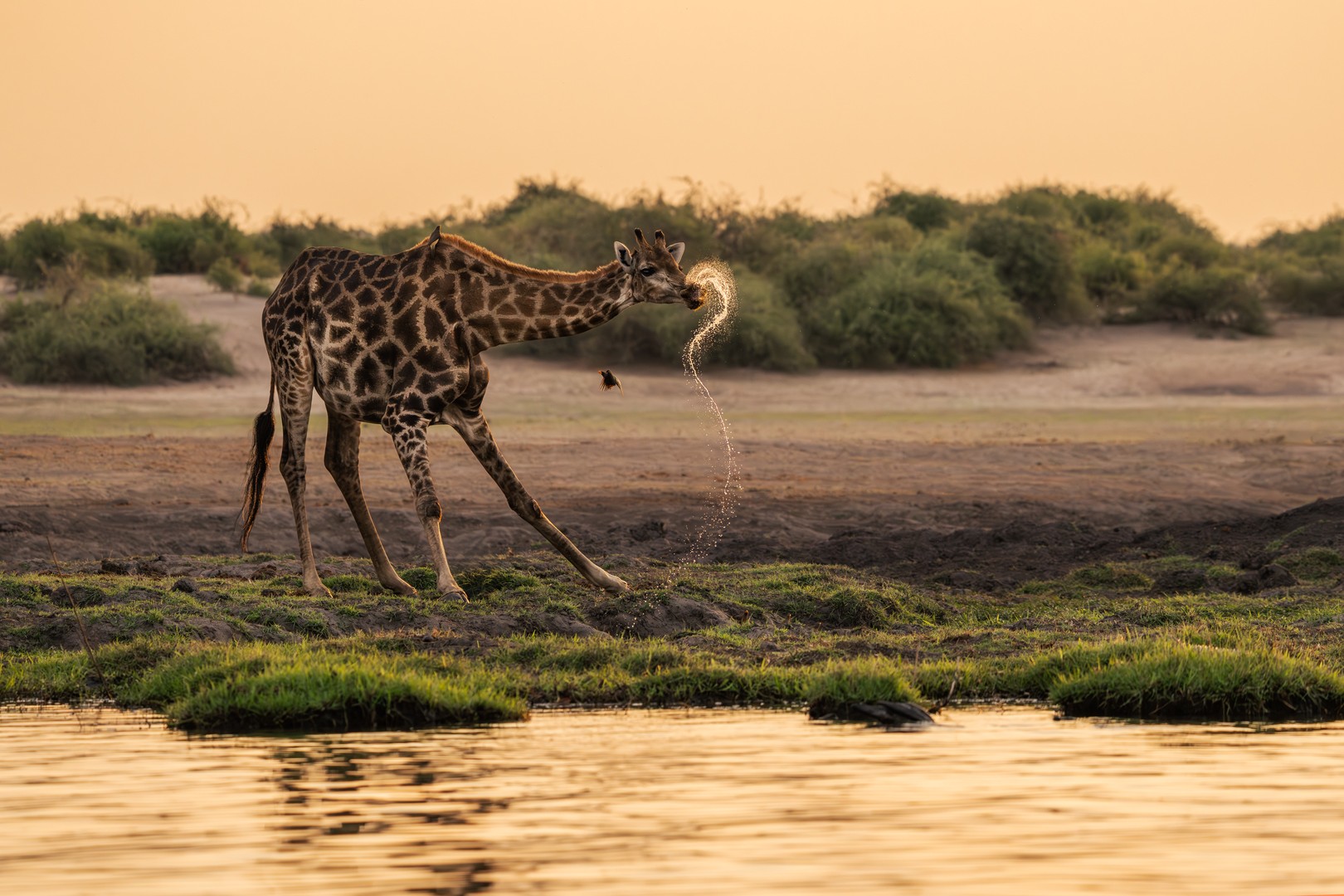
One evening in Botswana, I photographed a giraffe walking away from a waterhole as the sun dipped towards the horizon. The warm light illuminated the scene beautifully and, at just the right moment, water streamed from the giraffe’s mouth creating a graceful arc. The light transformed a simple wildlife sighting into a memorable photograph.
Whenever possible, make the most of early morning and late afternoon game drives. The wildlife is often more active and the light is usually at its best.
2. Focus on the Eyes
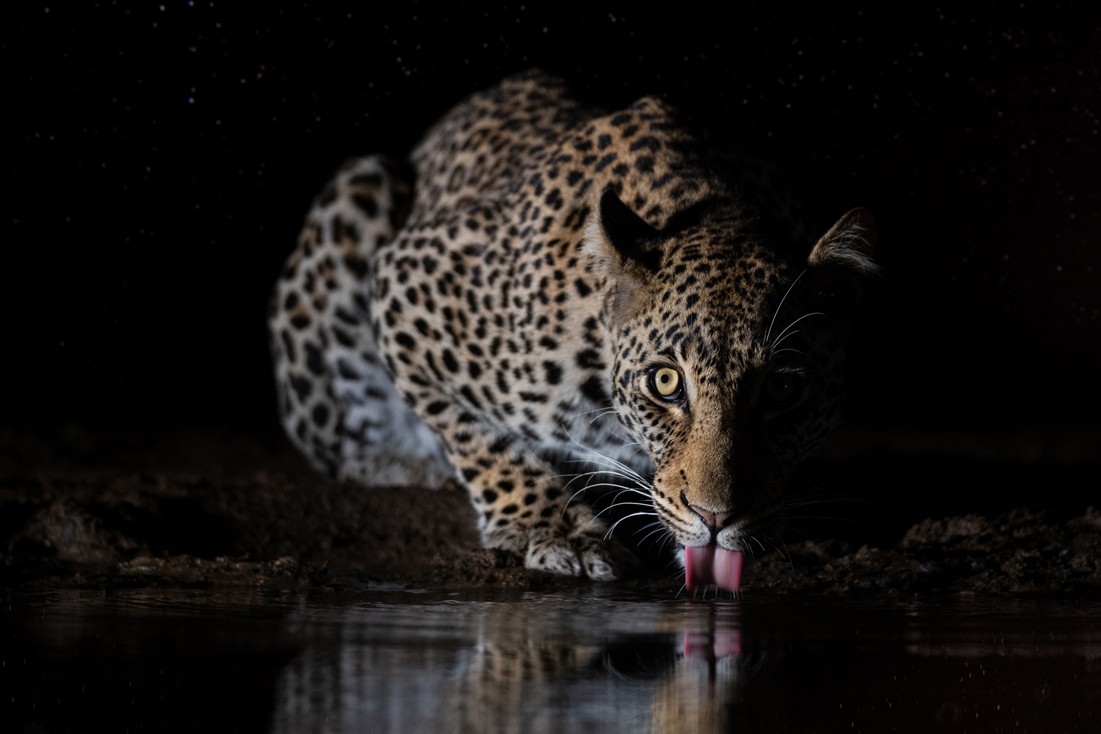
The eyes are often the first thing viewers notice in a wildlife photograph. Sharp, expressive eyes create an immediate connection between the subject and the viewer.
Whether you are photographing a lion resting in the shade or an elephant approaching a waterhole, try to ensure the eyes are in sharp focus. Modern autofocus systems make this easier than ever, but it still pays to be deliberate about where you place your focus point.
A photograph with sharp eyes often feels alive and engaging, even if other parts of the image are slightly softer.
3. Include the Environment
While close-up portraits are important, some of the strongest wildlife photographs show the animal within its surroundings.
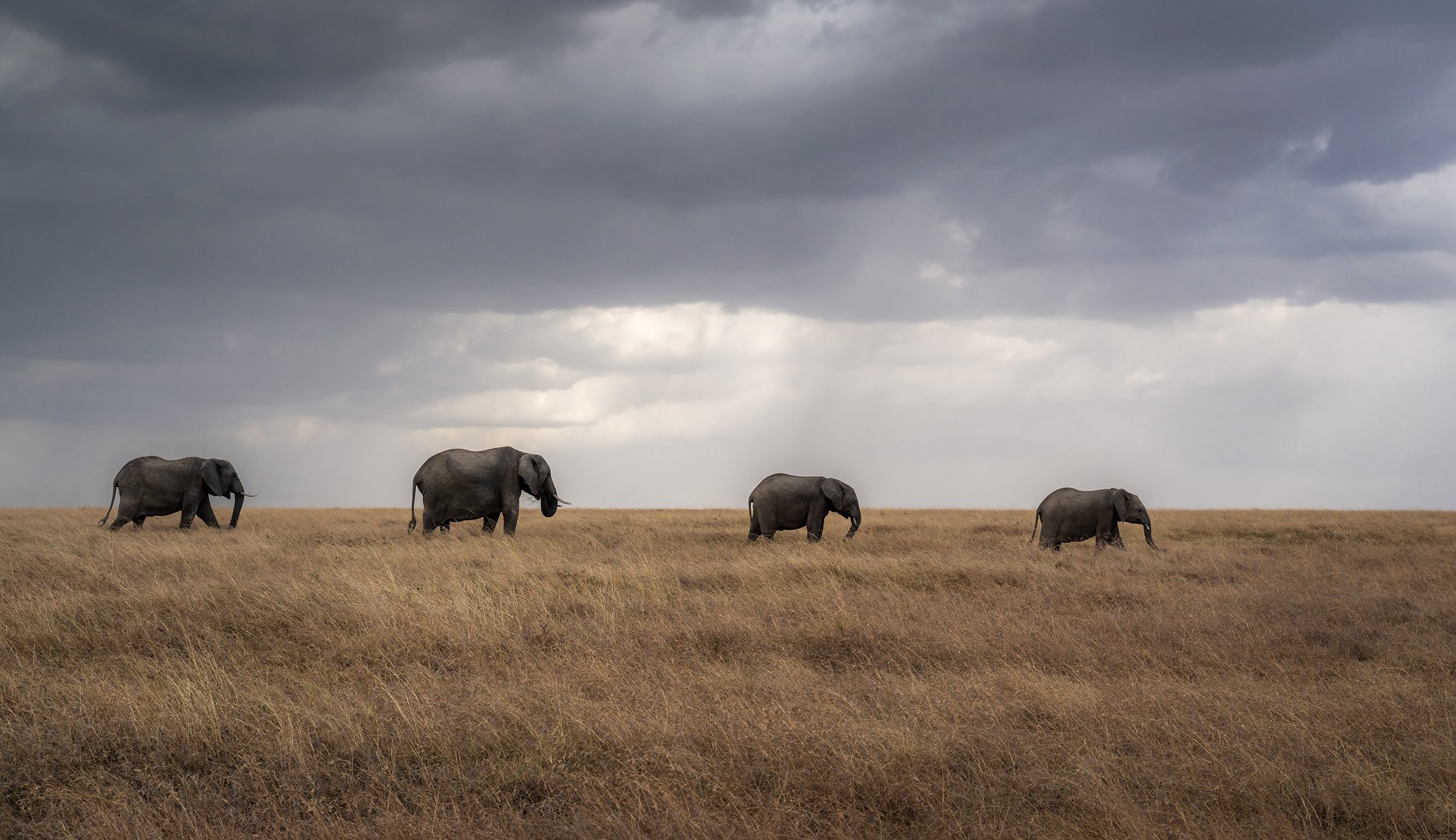
Africa’s landscapes are as much a part of the story as the wildlife itself. A lone elephant crossing an open plain, a giraffe silhouetted against a colourful sky or a pride of lions resting beneath an acacia tree all help tell the story of place.
Don’t be afraid to zoom out occasionally. Including the environment can add scale, context and a sense of adventure to your images.
4. Be Patient
Patience is one of the most valuable skills a wildlife photographer can develop.
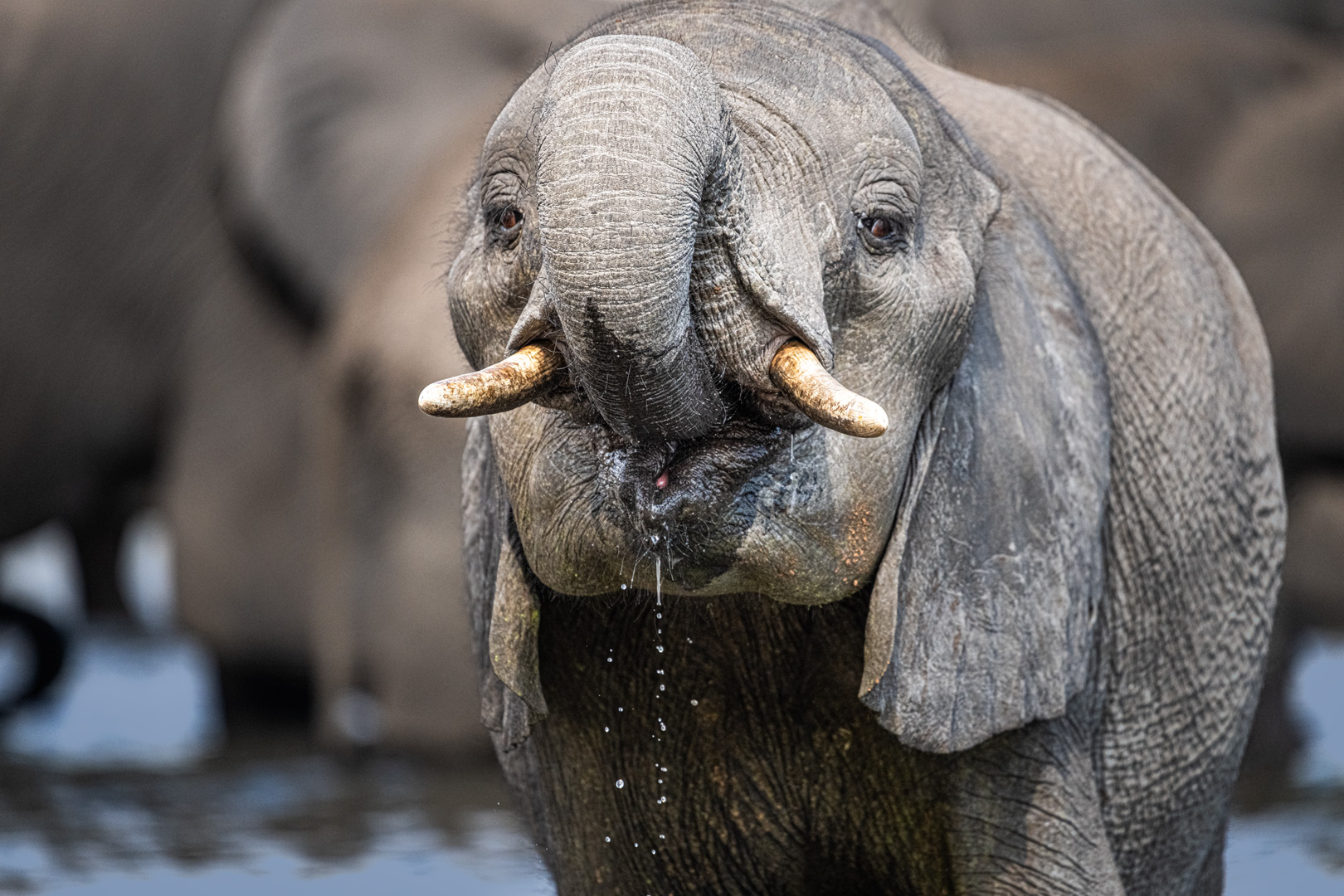
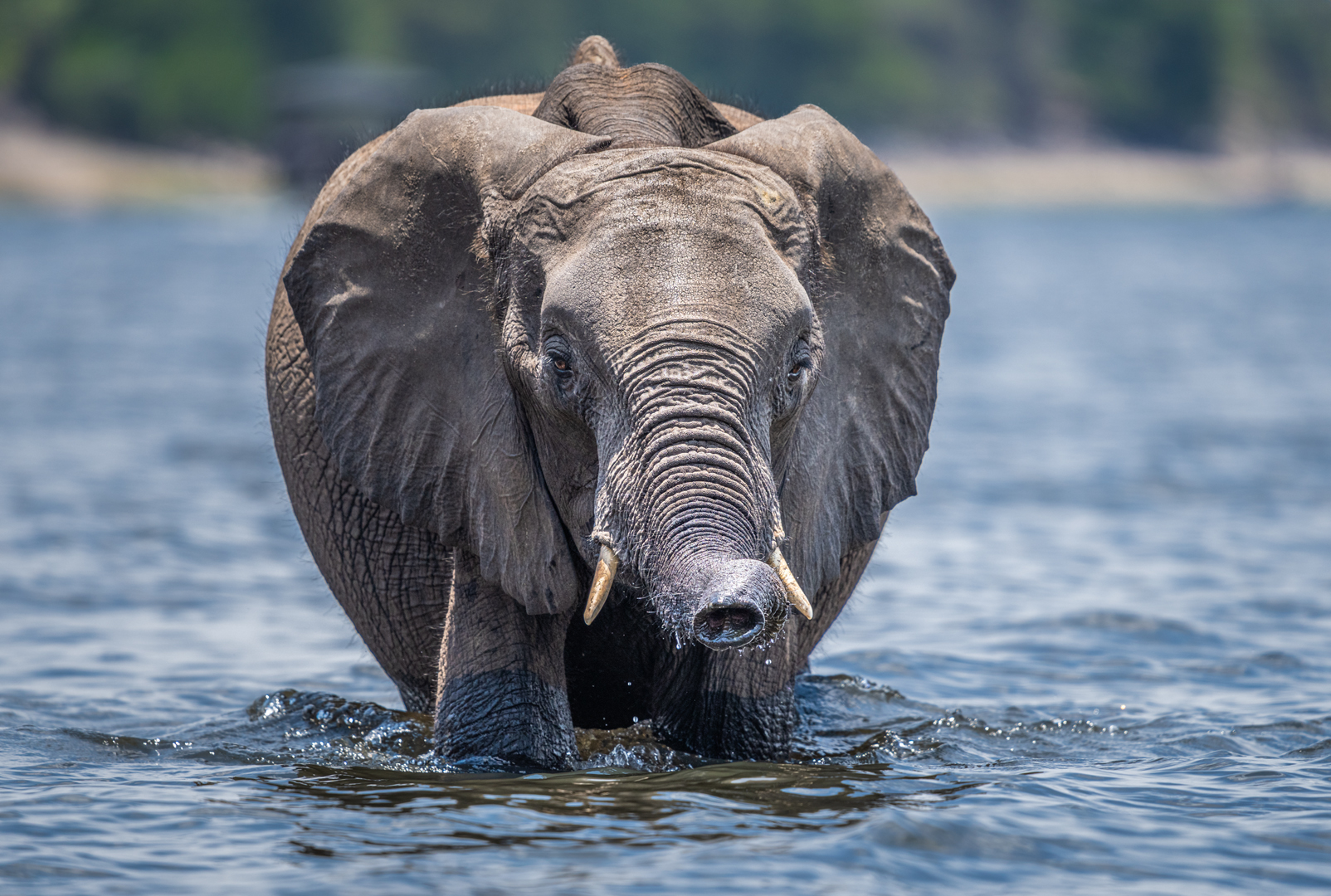
One of my favourite safari memories comes from Ellie Bay on the Chobe River. We would often stop there and spend hours simply watching the elephants arrive. Some would walk steadily towards the water while others seemed to run with excitement, trumpeting as they approached the river.
Mothers guided their calves through the shallows while younger elephants splashed, played and socialised. Nothing dramatic happened in an instant. Instead, the story unfolded over time. The longer we stayed, the more opportunities appeared for meaningful photographs.
Many photographers move on too quickly. Often the best moments happen after you have waited and observed for a while.
5. Learn to Anticipate Behavior
Understanding animal behaviour can dramatically improve your chances of capturing special moments.
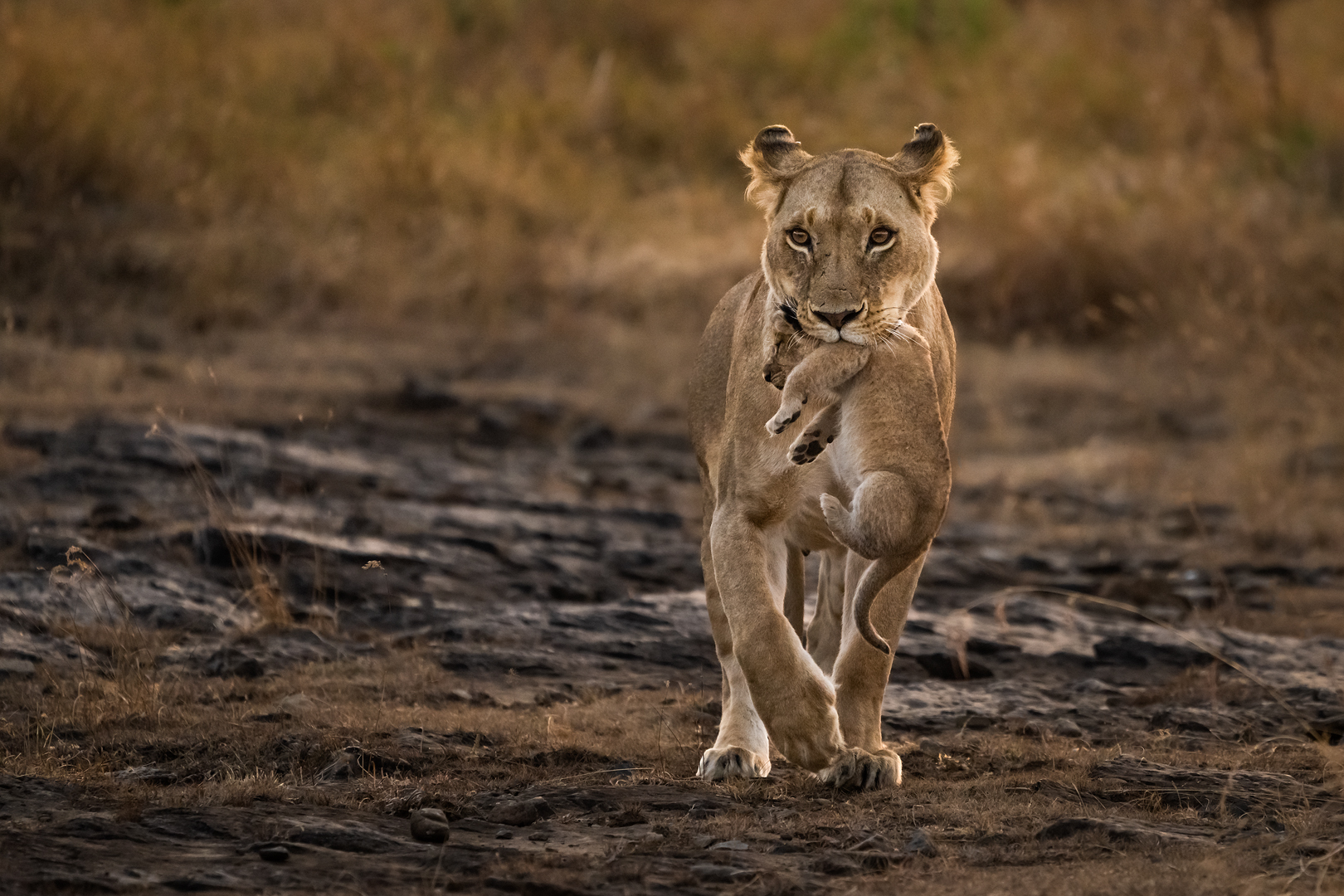
One morning we came across a lioness carrying one of her cubs. We watched quietly as she carefully transported the youngster to a new den site before disappearing into the vegetation. A short time later she returned to collect another cub.
By observing her behaviour, it became clear that something interesting was happening. Rather than taking a few photographs and moving on, we waited and allowed the story to unfold.
Wildlife often gives clues about what may happen next. Learning to recognise those signs can help you anticipate moments before they occur.
6. Tell a Story
Great wildlife photography is about more than simply documenting an animal. The images that stay with us often tell a story.
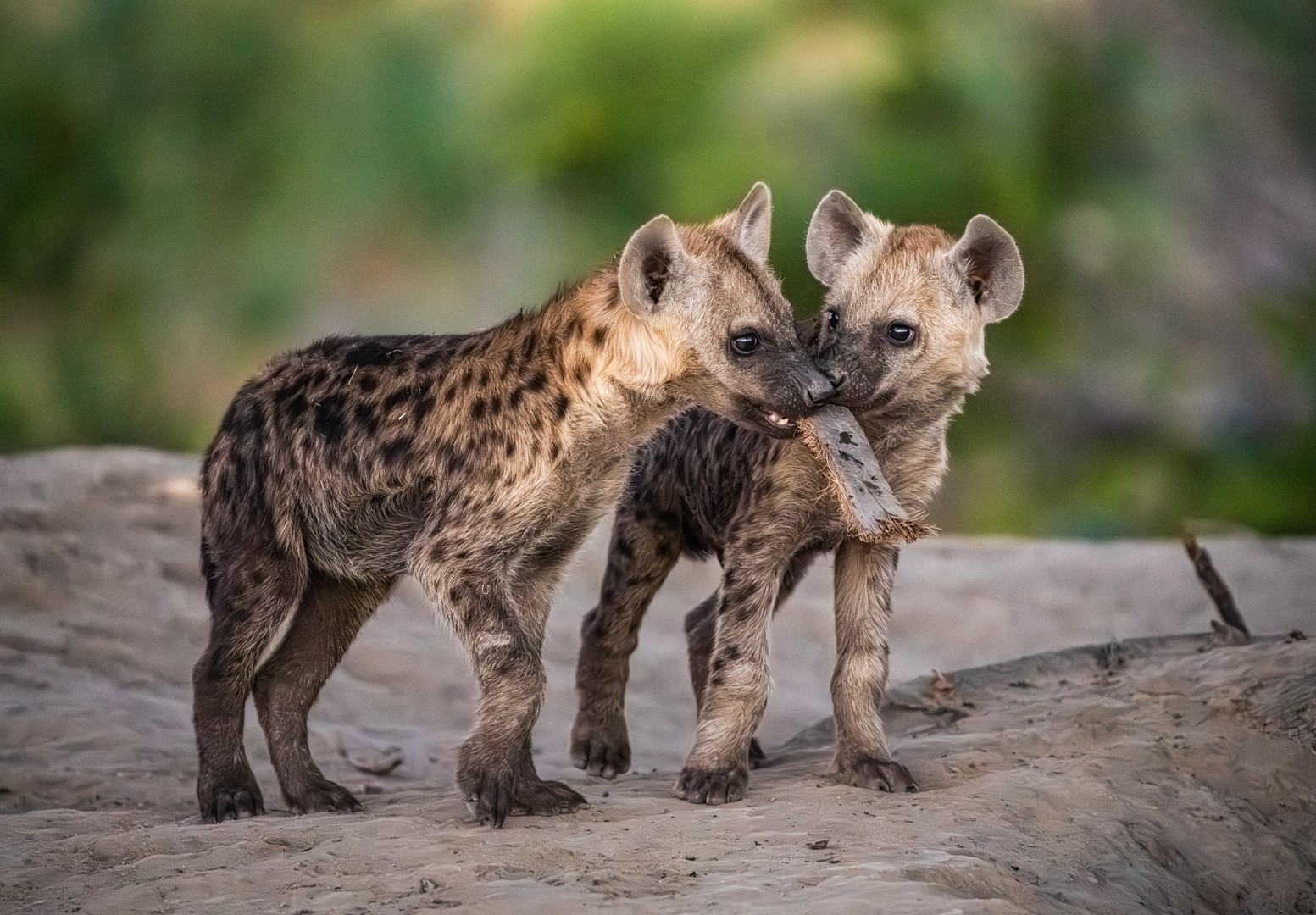
One example is a photograph of two young hyena cubs interacting with one another. It wasn’t a rare sighting or an action-packed moment, but the interaction between them created a connection and a sense of curiosity. Viewers immediately wonder what is happening and what the relationship between the two animals might be.
When photographing wildlife, look for moments that show behaviour, relationships and emotion. Those are often the images people remember most.
7. Know Your Camera Before You Arrive
Safari opportunities can appear and disappear very quickly. A leopard climbing a tree, elephants crossing a river or a bird taking flight may only provide a few seconds to capture the moment.
The more familiar you are with your camera, the more confident you will be when those opportunities arise. Practise changing your settings before your trip so that adjusting shutter speed, ISO and autofocus becomes second nature.
The goal is to spend less time looking at menus and more time watching wildlife.
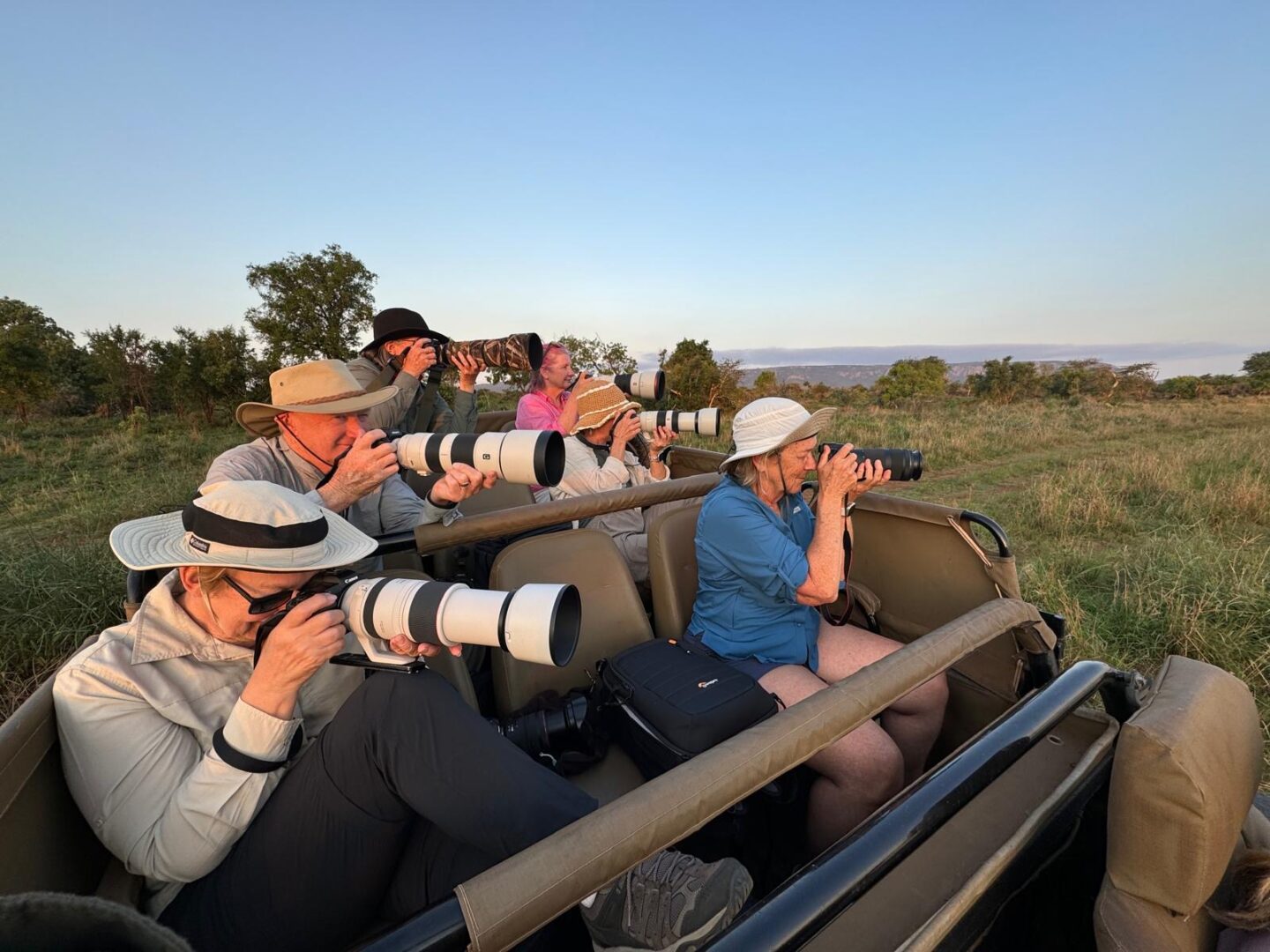
Great safari photography is not about owning the most expensive equipment. It is about observing, understanding behaviour, working with the available light and being patient enough to let nature tell its story.
Every safari offers opportunities to create meaningful images. Sometimes it is a lioness carrying her cub, a pair of playful hyenas or a herd of elephants enjoying an afternoon at the river. These are the moments that make wildlife photography so rewarding.
That philosophy is at the heart of my 2027 photographic safari. While we will be visiting some of Africa’s most remarkable wildlife destinations, the aim is not simply to see wildlife, but to experience it, understand it and return home with photographs that tell the story of your journey.
I would love for you to join me in Botswana. Enquire now!
Botswana – Photographic Safari
When: 9 August to 22 August 2027
Where: Join Simone Osborne for the ultimate photographic wildlife experience to Mashatu Game Reserve in Botswana with its Matabole hide and the new Lala Limpopo hide and the famous Pangolin Photographic Lodge on the Chobe river in Botswana. Learn more about Simone