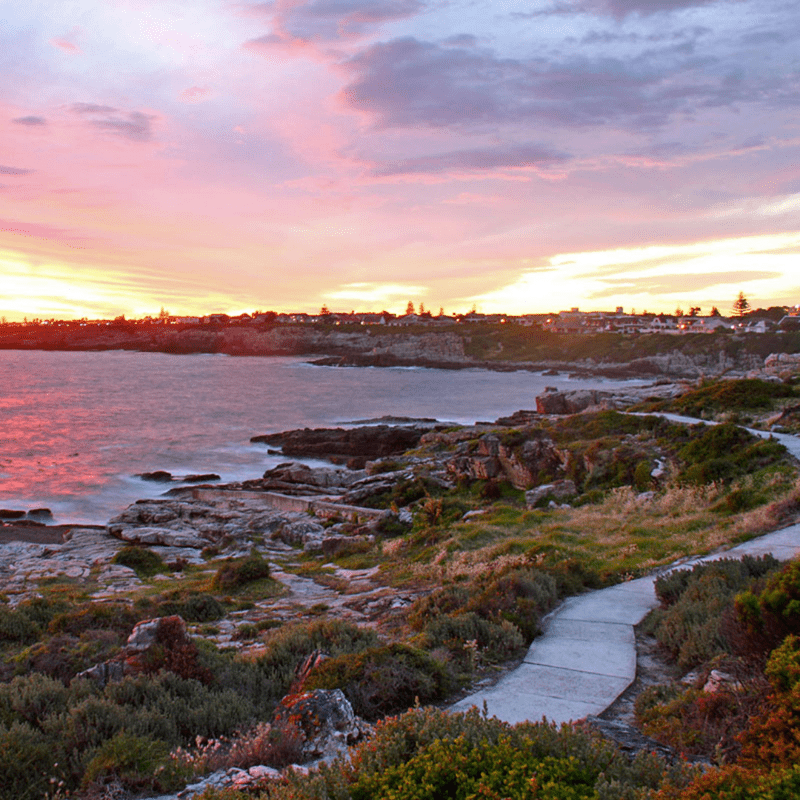
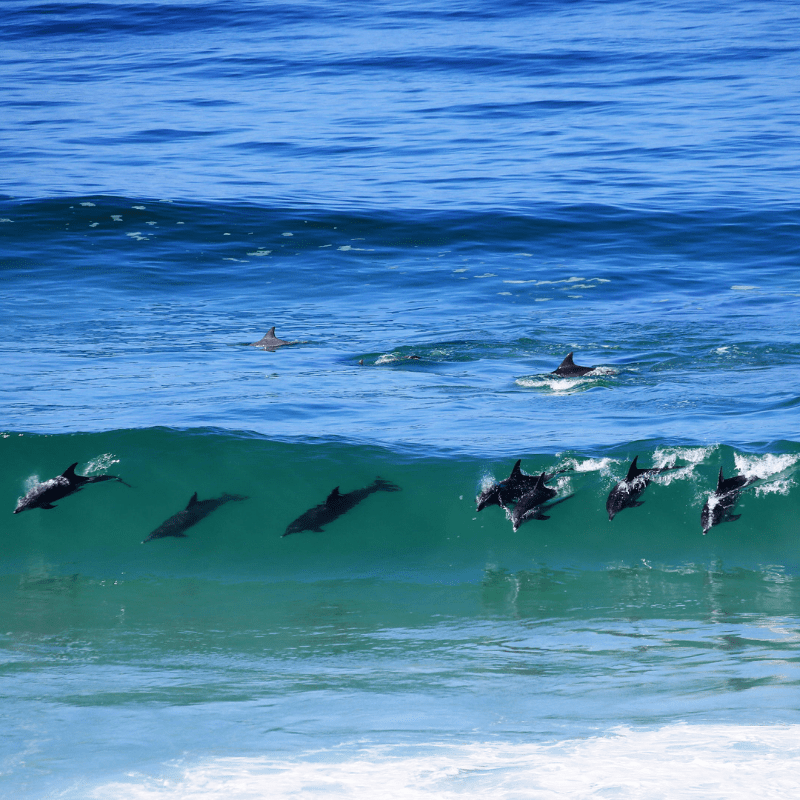
A rugged coastline pounded by cold Indian Ocean waves, South Africa’s Whale Coast begins in Cape Town and runs along the southern Cape coast. Easy to access on guided tours or as a self-drive adventure, the Whale Coast is safe, scenically stunning, and with plenty to see and do throughout the year – hiking, flowers, wine tasting, good food and birding.
But from July to the end of October something extraordinary happens. An estimated 40% of the world’s southern right whale population arrives from the Antarctic to the Whale Coast to display, breed and give birth.
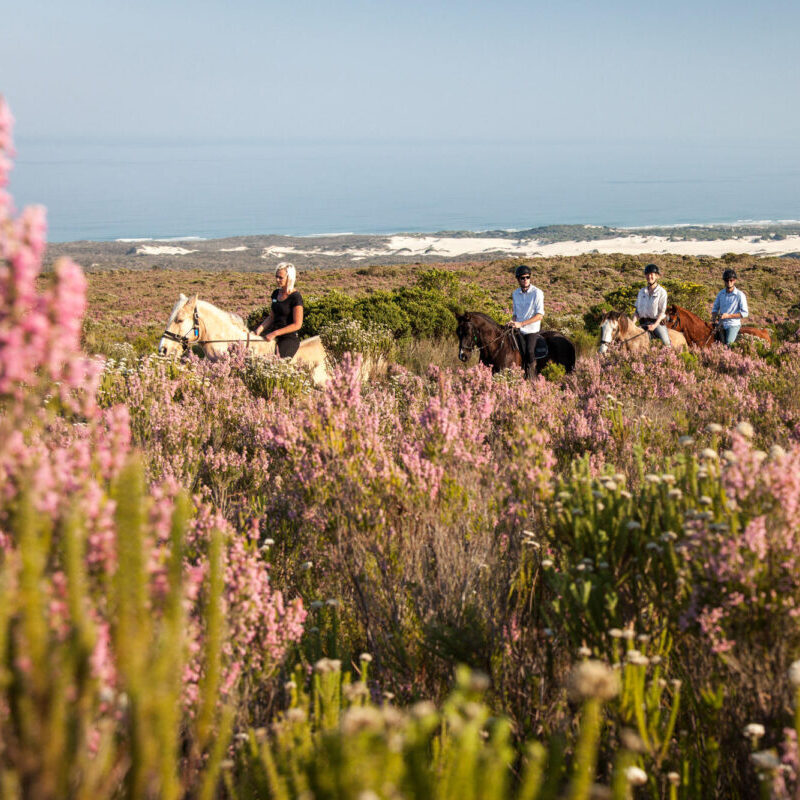
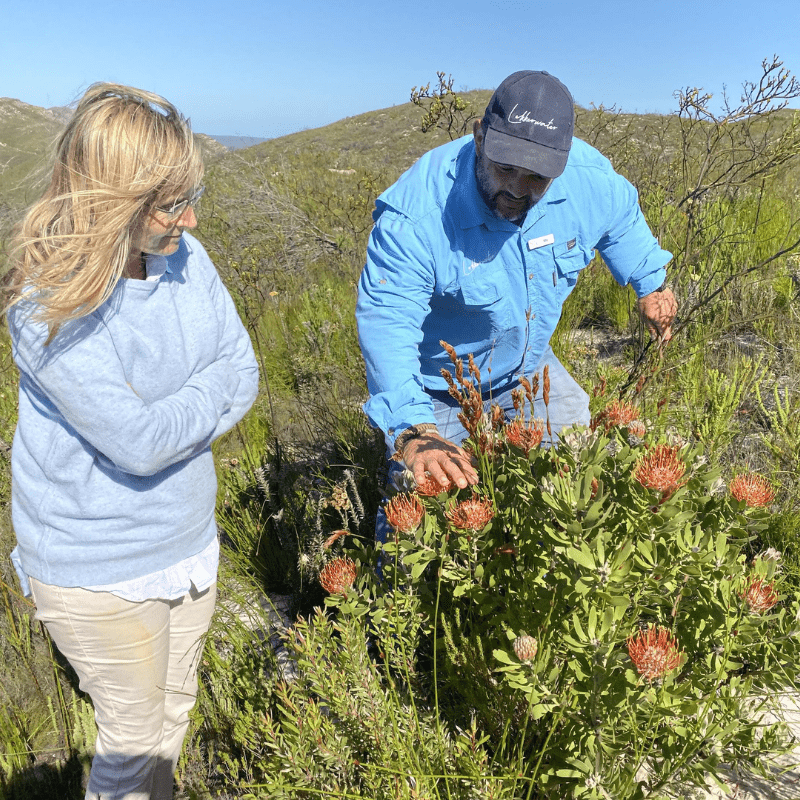
It’s known as Whale Season and it transforms the sleepy southern Cape coast into a festival of nature. This time of the year is also flower season with local birds active and breeding – it’s the ideal time of year for nature lovers and naturalists to visit. And it’s all so easy: whale watching is enjoyed from boat or dry land; flowers and birds are viewed from botanical gardens and on easy hikes.
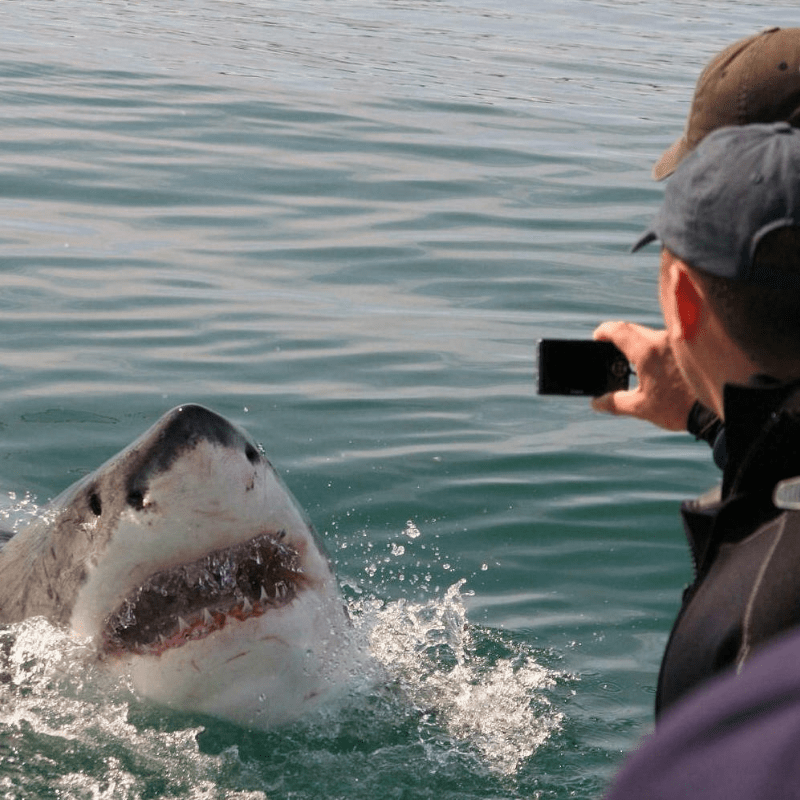
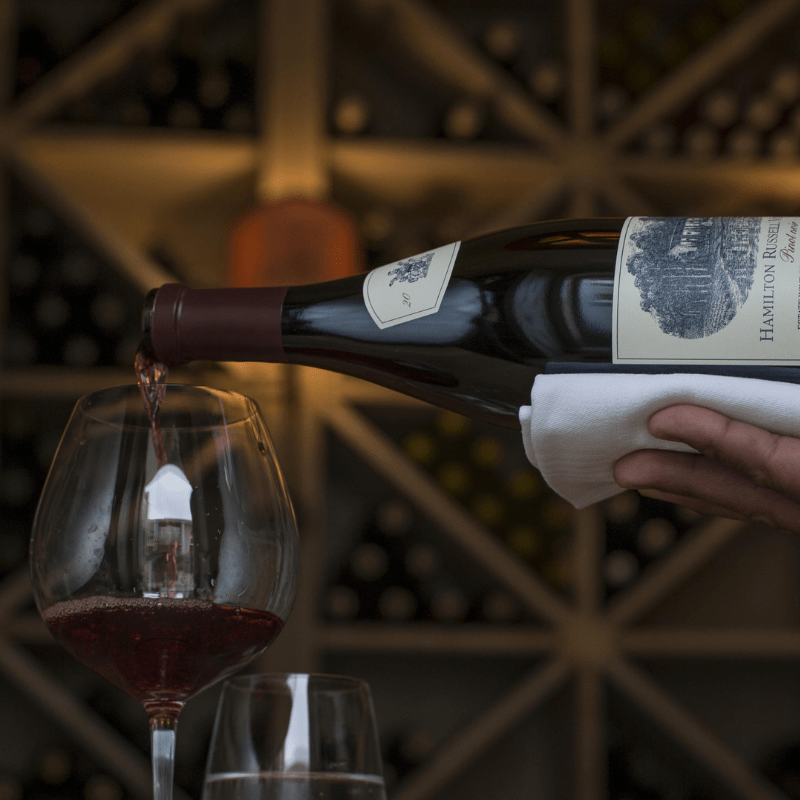
It’s possible to spot whales from the Cape Town area in season – especially at the Cape of Good Hope – but the Whale Coast truly begins when you leave Cape Town and the Cape Peninsula. Just an hour and a half’s drive away, the coastal town of Hermanus sits at the centre of the experience and is famous for its September Whale Festival. There is a wide range of accommodation in town (with whale watching often enjoyed from your hotel balcony) and lots to do all year round: markets, hiking, wine tasting in the Hemel-en-Aarde Valley, shark-cage diving at Gansbaai, and excellent birding (including a mainland penguin colony) can all be accessed from Hermanus on day tours.
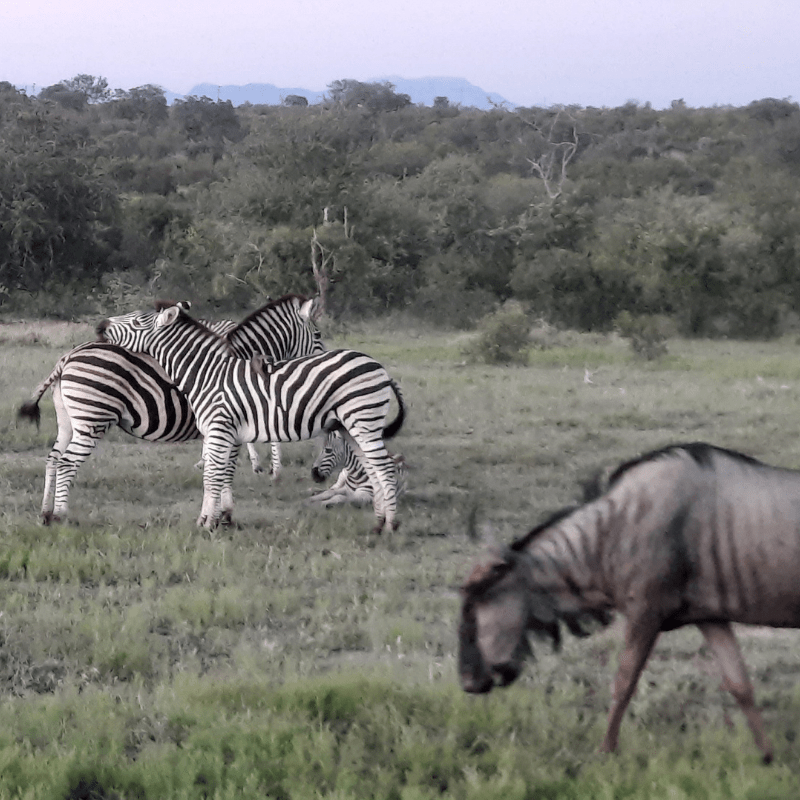
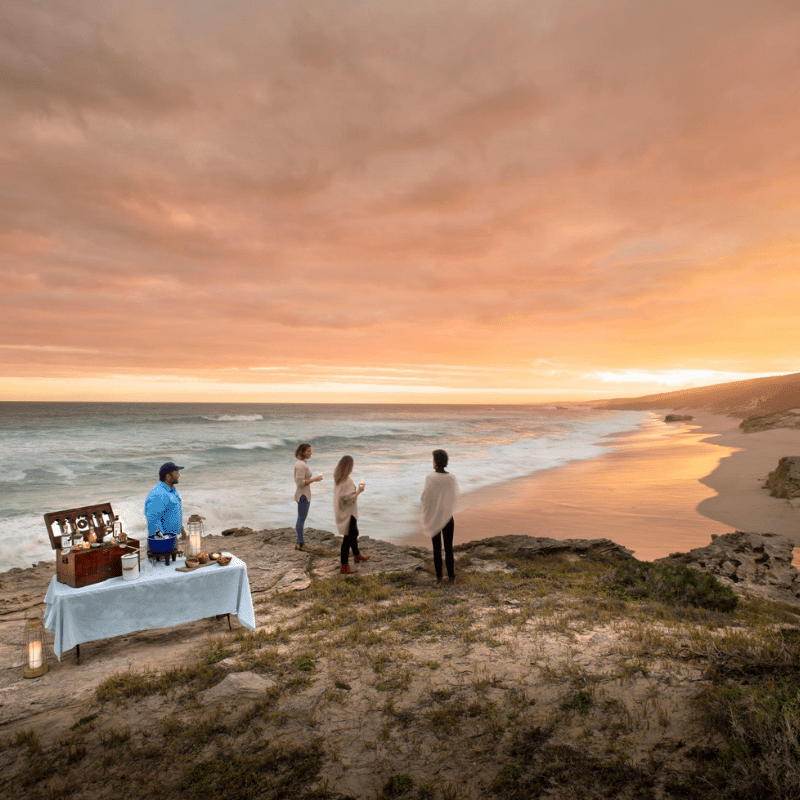
Travel a little further on the Whale Coast and now you have private nature reserves with luxurious suites and fine food; it is the perfect combination with Cape Town and the Cape Winelands. Finish the experience with a safari in the Kruger National Park or one of its private Big Five reserves; whale season coincides with peak game viewing in the Kruger and you can even fly direct from Cape Town.
Contact us for advice and reservations: whale watching is seasonal and early bookings are recommended.


The Whale Coast has the same climate as Cape Town, the Winelands and the rest of the Western Cape: a warm and dry summer with a cool and wet winter. It’s the opposite of the climate in the rest of Southern Africa, from the Kruger Park to Victoria Falls, which has a wet summer and dry winter.
Whale Season fits into the Cape’s late winter and spring: July through October and is the best time to visit the Whale Coast for whale watching as well as to see the rest of the Western Cape at arguably its best: this is when most flowers are bloom, birds are breeding and the landscape at its softest and greenest. There is regular rain during this period – mostly in June, July and August – but the temperatures are not especially cold and the days in between rain are warm and sunny.
From November to April there is almost no rain in this part of the Cape, including the Whale Coast. It is hot and sunny but temperatures along the coast are eased by the cold Indian Ocean, making it a very pleasant time to visit though it should be noted that it is often very windy at this time of year.
The best time of year to go to the Whale Coast and combine it with a Big Five safari is August, September and October: whale season is at its peak on the Whale Coast with wildlife watching in the Kruger, Botswana and Zambia at its easiest and most rewarding.
Accommodation on the Whale Coast is centred around the town of Hermanus where you’ll find a range of fine hotels, boutique guesthouses and self-catering suites. You’ll need to book early for peak Whale Season (August through October) as it is the most popular time of year for the region.
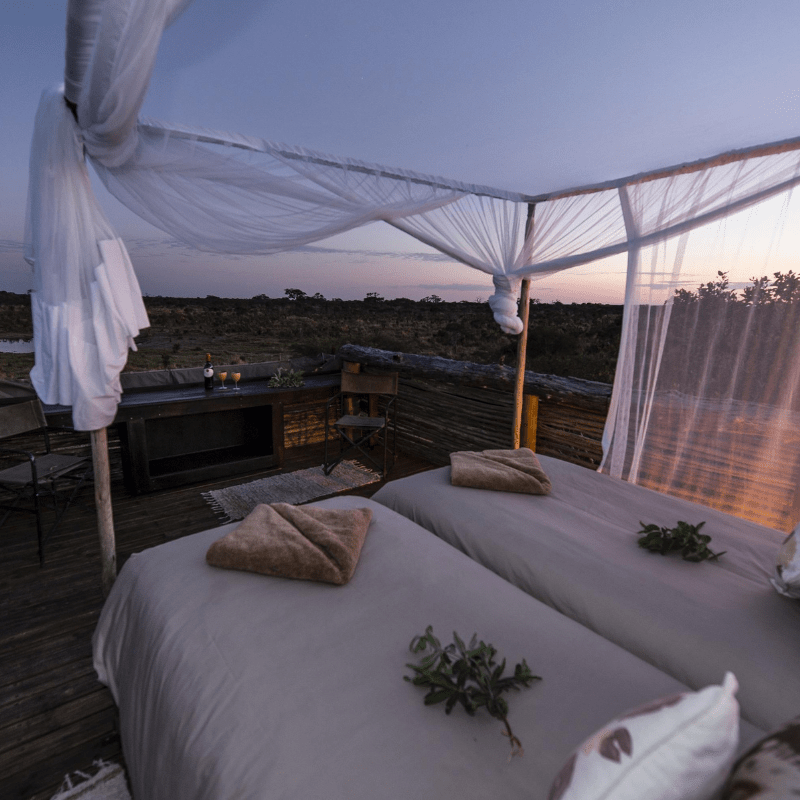
Other accommodation options are set on private reserves overlooking the Whale Coast. Highly recommended for their comfort, guiding experience and cuisine, these private lodges deliver a deeper insight into the natural ecosystems of the Whale Coast – both marine and terrestrial. They also cater for all kinds of guest: you’d expect honeymoon suites and luxury penthouses but there are also family-friendly villas where children of all ages are welcome.
Browse our range of Whale Coast accommodations and contact us for advice and reservations.
Luxury coastal lodge offering stylish beachfront suites, breathtaking ocean views, and direct access to pristine beaches and wildlife experiences.
Luxury boutique hotel perched on the cliffs with spectacular ocean views. It offers elegant suites, fine dining, and easy access to whale watching, making it ideal for a serene coastal getaway.
Stylish boutique hotel offering modern accommodations with panoramic ocean views, fine dining, and easy access to whale watching and coastal attractions.
Put the Whale Coast at the centre of a South Africa holiday itinerary: it is a region that combines easily with Cape Town and the Cape Winelands, giving travellers a diverse set of experiences to enjoy. There are guided tours to join, or private guides to hire, or you can rent your own car and do it yourself on a self-drive adventure. At ease with luxury as well as budget travellers, honeymooners or families with children, the Whale Coast has something for everyone.
Further afield is the Garden Route, effectively beginning where the Whale Coast ends. It’s a popular self-drive holiday destination with golden beaches stretching all the way to the Eastern Cape and its malaria-free Big Five game reserves.
Browse our most popular Whale Coast holiday and safari itineraries below; book them as they are or ask us to tailor them to your time, interests and budget.
Our team of destination experts will design a holiday to meet your budget and interests. Let’s start planning your tailor-made African safari today!
The Whale Coast is easy to combine with nearby Cape Town, the Winelands and the Garden Route – go on a guided tour or do it yourself on a self-drive. Local flights also make it simple to add on a Big 5 safari to the Kruger Park or the Sabi Sands private reserve.
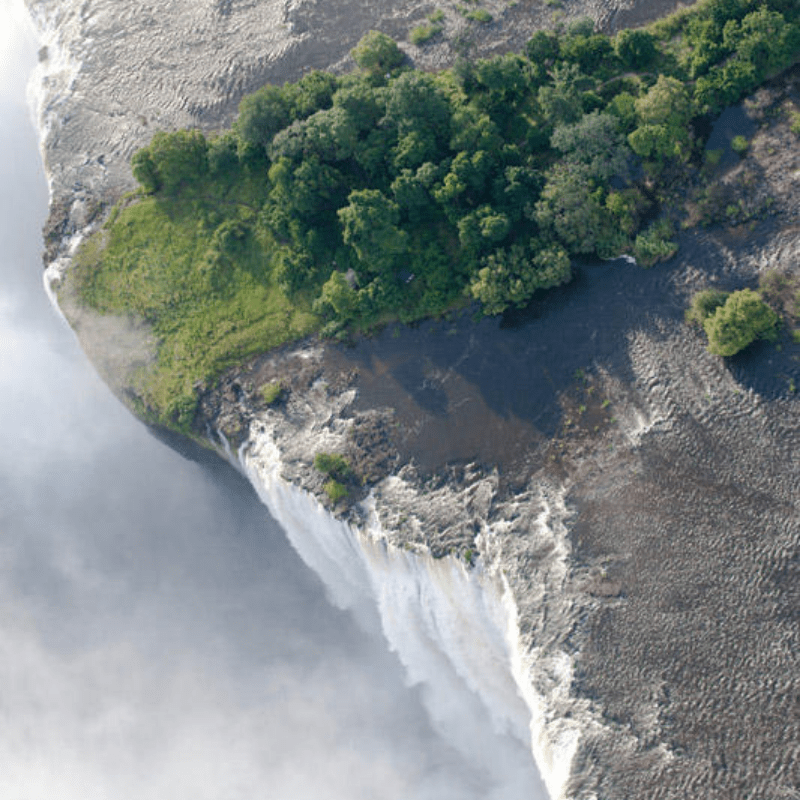
And it’s not much further to southern Africa’s other safari destinations such as Botswana, Zimbabwe and Zambia. Now you can compare the biggest marine animals – whales – with the largest land ones: elephants. Iconic safari destinations such as the Chobe National Park, Okavango Delta, Victoria Falls and the South Luangwa Park can all be combined with a South African itinerary – just ask us how.